Antioxidant Properties of Marigold Extract
2026-03-05 13:38:55
The high levels of lutein, zeaxanthin, and flavonoids in marigold extract make it a great antioxidant. This makes it an essential ingredient for use in nutraceuticals, cosmetics, and functional foods. This botanical powerhouse comes from Tagetes erecta flowers and contains standardized bioactive chemicals that fight oxidative stress and offer natural color and health benefits. The extract has been shown to help with eye health, skin protection, and anti-inflammatory responses. This makes it a premium raw material for companies that want to use clean-label ingredients that are backed by science and meet strict quality standards in a wide range of industry settings.
Understanding Marigold Extract and Its Antioxidant Benefits
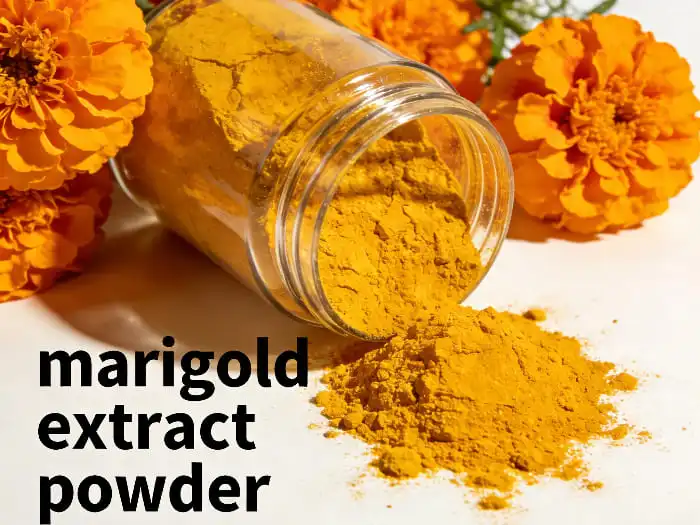
The therapeutic benefit of marigold extract comes from its unique phytochemical makeup, which includes high amounts of xanthophyll carotenoids. This plant extract is mostly from Tagetes erecta L. and has normal amounts of lutein and zeaxanthin, which are usually kept at good ratios like the golden ratio of 5:1. There are powerful antioxidants in these carotenoids that get rid of dangerous free radicals that damage cells and cause inflammation.
Bioactive Compound Profile and Mechanisms
Multiple chemical processes work together to give marigold oleoresin its antioxidant properties. Lutein (C40H56O2) and zeaxanthin build up in the eye's tissues to form macular pigments that block high-energy blue light and keep retinal cells from getting damaged by free radicals. The results of clinical research show that these chemicals build up mainly in the macula lutea, protecting against age-related macular degeneration (AMD).
Aside from their health benefits for the eyes, flavonoids in the extract also help as antioxidants because they can bind to metal ions and stop lipid breakdown chains. Triterpenoids and saponins make the extract even better at reducing inflammation, which makes it useful for cosmetics that want to fix skin and protect it from the sun.
Distinguishing Characteristics from Similar Botanicals
People who work in procurement need to know the important differences between marigold extract and other plant ingredients that are similar. Calendula (Calendula officinalis) has different carotene profiles that work best for healing the skin. Tagetes-derived extract, on the other hand, has measurable amounts of lutein and zeaxanthin that are good for the whole body. This difference is very important when choosing raw materials for supplements that help with eyes or functional foods that need to have their bioavailability proven.
Comparing Marigold Extract: Quality, Forms, and Market Options
For strategic sourcing choices to be made, all available extract forms and quality parameters must be carefully examined. There are different grades on the market, from conventional to organic certified options. Each has its own benefits for different uses and legal needs.
Organic versus Conventional Sourcing Considerations
Organic certified marigold extract gives you better chances to place yourself in the market and meets the needs of consumers who want clean labels. Our methods for growing crops without genetically modified organisms (GMOs) get rid of synthetic pesticide and herbicide contamination, which supports vegan product claims and clean-label efforts. For organic certification, strict third-party checks are done on all farming methods, from choosing the seeds to the final steps of processing.
When used on a big scale and organic certification is not needed, conventional extracts may be cheaper. The extra cost of organic buying, on the other hand, is often worth it because it helps the brand stand out and attracts health-conscious customers.
Form Factor Selection: Powder versus Liquid Applications
Product makers have to make important choices about which extract form to use based on the needs of the application and concerns about stability. For business uses, these are the main benefits of powder formulations:
Better Stability: Crystalline powders are more resistant to oxidation than liquid solutions, so they last longer and keep their effectiveness while they're stored.
Versatile Processing: Water-dispersible microencapsulated powders (CWS) solve common problems with solubility and can be added to a wide range of dosage forms, such as capsules, pills, and drinks.
Standardized Potency: Powder extracts that have been checked by HPLC make sure that the amounts of lutein and zeaxanthin are always the same, meeting pharmaceutical-grade standards for doses in clinical settings.
These technical benefits solve common formulation problems and give purchasing teams solid, standard ingredients that keep quality high during the whole manufacturing process.
For softgel encapsulation, oil suspensions are still better because lipophilic delivery methods make the medicine more bioavailable. Which form to use depends on the needs of the final product, the ability to handle it, and the tastes of the target market.
How Marigold Extract is Made and Ensuring Quality in Bulk Procurement?
Advanced extraction methods that keep the bioactive integrity while allowing for business scale-up are the first step to excellent manufacturing. Understanding these steps is important for evaluating suppliers and making sure quality standards are met, which are both necessary for bulk procurement methods to work.
Advanced Extraction Technologies and Bioactive Preservation
The best way to keep antioxidant ingredients in marigold flower extract while getting rid of solvent residues that could make the product less pure is to use supercritical CO2 extraction. The temperature and pressure of this technology are carefully managed so that only the desired carotenoids are extracted without damaging heat-sensitive parts. The process makes oleoresin crystals that keep their color and bioactivity for a long time.
For other methods, like solvent extraction, the amounts of residual solvent need to be carefully watched to make sure they meet pharmaceutical and food-grade standards. Our microencapsulation technology protects natural carotenoids from oxidation by adding protection matrices with antioxidants like vitamin E. This keeps the ingredients stable even when the temperature and humidity change.
Certification Standards and Compliance Frameworks
To buy in bulk successfully, you need to check all of the supplier's certifications and quality control systems. For entry to the global market, you need certifications like FSSC 22000, ISO standards, and specialty certifications like Kosher and Halal approval. These frameworks make sure that manufacturing methods are always the same and that products can be tracked all the way through the supply chain.
As part of our quality control procedures, we test carefully for heavy metals, herbicide residues, and microbe contamination. Third-party laboratory verification is an independent way to confirm that a product meets its specifications. It helps with regulatory submissions to the FDA, EFSA, and other foreign authorities. Certificates of Analysis, stability studies, and regulatory compliance statements are all part of documentation packages that make the process of qualifying customers easier.
Supplier Evaluation Criteria for Industrial Applications
Procurement teams should give more weight to suppliers that can show they can provide comprehensive technical help in addition to excellent manufacturing. Some of the most important things to look at when judging a company are its analytical tests, custom formulation services, and quick technical advice. Reliability in the supply chain is important for keeping production on plan and avoiding costly delays.
Application Scenarios and Industry Uses of Marigold Extract Antioxidants
Marigold extract is used in many fields where the antioxidant properties drive new products and market differentiation. Strategic sourcing that is in line with new market trends and legal changes is possible when you understand specific use cases.
Nutraceutical and Dietary Supplement Applications
The main market for lutein and zeaxanthin concentrates is vision health products, which contain formulas that protect against blue light and help the macular. To be therapeutically successful, AREDS2 protocol supplements need to be precisely dosed. This means they need pharmaceutical-grade raw materials with known bioavailability profiles. Our standardized extracts back up what the label says and make sure that there is consistency from batch to batch, which is important for clinical effectiveness.
More and more multivitamins use marigold extract as a natural antioxidant complex instead of manufactured ones, which helps with the clean-label movement. Because the extract works with different delivery methods, like softgels, tablets, and powder blends, it makes product development more flexible.
Cosmetic and Personal Care Innovations
Anti-aging skin care products use the extract's powerful ability to fight free radicals to repair damage caused by UV light and the environment. Cosmetic scientists like that the ingredient can be used as both an active ingredient and a natural colorant. This makes formulations easier and backs up marketing claims about natural ingredients.
Blue light protection is a new use for antioxidants from marigolds that have been shown to help guard against digital device exposure. Ingredient suppliers who can help with the development of new products can take advantage of big possibilities in this growing market segment.
Functional Food and Beverage Applications
Fortifying drinks needs special water-dispersible mixes that keep the color stable and keep the ingredients from separating while they're being stored. Our Cold Water Soluble (CWS) beadlets stop the "ringing" effect that happens with oil-based carotenoids and make sure that they are spread evenly in liquid mixtures.
The extract's natural coloring qualities and nutritional boost are both useful in dairy products. The ingredient stays effective during pasteurization because it is resistant to heat. This meets food safety standards.
Navigating the Procurement Process: Buying Marigold Extract with Confidence
To buy marigold flower extract in bulk successfully, you need to build strategic relationships with suppliers based on technical know-how, quality control, and reliable supply chain management. Understanding how the market works and how to negotiate helps you get the best deals while lowering the risks of doing business.
Supplier Selection and Partnership Development
When you work directly with manufacturers, you have the most power over quality standards and technical support services. The factors for evaluation should focus on analytical skills, a history of following regulations, and proven experience in creating custom formulations. Site audits make sure that manufacturing standards are being met while also building personal ties that make it easier to talk to people and solve problems.
Long-term partnership deals are good for both parties because they give each other benefits like better prices, priority access when supplies are low, and the chance to work together on new products. When market volatility changes the prices or availability of raw materials, these relationships become even more important.
Quality Assurance and Handling Protocols
To keep the purity of antioxidants, storage and handling conditions must be closely watched all along the supply chain. Controlling the temperature during shipping keeps the powder from breaking down, and keeping wetness out keeps it flowing smoothly and stops it from clumping. As part of our packaging requirements, nitrogen flushing and desiccant inclusion are required to keep the potency and extend the shelf life.
When an inspection comes in, the protocols should check the parameters on the Certificate of Analysis and do their own testing for important quality traits. Setting clear acceptance criteria and testing methods stops quality problems and keeps production schedules on track.
Conclusion
There is scientific proof that marigold extract is a useful plant ingredient that can be sold and meets important needs in the nutraceutical, cosmetic, and functional food businesses. The standardized lutein and zeaxanthin content of the extract supports clean-label formulation methods and has been shown to be an antioxidant. Advanced extraction technologies and strict quality control methods make sure that the product's potency stays the same and that it follows all the rules that are needed for it to be successful in the global market.
FAQ
What makes marigold extract superior to synthetic antioxidants?
Natural marigold extract provides bioavailable lutein and zeaxanthin compounds that demonstrate superior tissue accumulation compared to synthetic alternatives. The extract's complex phytochemical matrix enhances absorption and biological activity while supporting clean-label positioning that resonates with health-conscious consumers seeking natural ingredient solutions.
How should marigold extract be stored to maintain antioxidant potency?
Optimal storage conditions include cool, dry environments with temperatures below 25°C and relative humidity under 60%. Light protection and inert atmosphere packaging prevent oxidative degradation while maintaining color stability and bioactive compound integrity throughout extended shelf life periods.
What quality certifications are essential for food-grade marigold extract?
Essential certifications include FSSC 22000 for food safety management, organic certification where applicable, and specialized approvals such as Kosher and Halal for diverse market access. Additionally, compliance with heavy metal limits, pesticide residue specifications, and microbiological standards ensures regulatory approval across international markets.
Partner with Wellgreen for Premium Marigold Extract Solutions
Wellgreen Technology stands as your trusted marigold extract manufacturer, delivering pharmaceutical-grade botanical ingredients that exceed industry standards for purity, potency, and regulatory compliance. Our GMP-certified facilities utilize advanced extraction technologies to produce standardized lutein and zeaxanthin concentrates with documented antioxidant capabilities suitable for nutraceutical, cosmetic, and functional food applications. With comprehensive certifications including ISO, FSSC 22000, Kosher, and Halal approval, we provide complete regulatory support for global market access. Our technical team offers customized formulation services, flexible minimum order quantities, and responsive customer support to accelerate your product development timelines. Contact our specialists at wgt@allwellcn.com to discuss your specific requirements and discover how our premium marigold extract solutions can enhance your product portfolio.
References
Bernstein, P. S., Li, B., Vachali, P. P., Gorusupudi, A., Shyam, R., Henriksen, B. S., & Nolan, J. M. (2016). Lutein, zeaxanthin, and meso-zeaxanthin: The basic and clinical science underlying carotenoid-based nutritional interventions against ocular disease. Progress in Retinal and Eye Research, 50, 34-66.
Chew, E. Y., Clemons, T. E., SanGiovanni, J. P., Danis, R., Ferris, F. L., Elman, M., ... & Sperduto, R. D. (2013). Secondary analyses of the effects of lutein/zeaxanthin on age-related macular degeneration progression: AREDS2 report No. 3. JAMA Ophthalmology, 131(2), 142-149.
Khachik, F., Bernstein, P. S., & Garland, D. L. (1997). Identification of lutein and zeaxanthin oxidation products in human and monkey retinas. Investigative Ophthalmology & Visual Science, 38(9), 1802-1811.
Ma, L., & Lin, X. M. (2010). Effects of lutein and zeaxanthin on aspects of eye health. Journal of the Science of Food and Agriculture, 90(1), 2-12.
Roberts, R. L., Green, J., & Lewis, B. (2009). Lutein and zeaxanthin in eye and skin health. Clinics in Dermatology, 27(2), 195-201.
Yeum, K. J., & Russell, R. M. (2002). Carotenoid bioavailability and bioconversion. Annual Review of Nutrition, 22(1), 483-504.