Antioxidant Properties of Prickly Pear Extract Explained
2026-01-07 14:11:33
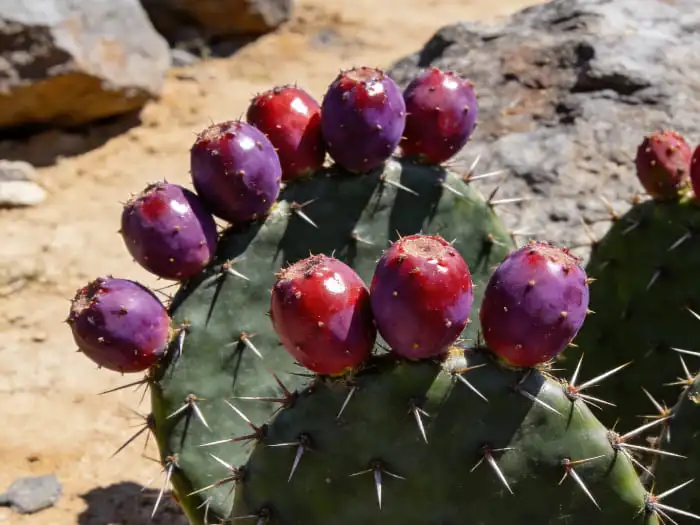
Prickly pear extract comes from the unique Opuntia cactus species. It is one of the strongest sources of antioxidants in nature, with amazing abilities to neutralize free radicals. These qualities have gotten the attention of health and industry experts around the world. Because of its unique mix of betalains, flavonoids, and polyphenolic compounds, it protects against oxidative stress better than anything else. This makes it a very useful addition to nutraceuticals, functional foods, and cosmetics that need scientifically-proven antioxidant power and always high quality.
Understanding Prickly Pear Extract and Its Antioxidant Profile
Prickly pear extract is effective against oxidative damage because it contains a variety of phytochemicals, some of which are strong and work together. This complicated profile gives procurement workers the information they need to choose ingredients and application strategies wisely.
Primary Antioxidant Compounds in Opuntia Extract
Researchers have found that prickly pear extract contains a number of important antioxidant molecules that make the extract useful for treating health conditions. Betalains are the oils that give the fruit its bright colors. These compounds have amazing radical-scavenging abilities that beat the performance of many standard antioxidants. These molecules contain nitrogen and both betacyanins and betaxanthins, which work together to protect cells from damage.
Flavonoids are another very important part, and quercetin and kaempferol derivatives have shown strong effects in lab tests. These chemicals make the extract better at protecting against lipid peroxidation and protein oxidation. This makes them useful for cases where long-term safety and effectiveness are needed.
Standardization and Quality Metrics
Professional-grade prickly pear extract is made in a way that guarantees the antioxidant effects are the same in every batch. Testing for Oxygen Radical Absorbance Capacity (ORAC) gives us a way to measure how strong antioxidants are, and HPLC analysis proves that certain bioactive compounds are really there and shows how much of them there is. These quality standards help producers keep products the same and follow the rules in a range of places.
Key Antioxidant Benefits of Prickly Pear Extract for Health and Industry
The broad range of antioxidants in prickly pear extract can be used in many different areas, from food supplements to cosmetics, and it helps in all of them. These uses show that the extract can be used in business and that more and more people want to buy it.
Nutraceutical and Supplement Applications
Clinical tests have shown that this extract can help metabolic health by working as an antioxidant. Studies that have been published in peer-reviewed journals show that eating something regularly may help keep your blood sugar levels healthy and support the performance of your heart. The anti-inflammatory and antioxidant benefits of the extract work together to create a full wellness approach that health-minded people like.
The extract's ability to stay stable in different mixes, whether they are capsules, tablets, or functional drinks, is very important to supplement makers. The natural origin and clean-label draw are in line with today's consumers who want plant-based ingredients that have been proven to be good for you.
Cosmetic and Personal Care Integration
The beauty industry loves prickly pear extract for its ability to protect skin, especially its power to fight environmental factors that cause early age. The extract can be used in a lot of different formulations, and it is safe for sensitive skin, so cosmetic scientists like it.
Product development teams say that the ingredients have been successfully added to moisturizers, anti-aging serums, and sun care products. The antioxidant qualities of these ingredients protect the skin right away and help keep it healthy over time. The extract's natural ability to moisturize makes it more useful for cosmetics that serve more than one purpose.
Procurement Insights: Sourcing High-Quality Prickly Pear Extract for B2B Buyers
When you buy cactus pear extract in a smart way, you need to look closely at the suppliers' skills, quality systems, and market positioning. The procurement teams that do well know the important things that make top sellers different from regular commodity providers.
Quality Assurance and Certification Requirements
Top suppliers use thorough quality management systems that go beyond the bare minimum for the business. GMP certification makes sure that products are made the same way every time, and organic labels help brands that want to sell to high-end customers. Testing by a third party proves the strength of the antioxidants and that there are no harmful substances that could make the product unsafe or ineffective.
Traceability systems let providers keep records of the whole supply chain, from getting the raw materials to delivering the finished product. This openness is becoming more and more important as regulatory oversight and consumer desire for greater ingredient accountability grow.
Supply Chain Considerations and Risk Management
Procurement experts with a lot of experience know that strong inventory management and a variety of sourcing methods are necessary for supply chains to work well. The prices and availability of raw materials can change with the seasons. This makes it important for businesses to have long-term ties with suppliers.
The long-term safety of the extract's antioxidants is greatly affected by how it is stored and handled. Suppliers who know how to package things correctly, control temperature, and handle moisture help keep the quality of the product during the distribution process.
Comparing Prickly Pear Extract with Other Natural Antioxidants
There are many natural antioxidants derived from plants, each with its own pros and cons. Knowing these differences helps people make smart choices about certain uses and ways to market products.
Relative Antioxidant Potency and Unique Benefits
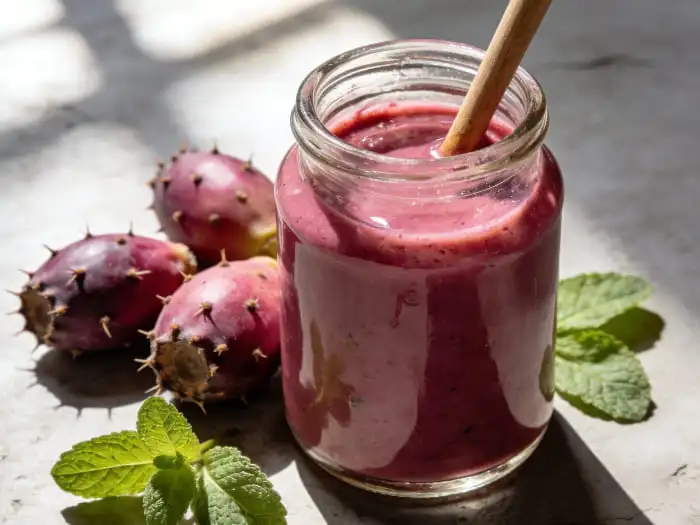
In some test conditions, prickly pear extract outperforms many other popular botanical extracts in terms of antioxidant activity. Because betalains are different from polyphenols, they can be used as antioxidants alongside polyphenols. This gives product developers even more options.
Because the extract works as both an antioxidant and a natural colorant, it helps makers save money by simplifying their products without compromising performance. Because it has this multipurpose quality, it is different from single-purpose antioxidants that need other ingredients to be fully made.
Market Positioning and Consumer Appeal
Consumer study shows that people are more and more interested in rare plants that are grown sustainably, especially ones that have been used traditionally and are backed by modern science. Prickly pear extract is good for the environment because it helps plants adapt to dry climates and conserve water, which makes it more appealing to eco-friendly buyers.
The ingredient's naturally good looks and backstory give it practical benefits and help it stand out in a crowded market where technical details may not be enough to win over customers.
Conclusion
Prickly pear extract powder is a great find for makers who want scientifically-proven antioxidant ingredients that fit with the current market trend toward natural, long-lasting, and versatile parts. Because the extract has been shown to work as an antioxidant and can be used in many different types of products, it is a great addition to a lot of different product lines. To get this ingredient to work, you need to work with providers who know how to meet the technical requirements and quality standards that make sure the product always works and follows the rules in today's competitive market.
FAQs
How is prickly pear extract's ability to fight antioxidants different from other plant extracts?
Unlike standard polyphenolic extracts, prickly pear extract has unique betalain compounds that contain nitrogen and work as antioxidants. When flavonoids and vitamin C are present, these substances help protect against free radicals more effectively than many other common antioxidant sources because they are more stable and easier for the body to use.
How do you store prickly pear extract so that it keeps its power as an antioxidant?
The best place to store it is somewhere cool (under 25°C), dry, and dark. If extract is held in a sealed container that protects it from moisture, it can still work as an antioxidant for 24 to 36 months. Regular ORAC testing helps you keep an eye on how strong the strength is after a long time in storage.
What important approvals do you need when you buy prickly pear extract to use it in drugs or nutraceuticals?
It is important to have certifications that show compliance with GMP for manufacturing quality, organic certification when it is needed for product positioning, and COA paperwork that proves antioxidant strength, microbial limits, and heavy metal testing. For uses that are regulated, having ISO certification and getting tested by a third party offer extra guarantees of quality.
Partner with Wellgreen for Premium Prickly Pear Extract
Wellgreen Technology is a reliable source of prickly pear extract for you. We use advanced manufacturing methods and always keep our quality standards high to meet your exact recipe needs. Our GMP-certified center makes sure that the antioxidants stay strong, and our full testing procedures make sure that the nutraceuticals, cosmetics, and functional foods are safe and pure. We offer dependable supply chain solutions that keep your production schedules on track. Our services include thorough inventory management and flexible OEM support. Are you ready to add antioxidant ingredients that have been shown to work to your product line? Email us at wgt@allwellcn.com to talk about what you need and ask for samples that show how dedicated we are to quality.
References
Tesoriere, L., Allegra, M., Butera, D., & Livrea, M. A. (2004). Absorption, excretion, and distribution of dietary antioxidant betalains in LDLs: potential health effects of betalains in humans. American Journal of Clinical Nutrition, 80(4), 941-948.
Fernandez-Lopez, J. A., Almela, L., Obon, J. M., & Castellar, R. (2010). Determination of antioxidant constituents in cactus pear fruits. Plant Foods for Human Nutrition, 65(3), 253-259.
Butera, D., Tesoriere, L., Di Gaudio, F., Bongiorno, A., Allegra, M., Pintaudi, A. M., & Livrea, M. A. (2002). Antioxidant activities of Sicilian prickly pear (Opuntia ficus indica) fruit extracts and reducing properties of its betalains. Journal of Agricultural and Food Chemistry, 50(23), 6895-6901.
Moussa-Ayoub, T. E., El-Samahy, S. K., Kroh, L. W., & Rohn, S. (2011). Identification and quantification of flavonol aglycons in cactus pear (Opuntia ficus-indica) fruit using a commercial pectinase preparation. Food Chemistry, 124(3), 1177-1184.
Stintzing, F. C., Herbach, K. M., Mosshammer, M. R., Carle, R., Yi, W., Sellappan, S., & Felker, P. (2005). Color, betalain pattern, and antioxidant properties of cactus pear (Opuntia spp.) clones. Journal of Agricultural and Food Chemistry, 53(2), 442-451.
Khatabi, O., Hanine, H., Elothmani, D., & Hasib, A. (2011). Extraction and determination of polyphenols and betalain pigments in the Moroccan prickly-pear fruit (Opuntia ficus indica). Arabian Journal of Chemistry, 4(4), 391-395.