Broccoli Seed Extract with Highest Sulforaphane Content
2026-03-06 15:11:47
The most concentrated form of bioactive compounds from the Brassica oleracea family is broccoli seed extract with the highest sulforaphane level. This specific botanical ingredient has glucoraphanin amounts that are standardized between 0.5% and 10%. It works as a stable precursor that changes into sulforaphane when enzymes are activated. Professionally made seed extracts are better than regular veggie powders or sprout extracts because they keep their potency over time and don't go bad. This makes them perfect for nutraceutical formulations, functional foods, and cosmetics that need reliable bioactive content.
Understanding Broccoli Seed Extract and Its Sulforaphane Power
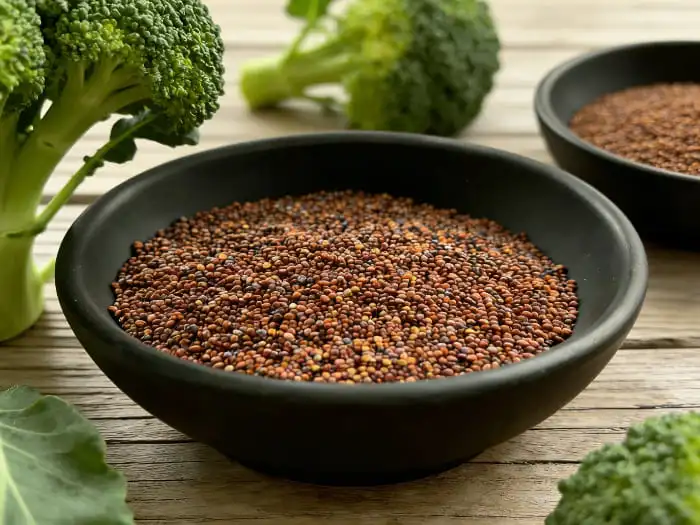
This high-quality broccoli seed extract is based on its high concentration of glucosinolates, especially glucoraphanin, which is a safe precursor to sulforaphane. When glucoraphanin is introduced to the enzyme myrosinase, which can be naturally present in the extract or added during formulation, it breaks down into sulforaphane, a powerful isothiocyanate compound that starts the Nrf2 pathway for cell detoxification.
Key Differences Between Extract Forms
There are clear benefits to using seed extracts instead of sprouts or grown plants. Broccoli sprouts have active sulforaphane in them, but this compound breaks down quickly in heat, light, and changes in pH, which makes it hard for producers to make new products. This problem with stability is fixed by seed extracts, which provide the glucoraphanin precursor. This precursor is chemically stable until certain enzyme conditions cause it to change.
The oil-based products from broccoli seeds are mostly about the fatty acid profiles and don't have enough concentrated glucosinolates for medical use. Standardized powder extracts that are high in glucoraphanin give professional manufacturers the best mix of stability, bioactivity, and formulation flexibility.
Scientific Foundation of Sulforaphane Benefits
The study shows that sulforaphane works as a secondary antioxidant by increasing Phase II detoxification enzymes instead of directly removing free radicals. This mechanism protects cells over time and has been studied a lot for its potential to avoid cancer, protect neurons, and reduce inflammation. Because the compound can cross the blood-brain barrier, it is very useful for products that support cognitive health.
How to Evaluate Broccoli Seed Extract Quality with Highest Sulforaphane Content?
The first step in judging quality is to figure out how glucoraphanin quantity affects the amount of sulforaphane that might be produced. The specs for broccoli seed extract should make it clear what amount of glucoraphanin is present and what the theoretical sulforaphane conversion rate would be in ideal conditions.
Critical Quality Metrics for Procurement
HPLC analysis is still the best way to check the amount of glucoraphanin in a product, and reliable providers give certificates of analysis for every batch. Powder stays stable when it has less than 5% moisture, but the way the particles are sized affects how well it flows through automatic filling equipment. Heavy metal tests, especially for lead, cadmium, mercury, and arsenic, should show that amounts are well below FDA and EU limits.
Microbiological factors need to be closely watched, and tests for yeast, mold, pathogens, and total plate counts must meet pharmaceutical-grade standards. For top grades, the total aerobic microbial count should not be more than 1,000 CFU/g, and E. coli and Salmonella must not be present.
Certification Requirements for Global Markets
Certifications like ISO 22000 and FSSC 22000 make sure that management methods for food safety meet international standards. GMP compliance shows that the production process is being done correctly, and organic certifications (USDA Organic, EU Organic) show that the materials used are not genetically modified and that the processing is done without using solvents.
Kosher and Halal approvals make markets more accessible, which is especially important for companies that make dietary supplements for a wide range of customers. For these certifications to stay valid, ingredient purchasing and processing methods must be audited and documented on a regular basis.
Comparing Broccoli Seed Extract with Alternatives for Strategic Sourcing
When looking at different plant-based options for activating the Nrf2 pathway, broccoli seed extract has more glucosinolates than other cruciferous veggies. Extracts from kale, Brussels sprouts, and cabbage all have similar chemicals, but they are much less concentrated, so you have to take a lot more of them to get the same bioactivity.
Sulforaphane Content Analysis Across Sources
Although broccoli sprout extracts provide instant access to sulforaphane, they have stability issues that make them unsuitable for goods that need to last a long time. Green tea extracts have different antioxidant effects because they contain catechins, but they don't have the specific detoxification pathway activity that sulforaphane precursors do.
Curcumin-containing turmeric extracts and sulforaphane precursors work together to reduce inflammation because they both trigger similar pathways. Because these two actions work together, formulators can make antioxidant blends that work better than single-ingredient methods.
Form Selection for Manufacturing Applications
Powder extracts give you the most options for how to make your formulas because they can be used for pill filling, tablet compression, and mixing drinks. Liquid extracts might make drugs more bioavailable in some delivery methods, but they need extra steps to keep them stable and are hard to store.
Concerns about masking tastes can be addressed by microencapsulated powders, which also protect active chemicals during processing. This technology is especially useful for functional food uses where the naturally sulfurous nature of cruciferous products might make people not want to eat them.
Procurement Strategies for Broccoli Seed Extract with High Sulforaphane Content
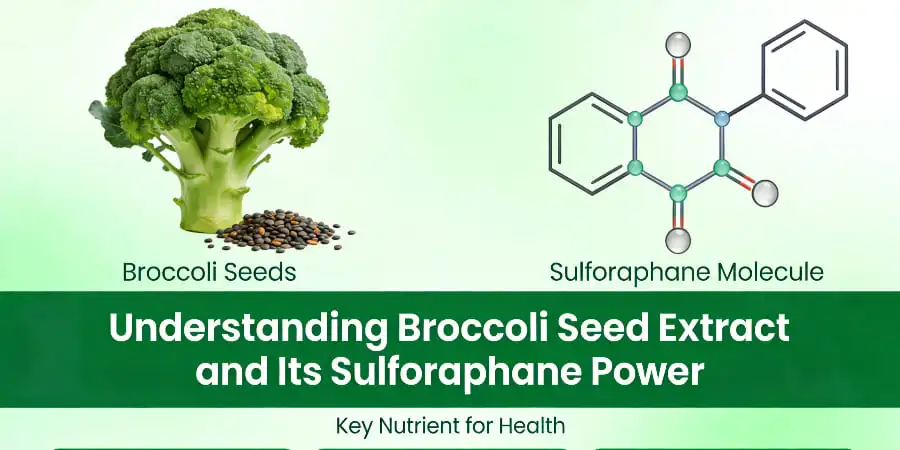
To source non-GMO broccoli seeds successfully, you need to know the world supply chain and the processing skills needed to keep the glucosinolate integrity. To keep bioactive compounds safe during production, big companies spend money on low-temperature extraction methods and controlled atmosphere storage.
Supplier Evaluation Criteria
Technical skills should include analytical tests done in-house, documentation of batch-to-batch consistency, and the ability to standardize in any way needed. To really help with product development, glucoraphanin powder suppliers need to show that they know a lot about glucosinolate chemistry and myrosinase enzyme systems.
Production capacity and inventory management skills make sure that commercial-scale businesses can always get what they need. Suppliers with flexible minimum order amounts help with the development stages of a product, while those with a lot of stock make it easy to quickly scale up for successful launches.
Cost Optimization Strategies
Organic certification usually adds 20 to 30 percent to the base price, but it helps with marketing for premium placement. Because seed sourcing is seasonal, making a volume promise can help you get better pricing and better access to seeds during times of high demand.
Long-term supply deals should include rules about quality, ways to change prices, and what to do if something unexpected happens. These contracts protect both sides and make sure that established product lines always have enough supplies.
Practical Applications and Benefits for Industrial Use
Premium seed extracts have a high concentration of glucoraphanin, which makes them useful in many different businesses. The extract is used as the base for cellular defense formulations in nutraceuticals that fight oxidative stress and inflammatory reactions.
Cosmeceutical Applications
Sulforaphane can increase protection enzymes in dermal cells, which is used in anti-aging skin care products. The compound's ability to fight pollution makes it useful for skin care products for cities that promise to protect the environment. Because emulsion systems are stable, they can be added to creams, serums, and balms without losing their effectiveness.
Antioxidant processes are used in hair care products to protect follicles and keep the scalp healthy. Because the extract works well with other plant actives, it can be used in complete formulas that treat many hair and scalp health issues.
Functional Food Integration
When adding broccoli seed extract to protein powders and superfood mixes, it's important to pay close attention to how the flavors blend and how the nutrients work together. If you're worried about the taste, microencapsulation technology or natural flavor systems can help while keeping the bioactivity.
Processing methods that are water-soluble and improve dispersibility in liquid matrices are useful for beverage uses. Testing for pH stability makes sure that glucoraphanin stays stable in acidic mixtures like those found in functional drinks and health shots.
Dosage Guidelines and Formulation Considerations
Clinical study supports daily glucoraphanin intakes of 30 to 100 mg for general health purposes. Higher concentrations may be needed for therapeutic formulations. The possible rate of conversion to sulforaphane depends on how much myrosinase is present and how the person digests food.
Adding myrosinase enzymes or products like mustard seed powder that contain myrosinase can help the conversion process work better. On the other hand, adding vitamin C might help the conversion process by adjusting the pH and protecting the new sulforaphane with antioxidants.
Conclusion
The glucoraphanin powder with the most sulforaphane is an important ingredient for companies that want to use dependable, standardized plant-based ingredients that have been shown to be good for your health. Glucoraphanin precursors are more stable than direct sulforaphane supplementation, which solves basic formulation problems and ensures constant bioactivity. Focusing on standardization, certifications, and analytical verification during quality evaluation helps make smart sourcing choices that lead to successful product development in nutraceutical, cosmetic, and functional food markets.
FAQ
What is the optimal glucoraphanin content for dietary supplement applications?
Most clinical studies utilize glucoraphanin doses equivalent to 30-100mg daily, which translates to extract concentrations of 3-10% depending on serving size requirements. Higher concentrations allow for smaller capsule sizes and lower material costs, while 1-3% concentrations work well for functional food applications requiring larger serving sizes.
How does organic certification affect sulforaphane potency?
Organic certification ensures non-GMO seed sources and prohibits synthetic solvents during extraction, but does not directly impact glucoraphanin content. However, organic processing requirements often result in gentler extraction methods that better preserve enzyme activity and overall bioactive compound integrity.
What testing methods verify sulforaphane precursor stability?
HPLC analysis with UV detection at 229nm provides accurate glucoraphanin quantification, while enzyme activity assays measure myrosinase functionality when present. Accelerated stability testing under controlled temperature and humidity conditions predicts shelf life performance in various storage scenarios.
Can broccoli seed extract be combined with other antioxidant compounds?
Glucoraphanin works synergistically with other antioxidants through complementary mechanisms. Combinations with vitamin C enhance sulforaphane formation, while curcumin and green tea catechins provide additional anti-inflammatory pathways. Compatibility testing ensures stable co-formulation without negative interactions.
What are the main formulation challenges with high-concentration extracts?
The natural sulfurous profile requires flavor masking in consumer products, while maintaining glucoraphanin stability during processing demands temperature control and pH management. Microencapsulation or enteric coating technologies address both challenges while preserving bioactivity through the manufacturing process.
Partner with Wellgreen for Premium Broccoli Seed Extract Solutions
Wellgreen Technology stands as your trusted broccoli seed extract supplier, delivering pharmaceutical-grade botanical ingredients with uncompromising quality standards. Our GMP-certified manufacturing facility produces standardized glucoraphanin extracts ranging from 0.5% to 10% concentration, backed by comprehensive analytical testing and global regulatory compliance including ISO, FSSC 22000, and organic certifications. We address critical industry challenges through advanced low-temperature extraction processes, myrosinase enzyme preservation, and stability optimization technologies that ensure maximum bioactivity in your finished products. Our technical team provides formulation support, custom specifications, and regulatory documentation to accelerate your product development timeline. Contact our experts at wgt@allwellcn.com to discuss your broccoli seed extract requirements and discover how our reliable supply chain, competitive pricing, and quality assurance programs can enhance your product portfolio.
References
Clarke, J.D., Dashwood, R.H., & Ho, E. (2008). Multi-targeted prevention of cancer by sulforaphane. Cancer Letters, 269(2), 291-304.
Fahey, J.W., Zhang, Y., & Talalay, P. (1997). Broccoli sprouts: An exceptionally rich source of inducers of enzymes that protect against chemical carcinogens. Proceedings of the National Academy of Sciences, 94(19), 10367-10372.
Kensler, T.W., Egner, P.A., Agyeman, A.S., Visvanathan, K., Groopman, J.D., Chen, J.G., ... & Talalay, P. (2013). Keap1-Nrf2 signaling: A target for cancer prevention by sulforaphane. Topics in Current Chemistry, 329, 163-177.
Matusheski, N.V., Juvik, J.A., & Jeffery, E.H. (2004). Heating decreases epithiospecifier protein activity and increases sulforaphane formation in broccoli. Phytochemistry, 65(9), 1273-1281.
Morimitsu, Y., Nakagawa, Y., Hayashi, K., Fujii, H., Kumagai, T., Nakamura, Y., ... & Uchida, K. (2002). A sulforaphane analogue that potently activates the Nrf2-dependent detoxification pathway. Journal of Biological Chemistry, 277(5), 3456-3463.
Yanaka, A., Fahey, J.W., Fukumoto, A., Nakayama, M., Inoue, S., Zhang, S., ... & Yamamoto, M. (2009). Dietary sulforaphane-rich broccoli sprouts reduce colonization and attenuate gastritis in Helicobacter pylori-infected mice and humans. Cancer Prevention Research, 2(4), 353-360.