Brown Seaweed Extract Powder: A Natural Source of Fucoidan
2026-07-02 13:59:03
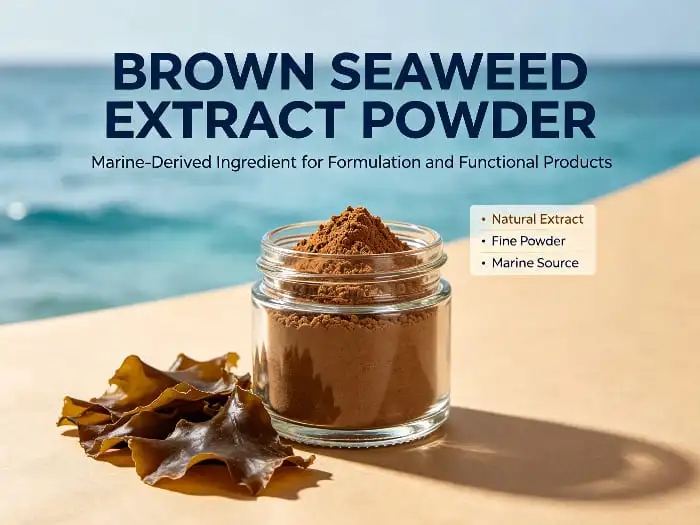
Brown seaweed extract powder comes from marine brown algae like wakame, kombu, and kelp. It is a rich natural source of fucoidan, alginates, fucoxanthin, and minerals that your body needs. This food comes from the sea and is very popular in functional nutrition markets around the world because it helps the immune system, reduces inflammation, protects cells from damage, improves gut health, and controls metabolism. As immunity and anti-aging products continue to become popular, marine superfoods are becoming more and more important to sourcing workers in the nutraceutical, pharmaceutical, and functional food industries. They are using this valuable ocean plant ingredient more and more in recipe development.
What Is Brown Seaweed Extract Powder and Its Core Benefits?
Marine brown algae have been fished for hundreds of years along the coasts of Asia, but Western science has only recently started to prove that these plants contain beneficial chemicals. Looking at both the plants that this extract comes from and its molecular make-up is necessary to figure out what makes brown seaweed extract powder useful.
Botanical Origins and Active Components
The main sources of the extract are Phaeophyceae species, such as Laminaria japonica, Fucus vesiculosus, and Undaria pinnatifida. The best places for these coastal plants to grow are in cold water with currents that carry nutrients. Manufacturers use special methods to get rid of the extra sodium and heavy metals that naturally build up in ocean plants while also concentrating beneficial polysaccharides.
Fucoidan is the main bioactive ingredient. It is made up of sulfated polysaccharides whose molecular weights vary from 20,000 to over 200,000 Daltons, based on how they were extracted. Some other parts are alginates, which help with the viscosity, fucoxanthin, which is an antioxidant, and minor minerals such as iron, magnesium, and calcium. The health benefits of the extract come from the way these chemicals work together to make it stronger.
Core Benefits for Product Formulation
Fucoidan-rich products help the immune system work in more than one way, according to research. Studies show that this ingredient increases the activity of natural killer cells and macrophages, which makes it useful for immune defense formulas. The structure of the polysaccharide works with immune receptors, which could change inflammatory reactions without stopping the immune system from doing its job.
Anti-inflammatory qualities appear when pro-inflammatory hormones are stopped and oxidative stress markers are lowered. These processes are especially useful for joint health vitamins and cosmetics that fight aging. The antioxidant capacity, which is usually tested by ORAC levels between 2,000 and 4,000 μmol TE/g, helps fight free radicals that damage cells faster.
Alginate polysaccharides have prebiotic-like properties that can be used for gut health. These chemicals are hard to break down in the upper digestive system. They make it to the gut, where they help good bacteria grow. Formulation teams working on digestive health products like this dual benefit that supports the gut barrier and feeds the bacteria.
Support for metabolic processes is a new area of use. Fucoxanthin may affect lipid metabolism and thermogenesis, according to early study. However, claims must be carefully substantiated in order to follow the rules set by regulators. Marine ingredients are being used more and more in beauty-from-within products because they help the skin make collagen and keep it moist.
How to Use Brown Seaweed Extract Powder Effectively?
To successfully integrate brown seaweed extract powder, you need to know how to meet the needs of different business sectors' unique applications. Each group has its own formulation problems and legal issues that affect the choice of ingredients and how they are used.
Nutraceutical and Supplement Applications
Each capsule or pill usually has 100 to 500 mg of standardized extract in it, and the amount of fucoidan in it can be anywhere from 10 to 85%, based on the therapeutic goals. Versions that dissolve in water help make powdered drink mixes and ready-to-drink drinks more bioavailable. The natural umami taste profile should be taken into account by formulators, who may need to use hiding agents in some cases.
Combination recipes that mix marine ingredients with vitamin C, zinc, elderberry, or medicinal mushrooms make immune support items that work better together. Because seaweed powders absorb water, they need to be properly sealed or delivered in special containers with moisture barriers to stay stable over time. In order to meet label claim requirements, standard inclusion rates strike a mix between how well they work and how much they cost.
Functional Food and Beverage Integration
Clean-label trends prefer marine products as natural, easy-to-recognize parts. Ocean plants are being used more and more in energy bars, protein blends, and health drinks to make them stand out. Different types of extraction have very different solubility properties. Water-soluble forms mix easily into drinks, while standard powders might need emulsification technology.
During the creation process, flavor match testing is very important. The natural oceanic taste goes well with lemon, berry, green tea, but it might not work well with vanilla or dairy flavors. Kelp powder has been used for centuries in Asian cooking to add umami flavor to soups, broths, and salty snacks without having to change the recipe much.
Cosmetic and Personal Care Uses
Marine ingredients are valued by skincare scientists for their ability to form films and keep moisture in the skin. In serums, creams, and masks, the usual absorption rates are between 0.5% and 5%. The polysaccharide content makes the skin feel better and delivers active compounds that help the skin fix itself and lessen the obvious signs of photoaging.
Fucoidan is mixed with hyaluronic acid, peptides, or vitamin derivatives in anti-aging products to make the skin look and feel younger. Because it reduces inflammation, the extract can be used in goods for sensitive skin and to help the body heal after surgery. Minerals and strengthening qualities are used in hair care products to keep the skin healthy and hair strong.
Comparison and Selection: How to Choose the Best Brown Seaweed Extract Powder
To judge quality, you have to look at a lot of different factors in a planned way. When buying brown seaweed extract powder, deciding to save money at first can lead to problems with recipe, batch inconsistencies, or legal issues that end up costing more in the long run.
Fucoidan Standardization and Purity Metrics
The most important thing to make sure that batches are all the same is that the fucoidan amount is standardized. HPLC test results from reputable sources support polysaccharide profiles and molecular weight distributions. If a product says it has "high fucoidan content" but doesn't give a particular number, it may have variable active levels that make it less effective than claimed.
Controlling contaminants is part of what it means to be pure, along with active chemical concentration. Marine-sourced products naturally pick up heavy metals from the ocean, so they have to go through strict testing procedures. Suppliers who are responsible show that the amounts of arsenic, lead, cadmium, and mercury meet or go beyond EU and US food-grade guidelines on certificates of analysis. Because regulations change from market to market, inorganic arsenic testing is especially important.
Organic versus Conventional Sourcing
Premium vitamin brands and clean beauty lines that focus on sustainable sources like organic certification. To be certified organic, seaweed must be collected from clean seas and be able to be tracked back to the areas where it was grown. The licensing process makes sure that there are no illegal chemicals and that environmental protection standards are being followed. This leads to higher prices, which are necessary for brand positioning.
Conventional extracts from reliable sources often meet the same purity standards and cost less. This makes them a good choice for mass-market uses where organic claims don't give a big benefit. The choice is based on the type of customers the store wants to reach and the needs of the retail channel, not on any differences in safety, since both options come from certified centers.
Comparative Analysis Against Alternative Marine Ingredients
Kelp powder and spirulina are both high in nutrients, but they don't have as much fucoidan as specialty brown seaweed extract powder products. Different types of green seaweed have different polysaccharide structures that have different biological effects. Red algae contain substances called carrageenan and agar that have different uses. If you know these differences, you won't make recipe mistakes where changing an ingredient takes away from the benefits of the product that was meant to be there.
The separation method has a big effect on the quality of the results. Bioactive integrity is better preserved by enzyme extraction than by hard chemical means, but the cost of production goes up as a result. When you use cold water for extraction, temperature-sensitive chemicals stay intact, but when you use hot water, some parts may break down. The methods for extraction should be included in the procurement specs to make sure they are in line with the label claims and recipe requirements.
Procuring Brown Seaweed Extract Powder: Best Practices for Global B2B Clients
Strategic buying of brown seaweed extract powder sets the stage for great product launches and a long-term presence in the market. Because foreign ingredient supply lines are so complicated, relationship management and thorough supplier evaluation procedures are needed.
Certification and Compliance Verification
ISO 22000 and GMP licenses show that quality management is being done in a planned way, but having the certificates is not enough to guarantee quality. Reviewing real batch records, watching how things are done on the production floor, and checking the testing lab's skills are all important parts of an effective audit. Credibility is increased by third-party approvals from NSF, Informed Choice, or similar groups, especially for sports nutrition uses that need to ensure contamination-free claims.
Regional rules and regulations are very different. EU Novel Food laws, US GRAS status decisions, and trade limits in each country mean that suppliers need to know how to properly prepare paperwork. Suppliers who have worked with international trade before can give you the certificates of origin, phytosanitary papers, and customs classification advice you need to speed up operations and avoid costly shipment delays.
Supply Chain Resilience and Risk Management
Marine ingredient supply lines face special problems, like changes in gathering times, problems with the environment, and political issues that affect certain farming areas. Diversified buying methods make it less likely that a single source will fail. Building relationships with providers and keeping inventory in multiple storage places guarantees continuity even when demand spikes or production stops happen without warning.
Quality standards, clear acceptance criteria, and ways to settle disagreements should all be included in contracts. Negotiations are needed to find the best minimum order amounts, payment terms, and shipping times while keeping an eye on cash flow and taking advantage of volume discount opportunities. Long-term supply deals lock in good prices and make sure that ingredients will be available for production runs that are planned.
Bulk Purchasing Strategies and Packaging Considerations
Committing to buy in bulk can save you a lot of money, but it needs to work with how fast you sell your goods and how much space you have. Marine powders that are sensitive to moisture need to be stored in climate-controlled areas and properly packaged to keep them from going bad. Multilayer foil bags with nitrogen washing make food last longer on the shelf, and big cases help companies that make a lot of food save money per unit.
Sampling procedures let you try formulations before you make big purchases. Reliable providers don't make special display materials, they give out samples that are similar to the production batch. When you ask for samples from more than one batch, you can see the normal levels of difference. This helps you set the right specification windows that balance quality control with what you can actually make.
Future Trends and Market Insights for Brown Seaweed Extract Powder
As customer knowledge of marine superfoods grows outside of traditional Asian markets and into popular Western channels, the brown seaweed extract powder market continues to change. By keeping up with new trends, you can make products that are designed to predict market changes instead of reacting to them.
Innovation in Extraction Technology
New ways of extracting compounds improve their solubility and focus certain types of compounds. Ultrasonic-assisted extraction, enzyme-assisted processing, and supercritical fluid methods are cutting edge technologies that are improving yields while lowering environmental effect. Because of these new technologies, suppliers can now offer customized grades with better performance qualities for specific health uses.
Using microencapsulation technology to hide tastes and improve stability are two problems that have been around for a long time. Fucoidan granules that are protected can survive being exposed to stomach acid, which helps get active chemicals to places in the gut where they can be absorbed better. These kinds of technological improvements allow higher prices for uses where better performance creates measurable economic benefits.
Sustainability and Traceability Imperatives
Brands pledge to sustainable sourcing methods because their customers care about the environment. Instead of gathering food from the wild, crops are grown, which provides a steady supply while putting less stress on natural environments. Blockchain-based tracking systems keep track of where products come from, from the coordinates of the harvest to the delivery of the finished product. This meets the needs of customers who are becoming more demanding of openness.
Responsible providers show they care about the environment by using sustainable harvesting methods, doing ecosystem effect studies, and working with communities through relationship programs. These things affect buying choices for brands whose stories about sustainability are important parts of their identity. Protecting water health is becoming more important, which is good for both business and natural conservation.
Market Expansion and Application Diversification
As science study backs up old uses, adoption rates are rising quickly in North America and Europe. In the past few years, there have been a lot more functional drinks with marine plants in them. These drinks are marketed to health-conscious customers as being good for immunity and metabolism. As pet owners look for high-quality natural ingredients, new business possibilities are opening up in the pet supplement areas.
As regulations change, they tend to become more open to well-studied marine ingredients. As more clinical data comes in to back certain health claims, regulatory pathways become clearer, which lowers the risks of going to market. Being involved in the changes that happen with regulations lets you time the start of your products so that you can take advantage of policy settings that are good.
Conclusion
To find the best sources for marine algae products, you have to think about a lot of things, like making sure that fucoidan levels are consistent, keeping heavy metals under control, making sure that suppliers are certified, and using sustainable harvesting methods. The ingredient is useful for many different types of products because it can be used to support the immune system, improve gut health, reduce inflammation, and improve beauty. This is because more and more people are interested in beneficial ingredients that come from the ocean. Procurement pros who take the time to carefully evaluate suppliers, check their quality, and build long-lasting relationships set their companies up for success in growing the markets for marine superfoods. By knowing the technical details, rules, and market trends, you can make smart choices that improve both the performance and the profitability of your product.
FAQ
What distinguishes brown seaweed extract from regular kelp powder?
Concentration and uniformity are what make the difference. Regular kelp powder is made from whole, dried seaweed that has been ground into a powder. It has all of its natural parts, like fiber, minerals, and water. Some beneficial chemicals, especially fucoidan polysaccharides, are concentrated in brown seaweed extract powder by processing it. The fucoidan amounts in extract goods range from 10% to 85%, which allows for precise formulation control. Fucoidan makes up less than 5% of kelp powder by weight. Extracts get rid of extra sodium and keep heavy metal levels under tighter control than whole plant powders. Extracts are best for uses that need specific bioactivity levels or clean-label concentrated ingredients. Whole kelp powders, on the other hand, may be a better choice for general nutritional supplementation.
How can procurement teams verify extract quality and safety?
For full proof, you need to look over a lot of different types of documents. Certificates of Analysis should have HPLC chromatograms that show the amount of fucoidan and the molecular weight profiles. Heavy metal test results must show that the amounts of arsenic (especially inorganic arsenic), lead, cadmium, and mercury are within the limits set by the government. Microbiology studies make sure that there are no pathogens and that the total plate numbers are good. Testing by a third party, such as an independent lab, gives you more confidence than the supplier's own testing. Facility standards like GMP, ISO 22000, and organic badges show that quality management is done in a planned way. Levels of uniformity can be found by asking for samples from more than one production batch. Established providers keep clear lines of communication about where their products come from, how they are extracted, and how they are tested. This shows that they are committed to quality partnerships rather than business relationships.
Partner with Wellgreen for Premium Brown Seaweed Extract Powder Supplier Solutions
As a specialized producer of brown seaweed extract powder for the pharmaceutical, nutraceutical, and functional food businesses around the world, Wellgreen Technology upholds strict quality standards. Our GMP-certified factory makes fucoidan extracts that are regulated, have been tested for quality, and meet EU and US food-grade standards. With every batch, we send full testing records, such as HPLC analysis, heavy metal screening, and microbiology reports. This makes sure that sourcing teams get reliable, legal ingredients that they can trust when they're making recipes.
Our expert team helps with OEM and ODM development projects by making fucoidan concentrations, water-soluble formats, and mixes that are exactly what the application needs. We provide the reliable supply chain performance that production plans require by keeping a large inventory and running efficient transportation networks. Email our team at wgt@allwellcn.com to get technical specs, have samples evaluated, or talk about your needs for marine ingredient sources with dedicated experts who want your project to succeed.
References
Fitton, J.H., Stringer, D.N., and Karpiniec, S.S. "Therapies from Fucoidan: An Update" Marine Drugs Volume 13, 2015, Pages 5920-5946.
Ale, M.T., Maruyama, H., Tamauchi, H., Mikkelsen, J.D., and Meyer, A.S. "Fucoidan from Sargassum sp. and Fucus vesiculosus Reduces Cell Viability of Lung Carcinoma and Melanoma Cells" Phytotherapy Research Volume 25, 2011, Pages 1683-1689.
Vishchuk, O.S., Ermakova, S.P., and Zvyagintseva, T.N. "Sulfated Polysaccharides from Brown Seaweeds Saccharina japonica and Undaria pinnatifida: Isolation, Structural Characteristics, and Antitumor Activity" Carbohydrate Research Volume 346, 2011, Pages 2769-2776.
Catarino, M.D., Silva, A.M.S., and Cardoso, S.M. "Phycochemical Constituents and Biological Activities of Fucus spp." Marine Drugs Volume 16, 2018, Article 249.
Ermakova, S., Sokolova, R., Kim, S.M., Um, B.H., Isakov, V., and Zvyagintseva, T. "Fucoidans from Brown Seaweeds Sargassum horneri, Eclonia cava, Costaria costata: Structural Characteristics and Anticancer Activity" Applied Biochemistry and Biotechnology Volume 164, 2011, Pages 841-850.
Zargarzadeh, M., Amaral, A.J.R., Custódio, C.A., and Mano, J.F. "Biomedical Applications of Laminarin" Carbohydrate Polymers Volume 232, 2020, Article 115774.