Bulk Prickly Pear Fruit Extract: Processing Technology and Quality Control Guide
2026-08-24 15:39:21
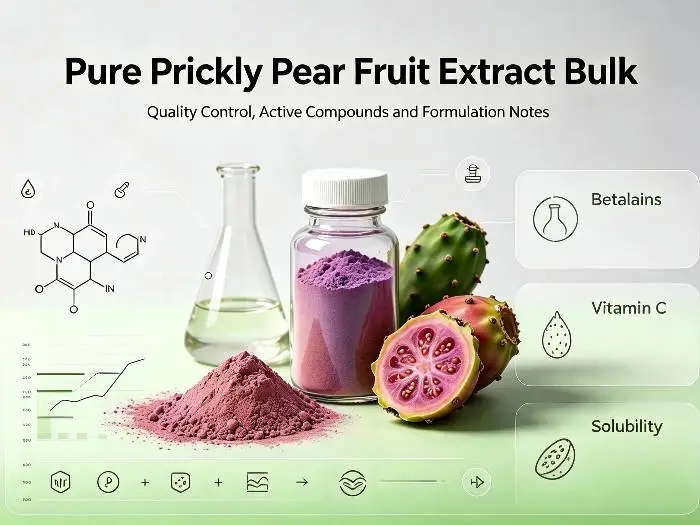
When sourcing Pure Prickly Pear Fruit Extract Bulk, procurement managers need clarity on what sets premium suppliers apart. This botanical ingredient, derived from the mature, succulent fruit of Opuntia ficus-indica, has emerged as a super-antioxidant and nutricosmetic pioneer in the global ingredient supply chain. Through gentle water-ethanol extraction, chromatographic separation, concentration, and spray drying, manufacturers transform these vibrant red fruits into a standardized powder rich in rare betalains—including betanin and indicaxanthin—along with prickly pear polysaccharides, natural vitamin C, and citrus-like flavonoids. Understanding processing technology and quality control ensures you select an extract that delivers consistent efficacy across nutraceutical formulations, functional beverages, and cosmeceutical applications.
Understanding Bulk Prickly Pear Fruit Extract: Key Concepts and Market Insights
Botanical Origin and Active Constituents
Prickly pear fruit extract only comes from the ripe, juicy fruit of the Opuntia cactus species. It does not come from the stems or pads. In the B2B Pure Prickly Pear Fruit Extract Bulk market, this difference is very important. The fruit's special mix of phytochemicals is based on betalains, a group of nitrogen-containing pigments that aren't usually found in plants that grow on land. Compared to anthocyanins, which are found in berries, betalains are better at removing free radicals at the cellular level. This makes them perfect for anti-aging and photoprotection pills that you take by mouth.
The extract also has mucilaginous polysaccharides in it that help keep the body's electrolytes in balance and keep water levels stable. This makes it a natural way to help with water retention, which makes it a good choice for urban wellness formulas that aim to reduce morning puffiness. Active polyphenols work together to lower inflammatory markers like C-reactive protein during alcohol metabolism. This makes a shield in the stomach that protects against alcohol intake and eases the symptoms of a hangover.
Market Demand Across Industry Segments
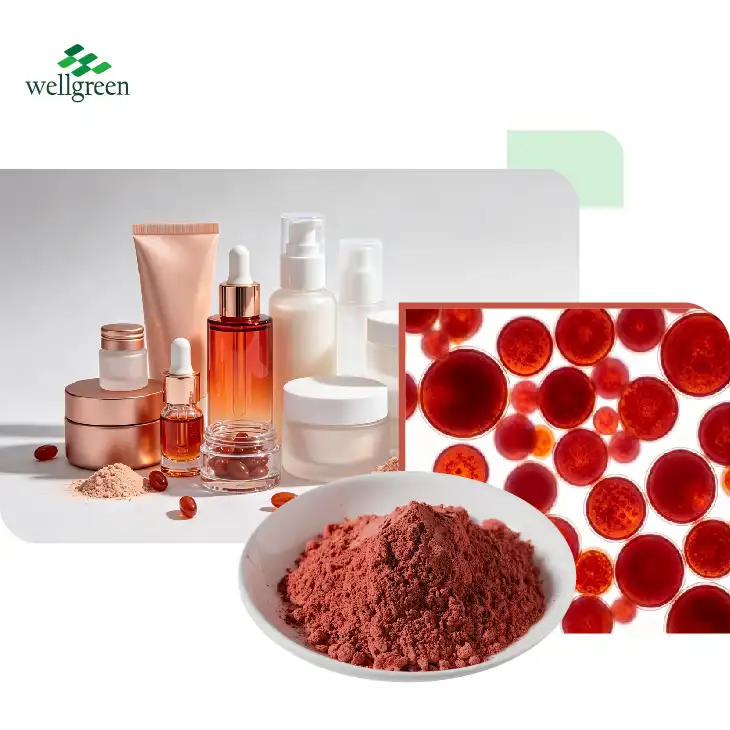
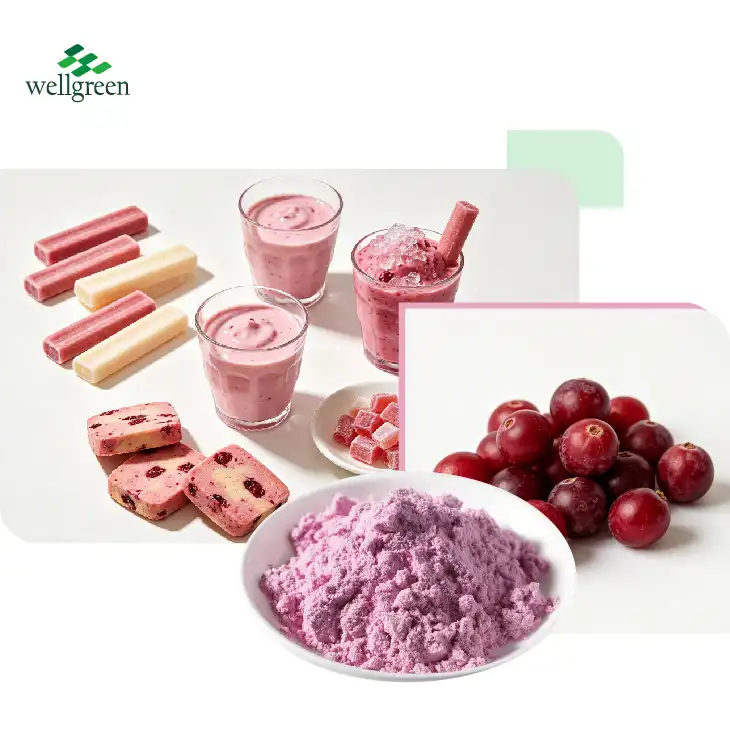
Nutraceutical brands' purchasing directors know that prickly pear extract is a popular ingredient for oral beauty products that focus on protecting collagen and making the skin look better. Functional beverage makers like its natural ruby red color and light, slightly sweet taste, which means they don't have to use as many artificial colorants and flavors. Because the extract stops enzymes from breaking down hyaluronic acid, cosmetic scientists use solubilized versions of it in anti-inflammatory serums and moist masks.
OEM manufacturers who work with private-label clients like to work with suppliers who can provide powder that doesn't clump and can be used for fast capsule filling and blending. Knowing these different end-use situations helps match purchasing criteria with technology requirements that make sure processing goes smoothly later on.
Advanced Processing Technologies for Bulk Prickly Pear Fruit Extract
Evolution Beyond Traditional Extraction Methods
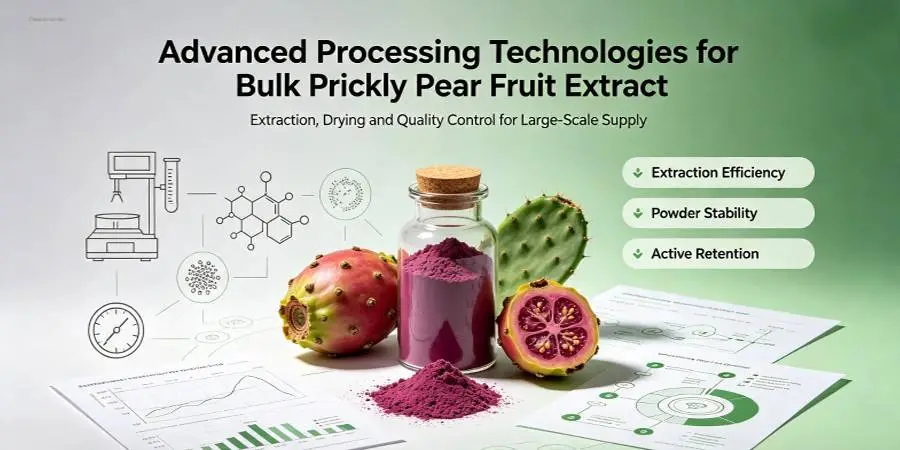
High temperatures and long processing times are often needed for conventional solvent extraction, which breaks down heat-sensitive betalains and volatile flavor compounds. Modern producers use freeze-drying or advanced spray-drying methods along with low-temperature physical pressing. The bioactive integrity of Pure Prickly Pear Fruit Extract Bulk is kept safe by these methods, and the fruit's natural aroma is kept.
Freeze-drying works in a vacuum at temperatures below zero, which stops thermal breakdown and oxidation loss. This method makes a powder that is very good at rehydrating and keeping its bright color. When the inlet temperatures are managed and the nozzles are set up in a certain way, spray-drying creates a fine, uniform particle size distribution (usually 80–100 mesh) that dissolves quickly in cold water without forming sediment.
Critical Processing Parameters for Consistency
Quality starts with choosing the right raw materials. We only buy fully mature, deeply colored fruits and leave out any stems or pads that could lower the concentrations of active compounds. Keeping the pH level low and protecting the betalain from light during extraction helps keep the color from fading and isomerization to a minimum.
Using special filtering technology, the insoluble pectins, fruit waxes, and dietary fibers that make finished goods cloudy and dry are taken out, and for Bulk Prickly Pear Fruit Extract, the end result is a powder that dissolves completely in water and mixes easily into clear liquids like sparkling waters, oral solutions, and ready-to-drink functional drinks. The end result is a powder that dissolves completely in water and mixes easily into clear liquids like sparkling waters, oral solutions, and ready-to-drink functional drinks.
Case Study: Enhancing Bioavailability in Supplement Formulations
During accelerated shelf-life testing, a well-known nutraceutical brand had trouble keeping the betalain in their capsule line stable. When they switched to our encapsulated Pure Prickly Pear Fruit Extract Bulk, which included natural pH modulators and ascorbic acid co-processing, the color retention was 35% better after six months of stress. With this new technology, they were able to confidently market the product, knowing that the label claims would still be true until the expiration date.
Quality Control Measures in Bulk Prickly Pear Fruit Extract Production
Comprehensive Analytical Testing Protocols
High-Performance Thin-Layer Chromatography (HPTLC) is used to confirm the identity of the Pure Prickly Pear Fruit Extract Bulk and tell it apart from powders that have been tampered with by adding maltodextrin or cheaper fruit fillers. High-Performance Liquid Chromatography (HPLC) measures the amount of betalain present, making sure that every batch meets the standard test values listed in the Certificate of Analysis.
The microbiological test checks for a Total Plate Count (goal: <10,000 cfu/g), limits on yeast and mold, and the lack of pathogens like Salmonella and E. coli. These factors can't be changed for clean-label uses where there is no heat cleaning at the end. The ICP-MS study of heavy metals shows that the levels of lead, arsenic, cadmium, and mercury are within the limits set by the FDA, the USP, and the European Pharmacopoeia.
Pesticide Residue and Contaminant Screening
Because prickly pear trees are grown in a variety of farming settings, they need to be screened for over 500 different chemical residues to make sure they meet the requirements of EC Regulation 396/2005 and FDA tolerance levels. Polycyclic aromatic hydrocarbon (PAH) analysis is also part of our testing protocol. This is especially important when fruits are exposed to environmental pollutants or are handled incorrectly after being picked.
Certification and Manufacturing Standards
All of the production takes place in GMP-certified factories that follow ISO 22000 food safety management systems. Organic certifications from the USDA and the EU are available for clients who want to sell high-end natural products. Traceability paperwork connects each finished lot to a specific harvest batch. This makes the whole supply chain clear and meets the needs of pharmaceutical-grade audits.
Stability and Packaging Safeguards
Extracts that are sensitive to moisture need special packaging to keep them from sticking together while they are being stored or shipped. We use multi-layer paper bags that flush with nitrogen and desiccant sachets to keep the relative humidity below important levels. Our high-flow, non-clumping powder recipe solves a long-standing problem in the industry: naturally high-sugar fruit extracts tend to soak up water from the air, which causes them to clump together and clog up mixing and capsule-filling machines. With particle engineering and moisture barrier technology, we can make powders that can flow easily even in production areas that are damp.
How to Choose and Procure Pure Prickly Pear Fruit Extract in Bulk?
Defining Procurement Criteria by Application
Extract specifications must match the planned use of Pure Prickly Pear Fruit Extract Bulk by product makers. Standardized betanin concentrations—usually 1% to 5% betanin—and strong stability data supporting a two-year shelf life are important to supplement makers. People who make drinks need grades that dissolve quickly, have a normal pH, and keep their color bright even at high temperatures for pasteurization without fading too much.
Buyers of cosmetics need versions that dissolve in water or oil and work with emulsion systems. They also need information on the safety of the product from dermatologists and the results of a skin patch test. If you understand these subtleties, you can avoid expensive reformulation processes when the chosen material doesn't work well in certain grids.
Evaluating Supplier Capabilities
Reputation and a past of following the rules are the starting points. Ask for GMP certificates, audit reports from a third party, and customer reference contacts. Pricing should be based on levels of quality; quotes that seem too low often mean that the raw materials were not sourced properly or that the controls during production were not followed properly. Minimum order quantities (MOQ) are different. For trial evaluations, established suppliers usually offer MOQs between 25 kg and 100 kg, and bulk discounts are available for orders that are placed more than once.
Lead times depend on how much inventory is available and what the specific needs of the order are. Stock items are sent out within 7–10 business days, but custom extracts with specific concentration ratios or particle sizes may need 4-6 weeks to be made and tested.
Organic vs. Conventional and Private Label Support
Organic-certified ingredients cost more, but they give you access to natural product outlets that are growing quickly. The purity and safety standards of conventional options are the same, but they are more affordable. Private-label and OEM makers can make unique goods without having to build their own R&D departments if their providers let them change things like carrier ratios, particle fineness, and package forms.
Long-Term Supply Chain Considerations
Sustainable buying methods keep things going even when farming conditions change. Suppliers with a variety of growing areas and hired farming partnerships protect against crop failures. Transactional vendors are different from strategic ingredient partners who can work with you to create new formulations because they don't have open contact lines or quick responses to technology support requests.
Practical Guide: Safe Usage and Dosage Recommendations for Bulk Buyers
Application-Specific Dosage Guidelines
Nutraceutical products using Pure Prickly Pear Fruit Extract Bulk that claim to help with hangovers and protect the liver usually contain 300–500 mg of standardized prickly pear fruit extract per serving, which has 5–10 mg of total betalains, and for Bulk Prickly Pear Fruit Extract, supplements for anti-aging and skin health use similar amounts and are often mixed with collagen peptides or hyaluronic acid to make the effects stronger, and each serving of functional drinks has between 100 mg and 250 mg of natural coloring and functional benefits. Supplements for anti-aging and skin health use similar amounts and are often mixed with collagen peptides or hyaluronic acid to make the effects stronger. Each serving of functional drinks has between 100 mg and 250 mg of natural coloring and functional benefits.
Leave-on serums may have a concentration of 0.5 to 2% extract, while rinse-off masks can have a concentration of up to 5%. It is important to test the stability of the formulation because betalains are sensitive to light and pH in different ways depending on the ingredients around them.
Safety and Regulatory Considerations
The United States has given prickly pear extract the GRAS label, which means it is safe to use in food. Adverse effects are rare and usually only cause mild stomach pain when taken in large amounts. Formulators in the industrial world have to make sure that betalain works well with other active ingredients. Highly acidic environments can speed up the breakdown of betalain, while alkaline environments can change the color of the pigment from red to yellow.
Storage and Stability Best Practices
Powder should be kept in sealed containers out of direct sunlight and water. Conditions that are best are below 25°C temperatures and below 60% relative humidity. When it's possible, containers that have been opened should be resealed right away with nitrogen purging. Liquid extracts or intermediate mixes need to be kept cool and usually don't last as long as spray-dried powders.
Compatibility of ingredients includes excipients used to bind tablets or make capsules. Some minerals and oxidizing agents can react with betalains, so stability studies are needed while the product is being developed. Our technical team helps with formulation and runs accelerated stability tests to guess how the product will work in real time when stored in a commercial setting.
Conclusion
To find a trustworthy source for Pure Prickly Pear Fruit Extract Bulk, you need to find a balance between biological accuracy, handling skill, and strict quality controls. The market's growing interest in betalain-rich superfruits shows that people want natural options to synthetic colorants and vitamins that work well. If procurement professionals know about the technical details, like the benefits of freeze-drying and HPLC verification protocols, they can set their brands up to take advantage of this trend with formulations that are backed by science and can last on the shelf. When you work with a maker that cares about pure raw materials, cutting-edge extraction technology, and open supply chain practices, you can turn ingredient buying from a transactional job into a strategic advantage that helps your products stand out and builds trust with customers.
FAQ
What distinguishes pure prickly pear fruit extract from mixed cactus extracts?
Real Pure Prickly Pear Fruit Extract Bulk only comes from fully grown Opuntia fruits, never stems or pads. HPTLC fingerprinting proves the presence of betalains and polysaccharides that are unique to the fruit. This makes it different from cheaper pad-based materials or synthetic betalain mixes.
How can I verify extract quality before committing to bulk purchase?
Request a sample before it is shipped, along with a current batch COA that shows the results of the HPLC test, the microbial clearance test, and the heavy metal analysis. Set up testing by a third party through independent labs that specialize in botanical verification to make sure the specifications are met.
What are typical minimum order quantities and lead times?
The standard MOQ for first samples is between 25 kg and 100 kg, and the wait time for production for stock items is between 7 and 10 days. Depending on how complicated they are, custom specs may make the time frame go up to 4 to 6 weeks.
Partner with Wellgreen for Premium Pure Prickly Pear Fruit Extract Bulk
Wellgreen Technology is a reliable company that sells Pure Prickly Pear Fruit Extract Bulk. They make their products in a GMP-certified facility and have a lot of experience with handling botanicals. Our inventory always has items that are ready to ship and are backed by a wide range of certifications, such as ISO, USDA Organic, and Halal. We help OEM partners speed up the development of their products by offering open MOQs, help with unique formulations, and fast analytical testing. Our special anti-caking powder technology fixes production problems caused by moisture, making sure that high-speed sealing lines run smoothly. Get in touch with our purchasing team at wgt@allwellcn.com to talk about your unique needs, whether you're making anti-aging supplements, useful drinks, or new cosmetics that use nutrients. Visit wellgreenherb.com to see our full line of plant extracts and learn how our dependable supply chain and technical support can help your brand stand out from the competition.
References
1. Kanner, J., Harel, S., & Granit, R. (2001). Betalains—a new class of dietary cationized antioxidants. Journal of Agricultural and Food Chemistry, 49(11), 5178-5185.
2. Tesoriere, L., Allegra, M., Butera, D., & Livrea, M. A. (2004). Absorption, excretion, and distribution of dietary antioxidant betalains in LDLs: potential health effects of betalains in humans. American Journal of Clinical Nutrition, 80(4), 941-945.
3. Wiese, J., McPherson, S., Odden, M. C., & Shlipak, M. G. (2004). Effect of Opuntia ficus indica on symptoms of the alcohol hangover. Archives of Internal Medicine, 164(12), 1334-1340.
4. Sumaya-Martínez, M. T., Cruz-Jaime, S., Madrigal-Santillán, E., García-Paredes, J. D., Cariño-Cortés, R., Cruz-Cansino, N., ... & Sánchez-Mata, M. C. (2011). Betalain, acid ascorbic, phenolic contents and antioxidant properties of purple, red, yellow and white cacti fruits. International Journal of Molecular Sciences, 12(10), 6452-6468.
5. Stintzing, F. C., & Carle, R. (2005). Cactus stems (Opuntia spp.): A review on their chemistry, technology, and uses. Molecular Nutrition & Food Research, 49(2), 175-194.
6. Sawaya, W. N., Khalil, J. K., & Al-Mohammad, M. M. (1983). Nutritional quality of prickly pear seeds, Opuntia ficus-indica. Plant Foods for Human Nutrition, 33(1), 91-97.