Can Green Tea Extract Powder Help with Weight Loss and Metabolic Health?
2026-06-15 14:26:02
Yes, green tea extract powder can help you lose weight and keep your metabolism healthy. This is because it contains a lot of bioactive substances, especially EGCG and polyphenols, which speed up thermogenesis, burn fat, and make insulin work better. Using special ways to get the ingredient from Camellia sinensis leaves, it has therapeutic effects much stronger than regular brewed tea. This makes it a useful part of functional foods, dietary supplements, and metabolic management products. When combined with lifestyle changes, clinical evidence shows measurable benefits. This makes it a scientifically-backed option for companies that want to sell to the wellness market.
Understanding Green Tea Extract Powder and Its Health Benefits
What Makes Green Tea Extract Powder Different from Regular Tea?
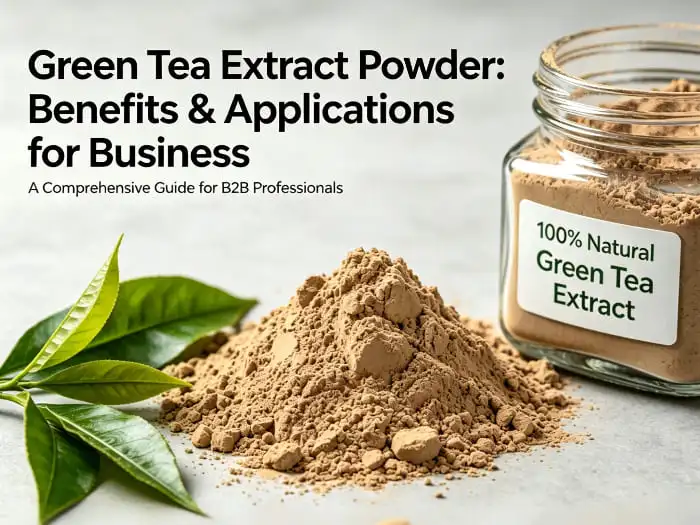
Green tea extract powder is made from the leaves of the Camellia sinensis plant and is a concentrated mixture of phytochemicals. Instead of the usual way of making tea, which results in varying amounts of nutrients, this standardised extract is extracted using either water or hydro-ethanol to separate out specific bioactive compounds. The process makes polyphenols—mostly Epigallocatechin Gallate (EGCG)—up to 50–100 times stronger than they are in dry leaves.
A lot of the time, buying managers ask us what the benefit of extracts is over raw botanical materials. The answer lies in three important factors: standardisation makes sure that all batches have the same amount of EGCG, concentration makes EGCG more bioavailable, and application versatility lets EGCG be used in a variety of delivery forms without changing the texture of the product.
Key Bioactive Compounds and Their Metabolic Functions
The healing properties of green tea extract powder come from a group of substances that work together to change metabolic pathways.
Catechins, especially EGCG, make up most of the active part of standardised extracts, usually between 50 and 80%. These polyphenolic compounds stop catechol-O-methyltransferase (COMT), the enzyme that breaks down norepinephrine. This makes the body's fat-burning messages last longer. L-theanine is an amino acid that is only found in tea plants. It lessens the effects of caffeine on your body while still making you focused and alert without giving you the jitters. The naturally occurring caffeine content—between 2% and 5% in standardised extracts—speeds up the metabolism, burning more calories and fat.
A study in the American Journal of Clinical Nutrition showed that groups that took EGCG and caffeine together burnt about 4% more energy over the course of 24 hours than groups that took a dummy. This means that you'll burn about 80 to 100 extra calories every day, which is a small but meaningful addition to long-term weight control plans.
Safety Profile and Quality Control Standards
When looking at any botanical ingredient for commercial use, safety issues must always come first. Green tea extracts are usually well tolerated at the recommended doses. However, people who are sensitive may experience higher liver enzyme levels if they consume more than 800 mg of EGCG every day. To keep heavy metals, pesticide residues, and microbial contamination under control, reputable manufacturers use strict testing methods.
Quality control starts with choosing the right raw materials. Organic farming methods that don't use manmade pesticides should be preferred. GMP-certified facilities use tested extraction methods, HPLC testing to confirm the active ingredient, and batch paperwork to make sure full traceability. People who work in procurement should give more weight to suppliers who offer full Certificates of Analysis, third-party testing confirmation, and compliance documentation that meets FDA, EU, and foreign regulatory standards.
Weight Loss and Metabolic Health: How Green Tea Extract Powder Works?
Thermogenesis and Fat Oxidation Mechanisms
Green tea extract powder has an effect on metabolism through a number of processes that work together. When EGCG stops the COMT enzyme from working, norepinephrine can stay active longer in the nervous system. This makes thermogenesis (the body's heat production process) go up. This long-lasting signalling makes lipolysis better, which breaks down stored triglycerides into free fatty acids that can be used for energy production.
A review of 15 clinical studies with a total of 1,945 participants found that people who drank caffeine and catechins lost an average of 1.31 kg over 12 weeks compared to people who were in the control group. More importantly, the waist diameter shrunk by an average of 1.93 cm, which shows that visceral adipose tissue—the metabolically harmful fat that surrounds organs—was lost more than other types of fat.
Insulin Sensitivity and Glucose Metabolism Enhancement
In addition to helping people lose weight, green tea extract powder has important benefits on metabolic health markers. EGCG turns on AMP-activated protein kinase (AMPK), a cell energy sensor that controls the burning of fats and sugars. This process makes cells more sensitive to insulin, which helps them respond better to insulin signals and keep blood sugar levels stable.
Clinic data from people with diabetes and people who are at risk of getting diabetes shows positive effects. Studies show that taking 250–500 mg of a standardised extract every day can lower fasting blood sugar by 5–7% and raise insulin sensitivity levels by about 15% over the course of 12 weeks. These changes in metabolism happen even when people aren't losing weight, which suggests that they have direct biological effects on the metabolism of cells.
Evidence-Based Dosage Guidelines for Product Formulation
Manufacturers of products for weight loss and metabolic health should know about dosage amounts that have been proven to work in clinical studies. Most studies agree that getting 250 to 500 mg of EGCG every day is a good amount. This is usually done by taking 400 to 800 mg of a standardised extract that has 50 to 70% polyphenols.
Timing issues are important. Taking daily doses in two portions—morning and early afternoon—enhances solubility and reduces the chance of stomach pain. Combining catechin supplements with modest exercise increases the benefits of fat burning. This is a relationship that should be emphasised in marketing materials and products for consumers.
Comparing Green Tea Extract Powder With Other Green Tea Products
Concentration and Standardization Advantages
When adding green tea to products, formulators have to make a basic choice: whole leaf tea, matcha powder, or concentrated extracts. Each format has unique properties that affect how the product is made and how well it works in the end.
Whole leaf green tea is traditionally important and well-known by consumers, but the amount of active compounds in it varies a lot. Batch-to-batch differences are caused by seasonal harvest changes, growing conditions, and processing ways, which makes standard formulation harder to do. Brewing needs also limit the kinds of things that can be used.
People who drink matcha powder instead of brewing tea get more catechins because they eat the whole leaf. However, matcha doesn't have the strength and consistency that extract powders do. A normal serving of matcha has about 70 mg of EGCG in it, but a capsule with 500 mg of standardised extract can give 300–350 mg of EGCG. This is a fivefold concentration advantage that makes therapeutic dosing possible in small delivery formats.
Application Versatility Across Product Categories
Because green tea extract powder is so concentrated, it can be used in a lot of different ways across many different industries. Functional beverage makers like water-soluble extract forms that mix well and don't leave behind any sediment. This keeps the flavours stable on the shelf and keeps the energy drinks and wellness drinks tasting great. These mixtures help naturally fight free radicals and make products work better by improving metabolism.
The biggest use case for extracts is in weight control products, where they work well with other plant-based chemicals like chromium picolinate, conjugated linoleic acid, or garcinia. Standardised potency makes it possible to make exact mixtures of multiple ingredients that target metabolic pathways that work together.
Extract powders are used by nutraceutical makers to make capsules, tablets, and gummies that are easy to take every day. Daily nutritional supplements use the antioxidant profile of green tea over a long period of time, making the products better for long-term health care rather than short-term health problems.
Organic Certification and Clean Label Trends
Ingredient sourcing goals are still being changed by consumers' demands for natural and clear ingredients. Organic green tea extract powder solves several problems at once for the market. Organic certifications from the USDA or the EU ensure that the plants will not be grown with synthetic pesticides or chemical fertilisers. This directly addresses the problems with pesticide residues that happen in conventional tea farming.
Clean label products focus on using ingredients that are easy to recognise and little processing. This way of thinking is better kept up by organic ethanol or water-based extraction methods than by synthetic liquid processes. Cosmetic makers like using organic materials in skincare products because they are gentle and effective, which helps the products stand out in high-end beauty markets.
Strategic Procurement Considerations for Green Tea Extract Powder
Supplier Evaluation and Quality Assurance Protocols
Securing reliable supply partnerships requires methodical supplier assessment beyond initial pricing discussions. Procurement managers should evaluate manufacturing capabilities, quality systems, and regulatory compliance comprehensively before committing to long-term agreements.
Manufacturing facility certifications provide foundational assurance. GMP certification demonstrates systematic quality management, while ISO certifications indicate internationally recognized quality standards. Site audits, when feasible, offer invaluable insights into actual production conditions, equipment maintenance, and personnel training protocols that documentation alone cannot convey.
Testing capabilities distinguish superior suppliers from commodity vendors. In-house laboratories equipped with HPLC, ICP-MS for heavy metals analysis, and microbiology facilities enable rapid batch verification without external bottlenecks. Suppliers should provide detailed Certificates of Analysis documenting polyphenol content, EGCG percentages, caffeine levels, moisture content, microbial counts, heavy metal levels, and pesticide screening results for every production batch.
Logistics and Supply Chain Stability Factors
Botanical ingredient markets experience seasonal variations affecting availability and pricing. Green tea harvests occur primarily in spring and early summer, with quality variations between first flush and later harvests. Understanding these agricultural cycles helps procurement teams anticipate supply constraints and negotiate favorable terms during abundant periods.
Minimum order quantities vary considerably across suppliers. Large-scale manufacturers may require multi-ton commitments, while specialized suppliers offer flexible MOQs accommodating smaller brands or product development phases. Balancing inventory carrying costs against volume-based pricing advantages requires careful financial modeling considering your production schedules and storage capabilities.
Packaging considerations affect ingredient stability during shipping and storage. Light-sensitive polyphenols degrade when exposed to UV radiation, necessitating opaque or amber containers. Moisture control prevents clumping and microbial growth, making sealed, nitrogen-flushed packaging preferable for long-term storage exceeding six months.
Regulatory Compliance Across International Markets
Navigating regulatory frameworks presents complexity for botanical ingredients marketed internationally. United States dietary supplement regulations under DSHEA require manufacturers to ensure safety and proper labeling, though pre-market approval is not mandatory. European Union regulations prove more stringent, with Novel Food considerations potentially affecting certain extract specifications or potency levels.
Import documentation requirements vary by destination country. Certificates of Analysis, Certificates of Origin, phytosanitary certificates, and organic certifications may all factor into customs clearance processes. Working with suppliers experienced in international trade streamlines these logistics, reducing delays that disrupt production schedules.
Future Trends and Opportunities in Green Tea Extract Powder Market
Emerging Applications and Product Innovation
The green tea extract market continues evolving, driven by consumer wellness awareness and scientific research uncovering novel applications. Personalized nutrition represents a growing opportunity where DNA-based recommendations incorporate metabolic type-specific ingredients. Green tea extracts, with their broad metabolic effects, fit naturally into customized supplement protocols addressing individual health profiles.
Cosmetic applications expand beyond traditional skincare into hair care and oral care products. EGCG's antioxidant and anti-inflammatory properties support scalp health formulations targeting hair loss prevention, while antimicrobial properties make it valuable in natural oral hygiene products. These emerging categories offer differentiation opportunities for ingredient suppliers willing to support application development partnerships.
Technological Advances Enhancing Extract Quality
Extraction technology improvements continuously enhance active compound yields while reducing environmental impact. Supercritical CO2 extraction delivers exceptionally pure extracts without organic solvent residues, appealing to premium clean-label markets despite higher production costs. Enzyme-assisted extraction methods improve bioactive compound release from plant matrices, increasing yields without harsh chemical processes.
Microencapsulation technologies address stability challenges affecting catechin degradation during storage and processing. Encapsulated extracts maintain potency longer, withstand higher processing temperatures, and enable controlled-release formulations extending bioavailability. These innovations allow product developers to create shelf-stable functional foods incorporating meaningful extract doses previously limited to supplement formats.
Building Strategic Long-Term Partnerships
Successful ingredient sourcing transcends transactional purchasing toward collaborative partnerships delivering mutual value. Suppliers offering technical support—formulation guidance, stability testing assistance, and regulatory consulting—become integral development partners rather than mere vendors. This collaborative approach accelerates time-to-market while reducing formulation risks.
Transparency builds trust in an industry occasionally plagued by adulteration and quality inconsistencies. Suppliers welcoming customer audits, providing batch traceability back to source farms, and maintaining open communication during supply disruptions demonstrate commitment to partnership principles. These relationships prove invaluable when market conditions shift or reformulation needs arise.
Conclusion
Green tea extract powder delivers scientifically substantiated benefits for weight loss and metabolic health through concentrated EGCG and polyphenols that enhance thermogenesis, fat oxidation, and insulin sensitivity. The evidence supporting its efficacy, combined with its versatility across functional foods, supplements, and cosmetic applications, positions it as a valuable ingredient for manufacturers targeting health-conscious consumers. Successful product development requires careful supplier selection, attention to standardization and quality assurance, and understanding of regulatory landscapes. As extraction technologies advance and research uncovers additional applications, opportunities expand for brands incorporating this botanical ingredient into innovative formulations addressing metabolic health, weight management, and broader wellness objectives.
FAQ
How effective is green tea extract powder compared to drinking green tea?
Extract powders deliver significantly higher concentrations of active compounds than brewed tea. A typical 500 mg extract capsule provides 300-350 mg of EGCG, equivalent to approximately 8-10 cups of brewed green tea. This concentration enables therapeutic dosing impossible through beverage consumption alone, while eliminating the excessive fluid intake and caffeine load associated with multiple daily tea servings.
What certifications should I require when sourcing green tea extract powder?
Prioritize suppliers holding GMP certification, ISO quality management standards, and comprehensive testing documentation. Organic certifications (USDA, EU Organic) address pesticide concerns when targeting clean-label markets. Third-party testing verification from independent laboratories provides additional quality assurance beyond supplier-generated Certificates of Analysis, particularly for heavy metals and microbial contamination.
Can green tea extract powder be combined with other botanical ingredients?
Absolutely. Extract powders combine synergistically with complementary metabolic ingredients like garcinia cambogia, chromium, conjugated linoleic acid, and L-carnitine in weight management formulations. Antioxidant blends pair it with grape seed extract, resveratrol, or turmeric for comprehensive oxidative stress support. Compatibility testing during formulation development ensures stability and efficacy of multi-ingredient products.
Partner with Wellgreen for Premium Green Tea Extract Powder Supply
Wellgreen Technology stands as your dedicated green tea extract powder supplier, delivering standardized botanical ingredients backed by comprehensive quality assurance and technical expertise. Our GMP-certified manufacturing facility maintains extensive inventory of extract powders standardized to 50-98% polyphenols with verified EGCG content, ensuring consistent potency across production batches. We provide complete certification documentation including organic certificates, detailed Certificates of Analysis, and third-party testing verification addressing heavy metals, pesticides, and microbial parameters. Our team supports your product development with flexible minimum order quantities, custom formulation assistance, and OEM capabilities that accelerate your time-to-market. Reach out to our technical specialists at wgt@allwellcn.com to discuss your specific ingredient requirements and discover how our reliable supply chain, rigorous testing protocols, and responsive customer service can support your nutraceutical, functional food, or cosmetic product innovations.
References
Hursel, R., Viechtbauer, W., & Westerterp-Plantenga, M. S. (2009). The effects of green tea on weight loss and weight maintenance: a meta-analysis. International Journal of Obesity, 33(9), 956-961.
Dulloo, A. G., Duret, C., Rohrer, D., Girardier, L., Mensi, N., Fathi, M., Chantre, P., & Vandermander, J. (1999). Efficacy of a green tea extract rich in catechin polyphenols and caffeine in increasing 24-h energy expenditure and fat oxidation in humans. American Journal of Clinical Nutrition, 70(6), 1040-1045.
Venables, M. C., Hulston, C. J., Cox, H. R., & Jeukendrup, A. E. (2008). Green tea extract ingestion, fat oxidation, and glucose tolerance in healthy humans. American Journal of Clinical Nutrition, 87(3), 778-784.
Nagao, T., Hase, T., & Tokimitsu, I. (2007). A green tea extract high in catechins reduces body fat and cardiovascular risks in humans. Obesity, 15(6), 1473-1483.
Zheng, X. X., Xu, Y. L., Li, S. H., Liu, X. X., Hui, R., & Huang, X. H. (2011). Green tea intake lowers fasting serum total and LDL cholesterol in adults: a meta-analysis of 14 randomized controlled trials. American Journal of Clinical Nutrition, 94(2), 601-610.
Phung, O. J., Baker, W. L., Matthews, L. J., Lanosa, M., Thorne, A., & Coleman, C. I. (2010). Effect of green tea catechins with or without caffeine on anthropometric measures: a systematic review and meta-analysis. American Journal of Clinical Nutrition, 91(1), 73-81.