Choosing the Right Milk Thistle Extract Powder Concentration for Supplement Production
2025-12-18 14:46:55
Choosing the right milk thistle extract powder percentage is an important choice for supplement makers who want to make good liver health products. This all-inclusive guide talks about focus selection methods, quality factors, and purchasing do's and don'ts that affect how well products work and how well they do in the market. Understanding how silymarin levels affect treatment results gives producers the ability to make supplements that meet certain health goals while still being affordable and following the rules.
Understanding Milk Thistle Extract Powder and Its Importance in Supplement Production
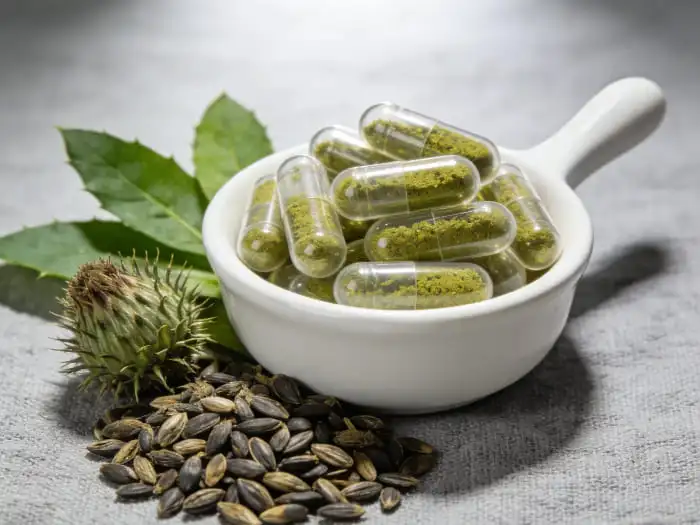
Milk thistle extract powder comes from the seeds of Silybum marianum, a flowering herb that grows naturally in the Mediterranean. Silymarin, the main bioactive ingredient, is made up of a number of different flavonolignans, such as silybin, silydianin, and silychristin. These compounds help the liver in a big way by fighting oxidation and stabilizing cell membranes.
Silymarin Composition and Standardization
The industry standard for most nutraceutical uses is 80% silymarin. Professional-grade milk thistle extracts usually have silymarin amounts between 70% and 95%. The standardization method makes sure that the therapeutic strength is the same in all production batches. This is very important for clinical efficacy and following the rules. Higher ratios make it easier to add more ingredients to capsules or tablets or make them stronger so that people need to take less.
Therapeutic Properties and Market Applications
Silymarin can help people in many ways, such as by reducing inflammation, protecting cells from damage, and helping the liver recover. Because of these qualities, standardized extracts are useful for making liver detoxification supplements, antioxidant mixes, and health goods in general. The concentration level has a direct effect on the drug's potential as a therapy. Usually, higher standardization means better bioavailability and clinical usefulness.
Core Criteria for Selecting the Right Concentration of Milk Thistle Extract Powder
The therapeutic goals, target groups, and formulation limitations all need to be in sync for concentration selection to work. To get the best results and make the most cost-effective decisions, product makers must consider a number of related factors.
Target Health Benefits and Consumer Profiles
To get the right amount of medicine in a normal-sized capsule, most liver support products use silymarin concentrations of 80–85%. To find a good mix between cost and effectiveness, general wellness products may use 70 to 75 percent concentrations. Premium products aimed at certain health conditions often mention concentrations of 90-95% to be as effective as possible and stand out in markets with a lot of competition.
Regulatory Framework Considerations
The FDA requires that the amounts of active ingredients in dietary supplements be correctly labeled. In Europe, the EFSA sets rules for the quality of plant-based milk thistle extracts. These rules affect the quality standards and lowest levels of concentration that producers must meet in order to be able to sell their products. Regional needs help procurement teams choose the right amounts of standardization for target markets.
Organic Versus Conventional Extraction Methods
When you choose a dosage, it can be more difficult when dealing with organic certification because organic extraction methods might give silymarin profiles that are a little different from the usual ways. Organic extracts often cost a lot more, but they are popular with health-minded shoppers looking for clean-label goods. The extraction method affects both the concentration that can be reached and the presence of other chemicals that may affect how well the substance works overall.
A look at different milk thistle extract powders and their uses in supplements
Different extract types have different benefits based on how they are made and how the end product needs to be. Knowing these differences helps people make smart choices about certain ways to make things.
Pure Extract Powders Versus Standardized Concentrates
Pure extract powders provide formulation flexibility, allowing manufacturers to change concentrations during blending processes. Standardized concentrates have less variation between batches and offer uniform strength. Water-soluble versions make it possible to add them to drinks, and oil-soluble versions are used for packaging and making tablets. Each type has its own way it needs to be handled and its own level of security, which affects how things are made.
Concentration-Dependent Formulation Advantages
Extracts with higher concentration lower the amount of ingredient needed, which makes it possible to create more complicated mixtures in standard dosage forms. This benefit is especially useful for combination goods that have more than one plant extract in them. For goods that are sold to everyone and need to be very cost-sensitive rather than very powerful, lower concentrations may be the best choice.
The changes in how seed powders, standardized extracts, and isolated compounds work make it possible to use them in different ways. Seed powders have more fiber and antioxidants, but you need to take more of them to get the same amount of silymarin for medicine. Silymarin by itself gives the most concentration, but it doesn't have the chemicals that work together with it that are in whole extracts.
Procurement Considerations: Sourcing Bulk Milk Thistle Extract Powder for OEM/Private Label Production
To procure successfully, one must fully evaluate suppliers and understand how quality-cost relationships impact the ability to keep making goods in the long run.
Supplier Credential Assessment
Qualified providers keep up with GMP certifications, ISO quality standards, and records of all the tests they do on every batch they make. Systems for traceability should follow unprocessed materials from the harvest through the last steps of processing. This makes sure that the quality stays the same and any worries about quality can be quickly addressed. Silymarin quantification methods that are proven to work, suitable storing conditions, and ways to avoid contamination should be shown at the supplier's facilities.
Pricing Dynamics and Quality Correlations
The concentration of a silybum marianum extract has a direct effect on market prices. Higher levels of standardization mean higher prices because more processing is needed. Getting an organic license usually raises the base price by 15% to 25%, and using special extraction methods may raise prices a lot. Volume discounts are common in bulk purchases, but the minimum order amount has to match how quickly the product sells and how much space there is to store it.
Things you need to know about logistics and supply chain management
The packaging choices include small lab amounts and multi-kilogram industrial cases. The right choice depends on how much is being made and how it will be stored. Shipping with climate control becomes very important for keeping the safety of the extract during the trip. The time it takes to get materials varies by season because of the availability of raw materials. This requires careful planning of inventory to keep production plans on track.
Best Practices and Tips for Using Milk Thistle Extract Powder Concentration in Supplement Manufacturing
To get the most out of your extracts, you need to pay attention to formulation chemistry, stability, and cost-effectiveness during all parts of the manufacturing process.
Formulation Strategies for Enhanced Stability
Silymarin can be damaged by light and heat, so it needs protective excipients and suitable packing materials to keep its strength during the entire shelf life of the product. Adding antioxidants like vitamin E or ascorbic acid can make finished goods more stable. It is very important to control moisture because hydration can break down active chemicals faster.
Dosage Optimization and Cost Management
Clinical studies show that silymarin works well in doses of 200 to 400 mg per day. This means that different amounts of the extract will be needed based on the level of standardization. Higher concentration extracts allow smaller capsules and lower costs per dose, but lower concentrations might need more than one capsule to reach therapeutic amounts. The goal retail price and competitive positioning must be carefully studied to find a balance between the need for efficiency and the costs of production.
Common Manufacturing Errors and Prevention
Overdosing is a common mistake that raises production costs without providing benefits that are worth the cost. If you don't mix enough when blending, it can change how strong the batches are, which can cause problems with following the rules. If extracts are stored incorrectly while they are being made, they can lose their strength before they are packaged. Using proven methods, keeping an eye on the environment, and checking the quality of the product at every stage of the process can stop these problems from happening.
Conclusion
Finding the best milk thistle extract powder concentrations means finding a balance between the health goals, the rules that must be followed, and the costs within certain types of production. A higher level of standardization leads to better formulation and effectiveness. On the other hand, moderate levels of standardization might lead to cheaper options for products that need to be sold to a lot of people. Successful concentration selection depends on a deep understanding of the rules that govern the industry, a deep review of the suppliers, and making sure that the product fits in with the rest of the products on the market. Manufacturers who build long-term relationships with many different kinds of suppliers are able to do well in the long run in the competitive supplement market.
FAQs
What is the best silymarin concentration for liver health products to work well?
For liver health, clinical studies backs silymarin amounts of 80–85%. This gives capsules a useful dose while keeping the medicine affordable. Higher levels, in the range of 90–95%, may be useful for high-end products or specific medical uses.
How do different ways of extraction affect the quantity and quality of milk thistle extract?
It is easy to get different amounts of secondary compounds when using different extraction methods. It is common for silymarin to be more concentrated in ethanol extractions, while water extractions keep more of the chemicals that dissolve in water. Getting organic approval might make it harder to use certain extraction methods, but it works well for clean-label products.
What quality control methods find the true milk thistle extract concentration?
HPLC research is the best method for finding out how much silymarin is in something, since it measures each flavonolignan component very precisely. UV-spectroscopy can quickly test a lot of samples, but full testing includes checking for bacteria, heavy metals, and pesticide residues. Every batch should have a certificate of analysis paperwork that goes with it.
Partner with Wellgreen for Premium Milk Thistle Extract Solutions
Wellgreen Technology sells milk thistle extract powder of medicinal quality. The silymarin concentration in their products ranges from 70% to 95%. They have full quality certifications and follow strict testing rules. Our GMP-certified factory has a lot of organic and conventional extracts on hand, which lets us quickly meet the needs of both large-scale production and custom preparation. As a trusted milk thistle extract powder provider, we offer full documentation, a range of packaging choices, and help with the technical aspects of making your product. In a variety of areas, our quality assurance team makes sure that the specifications that meet global rules on the range of batches are always the same. Our knowledgeable staff provides customized answers that enhance both quality and cost-efficiency for your particular needs, whether you need little samples to develop a product or a lot of them for business production. If you want to talk about your milk thistle extract needs and how our high-quality products can improve your supplements, email us at wgt@allwellcn.com.
References
Polyak, S. J., Morishima, C., Lohmann, V., Pal, S., Lee, D. Y., Liu, Y., & Oberlies, N. H. (2010). Identification of hepatoprotective flavonolignans from silymarin. Proceedings of the National Academy of Sciences, 107(13), 5995-5999.
Abenavoli, L., Capasso, R., Milic, N., & Capasso, F. (2010). Milk thistle in liver diseases: past, present, future. Phytotherapy Research, 24(10), 1423-1432.
Flora, K., Hahn, M., Rosen, H., & Benner, K. (1998). Milk thistle (Silybum marianum) for the therapy of liver disease. The American Journal of Gastroenterology, 93(2), 139-143.
Karkanis, A., Bilalis, D., & Efthimiadou, A. (2011). Cultivation of milk thistle (Silybum marianum L. Gaertn.), a medicinal weed. Industrial Crops and Products, 34(1), 825-830.
Rainone, F. (2005). Milk thistle. American Family Physician, 72(7), 1285-1288.
Wellington, K., & Jarvis, B. (2001). Silymarin: a review of its clinical properties in the management of hepatic disorders. BioDrugs, 15(7), 465-489.