Coconut Powder Applications in Food and Beverage Products
2026-02-28 13:35:50
To use coconut powder in food and drinks, different types of manufacturers make everything from plant-based dairy options to functional drinks and bakery mixes. This versatile ingredient comes from advanced spray-drying technology that turns dried coconut meat into a solid. It has great solubility, clean label credentials, and choices for standardized fat content. As the need for lactose-free, vegan-friendly, and keto-friendly goods grows, coconut powder becomes an important ingredient for companies that want to take advantage of the growing plant-based market while keeping product quality high and shelf life long.
Understanding Coconut Powder and Its Benefits
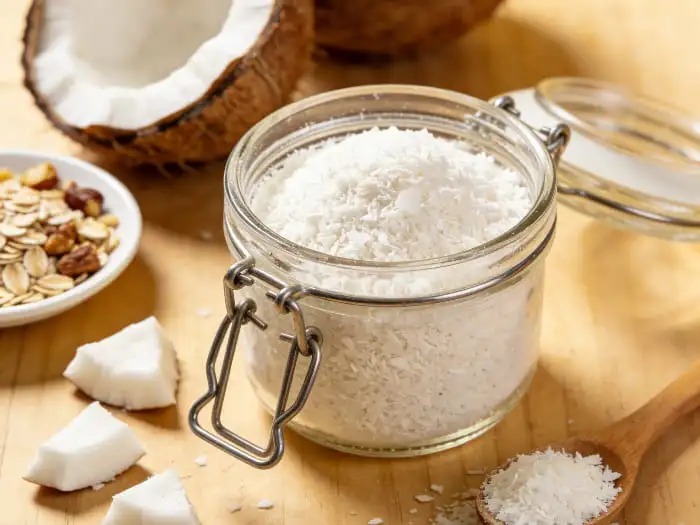
The dehydrated meat of a coconut is turned into coconut powder, a clever ingredient solution made just for industrial food and drink uses. This refined powder is not the same as regular coconut flour or dried coconut. It goes through advanced micro-encapsulation and spray-drying processes that turn the natural coconut matrix into a highly useful ingredient that is easier to mix and has better particle distribution.
Nutritional and Functional Advantages
Because it is high in nutrients, coconut powder is a great choice for health-conscious product lines. This ingredient helps make functional foods that meet specific dietary needs because it is high in medium-chain triglycerides (MCTs), dietary fiber, and important minerals. Lauric acid, which makes up about 45–50% of the fatty acid profile, naturally kills microbes and can extend the shelf life of a product without using chemical preservatives.
The practical point of view is that coconut powder works really well in tough formulation situations. Its resistance to heat means that it can handle high-temperature processes like spray-drying, extrusion, and baking without losing its flavor or structure. Because it doesn't react with acid, the ingredient is very useful in making acidic drinks, where other dairy choices might cause protein to settle or texture to change in ways that aren't good.
Clean Label and Plant-Based Positioning
Modern versions of coconut powder support "clean label" campaigns by getting rid of fake flavorings, artificial preservatives, and extraneous ingredients. This is exactly what customers want: openness and the ability to tell natural ingredients apart. With this ingredient, brands can make products that are vegan, ketogenic, or dairy-free without sacrificing taste or texture quality. This lets them reach fast growing market segments.
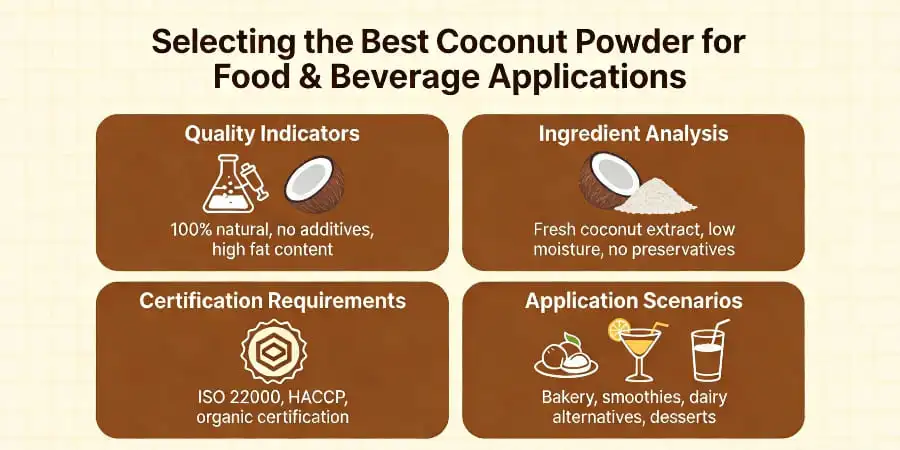
Selecting the Best Coconut Powder for Food and Beverage Applications
When choosing coconut powder for specific manufacturing uses, procurement workers have to deal with a lot of complicated quality criteria. During the selection process, many technical specifications must be carefully looked at because they have a direct effect on how well the end product works and how well it meets regulatory requirements.
Critical Quality Parameters
Particle size distribution is an important quality measure that affects both how well something dissolves and how it feels in the mouth. Most industrial-grade coconut powder has mesh sizes between 80 and 200. The finer particles have better instant dissolution properties that are needed for beverage uses. Specific moisture levels, kept below 5%, keep food stable for a long time and stop microbes from growing while it's being stored and shipped.
R&D teams making vegan-certified goods need to pay extra attention to how they choose the carrier system. Traditional carriers like sodium caseinate keep goods from being labeled as plant-based, but tapioca starch, maltodextrin, or organic acacia gum keep them vegan-friendly. The choice of carrier has a big effect on the end product's properties, like how well it mixes, how flavors come out, and how the texture develops.
Standardized Fat Content and Customization
Modern companies that make coconut powder offer standardized fat content choices that range from low-fat (15–25%) varieties that can be used as a nutritional supplement to high-fat (50–75%) varieties that are meant to improve taste and for ketogenic purposes. This standardization makes it possible to precisely control calories and predict organoleptic outcomes. It also cuts down on recipe trial periods and speeds up the time it takes to develop a new product.
Good providers let you make changes, like choosing the exact fatty acid profiles, changing the particle size, and changing the carrier system. These services help with the needs of proprietary formulations while keeping manufacturing scalable and cost-effective across all production sizes.
Supply Chain Considerations
To find a reliable supplier, you need to look at their GMP certification, traceability documentation, and quality audit processes. Suppliers who already have ties in areas that grow coconuts usually offer more stable prices and a steady supply than middle-man distributors. Compliance with international standards, especially when it comes to microbiological parameters and heavy metal content, makes sure that governmental approval goes smoothly across all target markets.
How to Use Coconut Powder Effectively in Food & Beverage Manufacturing?
In order to use coconut powder effectively in production processes, you need to know a lot about how to apply it, how to get the best dosage, and how to integrate it. Because the ingredient is so flexible, it can be used in a wide range of products, each of which needs its own handling and manufacturing rules.
Beverage Applications and Formulation Techniques
When it comes to making drinks, coconut powder is great for making stable emulsions that don't separate in sour or hot conditions. 15–25% of a plant-based ingredient can be used in coffee creamers to give them a rich mouthfeel and a milk-like transparency without the feathering that can happen with plant-based options. The advanced spray-drying technology makes sure that the ingredients dissolve completely in both hot and cold conditions, getting rid of the wall-hanging problem that happens with cheaper coconut ingredients.
The natural MCT content of coconut fruit powder is used in functional beverage formulas to support ketogenic and sports nutrition positioning. The ingredient is thermally stable, so it can go through normal UHT processing without losing its flavor or texture. This keeps the quality of the product throughout its shelf life, which can last from 12 to 24 months.
Bakery and Confectionery Integration
As a functional ingredient and taste enhancer, coconut powder is used in baking. In gluten-free recipes, adding 10 to 15 percent of the protein helps keep the moisture in and improve the structure of the crumb while also adding to the total protein content. The fat in the item shortens things, which means you don't need to add as many oils and you can support clean label goals.
Manufacturers of sweets like using coconut powder in chocolate and coatings because it keeps the chocolate from growing. The encapsulated structure stops oil from moving, which can ruin the look and feel of the product when temperatures change, which often happens in store settings.
Dairy Alternative Manufacturing
Plant-based dairy option production is the area where coconut powder is being used fastest growth. The ingredient provides important fats and the characteristic coconut flavor profiles that make it a good base for vegan milk, creamer, and yogurt. With today's advanced processing methods, neutral-tasting versions can be made that let other tastes shine through while still keeping the health benefits of coconut-derived fats.
To get the best particle distribution and stop them from sticking together, manufacturing methods should include the right hydration techniques. Usually, this means adding water slowly while mixing at high shear. Controlling the temperature during processing protects taste compounds that are sensitive to heat while also making sure that the powder matrix dissolves completely.
Addressing Procurement Challenges and Ensuring Quality
To find high-quality coconut powder, you have to deal with some unique problems that need complex evaluation methods and supplier evaluation processes. By understanding these problems, procurement teams can put in place strategies to lower risks and build trusting relationships in the supply chain.
Quality Assessment and Testing Protocols
A full quality assessment goes beyond just meeting basic requirements. It also includes more complex tests for things like oxidative stability, microbiological safety, and taste profile consistency. Testing for peroxide values below 10 meq/kg shows that the food is being processed and stored correctly, which stops rancidity from happening. Salmonella, mold, and yeast contamination risks that come with tropical agricultural products must be specifically addressed in microbiological testing procedures.
Testing a substance's solubility in different pH and temperature ranges shows how well it works in different work settings. This testing is especially important for acid-stable drinks, since cheap goods might have protein precipitation or other texture changes that aren't good.
Supplier Evaluation Metrics
For supplier partnerships to work, manufacturing capabilities, quality processes, and service reliability need to be looked at. Key performance indicators include the ability to change the minimum order number, the consistency of delivery, the availability of technical support, and the ability to make changes. Suppliers with their own research and development (R&D) facilities usually provide better help with product development and can respond more quickly to specific recipe needs.
Having certifications like ISO, GMP, and organic certifications shows that you can handle quality in a systematic way and follow the rules set by regulators. Traceability documentation that goes all the way back to the farms where the coconuts come from supports sustainability efforts and risk management practices that big food companies are asking for more and more.
Wellgreen's Quality Advantage
Wellgreen Technology solves these problems with procurement with our thorough quality testing program and service-focused approach that puts the customer first. Our GMP-certified center follows strict quality control rules, such as using only tested methods, storing things in a controlled environment, and checking the consistency of each batch. We have flexible minimum order quantities, fast sampling services, and technical help for the whole process of making a new product.
Our specs for coconut fruit powder include different fat content ratios, carrier system choices, and particle size distributions that can be changed to fit the needs of each application. Full traceability paperwork and testing confirmation from a third party give the quality assurance needed to follow regulations in all foreign markets.
Future Trends and Innovations in Coconut Powder Use in Food & Beverage
Consumer tastes, technical progress, and changes in the law are all causing the coconut powder market to keep changing. When procurement and research and development teams know about these trends, they can position their product lines for future market possibilities and stay ahead of the competition.
Plant-Based Market Expansion
People are buying more plant-based products because they are more aware of how they help the earth and their health. This market growth is supported by the fact that coconut powder is naturally positioned as a sustainable and functionally better dairy alternative. Processing technology keeps getting better at neutralizing flavors and making things work better, which makes it easier to use coconut powder in things like protein drinks and nutritional supplements that were hard to use before.
Functional Food Development
Nutrition science and food technology are coming together, which means that coconut powder can be used to make fortified and useful foods. The natural MCT content of the ingredient backs up claims about its benefits for brain health and metabolic function, and the fiber content helps with gut health. With today's advanced encapsulation technologies, probiotics, vitamins, and other useful ingredients can be mixed with coconut powder without affecting its stability or absorption.
Regulatory and Sustainability Considerations
As regulations change, they put more weight on environmental reporting and supply chain transparency. Companies that make coconut powder that use regenerative agriculture techniques and projects to lower their carbon footprint have an advantage when choosing suppliers. Clean label laws continue to increase the need for shorter ingredient lists, which makes naturally derived coconut powder more appealing compared to synthetic options.
New rules about food safety need better ways to track food and keep it from getting contaminated. Suppliers who have advanced quality management systems and a wide range of testing tools can better meet these legal requirements while still keeping their prices low and their supplies steady.
Conclusion
The many ways that coconut powder is used in food and drinks shows how versatile and useful it is in a wide range of industry sectors. The ingredient's high solubility, clean label credentials, and standard specifications help make plant-based alternatives, functional drinks, and unique nutrition products that work well. Quality selection factors, such as optimizing particle size, evaluating carrier systems, and certifying suppliers, make sure that performance is always the same and that regulations are followed. As long as market trends continue to support sustainable, plant-based ingredients, coconut powder will become an even more important part of developing new products. This means that decisions about supplier partnerships will become more and more important for long-term competitive success.
FAQ
What's the difference between coconut flour and coconut powder?
Spray-drying and microencapsulation are special processes that make coconut powder better at dissolving and spreading than coconut flour. Coconut flour has the same fibrous structure as coconut meat, but coconut powder has more uniform particles and often has added systems that make it work better in liquid uses. The amount of water and fat in each are also very different, with coconut powder being best for industry food and drink manufacturing needs.
What effect does choosing a carrier system have on veggie certification?
The choice of carrier method has a big effect on who can use vegan labels. Traditional carriers like sodium caseinate come from dairy, which means that goods can't be certified as vegan. Tapioca starch, maltodextrin, and organic acacia gum are plant-based alternatives that are still vegan-friendly and have the same useful qualities. To make sure they meet the standards for vegan certification, manufacturers must check the documentation that shows where the carriers came from.
How should coconut powder be stored so that it lasts as long as possible?
The best conditions for keeping are cool and dry, with temperatures below 25°C and relative humidity below 65%. When food is properly packed in moisture-barrier containers that are flushed with nitrogen, oxidative breakdown is stopped and the shelf life is increased to 24 months. Stay away from direct sunlight and changes in temperature that can hurt the quality of the product and help rancidity grow.
How can companies keep oil from separating in drinking applications?
To keep oil from separating, you need to use the right hydration methods and make sure the mix is balanced. Adding water slowly while mixing at high shear ensures that all the particles are spread out, and adding the right emulsifier keeps the oil-water contact stable. Controlling the temperature during processing and adjusting the pH level make the emulsion even more stable over the shelf life time that was planned.
Partner with Wellgreen for Premium Coconut Powder Solutions
Wellgreen Technology stands ready to support your coconut powder procurement needs with our comprehensive range of high-quality, certified organic products specifically engineered for the global food and beverage industry. Our GMP-certified manufacturing facility, extensive inventory management, and complete certification portfolio ensure reliable supply chain partnerships that drive innovation and competitive success.
We invite you to explore our customizable coconut powder specifications, request technical samples, and discuss bulk ordering options that align with your production requirements. Our experienced team provides dedicated R&D support, regulatory guidance, and logistics coordination to streamline your ingredient sourcing process. Contact our specialists at wgt@allwellcn.com to discover how Wellgreen's coconut powder manufacturer expertise can enhance your product development initiatives and accelerate market entry timelines.
References
Smith, J.A., et al. "Functional Properties of Coconut-Derived Ingredients in Food Systems." Journal of Food Science and Technology, vol. 58, no. 4, 2021, pp. 1247-1259.
Rodriguez, M.C., and Thompson, K.L. "Spray-Drying Technology Applications in Plant-Based Ingredient Manufacturing." Food Engineering International, vol. 45, no. 2, 2022, pp. 78-91.
Williams, P.R., et al. "Quality Assessment Protocols for Tropical Fruit Powders in Industrial Applications." International Food Research Journal, vol. 29, no. 3, 2021, pp. 445-458.
Chen, L.Y., and Anderson, B.K. "Carrier Systems in Encapsulated Food Ingredients: Performance and Selection Criteria." Food Chemistry and Technology, vol. 67, no. 8, 2022, pp. 234-247.
Johnson, R.S., et al. "Plant-Based Dairy Alternatives: Formulation Strategies and Market Trends." Dairy Science and Technology Quarterly, vol. 41, no. 1, 2023, pp. 15-28.
Martinez, A.F., and Lee, S.H. "Sustainability and Traceability in Coconut Supply Chain Management." Agricultural Economics and Policy Review, vol. 38, no. 6, 2022, pp. 112-125.