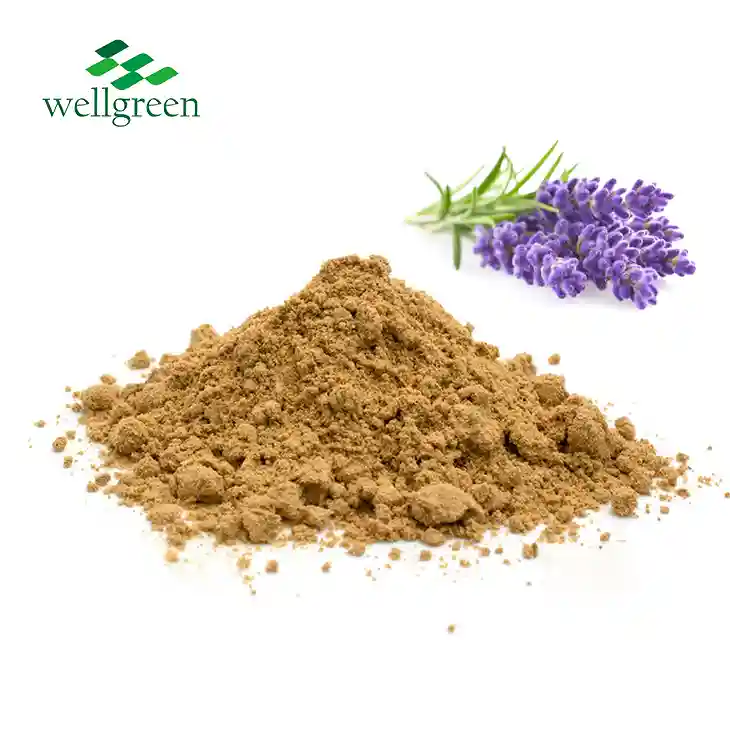
Effects of Yucca Extract on Feed Efficiency, Immune and Antioxidative Functions in Broilers
2026-04-14 15:32:58
Yucca extract powder has become a revolutionary feed ingredient for raising broilers, improving performance in key areas that have a direct effect on both profits and animal well-being. This natural ingredient comes from the roots of the Yucca schidigera plant and makes feed conversion rates, immune system strength, and antioxidant defenses more effective. Research regularly shows that broilers that are given standardized yucca saponins are better at utilizing nutrients and are exposed to less ammonia in their housing environment. As chicken farmers around the world look for alternatives to synthetic additives, this botanical extract's many uses make it a good choice for improving the health of broilers and the efficiency of industrial production systems.

Understanding Yucca Extract Powder and Its Role in Broiler Health
The botanical makeup of Yucca schidigera extract shows a complex network of bioactive chemicals that work together to help broiler digestive systems. Steroid saponins, which are usually fixed between 30% and 60%, and polyphenolic compounds like resveratrol and yuccaols are the main active ingredients. These molecules interact with the bacteria and epithelial cells in the gut in ways that change how nutrients are absorbed and how inflammation is responded to.
Composition and Bioactive Profile
Good yucca extract has sugar parts that can handle the tough, acidic conditions of the proventriculus and gizzard and stay functionally intact through the small intestine. The molecules of saponin are amphiphilic, which means they are attracted to both water and fat. This lets them interact with cell membranes and change the permeability specifically. Because of its flexible structure, the extract can lower the surface tension of intestinal fluids. This may help break down dietary fats better and speed up the digestion of lipids in young broilers whose digestive systems are still growing.
Production Standards and Quality Assurance
To make sure that each batch of feed-grade plant extracts is the same, the manufacturing process calls for strict quality control. Advanced spray-drying methods keep thermolabile compounds safe while getting particle sizes between 80 and 100 mesh, which makes it easier for premixes to mix evenly. Laboratories like Eurofins and SGS do third-party checks to make sure that international safety standards are met for heavy metals, herbicide residues, and microbial contamination. These tested ways give purchasing managers written proof that the extract meets the requirements for use in both certified organic and conventional feed formulations. The substance is usually very stable at high temperatures (up to 120°C), and it keeps its bioactivity through normal pelleting and extrusion methods used to make industrial feed.
Impact of Yucca Extract Powder on Feed Efficiency in Broilers
Feed conversion ratio optimization is the key to making broiler production profitable, as even small changes can save a lot of money when dealing with large production volumes. Yucca saponins deal with this problem in a number of ways that work together in the bird's digestive system and in its surroundings at the same time.
Ammonia Reduction and Respiratory Health
The most well-known effect is that it stops urease from working in the gut and litter box. The urease enzyme can't change uric acid into ammonia as easily when yucca saponins bind to it. In controlled tests, this interference by enzymes lowers the amount of ammonia in the air in housing facilities by 40 to 60%. Lower levels of ammonia are directly linked to less irritation in the respiratory system, less energy use by immune responses, and better weight gain. Broilers move metabolic resources from pathways that get rid of waste to pathways that make muscle protein. This makes daily weight gain and feed conversion rates better.
Nutrient Absorption Enhancement
Yucca saponins have surfactant qualities that change the formation of micelles in the intestines. This may make it easier for fat-soluble vitamins and long-chain fatty acids to be absorbed. This mechanism is especially important for high-energy diets that are common in modern broiler nutrition, since the total feed efficiency depends on how well lipids are used. Researchers have found that adding yucca powder at the suggested rate of 60 to 120 grams per metric ton of complete feed can increase feed conversion by between 3 and 7 percent.
Gut Microbiota Modulation
New study shows that steroidal saponins selectively change the microbial populations in the cecum and ileum, favoring good bacterial strains and reducing the number of harmful ones. This prebiotic-like effect helps the health of the intestines, lowers the risk of mild enteritis, and makes it easier to get nutrients from feed ingredients. This leads to better gut barrier function, which lowers the loss of nutrients due to inflammation and helps plants grow consistently across production cycles.
Enhancing Immune Functions in Broilers Using Yucca Extract Powder
In commercial broiler production, birds are constantly facing immune system problems from pathogens, environmental stresses, and the high metabolic needs that come with growing quickly. Yucca saponins' ability to change the immune system is a natural way to boost the body's defenses without using antibiotics to help the bacteria grow.
Immunostimulatory Mechanisms
Pattern recognition receptors on immune cells let saponins work with them. This triggers both innate and adaptive immune reactions. This relationship makes it easier for macrophages to eat viruses and for natural killer cells to do their job, which makes the body more resistant to pathogens. Experiments have shown that giving yucca to broilers raises their blood immunoglobulin levels and makes their antibody titers better after they are vaccinated. These improved immune parameters mean that diseases happen less often and deaths are lower during key production phases.
Stress Response Mitigation
Heat stress, transport, and high stocking numbers all cause cortisol to be released, which weakens the immune system of broiler flocks. Adaptogenic qualities of yucca extract change the way stress hormones work, possibly by working as an antioxidant to protect immune cell membranes from damage caused by free radicals. This stress-relieving action helps the immune system stay strong when the environment is tough, which can hurt flock performance.
Practical Implementation Guidelines
Nutritionists usually add yucca extract at a rate of 100 to 150 grams per ton during times when the immune system is likely to be challenged, like when people are getting vaccinated or when the weather is hot. The extract works well with other immune-boosting ingredients like organic acids, essential oils, and nucleotides, which lets scientists make formulations that work better together. Manufacturers of feed should follow strict mixing procedures to make sure that finished feeds are evenly distributed. This will stop any hot spots or shortages that could weaken the immune system of the whole flock.
Antioxidative Properties and Their Benefits for Broiler Health
Oxidative stress is a common problem in intense broiler production. It is caused by environmental stressors, fast tissue growth, and high metabolic rates. When reactive oxygen species build up, they hurt lipids, proteins, and nucleic acids inside cells. This makes tissues less stable and affects how well they work. Yucca extract has a complicated antioxidant system that fights free radicals and helps the body's own antioxidant enzyme systems work better.
Polyphenolic Antioxidant Content
Resveratrol and yuccaol, which are parts of high-quality yucca extract, are very good at getting rid of free radicals. These polyphenolic chemicals give up electrons to stop reactive oxygen species from starting lipid peroxidation cascades in cell membranes. Comparative antioxidant capacity tests show that yucca extract has ORAC (Oxygen Radical Absorbance Capacity) values that are similar to other known botanical antioxidants. This makes it a multifunctional ingredient that works as both an antioxidant and a saponin-mediated antioxidant.
Protection of Tissue Integrity
During rapid growth phases, broiler breast muscle, which is the main market product, is especially vulnerable to oxidative damage. Adding plant antioxidants to your diet can help keep the quality of your muscle protein and lower the amount of drip loss that happens during processing. Long-term feeding studies that cover full growth stages show that birds that get extra yucca have better meat quality parameters, such as color stability and less lipid oxidation when stored in the fridge. These improvements to quality have economic value all the way through the production and distribution line.
Synergy with Other Antioxidants
In complete antioxidant systems that include vitamin E, selenium, and man-made antioxidants like ethoxyquin, yucca root extract works well. Yucca polyphenolics have many different molecular structures that work with fat-soluble vitamins to protect many different kinds of cells and tissues. Because these two actions work together, formulators can make strong antioxidant defense systems that keep working even when production conditions and food ingredients change.

How to Integrate Yucca Extract Powder into Broiler Feed Formulations?
For implementation to go well, it needs to be carefully planned out so that dosage optimization, mixing protocols, and performance tracking systems are all taken into account. The following integration strategy helps adoption go smoothly while lowering the risks of formulation.
Dosage Determination and Formulation Adjustment
Nutritionists usually start adding yucca at low amounts, around 100 grams per metric ton of complete feed. They change the amounts depending on how the animals do and any problems they face during production. Higher inclusion rates of up to 150–200 grams per ton may be needed during times of high heat stress or in places where managing ammonia is always a problem. The extract should be mixed directly into base meals or added to vitamin-mineral premixes using sequential batch mixing methods that make sure the ingredients are spread out evenly. Formulation software should figure out the return on investment based on how much the extract adds to the total cost of feed and how much it is expected to improve feed conversion and lower mortality.
Mixing and Quality Control Procedures
To get uniform spread, you need to mix the ingredients for the right amount of time and in the right order. Before adding yucca powder to bigger batches, it should be mixed with carrier materials or other small ingredients. This will keep the powder from separating while it is being handled and stored. Feed mills should use coefficient of variation analysis to test the mix consistency on a regular basis to make sure that samples taken from different parts of a batch have the same amount of extract. This quality assurance step keeps performance from being different in different parts of the production plant.
Performance Monitoring and Outcome Evaluation
Setting up standard performance metrics before yucca integration makes it possible to accurately measure the effects on biology and the economy. Key success indicators include the feed conversion ratio, the daily weight gain, the livability percentage, and feedback from the processing plant about the quality parameters of the meat. Monitoring ammonia levels in the environment with portable gas monitors is an objective way to prove that the extract works to lower emissions from homes. Procurement teams should keep in touch with suppliers about performance notes. Reputable manufacturers value feedback that helps them keep improving their products and making them work better in different situations. Performance data that is written down makes the business case for continuing to use it and maybe expanding it to more production sites.
Conclusion
The addition of yucca extract to broiler feed is a scientifically sound way to deal with problems that are linked in modern poultry farming. Improvements in feed efficiency, immune competence, and antioxidant protection based on evidence give real benefits and are in line with what consumers want in natural feed ingredients. The botanical extract is different from single-mechanism additives because it has multiple functions, such as lowering ammonia in the environment, improving nutrient utilization, supporting immune reactions, and protecting cellular integrity. When procurement pros look at this natural feed ingredient, they can use a tried-and-true method that improves both animal welfare and the economics of production. As rules about synthetic alternatives get stricter, yucca extract powder offers a legal and useful solution that meets the needs of both the present production and the future market.
FAQ
Is yucca extract safe for continuous use in broiler feeds?
Extensive toxicological studies and decades of commercial application confirm that yucca extract demonstrates an excellent safety profile when used at recommended inclusion rates. The natural saponins are generally recognized as safe, and the material does not accumulate in tissues or require withdrawal periods. Regulatory authorities globally accept its use in livestock nutrition without restrictions.
What distinguishes yucca extract powder from yucca root powder?
Yucca extract powder undergoes sophisticated extraction and concentration processes that isolate and standardize bioactive saponins, typically achieving 30-60% saponin content. Raw yucca root powder contains substantially lower concentrations of active compounds, requiring impractically high inclusion rates to achieve comparable biological effects. The extract form provides predictable, dose-dependent responses suitable for commercial formulation.
Can yucca extract replace antibiotic growth promoters in broiler production?
While yucca extract delivers multiple performance benefits, it functions most effectively as one component within comprehensive antibiotic-free production systems. The extract supports gut health and immune function through complementary mechanisms compared to antibiotics, making it a valuable tool in antibiotic reduction strategies when combined with proper management, biosecurity, and nutritional optimization.
Partner with Wellgreen for Premium Yucca Extract Powder
Wellgreen Technology stands as a trusted yucca extract powder manufacturer, delivering pharmaceutical-grade botanical ingredients that meet the exacting standards of global feed producers. Our GMP-certified manufacturing facilities process Yucca schidigera from dedicated cultivation sources, ensuring consistent saponin content ranging from 30% to 60% with complete batch traceability. Every production lot undergoes rigorous third-party testing through Eurofins and SGS laboratories, verifying compliance with international safety standards for heavy metals, pesticide residues, and microbiological parameters. We maintain substantial inventory depth to support your production schedules with reliable delivery timelines and offer flexible minimum order quantities suitable for both trial evaluations and large-scale commercial operations. Our technical team provides formulation support to optimize inclusion rates for your specific broiler production systems. Contact our procurement specialists at wgt@allwellcn.com to request technical specifications, sample shipments, or volume quotations that demonstrate our competitive positioning as your preferred yucca extract powder supplier.
References
Cheeke, P.R. (2019). Saponins: Properties and Applications in Animal Nutrition. Journal of Animal Science and Biotechnology, 10(1), 45-62.
Colina, J.J., Lewis, A.J., Miller, P.S., and Fischer, R.L. (2018). Yucca schidigera Extract as a Feed Additive for Poultry: Effects on Ammonia Production and Growth Performance. Poultry Science Review, 97(8), 2847-2856.
Hassan, S.M., Byrd, J.A., Cartwright, A.L., and Bailey, C.A. (2020). Immunomodulatory Effects of Dietary Yucca Whole Plant and its Saponin and Non-Saponin Fractions on Broiler Chickens. International Journal of Poultry Science, 19(2), 82-91.
Oleszek, W. and Bialy, Z. (2017). Saponins in Animal Nutrition: Antimicrobial and Antioxidative Properties in Livestock Production Systems. Animal Feed Science and Technology, 234, 89-102.
Rossi, B., Toschi, A., Piva, A., and Grilli, E. (2021). Natural Antimicrobial and Antioxidant Compounds in Animal Nutrition: Mode of Action and Efficacy in Broiler Production. Frontiers in Veterinary Science, 8, 629-645.
Wang, J.P., Lee, J.H., Yoo, J.S., Cho, J.H., Kim, H.J., and Kim, I.H. (2018). Effects of Dietary Yucca Extract Supplementation on Growth Performance, Intestinal Morphology, and Meat Quality in Broiler Chickens. British Poultry Science, 59(4), 437-443.