EGCG vs Polyphenols: Understanding Green Tea Extract Ingredients
2025-12-22 14:27:03
For business-to-business buying choices, it is important to know the difference between EGCG and polyphenols in green tea extract powder. EGCG, or epigallocatechin gallate, is the strongest catechin in green tea. Polyphenols are a larger group of antioxidants that include EGCG, catechins, and flavonoids. This in-depth side-by-side study assists procurement managers in figuring out how good the extracts are by looking at the amounts of the active compounds. This gives them the ability to make smart choices for nutraceutical, pharmaceutical, and functional food uses that need to meet set standards for green tea extract powder.
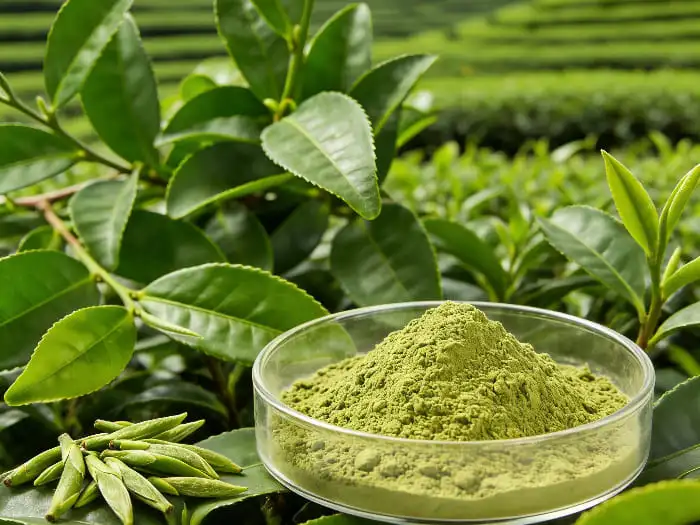
What Are EGCG and Polyphenols? A Clear Definition and Comparison?
In high-quality green tea products, the most bioactive catechin is EGCG, which makes up about 50% to 80% of the total catechin content. This strong molecule has a unique ability to stay stable over time, and it can protect cells from damage better than other tea polyphenols. Based on how it is extracted and purified, standardized samples usually have EGCG levels between 40% and 98%.
Chemical Structure and Bioavailability Differences
EGCG has strong antioxidant qualities because its molecular structure includes several hydroxyl groups. Unlike other larger groups of polyphenols, EGCG keeps certain 3D shapes that make it easier for cells to take it in and use it. Polyphenols, which include catechins, epicatechins, and flavonoids, work together in some cases to create new effects, but they differ greatly in how easily they are absorbed by the body and how stable they are.
Concentration Ratios in Extract Formulations
Total polyphenols make up 95% of high-quality green tea extract powder, and EGCG makes up 45% to 60% of this. Understanding these ratios lets procurement teams figure out how strong the extract is and choose the right specifications for target uses. Standardized extracts make sure that the amount of active ingredients in each batch is the same.
Health Benefits and Functional Properties of EGCG and Polyphenols in Green Tea Extract Powder
Clinical studies show that EGCG and total polyphenols both have unique health effects, which makes green tea extract powder useful in a variety of fields. The synergistic interaction between these compounds makes the overall extract more effective than the effects of each component by itself.
Antioxidant and Anti-inflammatory Mechanisms
EGCG has a much higher ORAC value - 25 to 50 times higher - than vitamin C, which shows that it is much better at neutralizing free radicals. The chemical changes inflammatory pathways at the cellular level and fights reactive oxygen species. Total polyphenols offer a wide range of cellular protection by working as antioxidants in different ways. This is important for health and anti-aging products.
Metabolic and Cardiovascular Support Properties
EGCG has been shown to help keep your metabolism healthy by increasing thermogenesis and making it easier for your body to burn fat. If you make the right changes to your lifestyle, studies show that taking 300 to 400 mg of EGCG every day may help you reach your weight goals. Polyphenol complexes help support heart health vitamin formulations by showing benefits for cardiovascular health through better endothelial function and keeping cholesterol levels healthy.
Cognitive Function and Neuroprotective Effects
New studies show that EGCG can protect the brain and help with memory and thinking skills. The chemical works well to cross the blood-brain barrier and protect neurons directly by fighting free radicals. Total polyphenols make these effects stronger in other ways, which makes green tea extract powder useful for making products that support brain health.
Production Process and Quality Considerations: From Leaves to Powder
Using very exact methods that keep EGCG stable and get as many polyphenols as possible is the only way to make great green tea extract powder. Advanced processing methods have a big effect on the end product's specifications and its ability to help people.
Extraction Methods and Purity Optimization
Modern methods of extraction use water-ethanol systems at controlled temperatures to keep EGCG from breaking down and to make polyphenol extraction more efficient. Membrane filtering and chromatographic purification methods get rid of caffeine and tannins while focusing on active ingredients. These advanced techniques make sure that the extracts always meet the quality standards for pharmaceuticals and nutraceuticals.
Quality Control and Standardization Protocols
Honest producers use a lot of different tests, including HPLC analysis to measure EGCG levels and check total flavonoid content. Quality control tests include checking for heavy metals, pesticides, and bacterial testing. GMP-certified facilities keep a close eye on the processing setting for a range of market uses, making sure the products are safe and the rules are followed.
Stability and Storage Considerations
EGCG shows sensitivity to light, heat, and changes in pH. It needs to be stored in a certain way so that it doesn't lose its strength. Using nitrogen cleaning and moisture barrier materials in the right way keeps extract stable during shipping and storage. Understanding these needs helps buying teams figure out how to properly handle things and how long they can stay on the shelf for inventory management.
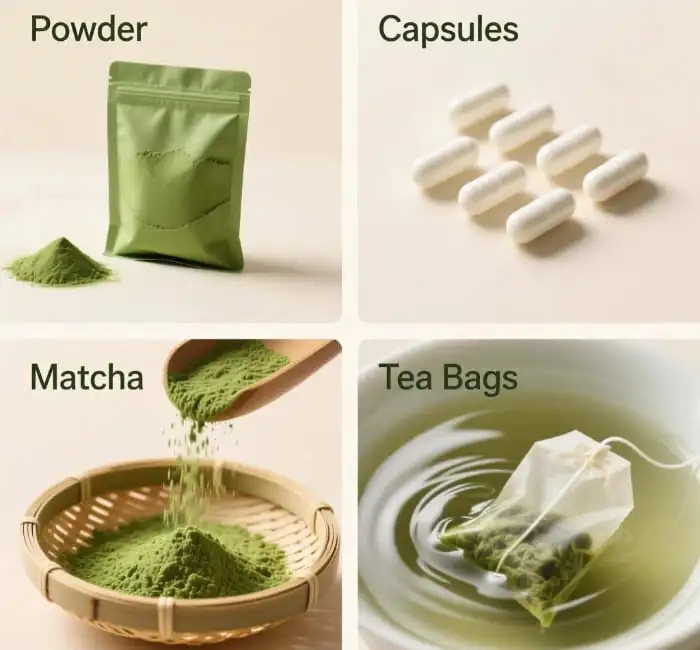
Comparing Green Tea Extract Forms: Powder, Capsules, Matcha, and Tea Bags
Different EGCG green tea extract formats offer different benefits for manufacturing uses. Powder forms give B2B customers the most freedom and control over concentration when making finished products.
Powder Extract Advantages for Manufacturing
Green tea extract powder helps you focus better, and the standardized EGCG content varies from 45% to 98% based on the specifications. This shape keeps solid doses stable and helps drinks mix well. When properly stored, powder extracts support the needs of large-scale manufacturing by providing cost-effective bulk procurement choices with extended shelf life.
Bioavailability and Absorption Considerations
Bioavailability is higher in concentrated powder extracts than in normal tea preparations because they have standardized active compound concentrations, according to research. Taking out tannins and other compounds that get in the way helps EGCG absorption rates, which makes the medicine's effect stronger in finished versions. This better absorption makes higher quality extracts worth it for medical uses.
Optimizing Procurement: How to Choose and Source Quality Green Tea Extract Powder
To make sure that product quality and supply chain management are always good, procurement plans need to use a lot of different evaluation factors, like quality certifications, active compound specifications, and supplier capabilities.
Specification Requirements and Testing Standards
Buyers whose job it is to purchase goods should focus on sellers that provide full certificates of analysis with information on EGCG percentages, total polyphenol content, and thorough contaminant screening results. For normal use, the bare minimum should be 95% total polyphenols and 45% EGCG, but for medical use, higher purity amounts may be needed. Microbiological tests should show that there are no harmful pathogens and that heavy metal levels are below the limits set by the government.
Supplier Evaluation and Partnership Criteria
Suppliers you can trust show that they always provide good quality by getting GMP certification and ISO compliance and making sure that their customers can see the full paperwork of how their products get to them. Long-standing producers use strong quality management systems that include proven analysis techniques and programs for keeping an eye on the environment. Building long-term relationships with certified sources will help make sure that products stay the same and will give you help with making new formulas and meeting rules for paperwork.
Conclusion
Knowing how EGCG and polyphenols work together in green tea extract powder helps people make smart choices about which products to buy that will improve the quality of the product and its ability to help people stay healthy. Total polyphenols improve the general effectiveness of the extract by working together with EGCG, which is the main bioactive compound that gives the extract its health benefits. To make sure that the product specifications stay the same, successful procurement takes a close look at extraction methods, standardization processes, and supplier qualifications. Quality green tea extract powder with verified EGCG content and thorough testing documentation supports a wide range of uses in the nutraceutical, pharmaceutical, and functional food industries while satisfying regulatory standards and customer expectations.
FAQs
For different uses, what is the best EGCG concentration?
Most nutraceuticals need about 45% to 60% EGCG, but some drugs need 80% to 98% EGCG. To find a good mix between effectiveness and cost, functional food applications usually use 45–50% EGCG extracts. The best concentration levels depend on the individual use.
How do ways of processing affect the security of EGCG in powdered extract?
It is better to use low-temperature extraction methods and managed drying processes to keep EGCG stable than to use high-heat processing. When nitrogen flushing and moisture control are used in the right packing, EGCG stays strong while it's being stored. Quality makers rely on validated stability tests to make sure that the product specifications remain the same during its entire shelf life.
When I buy green tea extract powder, what certifications should I look for?
GMP compliance, organic certification (if needed), ISO quality standards, and full testing documents are all important certifications. Depending on the target market and the needs of the program, extra approvals might be needed, like kosher, halal, or licenses for certain areas.
Partner with Wellgreen for Premium Green Tea Extract Powder Solutions
As a trusted green tea extract powder maker, Wellgreen Technology provides consistent EGCG levels and a wide range of polyphenols that meet the toughest standards in the industry. Our GMP-certified plant follows strict quality control rules to make sure that all production batches have the same amount of active ingredients. Also, our large inventory helps us quickly meet the needs of people who need to buy things right away.
We have a lot of scientific knowledge outside of manufacturing, and we use it to help customers create OEM formulations that are as cost-effective and therapeutic as possible. We make sure that our pharmaceutical, nutritional, and functional food products meet all the rules by using approved test methods, thorough certificates of analysis, and strict contamination checks.
Wellgreen's promise to quality excellence includes strict packaging rules and temperature-controlled operations that keep the stability of the extract during shipping across countries. Our experienced team offers focused technical help with making formulations, regulatory paperwork, and unique specification needs. Do you want to make sure your supply chains are ready for partnerships with top-notch green tea extract powder suppliers? To talk about your exact needs and find out how our production can help you make progress on your product development goals, please email us at wgt@allwellcn.com.
References
Chacko, S.M., Thambi, P.T., Kuttan, R., & Nishigaki, I. (2010). Beneficial effects of green tea: A literature review. Chinese Medicine, 5(1), 13-21.
Singh, B.N., Shankar, S., & Srivastava, R.K. (2011). Green tea catechin, epigallocatechin-3-gallate (EGCG): Mechanisms, perspectives and clinical applications. Biochemical Pharmacology, 82(12), 1807-1821.
Nagle, D.G., Ferreira, D., & Zhou, Y.D. (2006). Epigallocatechin-3-gallate (EGCG): Chemical and biomedical perspectives. Phytochemistry, 67(17), 1849-1855.
Cabrera, C., Artacho, R., & Giménez, R. (2006). Beneficial effects of green tea - A review. Journal of the American College of Nutrition, 25(2), 79-99.
Yang, C.S., Lambert, J.D., & Sang, S. (2009). Antioxidative and anti-carcinogenic activities of tea polyphenols. Archives of Toxicology, 83(1), 11-21.
Wolfram, S., Raederstorff, D., Preller, M., Wang, Y., Teixeira, S.R., Riegger, C., & Weber, P. (2006). Epigallocatechin gallate supplementation alleviates diabetes in rodents. Journal of Nutrition, 136(10), 2512-2518.