Everything You Need to Know About peppermint extract powder
2026-07-30 14:22:27
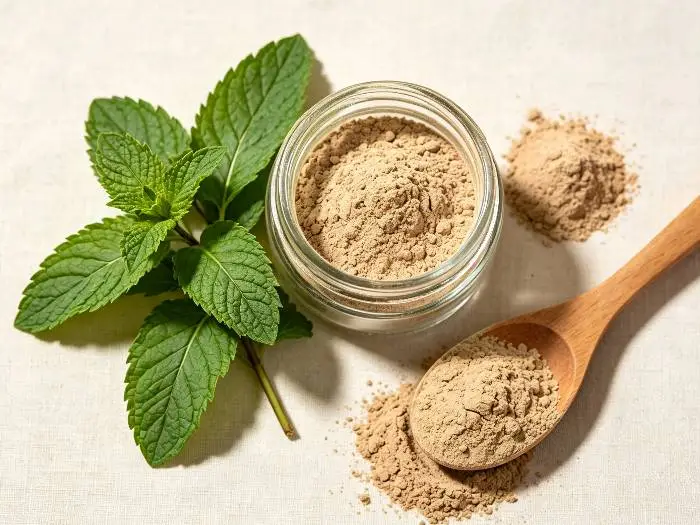
Peppermint extract powder is a concentrated botanical ingredient derived from the leaves of Mentha piperita through water extraction or low-temperature processing followed by drying. This versatile raw material contains high levels of menthol, menthone, and various volatile aromatic compounds that deliver a characteristic cooling sensation and fresh aroma. Widely utilized across food flavoring, functional beverages, oral care products, and digestive health supplements, this botanical powder ranks among the most globally adopted plant-based flavoring ingredients. The growing demand for natural cooling flavors, digestive support components, and clean-label formulations has positioned mentha piperita extract as an essential ingredient in both the food industry and nutraceutical sectors. For B2B procurement professionals seeking to understand its production characteristics, application scope, and sourcing strategies, this comprehensive guide provides actionable insights aligned with quality compliance and operational efficiency.
Understanding Peppermint Extract Powder
What Defines This Botanical Ingredient?
This extract comes from Mentha piperita leaves and goes through special processing that makes it different from peppermint essential oil, dried leaves, or tea preparations. Whether it's a water-based or low-temperature solvent extraction, the method concentrates bioactive compounds while getting rid of fibre and plant matter that doesn't do anything. The final powder has constant strength and is easier to work with than liquid oils, which can change during storage and formulation. This concentrated form usually has standard amounts of menthol running from 40% to higher percentages, based on how it was extracted. This makes the cooling intensity predictable, which is very important for commercial uses.
Key Bioactive Components and Their Functions
When the TRPM8 receptors are activated, menthol is the main active ingredient that causes the different cooling effect. This chemical also has antimicrobial qualities that make it useful in mouth care products. Menthone is another important ingredient that adds to the overall minty flavour and has mild muscle-relaxing effects that help with digestive comfort. The polyphenolic chemicals rosmarinic acid and others found in good products help fight inflammation and free radicals. When procurement teams know about these bioactive markers, they can choose the right assay levels for the products that will be used. For example, higher menthol concentrations work better in candy and oral care products, while balanced profiles work better in digestive supplements where too much cooling might be uncomfortable.
Comparing Extract Powder to Peppermint Oil
Even though both ingredients come from the same plant, they are used in very different instances. Essential oil is still very concentrated and volatile, so it needs to be handled carefully and diluted before it can be used in most recipes. The oil shape works well for aromatherapy and goods that need a strong flavour effect with small amounts. Peppermint extract powder is more stable during processing, which is especially helpful in baking and beverage making, where heat would break down volatile oil components. The powder form also makes it easier to measure out doses and mix into dry forms like pills, tablets, and powdered drink mixes. When choosing between forms, procurement managers should think about the formulation needs, working conditions, and shelf stability that are most important to them.
Safety Considerations for Industrial Applications
For regulatory compliance, you need to know the right dose levels for a variety of products. In food-grade applications, the extract is usually used at amounts ranging from 0.1% to 2%, based on how strong an effect is wanted and the format of the product. Because oral care products aren't eaten, they may use higher concentrations. Overdosing has been linked to heartburn, allergic responses in sensitive people, and possible interactions with medicines that are broken down in certain ways by the liver. If you're pregnant, you should probably limit your menthol use because too much of it can change the tone of your uterus. When procurement teams tell suppliers about quality agreements and certificates of analysis, they must make sure that these safety parameters are taken into account when formulating guidelines and labelling requirements.
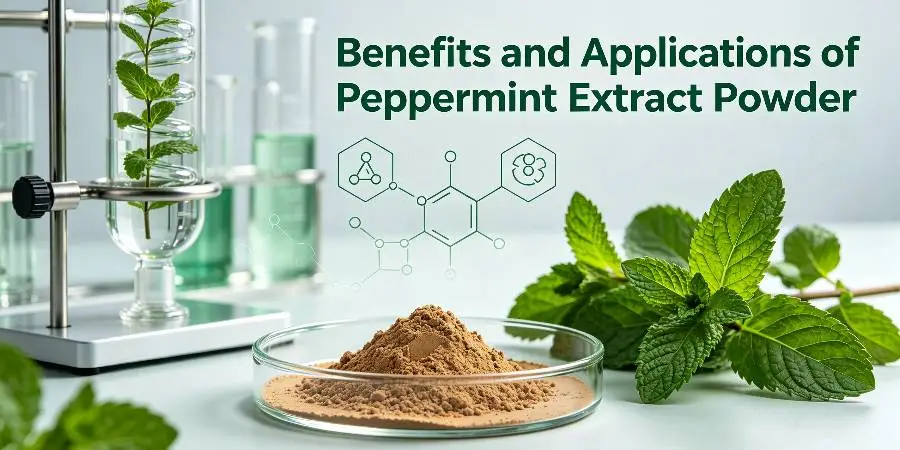
Benefits and Applications of Peppermint Extract Powder
Digestive Health Support Backed by Research
Studies in humans have shown that menthol and similar chemicals in mentha piperita extract relax the smooth muscles of the digestive system, and for mentha piperita extract, this calcium channel-modulating effect reduces cramping and pain associated with IBS and functional dyspepsia without systemic sedation, making it a key ingredient in digestive support supplements often combined with ginger or fennel, while the powder form ensures consistent potency across batches—a critical advantage over crude plant products that procurement professionals should verify through confirmed assay data for menthol content and batch-to-batch consistency. This makes cramping and pain caused by irritable bowel syndrome and functional dyspepsia less severe. Changing the calcium channels in this way relaxes the muscles in the intestines without sedating the whole body. Standardised extract is used by nutraceutical brands in digestive support supplements. It is often mixed with ginger or fennel to make the effects stronger. The powder form makes sure that the potency stays the same across production batches, which is an issue with crude plant products. When buying digestive health goods, people in charge of procurement should look for sellers who can provide confirmed assay data for menthol content and proof of batch-to-batch consistency.
Natural Cooling and Flavor Enhancement
The cooling effect of menthol comes from activating sensory receptors instead of lowering the temperature. This creates a delicious taste in functional drinks, candies, and mouth care products. As people move away from manufactured cooling agents, this natural cooling effect has become more popular. Manufacturers of food and drinks like plant ingredients because they can improve flavour and make the labels look cleaner. Natural mint flavouring is added to a wide range of foods and drinks, from mint sweets and gum to cold-pressed juices and protein shakes. The powder stays stable during pasteurisation and retort processing, which makes it good for shelf-stable beverage systems where liquid extracts would be hard to keep fresh.
Oral Care Applications Leveraging Antimicrobial Properties
In addition to giving breath a characteristic minty freshness, menthol and its related compounds have been shown to have antimicrobial properties against common oral bacteria that cause plaque and bad breath. Both of these qualities are good for toothpaste and mouthwash formulations: a flavour that people like and useful properties. As opposed to essential oils, the extract powder mixes easily into dentifrice bases and doesn't separate as often. Oral spray products take advantage of the instant cooling feeling that tells customers the product is working. Cosmetic chemists who make these products like to work with suppliers who can give them precise particle size information that makes sure the finished products have a smooth texture and are spread out evenly.
Emerging Applications in Functional Foods and Specialty Markets
Demand for functional drinks is being driven by health-conscious customers. This has created chances for botanical cooling ingredients to be used in sports nutrition, wellness shots, and herbal tea mixes. The extract is a natural choice over artificial flavourings that helps with the clean-label messaging. Pet care is another rising market. Dental chews and breath fresheners for pets use mentha ingredients to get rid of bad smells. For these specialised uses, suppliers must be able to provide food-grade certifications and handle smaller original order amounts while still meeting quality standards. When innovation teams are looking to make new products, they can benefit from working with manufacturers who can provide technical support and formulation advice that is specific to new categories.
How to Choose the Right Peppermint Extract Powder for Procurement?
Quality Parameters and Standardization Requirements
Buying things starts with figuring out what specifications are needed to meet the needs of the final product. Menthol content is the main way that products are standardised, and it can be anywhere from 40% or less for most uses to 70% or more for more specific ones. Brands that want to sell natural products and meet store requirements need to make sure they have organic approval. In addition to the levels of active ingredients, detailed specifications cover heavy metals (such as lead, arsenic, cadmium, and mercury), residual solvents, pesticide residues, and microbiological parameters. European Union and US food-grade standards set the highest amounts that are safe and must always be met by responsible providers. Each package should come with a certificate of analysis that includes GC-MS chromatography data proving identification and purity, as well as test results for contaminants specific to the batch.
Evaluating Supplier Credibility and Compliance Documentation
Qualified suppliers keep their Good Manufacturing Practice certifications up to date, which shows that they are committed to quality systems that govern receiving raw materials, controlling the production process, and testing the finished product. Food safety management systems that are certified by ISO 22000 or FSSC 22000 are strong. Traceability paperwork that connects batches of finished extract to specific leaf crops and processing dates lets people act quickly if quality problems happen. Third-party licensing groups' audit reports are an objective way to check that the building is in good shape and that procedures are being followed. Purchasing teams should ask suppliers for qualification papers like HACCP plans, factory flow maps, and allergen control procedures. Established sellers are happy for important customers to visit their sites. This shows that they are honest, which builds trust in the long term.
Supply Chain Considerations and Logistics Management
To have a reliable supply, you need to know how regular harvest patterns affect the abundance of raw materials and plan your buying schedules properly. Suppliers who keep a lot of inventory on hand can protect against changes in crops and problems with transportation. Different manufacturers have different minimum order quantities. Some need full pallet quantities, while others can handle smaller amounts at different prices. Lead times are usually between two and six weeks, but they can be longer or shorter based on how the order is customised and shipped. While air freight speeds up delivery, it costs a lot more than ocean container transfers, which are better for planned stockpile replenishment. Terms of payment, such as letters of credit for international transactions, need to be negotiated based on the size of the order and the history of the relationship. These logistical factors have a direct effect on the amount of working capital needed and the flexibility of production planning.
Customization Options and Technical Support Services
Experienced makers offer customisation options in addition to standard catalogue items, and for mentha piperita extract, these include adjusting menthol concentration, blending carriers for improved flowability, and co-processing with complementary botanicals, while OEM and ODM capabilities enable private-label brands to develop proprietary formulations with protected specifications, and technical support teams assist with solubility optimization, flavour masking, and stability testing—creating more value than transactional supply arrangements alone. These include changing the concentrations of menthol, blending carriers to make them easier to flow, and co-processing with plants that work well with menthol. Private-label brands can make their own formulas with protected specs thanks to OEM and ODM capabilities. Technical support teams help with improving solubility, coming up with ways to hide flavours, and setting up tests for stability. This way of working together is especially helpful when making new goods that need to be adjusted for specific uses. Technical ties in procurement relationships are more valuable than transactional supply deals alone, especially for brands that set themselves apart through unique formulation features.
Best Practices for Using and Storing Peppermint Extract Powder
Dosage Guidelines Across Industrial Applications
In food and drinks, the extract is usually added at a level between 0.1% and 2%, depending on how strong an effect is wanted and the format of the product. Lower percentages work well for adding background mint notes, while higher levels give a strong cooling effect. For digestive support, nutraceutical supplements usually have between 100 and 500 mg of menthol per serving, which is standardised to a certain amount. Because people only swallow small amounts of oral care items, they may contain higher numbers. These ranges are just starting points that need to be tweaked through consumer and sensory testing. Formulation chemists should think about how mentha extract might work with other cooling agents or flavours that could make the mint flavour stronger or less noticeable. Documented measurement procedures help companies follow the rules and make sure that the same product works the same way on all production runs.
Storage Conditions Protecting Product Integrity
Volatile parts of the extract need to be kept away from things in the environment that speed up breakdown. Stability is maintained at temperatures between 15°C and 25°C (59°F and 77°F), while too much heat causes menthol to evaporate and sensitive chemicals to oxidise. The relative humidity should stay below 60% to keep things from absorbing water, which leads to caking and helps microbes grow. Light, especially UV rays, breaks down aromatic components. To keep this from happening as much as possible, opaque packing and good storage practices should be used. For most uses, food-grade HDPE containers with heat-induction seals are good enough as a barrier. However, for more delicate needs, foil-laminated pouches or nitrogen-flushed packaging may be needed. Contracts for buying things should spell out how they need to be packed and how long they should last in certain storage conditions; for most things, this is 24 months if they are handled properly.
Formulation Blending and Compatibility Considerations
Because the powder is slippery, it needs to be handled carefully when it is added to water-based systems. Adding small amounts of glycerin, propylene glycol, or emulsifiers ahead of time makes it easier for liquid medicines and drinks to be spread out evenly. When particles are the same size as the materials around them, they don't separate during handling and dry blending into powdered products goes smoothly. It's important to check if two ingredients are compatible with each other. For example, highly acidic systems can change the flavour profile, and some proteins or polysaccharides can bind volatile ingredients and change how they release. The ability to withstand heat during processing lets it be added before pasteurization or baking, but temperatures that are too high reduce the cooling effect. Because of these technical factors, the way a process is designed and how quality is checked are affected by procurement specifications that should take these into account by working together with suppliers.
Industry Insights and Future Trends in Peppermint Extract Powder
Market Growth Driven by Clean-Label Demands
Botanical products are quickly replacing manufactured flavouring systems because people want ingredients that they can recognise. Artificial additives are being closely looked at by regulators in many major markets. This makes room for natural alternatives that meet both functional and labelling requirements. The global plant extracts market is expected to grow quickly, with ingredients derived from mint gaining a lot of market share in a number of different application areas. This trend helps keep demand stable over the long term, which means that supplier ties are more than just tactical choices about buying things. As rules about ingredients get stricter, brands that work with manufacturers that care about quality will be in a better position.
Technological Advances Improving Extraction Efficiency
Through solvent recovery methods and water-based processes, new ways of extracting have increased yields while lowering the damage to the environment. Supercritical CO2 extraction technology makes extracts that are very pure and don't leave behind any chemicals. These extracts are very expensive because they need to be very pure. Spray-drying and vacuum-drying are better ways to keep volatile ingredients than standard methods, which means the flavours stay stable longer. Because of these advances in technology, providers can now offer better product specs that meet the most exacting needs of applications. Purchasing teams that keep an eye on these changes can find sources that are investing in more modern processing tools that make products work better.
Strategic Supplier Partnerships Supporting Innovation
Collaboration between providers, where they offer more than just basic materials, is becoming a more important way to gain a competitive edge. When a manufacturer offers help with formulation, stability testing, and legal advice, they stop being just another seller and become a valuable partner. Joint development agreements keep intellectual property safe and let companies make solutions that fit specific market needs. Sustainability certificates, proof of ethical sources, and openness programs all support the corporate responsibility goals that big brands need to show their stakeholders. Buying strategies that focus on long-term relationships with capable suppliers are more valuable than bids based only on price, especially as ingredients become more complicated and regulations become stricter.
Conclusion
When choosing where to get mentha piperita extract, you have to balance quality standards, the supplier's abilities, and the needs of the application while staying within the budget and following the rules, and for peppermint extract powder, this versatile ingredient supports gut health, oral care, food flavouring, and functional beverages, with successful procurement strategies relying on standardized specifications, verified compliance documentation, and supplier partnerships that offer technical collaboration beyond material supply. This plant-based ingredient can be used for gut health, oral care, food flavouring, and functional drinks. Its flexibility will keep it useful as natural product trends grow. Standardised specs, verified compliance documents, and source partnerships that offer technical teamwork beyond just providing materials are all important parts of successful buying strategies. By learning about extraction methods, bioactive component profiles, and the right way to handle substances, you can make smart choices that improve product quality and set your brand apart. As the need for clean labels grows and regulations change, companies that build relationships with quality-focused manufacturers will be better able to compete in markets that value honesty and the realness of botanical ingredients more and more.
FAQ
What menthol percentage should I specify for digestive supplement formulations?
Extracts that are standardised to 40–50% menthol content are usually good for digestive health because they provide healing benefits without being too cool, which some people find uncomfortable when they eat it. Higher concentrations work well in dental care and candy, where a strong cooling effect makes the experience better for the customer.
How does extract powder differ from essential oil in beverage applications?
For better stability during heat processing, extract powder works better in water-based drinking systems and blends more evenly. It is necessary to emulsify essential oil, and it is more volatile during production and storage. However, it has a stronger flavour effect in smaller amounts.
Can pregnant women safely consume products containing this ingredient?
Moderate use usually doesn't cause any problems, but pregnant women should be careful about taking too much menthol. Products for pregnant women should have safe dosage levels and the right information on the labels. The decisions about how to make the products should be based on advice from regulatory experts and a review of the scientific literature.
Partner with Wellgreen for Premium Peppermint Extract Powder Supply
As a specialised peppermint extract powder producer, Wellgreen Technology keeps GMP-certified production facilities and full quality control systems in place. Our standardised extracts have at least 40% menthol and come with full paperwork, such as COA and GC-MS analysis reports, to show that they are safe for use in food in the EU and the US. We offer flexible options for oral care, functional beverage, and nutraceutical brands that need to ensure uniform quality and reliable product availability. Customization options include changing the menthol specifications, helping with OEM/ODM formulations, and creating private-label products that fit your product positioning. Our expert team helps with application advice, stability practices, and regulatory paperwork that helps you meet your schedule for going to market. You can talk to our procurement specialists at wgt@allwellcn.com about your needs, ask for samples, or look into supply agreements that are tailored to your business's needs. As a well-known peppermint extract powder provider, we keep a lot of stock on hand to make sure we can meet your needs quickly and offer cheap terms for long-term partnerships. Visit wellgreenherb.com to review our complete botanical ingredient portfolio and quality certifications supporting your sourcing decisions.
References
1. McKay, D.L. & Blumberg, J.B. (2006). A review of the bioactivity and potential health benefits of peppermint tea (Mentha piperita L.). Phytotherapy Research, 20(8), 619-633.
2. Alammar, N., Wang, L., Saberi, B., Nanavati, J., Holtmann, G., Shinohara, R.T. & Mullin, G.E. (2019). The impact of peppermint oil on irritable bowel syndrome: a meta-analysis of the pooled clinical data. BMC Complementary and Alternative Medicine, 19(21), 1-10.
3. Eccles, R. (1994). Menthol and related cooling compounds. Journal of Pharmacy and Pharmacology, 46(8), 618-630.
4. Schuhmacher, A., Reichling, J. & Schnitzler, P. (2003). Virucidal effect of peppermint oil on the enveloped viruses herpes simplex virus type 1 and type 2 in vitro. Phytomedicine, 10(6-7), 504-510.
5. Singh, R., Shushni, M.A. & Belkheir, A. (2015). Antibacterial and antioxidant activities of Mentha piperita L. Arabian Journal of Chemistry, 8(3), 322-328.
6. Patel, T., Ishiuji, Y. & Yosipovitch, G. (2007). Menthol: a refreshing look at this ancient compound. Journal of the American Academy of Dermatology, 57(5), 873-878.