Fennel Seed Extract: Benefits and Actions on Digestion
2026-06-01 16:12:49
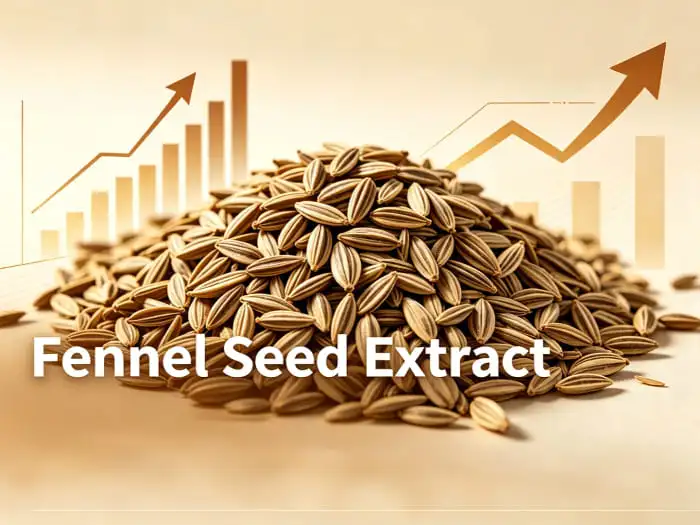
Fennel seed extract, which comes from the mature seeds of Foeniculum vulgare Mill, is one of the most important ingredients in gut health products. This concentrated botanical ingredient solves important formulation problems that raw spices can't: it provides consistent bioactive content (mainly trans-anethole, fenchone, and flavonoids) while getting rid of the batch variability and microbial risks that come with raw agricultural materials. For people who are making products and want to use reliable ingredients to help the digestive system, this extract provides a standardised answer with proven properties that help the digestive system feel better.
Understanding Fennel Seed Extract and Its Digestive Benefits
Botanical Origins and Extraction Technology
Foeniculum vulgare is in the Apiaceae family and has been grown for hundreds of years in temperate areas around the world, including the Mediterranean. To concentrate bioactive substances, modern extraction methods use water-ethanol solvent systems and then spray-drying technology. Using this method makes extract ratios between 4:1 and 20:1, which are much stronger than raw ground seeds, which only have 1% to 3% volatile oils.
The extraction method keeps important bioactive markers while getting rid of unwanted plant matter and lowering the number of microbes to levels that meet pharmaceutical standards. Standardisation makes sure that every batch has the same amount of trans-anethole, which is the main chemical that gives it its licorice-like smell and health benefits. Essential oils break down quickly, but extract powder that has been properly made stays stable during storage and preparation.
Core Digestive Mechanisms
This plant extract helps the digestive system in a number of different ways. It is known that trans-anethole blocks calcium channels in smooth muscle tissue, which helps the walls of the intestines relax and eases cramps. This antispasmodic effect helps ease the pain that comes with bloating and gas buildup in the intestines.
According to studies published in phytotherapy journals, fennel chemicals help the body make digestive enzymes, which break down complex nutrients. Antioxidant action from the flavonoids helps protect cells lining the gut from oxidative damage, which can lead to a number of digestive disorders. The extract also has some mild antimicrobial qualities that might help keep the balance of healthy gut bacteria without hurting the good bacteria.
Based on clinical observations, regular consumption may help keep the stomach moving, which helps food move through the digestive system as quickly as possible. This action lowers the chances of fermentation happening in the bowels, which is a main reason why gas and bloating happen. Because of these effects working together, the extract is especially useful for making products that help with occasional stomach pain.
Quality Standards for B2B Procurement
For professional-grade fennel extract powder, strict quality control procedures are needed that are important to regulatory managers and QA/QC teams. High-Performance Liquid Chromatography (HPLC) and Gas Chromatography (GC) tests show that the amount of trans-anethole fits the requirements, which are usually above 1% for standard grades. Thin Layer Chromatography (TLC) is a way to confirm the plant identity of something, and it can tell the difference between real fennel material and possible fakes like star anise residues.
We can't skip over the need for contaminant screening. ICP-MS tests for heavy metals makes sure that Lead stays below 3ppm, Arsenic stays below 1ppm, Cadmium stays below 1ppm, and Mercury stays below 0.1ppm. Since growing fennel requires agricultural chemicals, a full pesticide residue study that includes more than 500 compounds according to EC 396/2005 or USP standards keeps batches from being turned down in regulated markets.
Microbiological control keeps the Total Plate Count below 10,000 cfu/g and makes sure that no harmful organisms like Salmonella, E. Coli, or Staphylococcus aureus are present. These factors, which are checked using AOAC methods, make sure that the ingredient meets the standards for food and medicine that people can directly eat.
How to Use Fennel Seed Extract Effectively in Products and Formulations?
Dosage Ranges and Formulation Forms
To develop a product well, you need to know the right dosage parameters for each delivery method. Most capsule formulations have between 100 mg and 300 mg of standardised extract per serving. This makes it possible for customers to easily take small amounts of medicine. Powders that are meant to be mixed with drinks work well at 200 to 500 mg per dose. The natural flavour profile makes herbal tea blends and functional drinks taste better.
Even though liquid extract concentrates aren't bought in large quantities very often, they are useful for making tinctures and ready-to-drink drinks. Because properly treated powder grades dissolve in water, they can be mixed in watery systems without the need for extra solubilizers. This technical edge makes the formulation simpler and the ingredient list shorter, which is a big plus for positioning clean-label products.
Bioavailability factors affect the choice of structure. Powders that are encapsulated keep volatile compounds from breaking down too quickly and make sure that they are released in the right place in the digestive system. Beverage uses allow for quick absorption, but flavour balancing is needed to hide any bitterness that might happen at higher amounts. The stability profile of the extract makes it useful for functional food uses because it keeps working at normal processing temperatures, like those used in baking and blending.
Safety Profile and Regulatory Compliance
To make a product that is responsibly made, information about side effects and safety requirements must be clear. The extract is usually thought to be safe for adults, but it contains chemicals that have mild oestrogenic activity, so pregnant women shouldn't take it without medical advice. People who are breastfeeding should talk to their doctors before using, but traditional galactagogue uses suggest that it might help with breastfeeding, which needs more clinical research.
Product labels should make it clear what risks might come up if you have a hormone-sensitive disease or take medicine that changes the way your body uses oestrogen. In the US and EU, regulations say that health claims about digestive support must be backed up by strong scientific evidence. This means that companies that want to sell their products legally must have this kind of information. FDA structure-function claim guidelines and EFSA health claim laws set the rules for what can be said on the package.
When GMP standards are followed during production, the whole supply chain can be tracked, from where the raw materials come from to where the finished products are sold. ISO certifications and proof of testing by a third party give procurement leaders peace of mind when they are deciding how reliable a supplier is. These quality systems keep brands safe from contamination events and fines from the government that hurt their market place.
Comparison of Fennel Seed Extract with Other Herbal Digestive Aids
Compositional Advantages Over Alternative Ingredients
There are a lot of different botanical choices in the category of herbal digestive aids, and each one has a different makeup. Ginger extract contains compounds called gingerols that work on nausea and stomach motility by using various receptor paths. Peppermint oil contains menthol, which relaxes the lower esophageal sphincter and makes you feel cool. This means that it shouldn't always be used in acid reflux medicines.
Fennel extract stands out because it has balanced, multipurpose effects that help with gas, bloating, and cramping without the side effects that come with peppermint's sphincter-relaxing effects. Although foeniculum vulgare extract and fennel have similar flavour profiles, fennel has a wider range of flavonoids and is a better antioxidant. Trans-anethole amounts are usually higher in high-quality fennel extracts compared to anise materials that you can buy in stores.
Even though traditional fennel tea is important to culture, it doesn't always produce bioactive compounds because the steeping times, water temperatures, and quality of the raw materials are all different. Extract powder gets rid of these preparation variables, so the compound concentrations in every serve are always the same. This consistency is very important for brands of dietary supplements that make specific promises about how well they work and need results that can be repeated.
Organic Certification Impact on Procurement Decisions
Organic certification through the USDA NOP or EU guidelines changes both how people think about quality and how pure things really are. Certified organic fennel farming doesn't allow the use of synthetic pesticides, which lowers the chance of residue screening fails that can stop production runs. The higher cost of organic materials comes from stricter oversight of farms and lower crop yields. Procurement teams have to weigh these factors against the need to place products in the market.
Non-GMO certification is more useful for synthetic ingredients than for botanical ingredients, but it adds to the marketing variety in customer markets that care more and more about agricultural transparency. Third-party certifications from well-known organisations in target markets give products more authority, which helps them be positioned as high-end. These quality indicators are especially useful for practical food and drink brands that want to attract health-conscious customers.
When reviewing what different suppliers have to offer, testing documentation is very helpful. Certificates of Analysis (COA) that show that specifications are always met across multiple batches are a sign of a solid quality system. Suppliers who offer full testing results that include heavy metals, pesticides, microbiology, and active ingredient quantification help regulators approve products more quickly and make quality control easier for the company itself.
Sourcing and Procurement Guide for Fennel Seed Extract
Supplier Evaluation Criteria
To find trustworthy extract suppliers, you need to carefully look at their production capabilities and quality control methods. Facilities that are GMP-certified show that they are committed to production standards for pharmaceuticals that protect the purity of the product. Even though they take a lot of time and money, site surveys show more about the real conditions of production than what the paperwork says. For initial supplier screening, virtual facility tours and third-party audit reports are two other ways to make sure the seller is trustworthy.
Supply chain openness is becoming more important for brands that are being questioned about where their ingredients come from. When suppliers give paperwork that connects finished extracts to specific farming areas and harvest times, it's easier to keep track of risks during investigations into contamination. This openness also backs up claims of sustainability that appeal to environmentally aware markets.
Planning your inventory and figuring out how much working capital you need are affected by minimum order quantities (MOQ) and production wait times. Established sources with a lot of production capacity usually keep popular extract grades in stock, which makes it easy to meet standard requirements quickly. Custom requests for standardisation that focus on particular bioactive percentages or particle size distributions take longer to process, but they offer benefits to the formulation that make it worth making changes to the plan.
OEM and ODM Collaboration Opportunities
Contract manufacturing partnerships include more than just providing ingredients; they also include helping to build the whole product. OEM deals let brands use manufacturing know-how and already-bought equipment without having to spend money on new equipment. ODM relationships offer complete solutions where makers share their knowledge of formulations and regulatory paperwork, which speeds up the time it takes to enter a new market.
Protocols for asking for samples should set clear criteria for evaluation, such as chemical testing, stability testing, and small-scale formulation trials. Reliable sellers give out samples that are representative of the whole and come with COAs that make it easy to compare the quality objectively. These early tests find any possible interface problems so that big purchases that might not work when production levels are raised are not made.
The difference between exceptional suppliers and commodity vendors is the availability of technical help. Access to formulation scientists who know about regulatory requirements, methods for improving bioavailability, and ways to make the manufacturing process more efficient adds value on top of the raw material itself. This consultative method works especially well for new brands that don't have a lot of R&D resources in-house.
Future Outlook and Trends in Fennel Seed Extract Usage for Digestion
Market Demand Dynamics
As people become more interested in plant solutions for digestive health, the demand for herbal ingredients that have been tested and proven to work will continue to rise. Market study shows that the digestive health supplement category is growing by more than 10% each year. This is because people are living longer and learning more about the gut-brain axis connections. Fennel extract has a history of traditional use and is now being shown to work in clinical trials, which makes it a good choice for this growing market.
As more people look for convenient ways to take care of their health besides pills and capsules, functional beverage uses are expected to grow quickly. Herbal mixes that are ready to drink, tablets that fizz, and protein-boosting smoothie additions are all ways that properly processed fennel seed extract grades can be used in new products. Water-soluble versions are designed to solve technical problems in clear beverage systems where turbidity makes the drinks less appealing to customers.
Specific digestive support products that handle specific issues are more likely to be made now that personalised nutrition is popular than general "gut health" products. Formulations that mix fennel with chemicals that work well together, like probiotics, digestive enzymes, or fibre, make products that are worth the extra money because they work better. To make these complicated mixtures, ingredient suppliers need to know a lot about how ingredients interact with each other and how to keep the mixture stable.
Regulatory Evolution and Compliance Requirements
The rules in big markets are getting tighter about what paperwork is needed and how claims can be backed up. As the European Union continues to change its rules on plant ingredients, it will have an effect on what health claims are allowed and what safety paperwork is needed. Enforcement steps taken by the US Food and Drug Administration (FDA) against companies making false structure-function claims show how important it is for product marketing language to be backed up by strong scientific evidence.
Proactive sellers stay up to date on changes to regulations and make the necessary changes to documentation packages. This method looks to the future to keep client brands safe from gaps in compliance that could lead to letters of warning or product recalls. Regulatory monitoring services and consulting ties with specialised lawyers are two important ways for suppliers to set themselves apart.
As corporate responsibility reporting becomes more common, sustainability certifications and environmental impact factors play a bigger role in buying choices. Carbon footprint documentation, water usage efficiency metrics, and fair-trade sourcing verifications make evaluating suppliers more difficult, but they are in line with what the market expects in the long run. When brands start using transparent sourcing methods early, they get a competitive edge because they know these needs will come up.
Conclusion
The strategic integration of high-quality botanical extracts into digestive health formulations requires balancing efficacy, regulatory compliance, and supply chain reliability. Standardized extract powder delivers consistent bioactive content that supports predictable product performance, addressing core formulation challenges that raw botanicals cannot solve. Rigorous quality control protocols including HPLC assay verification, comprehensive contaminant screening, and microbiological testing ensure pharmaceutical-grade materials suitable for regulated markets. As consumer demand for natural digestive solutions continues expanding, procurement professionals benefit from partnering with suppliers who provide technical expertise, flexible customization options, and robust documentation supporting regulatory compliance across target markets.
FAQ
What distinguishes standardized extract powder from ground fennel seeds?
Standardized extract powder undergoes solvent extraction and concentration processes that dramatically increase bioactive compound density compared to raw ground seeds. While whole seeds contain 1-3% volatile oils, quality extracts deliver 4:1 to 20:1 concentration ratios with verified trans-anethole content. This standardization eliminates batch-to-batch variability inherent in agricultural crops and reduces required dosage volumes in finished products. Extract powder also undergoes microbial reduction processing that removes pathogenic organisms present in raw spice materials, making it suitable for pharmaceutical and dietary supplement applications requiring stringent microbiological specifications.
Which certifications matter most when selecting an extract supplier?
GMP certification demonstrates adherence to pharmaceutical manufacturing standards covering facility design, equipment maintenance, personnel training, and documentation practices. ISO 9001 quality management certification indicates systematic process control and continuous improvement culture. Organic certification through USDA NOP or EU organic programs ensures agricultural practices met strict standards prohibiting synthetic pesticide use. Third-party testing verification from independent laboratories adds credibility to supplier-provided Certificates of Analysis. Kosher and Halal certifications expand market access for products targeting specific consumer populations with religious dietary requirements.
How should extract powder be stored to maintain potency?
Proper storage conditions significantly impact shelf life and bioactive compound stability. Extract powder should remain in sealed, moisture-barrier containers stored in cool, dry environments away from direct sunlight. Temperature control below 25°C (77°F) prevents degradation of heat-sensitive volatile compounds. Relative humidity below 60% prevents moisture absorption that can trigger microbial growth or caking. Nitrogen flushing during packaging extends shelf life by reducing oxidative degradation. When stored under these controlled conditions, quality extract powder typically maintains specification compliance for 24-36 months from manufacturing date, though specific stability data should be confirmed with your supplier based on extract grade and standardization level.
Partner with Wellgreen for Premium Fennel Seed Extract Supply
Wellgreen Technology stands as a trusted fennel seed extract manufacturer delivering pharmaceutical-grade botanical ingredients to nutraceutical brands, functional food producers, and contract manufacturers worldwide. Our GMP-certified production facility maintains extensive inventory of standardized extract grades with complete analytical documentation including HPLC assays, heavy metal screening, pesticide residue testing, and microbiology verification. We support OEM requirements with flexible minimum order quantities and provide comprehensive technical guidance for formulation development. Our quality assurance protocols ensure every batch meets strict international standards, protecting your brand reputation and regulatory standing. Connect with our technical team at wgt@allwellcn.com to request samples, discuss custom standardization specifications, or explore private-label opportunities. Visit wellgreenherb.com to access detailed product specifications and discover how our ingredient expertise can accelerate your product development timeline while maintaining the uncompromising quality your customers expect.
References
Badgujar SB, Patel VV, Bandivdekar AH. Foeniculum vulgare Mill: A Review of Its Botany, Phytochemistry, Pharmacology, Contemporary Application, and Toxicology. BioMed Research International. 2014;2014:842674.
Rahimi R, Ardekani MRS. Medicinal properties of Foeniculum vulgare Mill. in traditional Iranian medicine and modern phytotherapy. Chinese Journal of Integrative Medicine. 2013;19(1):73-79.
Birdane FM, Cemek M, Birdane YO, Gülçin İ, Büyükokuroğlu ME. Beneficial effects of Foeniculum vulgare on ethanol-induced acute gastric mucosal injury in rats. World Journal of Gastroenterology. 2007;13(4):607-611.
Alexandrovich I, Rakovitskaya O, Kolmo E, Sidorova T, Shushunov S. The effect of fennel (Foeniculum vulgare) seed oil emulsion in infantile colic: a randomized, placebo-controlled study. Alternative Therapies in Health and Medicine. 2003;9(4):58-61.
European Medicines Agency. Assessment report on Foeniculum vulgare Miller. Committee on Herbal Medicinal Products. 2008;EMA/HMPC/137428/2006.
Ostad SN, Soodi M, Shariffzadeh M, Khorshidi N, Marzban H. The effect of fennel essential oil on uterine contraction as a model for dysmenorrhea, pharmacology and toxicology study. Journal of Ethnopharmacology. 2001;76(3):299-304.