Fenugreek Extract Powder: Benefits, Uses, and Scientific Evidence
2026-01-08 13:54:54
Fenugreek extract powder is a concentrated plant-based ingredient from the seeds of Trigonella foenum-graecum. It can be used in a wide range of nutraceutical, pharmaceutical, and cosmetic uses. This strong herbal extract has bioactive compounds that are effective at different concentrations in a range of businesses. Our deep study looks into the science behind the uses of fenugreek extract powder. This gives people who buy goods important information to help them make decisions about product development and smart sourcing. Knowing these proof-based benefits helps you make smart buying decisions and build long-lasting relationships with suppliers in the competitive plant extract market.
Understanding Fenugreek Extract Powder: Composition and Properties
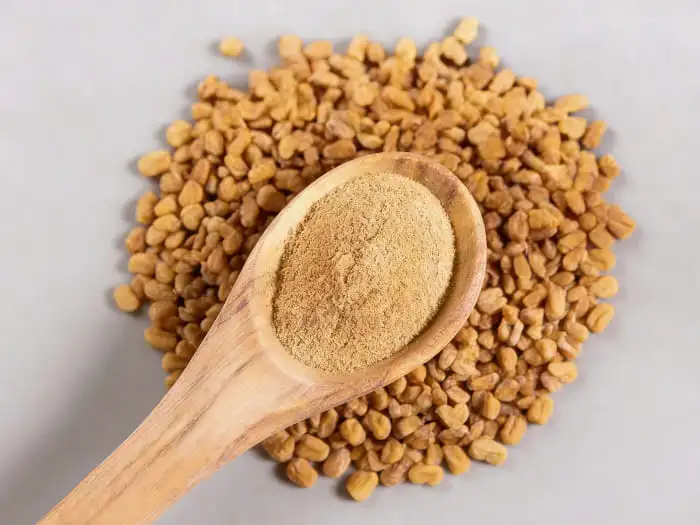
Fenugreek seeds are made into a standard powder by complex methods that focus on their medicinal parts. The fenugreek extract that comes from this process has strong saponins like diosgenin and 4-hydroxyisoleucine. It also has flavonoids, alkaloids, and galactomannans that make it useful for medicine.
Bioactive Compounds and Extraction Methods
Modern methods of extraction use supercritical CO2 or ethanol-water solvents to keep the integrity of the compounds and still get the right amount of potency. Good fenugreek extracts usually have 50% saponins by weight. The amount of 4-hydroxyisoleucine standardized varies from 20% to 60% based on how it is used. These concentrated actives have a much higher absorption than raw seed powders.
Historical Applications and Modern Evolution
Fenugreek has been used for a long time in both Ayurvedic and Mediterranean medicine to help with digestion and metabolism. New studies have confirmed many of the things that were done in the past and found new ways to use them in makeup and blood sugar and heart health products. The move from using fenugreek as a traditional medicine to an evidence-based ingredient shows that it is still useful for treating illnesses.
Health Benefits and Functional Uses of Fenugreek Extract Powder
Clinical studies show that natural fenugreek extract is effective in many different areas of health, which makes it useful for making many different kinds of products. Studies have consistently shown that adding standardized fenugreek extracts to something makes metabolic parameters, inflammatory markers, and general health better.
Blood Sugar Management and Metabolic Support
Several randomized controlled studies have shown that fenugreek extract can help people tolerate glucose better and become more sensitive to insulin. A study from 2017 that came out in Phytotherapy Research showed that fenugreek extract (500 mg taken every day) lowered fasting blood glucose by 18% over the course of 12 weeks. 4-hydroxyisoleucine is a useful ingredient for diabetes supplements because it increases insulin sensitivity in the body and boosts insulin release when glucose is present.
Cardiovascular and Anti-inflammatory Effects
Fenugreek saponins help the heart by lowering cholesterol and making arteries work better. Clinical data shows that taking the vitamin regularly lowers total cholesterol and LDL levels by 15–20%. Also, the anti-inflammatory ingredients in the extract help control cytokine production, which is good for your heart and lowers general inflammation.
Weight Management and Appetite Control
Galactomannan fibers in fenugreek extract help control hunger by making you feel full and slowing down gastric emptying. Studies show that people who take standardized fenugreek pills eat 14% to 17% less calories each day. These features make it especially useful for goods that are aimed at keeping people healthy and that help with metabolic health and managing their weight.
How to Use Fenugreek Extract Powder Safely and Effectively?
Proper dosing procedures make sure that safety standards are met across different application categories. Understanding bioavailability factors, concentration ratios, and possible combinations helps with both making products and following the rules.
Dosage Guidelines for Different Applications
A daily dose of 300 to 600 mg of a standardized extract with 50% saponins is usually used in supplement products. A hundred to two hundred milligrams of a functional food must be mixed into each serve in order to find a balance between effectiveness and taste. Cosmetics use 0.5% to 2% concentrations, based on how active the product should be and what it is made of.
Safety Considerations and Regulatory Compliance
Fenugreek extract is very safe for healthy people. The most common side effects at higher doses are mild stomach-related issues. Therapeutic doses should not be used by pregnant women because they might make the uterus more active. Quality manufacturers keep detailed safety records that back GRAS status and get approval from regulators in major markets around the world.
Selecting and Procuring High-Quality Fenugreek Extract Powder
Sourcing decisions significantly impact final product quality, regulatory compliance, and market success. Looking at a supplier's skills, testing methods, and certification rules makes sure the quality of the raw materials doesn't change and gets the best results for procurement.
Quality Indicators and Testing Parameters
Premium fenugreek seed extract powder is tested for heavy metals, pesticides, microbiological contaminants, and active ingredient concentrations. Trustworthy sellers give you records of analysis that show the amount of saponin, the level of moisture, and how the particles are spread out. Third-party testing proof makes the product more believable and helps meet the rules in markets around the world.
Organic versus Conventional Options
Organic fenugreek extracts have higher prices but also help products look like they are made with only natural ingredients. When handled correctly, conventional extracts provide the same active compounds at a lower cost. When procurement teams choose between organic and conventional choices, they should think about the rules, costs, and what the target market likes.
Company Introduction & Product Service Information
Wellgreen Technology specializes in making high-quality botanical extracts. They can do everything from study and production to quality assurance. Our modern, GMP-certified plant makes standardized fenugreek extracts that meet quality standards around the world and also meet a wide range of customer needs.
Product Portfolio and Customization Services
Standardized saponin concentrations from 20% to 50% and organic certified choices are part of our fenugreek extract portfolio, as well as custom formulation services that are tailored to specific application needs. We have a lot of stock on hand to make sure that our supply is always reliable. We also offer flexible minimum order amounts to help both well-known makers and new brands. Private labeling, custom packaging, and technical help all speed up the process of making new products.
Quality Assurance and Supply Chain Reliability
Quality control standards are strict and include checking the materials, watching the process, and testing the finished product with proven analytical methods. Our inventory planning and smart supplier relationships make sure that our supply chain management keeps things in stock all the time. Thorough documentation helps with regulatory submissions, and specialized knowledge helps with the best ways to integrate products.
Conclusion
Fenugreek extract powder is a great option for product makers who want to use plants as ingredients and need proof that they are safe and effective. A lot of study has been done on metabolic health, heart health, and functional uses, which gives a strong basis to a wide range of products. It is important to keep a close eye on the quality of extracts with the right amounts of standardization at every stage of the supply chain in order to be successful. Making smart partnerships with experienced suppliers gives you access to high-quality materials, technical knowledge, and reliable shipping schedules that are necessary for a strong market position.
FAQs
What is the difference between fenugreek extract powder and whole seed powder?
Fenugreek extract powder contains concentrated bioactive compounds through specialized extraction processes, typically achieving 20-50% saponin content compared to 2-5% in whole seed powder. This concentration provides enhanced bioavailability and therapeutic potency while requiring smaller dosages for equivalent effects.
How should fenugreek extract powder be stored to maintain potency?
Store fenugreek extract in sealed containers away from direct light, moisture, and heat sources. Optimal storage conditions include temperatures below 25°C with relative humidity under 60%. Proper storage maintains active compound stability for 24-36 months when following these guidelines.
Is fenugreek extract powder suitable for vegetarian and vegan formulations?
Yes, fenugreek extract powder is plant-derived and appropriate for vegetarian, vegan, and clean-label formulations. Quality suppliers provide documentation confirming no animal-derived processing aids while meeting organic certification requirements when specified.
Partner with Wellgreen for Premium Fenugreek Extract Solutions
Ready to explore premium fenugreek extract powder for your product development needs? Wellgreen Technology offers comprehensive solutions including standardized extracts, custom formulations, and technical support services designed for nutraceutical and pharmaceutical manufacturers. Our GMP-certified facility ensures consistent quality while competitive bulk pricing supports profitable product development. Contact our experienced team to discuss your specific requirements, request samples, or explore OEM partnership opportunities that can accelerate your market success. Reach out to our fenugreek extract powder supplier team at wgt@allwellcn.com for detailed product specifications and personalized consultation services.
References
Basch, E., Ulbricht, C., Kuo, G., Szapary, P., & Smith, M. (2003). Therapeutic applications of fenugreek. Alternative Medicine Review, 8(1), 20-27.
Neelakantan, N., Narayanan, M., de Souza, R. J., & van Dam, R. M. (2014). Effect of fenugreek (Trigonella foenum-graecum L.) intake on glycemia: a meta-analysis of clinical trials. Nutrition Journal, 13(1), 7-15.
Sharma, R. D., Raghuram, T. C., & Rao, N. S. (1990). Effect of fenugreek seeds on blood glucose and serum lipids in type I diabetes. European Journal of Clinical Nutrition, 44(4), 301-306.
Mathern, J. R., Raatz, S. K., Thomas, W., & Slavin, J. L. (2009). Effect of fenugreek fiber on satiety, blood glucose and insulin response and energy intake in obese subjects. Phytotherapy Research, 23(11), 1543-1548.
Gaddam, A., Galla, C., Thummisetti, S., Marikanty, R. K., Palanisamy, U. D., & Rao, P. V. (2015). Role of fenugreek in the prevention of type 2 diabetes mellitus in prediabetes. Journal of Diabetes & Metabolic Disorders, 14(1), 74-82.
Fuller, S., & Stephens, J. M. (2015). Diosgenin, 4-hydroxyisoleucine, and fiber from fenugreek: mechanisms of actions and potential effects on metabolic syndrome. Advances in Nutrition, 6(2), 189-197.