Ginger Extract: Benefits, Uses, and Safety
2026-05-18 14:46:09
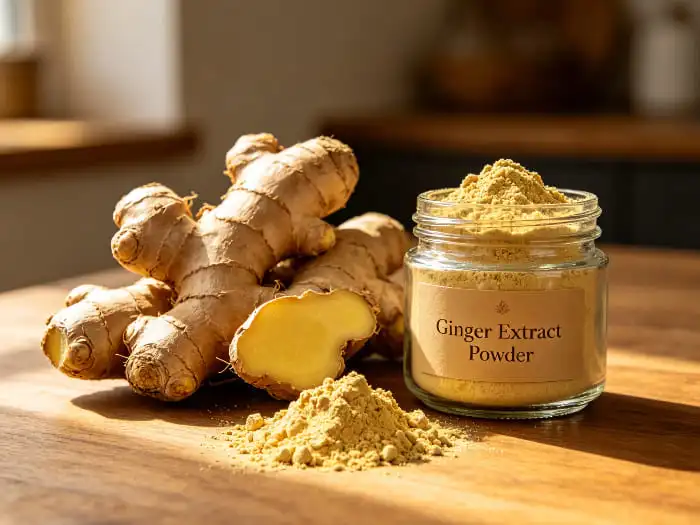
Ginger extract, which comes from the rhizomes of Zingiber officinale, is one of the most commonly used plant-based products in the world. Through advanced extraction methods, this concentrated bioactive substance provides consistent amounts of gingerols and shogaols. Its potency is higher than that of raw ginger. If you work in nutraceutical formulation, functional beverage development, or cosmetic innovation, you need to know about this versatile ingredient's technical specs, health uses, and regulatory landscape in order to make competitive products and buy them in a way that is legal.
Understanding Ginger Extract: Composition and Key Properties
What Makes Ginger Extract Different from Raw Ginger?
Concentration and uniformity are what make the difference. Fresh ginger root has about 1% to 3% bioactive compounds, but properly made ginger extracts have 5 to 20% gingerol content, which has been proven by High-Performance Liquid Chromatography (HPLC). This concentration allows for exact formulation control, which is especially important when making dietary supplements that need to make specific label claims or functional drinks that need the flavor intensity to be the same from batch to batch.
The end product's profile is largely determined by the methods used for industrial extraction. Supercritical CO2 extraction keeps volatile oils safe and makes solvent-free extracts that are great for organic certifications. Ethanol extraction, on the other hand, is more cost-effective for large-scale food uses. Essential oils made by steam distillation have a lot of aromatic molecules but not as many gingerols. This means they are better for topical formulations than oral supplements.
Primary Bioactive Compounds and Their Technical Significance
Gingerols, especially 6-gingerol, are the main strongly smelling chemicals that give ginger its unique taste and health benefits. When gingerols are processed or stored, they lose water and change into shogaols. This makes the spice level stronger and changes the functional features. This change is very important for beverages because heat during processing can change the ratio of gingerol to soghaol, which can change both how the drink tastes and its health benefits.
The volatile oil fraction, which makes up 2–5% of the best extracts, has zingiberene and beta-sesquiphellandrene in it. These chemicals add to the complexity of the smell and work well with gingerols. This "entourage effect" makes the drug more bioavailable and effective, which is why whole-spectrum extracts often work better in clinical settings than isolated chemicals. Instead of just comparing gingerol percentages, procurement teams can choose extracts that are best for the end use by knowing these small differences in composition.
Physical Forms and Their Industrial Applications
Modern production makes ginger extracts in different physical states that are best for different uses. Powders that are free to flow and have controlled particle size (usually 80–100 mesh) are easy to mix and add to capsules and dry mixes. Oleoresins, on the other hand, give concentrated flavors to beverage systems. Adding lipophilic ginger compounds to clear drinks that doesn't cause "ringing" or sedimentation in acidic pH settings is hard, but water-soluble micro-emulsion formats solve this problem.
There are different things to think about when treating each format. Powder extracts usually have less than 5% moisture and need to be kept away from humidity to keep them flowing and stop them from caking. Oleoresins need to be stored at a controlled temperature to keep volatile chemicals from breaking down and oxidation from happening. These technical factors have a direct effect on the stability of the formulation, the shelf life, and, in the end, the success of the product in the market.
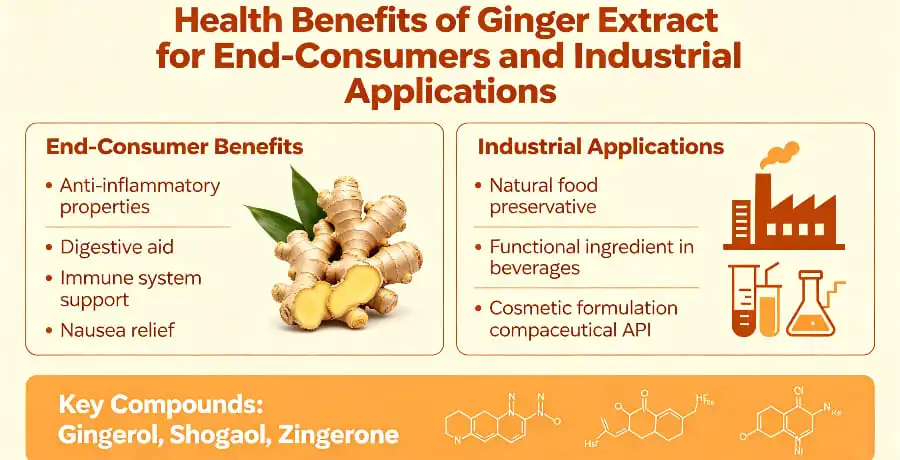
Health Benefits of Ginger Extract for End-Consumers and Industrial Applications
Digestive Health Support and Anti-Nausea Properties
Ginger has been shown to help with many types of nausea in clinical studies. It can help with motion sickness, morning sickness during pregnancy, and nausea caused by treatment. A study in the American Journal of Obstetrics and Gynecology looked at many studies and found that pregnant women who took ginger supplements felt much less sick without any negative effects. Label claims for digestive health products are backed up by this body of data. This makes ginger extracts one of the most common ingredients in gastrointestinal support products around the world.
The mechanism works by interacting with serotonin receptors in the digestive system. This changes the rate of movement and weakens spasmodic contractions. This knowledge of pharmacology helps formulators place ginger-based goods for specific groups of customers and create mix formulas that treat multiple digestive problems at the same time.
Anti-Inflammatory and Joint Health Applications
Gingerols and shogaols stop the cyclooxygenase (COX) and lipoxygenase (LOX) pathways from working. This lowers the production of prostaglandins and inflammation mediators. Multiple randomized controlled studies have shown that ginger can help manage the symptoms of osteoarthritis. This is because it blocks two different pathways. The journal Arthritis & Rheumatism found that osteoarthritis patients who took standardized ginger extract for six weeks had less knee pain.
Nutraceutical companies can use this scientific support to put ginger extracts in the competitive joint health category. The extracts can be used on their own or with glucosamine, chondroitin, or boswellia. Ginger is especially appealing to people who want to avoid traditional non-steroidal anti-inflammatory drugs because it comes from plants and is generally safe.
Antioxidant Properties and Metabolic Support
New study shows that ginger has a role in metabolic health in addition to its traditional uses. The antioxidant properties of gingerols are very strong. They get rid of free radicals and help protect cells from reactive stress. Studies show that it might help control blood sugar and improve lipid profiles, which could lead to new business possibilities in the functional food industry that focuses on metabolic wellness.
Because ginger chemicals can make you burn fat, they are also used in weight loss products. For example, ginger extracts are found in energy drinks and pre-workout supplements. Because ginger extracts can be used in so many different health areas, they are strategically useful for companies that are making full lines of wellness products.
Practical Uses and Handling of Ginger Extract in Procurement and Production
Applications in Functional Beverages and RTD Products
One of the industries using ginger extracts that is growing the fastest is healthy beverages. They are used in wellness shots, ginger beers, kombucha, and ready-to-drink items that boost the immune system. Some technical problems that need to be solved are keeping the clarity of clear formulas and stopping phase separation in acidic environments. These problems can be fixed with water-soluble forms made with micro-emulsion technology. They keep their flavor and look good without the need for extra stabilizers.
To make health claims about gingerol, drink makers have to find a mix between how strong the flavor is and how well it tastes to consumers. To do this, you need to be very careful when choosing the specs of the extract. Many people choose a standard 5–10% gingerol content, which gives a noticeable warmth without overpowering other flavor notes. Because shogaols don't change much at high temperatures, they work well in pasteurized drinks and keep their strength through hot-fill processing.
Integration into Dietary Supplements and Nutraceuticals
Capsules and softgels make up most of the ginger vitamin market. Standardized high-potency extracts of 20% gingerols allow for smaller dosage forms that still meet clinical effectiveness standards, which are usually between 250 mg and 500 mg per serve. Manufacturers often mix ginger with black pepper extract (piperine) to improve absorption and get around the problems that lipophilic chemicals have with bioavailability.
When making supplements, quality control is very important. Gingerol content that stays the same from batch to batch makes sure that effects are reliable and that label claims are true. Supplement makers can meet the high quality standards needed by regulators and picky customers when they get Certificates of Analysis from suppliers that include HPLC verification, heavy metal screening, and microbial testing.
Cosmetic and Personal Care Formulations
For heating massage oils, hair growth serums, and anti-aging creams, the dermocosmetic industry uses ginger ingredients. When applied to the skin, the rubefacient properties improve circulation, causing sensory experiences that are popular in spa and wellness products. Cosmetic chemists need extracts with less terpene so that they don't irritate the skin too much while still delivering antioxidants for anti-aging effects.
The choice of extract is based on how well it mixes with different types of makeup bases, such as water-based serums, oil-based creams, or emulsion systems. Glycerin-based extracts can be used in a wide range of formulations, while oil-soluble ginger extract powders work well in lipstick creams and massage oils.
Safety, Side Effects, and Regulatory Compliance for Ginger Extract Procurement
Understanding Tolerance and Contraindications
While ginger is usually thought to be safe, taking it as a supplement may cause mild stomach problems like heartburn or stomach pain in sensitive people, especially if they take more than 5 grams of ginger every day. There have been a few reports of allergic responses, which shows how important it is to have clear allergen labels. When setting recommended serving sizes and writing label warnings, product makers should keep these things in mind.
Anticoagulant drugs may not work well with ginger because it may make you more likely to bleed when taken with warfarin or aspirin. Supplement brands that are responsible put warnings on their products that tell people who are taking medications to talk to their doctors first. This proactive approach to customer safety boosts the credibility of the brand and lowers its risk of being sued.
Certification Requirements and Quality Standards
To meet the needs of the market, certification packages need to be strong. Organic approval (USDA NOP, EU Organic) proves that farming and processing do not use pesticides, which leads to higher prices and a more prestigious position. Non-GMO certification eases consumers' worries about genetic engineering, and Kosher and Halal approvals help businesses reach customers from certain cultures.
Good Manufacturing Practice (GMP) certification is still necessary for supplement uses because it shows that quality systems are being followed to keep products consistent and stop contamination. Third-party testing programs like NSF International, Informed Choice, and others give extra confidence to sports nutrition goods by making sure they don't contain any banned substances.
Compliance with International Regulatory Frameworks
Ginger is generally thought to be safe (GRAS) for use in food in the United States, but it has to follow the rules set by the Dietary Supplement Health and Education Act (DSHEA) for dietary supplements. Structure-function claims must be backed up, and disease treatment claims should not be made until accepted New Drug Applications have been submitted.
Novel Food evaluations are required by EFSA rules for some concentrated products in the European Union. However, each member state has its own rules about health claims. To get around this complicated environment, suppliers need to know what the rules are in each country and keep records that show they're following the rules in all target markets.
How to Choose the Right Ginger Extract Supplier: A B2B Procurement Guide
Evaluating Technical Capabilities and Customization Support
Assessing technical skills is the first step in choosing the right seller. Can they offer more than one gingerol standard to meet the needs of different applications? Formulators can find the best cost-performance ratios by giving standardizations of 5%, 10%, 15%, and 20%. Suppliers who can optimize flavors by removing harsh notes while keeping the potency give consumer-facing goods a competitive edge.
Advanced manufacturers are different from commodity suppliers because they can make water-soluble formats that are especially designed for use in beverages. This technical knowledge has a direct effect on the success of creation, cutting down on the time it takes to make and the money it costs to make again when there are problems with stability or taste.
Quality Assurance and Supply Chain Reliability
Consistent supply is a very important issue for brands that are increasing output. Suppliers who keep large inventory buffers and a variety of sourcing ties lower the risk of disruption caused by changes in crops or problems with logistics. Supply chain stability can be seen by asking about cultivation partnerships and inventory management methods.
Quality records should have testing results for each batch that measure the amount of active compounds, check for heavy metals like lead, cadmium, mercury, and arsenic, look for pesticide residues, and confirm microbiologically. In addition to providing basic ingredients, suppliers who offer extra testing services like stability studies or compatibility testing with customer formulas add value.
Evaluating Certifications and Regulatory Compliance
In addition to basic certifications, you should check to see if providers have documentation systems that are ready for audits. Can they give a full history of the product from growing it to being packaged and extracted? This openness is very important during checks by regulators or when answering questions from retail partners about the supply chain.
ISO standards (ISO 9001 for quality management and ISO 22000 for food safety) show that a process can be controlled and improved in a planned way. When compared to suppliers who don't have official quality frameworks, these management systems make long-term partnerships more reliable by reducing variability.
OEM Support and Partnership Potential
When brands are thinking about private-label development or contract manufacturing relationships, looking at what OEMs can do can give them more strategic choices. Suppliers who offer "turnkey" options, which include everything from formula development to packaging and labeling, help new brands get to market faster and with less money.
Partnership-oriented suppliers offer technical support during product development, such as application advice and troubleshooting help. Transactional vendors, on the other hand, only sell products. This collaborative method is especially helpful when dealing with tricky formulation issues or looking into new ways to deliver medicines.
Conclusion
Sourcing high-quality ginger root extracts requires balancing technical specifications, regulatory compliance, and supply chain reliability. The compound's proven efficacy across digestive health, inflammation management, and metabolic support makes it indispensable for diverse product categories. Successful procurement strategies prioritize suppliers demonstrating standardization capabilities, comprehensive certifications, and technical support infrastructure. As consumer demand for clean-label, science-backed ingredients continues growing, ginger extracts positioned with proper documentation and application expertise will capture expanding market opportunities. Strategic supplier partnerships that emphasize quality consistency, regulatory transparency, and formulation collaboration deliver competitive advantages in increasingly sophisticated global markets.
FAQ
What is the typical shelf life of ginger extract and how should it be stored?
Properly stored ginger extract powder maintains potency for 24-36 months from manufacturing date when kept in sealed containers at controlled temperature (below 25°C) with low humidity (below 60% RH). Oleoresin forms require refrigeration and demonstrate 18-24 month stability. Light exposure degrades gingerols, necessitating opaque or amber packaging. Always verify storage recommendations with your supplier and conduct periodic testing to confirm compound stability throughout the product lifecycle, particularly when operating in warm climates or extended distribution channels.
Can ginger extracts interfere with pharmaceutical medications?
Ginger demonstrates potential interactions with anticoagulant medications, possibly enhancing bleeding risk when combined with warfarin, aspirin, or clopidogrel. Caution is advised for patients with bleeding disorders or scheduled for surgery. Limited evidence suggests possible interactions with diabetes medications due to blood sugar effects. Responsible formulation includes appropriate label warnings advising healthcare consultation for consumers taking medications. This precautionary approach protects consumer safety while maintaining ethical marketing standards.
How can procurement teams verify extract authenticity and purity?
Request Certificates of Analysis with HPLC chromatograms showing gingerol and shogaol profiles, which should match declared standardization levels within acceptable variance ranges. Third-party laboratory verification provides additional assurance. Assess heavy metal content against Proposition 65 limits and pharmaceutical standards. Evaluate microbiological data confirming absence of pathogens. Reputable suppliers welcome audits and maintain transparent documentation, while reluctance to provide detailed analytical data raises quality concerns warranting additional scrutiny or alternative sourcing.
Partner with a Trusted Ginger Extract Manufacturer
Wellgreen Technology specializes in delivering pharmaceutical-grade botanical extracts engineered for demanding applications across nutraceutical, functional food, and cosmetic industries. Our GMP-certified manufacturing facility produces ginger extracts standardized from 5% to 20% gingerols, with customizable specifications addressing unique formulation requirements. We maintain substantial inventory ensuring supply continuity, support rapid OEM development cycles, and provide comprehensive testing documentation meeting international regulatory standards. Our technical team offers application guidance for beverage systems, supplement formulations, and topical products, solving solubility challenges and optimizing sensory profiles. Whether you require standard specifications or flavor-optimized versions for consumer products, our flexible manufacturing capabilities and responsive customer service support your product innovation goals. Contact our procurement specialists at wgt@allwellcn.com to discuss your specific requirements, request samples, or explore partnership opportunities with a reliable ginger extract supplier committed to quality excellence and competitive advantage.
References
Grzanna, R., Lindmark, L., & Frondoza, C.G. (2005). "Ginger—an herbal medicinal product with broad anti-inflammatory actions." Journal of Medicinal Food, 8(2), 125-132.
Haniadka, R., Saldanha, E., Sunita, V., Palatty, P.L., Fayad, R., & Baliga, M.S. (2013). "A review of the gastroprotective effects of ginger (Zingiber officinale Roscoe)." Food & Function, 4(6), 845-855.
Viljoen, E., Visser, J., Koen, N., & Musekiwa, A. (2014). "A systematic review and meta-analysis of the effect and safety of ginger in the treatment of pregnancy-associated nausea and vomiting." Nutrition Journal, 13(20).
Altman, R.D. & Marcussen, K.C. (2001). "Effects of a ginger extract on knee pain in patients with osteoarthritis." Arthritis & Rheumatism, 44(11), 2531-2538.
Mashhadi, N.S., Ghiasvand, R., Askari, G., Hariri, M., Darvishi, L., & Mofid, M.R. (2013). "Anti-oxidative and anti-inflammatory effects of ginger in health and physical activity: Review of current evidence." International Journal of Preventive Medicine, 4(Suppl 1), S36-S42.
Khandouzi, N., Shidfar, F., Rajab, A., Rahideh, T., Hosseini, P., & Mir Taheri, M. (2015). "The effects of ginger on fasting blood sugar, hemoglobin A1c, apolipoprotein B, apolipoprotein A-I and malondialdehyde in type 2 diabetic patients." Iranian Journal of Pharmaceutical Research, 14(1), 131-140.