Grape Seed Extract Powder Helps Manufacturers Create Stable Plant-Based Ingredient Solutions
2026-08-28 14:00:25
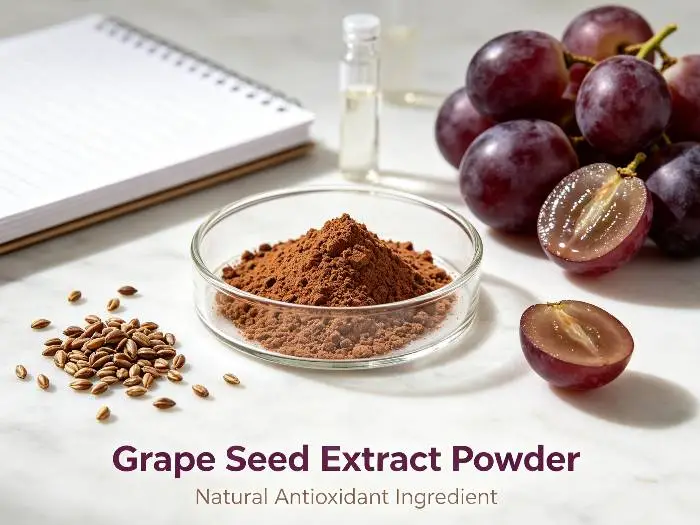
Plant-based formulation stability remains one of the toughest challenges for manufacturers. Grape Seed Extract Powder delivers a powerful solution by offering exceptional antioxidant protection and formulation consistency across nutritional products, cosmetic, and functional food applications.Derived from high-quality Vitis vinifera L. seeds through controlled water-ethanol extraction, this botanical ingredient contains standardized oligomeric proanthocyanidins (OPCs) and polyphenols that effectively neutralize free radicals and extend product shelf life. With its proven efficacy in protecting formulations from oxidation, color degradation, and microbial instability, this extract has become an indispensable raw material for manufacturers seeking reliable, clean-label plant-based ingredients.
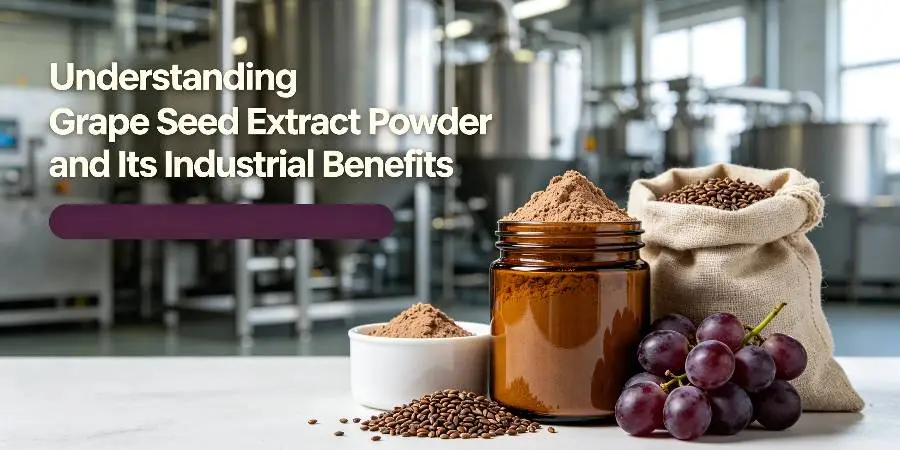
Understanding Grape Seed Extract Powder and Its Industrial Benefits
The first step in the extraction process is getting high-quality red grape seeds from waste products from making wine. The powder gets its high amounts of bioactive chemicals through gentle water-ethanol extraction and cleaning by macroporous resin adsorption. This powder consistently performs well in industrial settings.
What Makes This Extract Different from Generic Antioxidants
The oligomeric proanthocyanidin content is what makes it unique. This content is usually standardized to 95% or higher using HPLC or UV methods. It is said that these OPCs can get rid of free radicals about 20 times better than vitamin C and 50 times better than vitamin E. This kind of bioactivity directly leads to better product stability. Synthetic antioxidants may cause problems with regulations or unpleasant tastes. This natural extract, on the other hand, works well with clean-label product strategies that today's health-conscious customers want.
Multi-Sector Compatibility and Functional Versatility
Manufacturers like how versatile the extract is and how it can be used in a wide range of situations. When incorporated into nutritional supplement formulations, it supports healthy circulation and helps maintain skin brightness through its influence on tyrosinase activity. Cosmetic formulators utilize it in skincare serums and creams to help preserve collagen and elastin integrity. Functional drink makers like grades that dissolve easily in water and don't leave behind any particles or lose their color. Because it stays stable at temperatures below 80°C, it can be used in moderate-heat processing areas that are popular in food making.
Scientific Validation Supporting Commercial Use
Clinical studies on Grape Seed Extract Powder have investigated its safety, bioavailability, and potential physiological effects, allowing producers to develop evidence-based product information while ensuring that regulatory claims comply with applicable requirements. Research published in reputable journals has examined Grape Seed Extract Powder in relation to microcirculation, oxidative balance, and endothelial function. This scientific support can strengthen the market positioning of Grape Seed Extract Powder, particularly in markets where evidence and product transparency influence purchasing decisions among healthcare professionals and informed consumers. For manufacturers, using well-characterized Grape Seed Extract Powder with appropriate scientific and quality documentation can also support responsible product development and regulatory review.
How Grape Seed Extract Powder Solves Key Challenges in Plant-Based Ingredient Formulations
Every person who makes products knows how frustrating it is when natural formulations don't work the same from batch to batch, change color without warning, or oxidize too quickly. In real life, traditional plant-based antioxidants don't always work, which means that finished products can break down while they're being stored and shipped.
Overcoming Oxidation and Shelf Life Limitations
Grape seed extract has polyphenolic compounds that protect cells from oxidative damage. They greatly slow down lipid peroxidation in oil-based formulas and stop browning reactions in drinks and foods when added at the right concentrations. Manufacturers say that their products have a 30% to 60% longer shelf life than versions that only use vitamin E or rosemary extract. The high ORAC value, which is more than 10,000 µmol TE/g, gives the product a measurable antioxidant capacity that makes it last longer.
Addressing Color Stability and Precipitation Issues
Keeping the color of liquid formulations consistent is a persistent technical problem. Because the extract is sensitive to metal ions, changes in pH, and changes in temperature, these things can cause color changes or cloudy drops that you don't want. Specialized grades are now made using advanced manufacturing methods that include proprietary encapsulation or co-processing that keeps the active compounds stable. Water-soluble instant grades dissolve completely in cold drinks leaving no residue, while powdered forms made for tableting don't clump when they're put through high-speed packaging equipment when there is a lot of humidity.
Real-World Performance in Commercial Applications
Think about a company that makes useful drinks that kept getting complaints about sediment building up in their antioxidant drink line. They were able to keep the clarity after switching to a stabilized water-soluble grape seed extract grade and testing it for 18 months under accelerated conditions. Similarly, a cosmetics company got rid of batch color differences in their anti-aging serum by working with a seller that provided absorbance-controlled extract lots that always stayed reddish-brown, no matter what time of year the grapes were picked.
Comparing Grape Seed Extract Powder to Alternative Plant-Based Ingredients
Before making big purchases, procurement managers often look at a number of different botanical options. Knowing the relative benefits of different ingredients helps stakeholders who care about cost-effectiveness and performance metrics understand why certain ingredients should be chosen.
Antioxidant Potency and Cost-Effectiveness Analysis
Pine bark extract and grape seed OPCs share structural similarities, but pine bark typically commands a significant price premium due to more limited raw material availability.Green tea extract has antioxidant properties based on catechins, but it also adds unique vegetal tastes that make finished goods more difficult to taste. Resveratrol has specific benefits for the heart, but it costs a lot more per kilogram, which makes it less useful for most supplement formulations. Blueberry and acai extracts look good on the shelf, but they usually have lower standardized antioxidant concentrations, which means they need to be added at higher rates, which changes the cost of formulation.
Powder Form Advantages for Industrial Manufacturing
While capsules are good for retail sales, powder specs are much better for business-to-business buyers. Bulk powder lets you precisely control the dose while formulating and gets rid of the need for gelatin capsules in vegan product lines. Automated filling equipment works best when the flow properties can be optimized by changing the particle size distribution. High-density granules keep dust levels low in production areas while still being very easy to crush for straight compression tableting. Manufacturers are free to make their own mixes and changes to the potencies without being limited by forms that have already been sealed.
Organic Certification Impact on Supply Chain Decisions
Choosing between organic and conventional Grape Seed Extract Powder can affect both purchasing costs and market positioning. Organic-certified Grape Seed Extract Powder may command higher prices, but it can provide access to natural-product retailers and consumers who specifically look for USDA Organic or EU Organic certification. Conventional Grape Seed Extract Powder that meets applicable USP or European Pharmacopoeia standards can provide a cost-effective option for antioxidant-focused formulations and may be preferred by private-label supplement manufacturers operating with tighter margins. Supply availability can also differ between organic and conventional Grape Seed Extract Powder, as agricultural conditions and seasonal harvesting can influence lead times. During periods of high demand, buyers may need to plan ahead to maintain a stable supply of Grape Seed Extract Powder and avoid production delays.
Procurement Considerations for Bulk Grape Seed Extract Powder
To choose the right supplier, you need to look at more than just unit price. Long-term relationship success depends on things like quality assurance procedures, technical support skills, and the dependability of the supply chain.
Essential Supplier Credentials and Quality Markers
Reputable manufacturers run GMP-certified facilities with well-documented quality systems that cover everything from checking the raw materials to releasing the finished product. Look for providers who can give you Certificates of Analysis that show the amount of OPC in the sample using approved HPLC methods, as well as full heavy metal panels (including lead, arsenic, cadmium, and mercury), pesticide residue screening, and microbiology tests. HPTLC fingerprint analysis confirms the identity of the botanical and finds common adulterants, such as peanut skin extract or cheaper polyphenol sources that are sometimes used to boost profits.
Evaluating Technical Specifications for Your Application
The distribution of particle sizes has a direct effect on how efficiently you make things. Most capsules and tablets can use standard 80-mesh powder, while 100-mesh ultrafine grades work better in drinking systems for faster breakdown. Fill weights and machine calibration settings are changed by bulk density between 0.4 and 0.60 g/ml. A moisture level below 5% stops microbes from growing and stops caking while the product is being stored. An analysis of the solvent residue should show that the amount of ethanol present is well below 5000 parts per million, and it should also be confirmed that no chlorinated solvents were used during the processing, since these can leave behind trace contaminants that make regulatory submissions harder.
Strategic Sourcing and Supplier Partnership Development
Having ties with several qualified suppliers lowers the risk of supply disruptions and keeps prices reasonable. Ask at least three makers for samples so that you can test their stability next to each other in your unique formulation matrix. Check how quickly they respond to technical questions and how willing they are to give you formulation support data. Talk about frame agreements that lock in prices for 6 to 12 months and give you options for delivery times that work with your production cycles. By cutting down on the number of vendors you have to qualify, suppliers who offer custom milling, mixing, or packaging services can make your supply chain run more smoothly.
Optimizing Product Development with Grape Seed Extract Powder
To integrate things well, you need to find a balance between regulatory compliance, efficacy goals, and sensory attributes. When product developers know the best parameters for use, they can get their products to market faster and with fewer changes to the formula.
Recommended Dosage Ranges Across Product Categories
Dietary supplements typically incorporate 50 mg to 300 mg per serving, with 100 mg to 150 mg being the most common range for cardiovascular wellness and antioxidant support claims.If you want your cosmetic serums and creams to work well and not cost too much, you can use concentrations between 0.5 and 3%. Functional drinks usually have between 25 and 100 mg of antioxidants per serving so they work well without being too sour. These ranges are in line with published clinical study methods. They back up marketing promises while keeping the right level of organoleptic qualities.
Regulatory Compliance and Labeling Requirements
Under 21 CFR Part 111, manufacturers in the United States must ensure that products containing Grape Seed Extract Powder comply with applicable FDA requirements for dietary supplements. The ingredient may be identified as "Grape Seed Extract (Vitis vinifera)," with an appropriate standardization statement such as "standardized to 95% proanthocyanidins" when supported by the product specifications and testing data. Manufacturers using Grape Seed Extract Powder for structure-function claims must also follow applicable FDA notification requirements and other labeling rules. Cosmetic applications are governed by different regulatory requirements, and INCI nomenclature is generally used for ingredient labeling. For products containing Grape Seed Extract Powder, manufacturers should also assess whether any novel food requirements apply in the target market when the ingredient is produced or used in a substantially different manner. Regulatory status can vary by jurisdiction, so suppliers and manufacturers of Grape Seed Extract Powder should verify current requirements before commercialization.
Emerging Trends Driving Market Opportunities
The "beauty-from-within" movement keeps driving up the need for beauty products that can be eaten and that are good for your skin and protect it from free radicals. Healthy aging products that focus on brain function and heart health are quickly growing markets where the heart health benefits of grape seed extract are great for what people want. Millennials and Gen Z buyers who look closely at ingredient lists for familiar plant names like the "clean label" message. Formulators who are making vegan collagen options are combining grape seed extract with vitamin C and silica more and more to help the body make its own collagen instead of using collagen peptides from animals.
Conclusion
Manufacturers who have experienced formulation stability challenges can use Grape Seed Extract Powder as a potential solution for antioxidant-focused product development. This plant-derived ingredient provides antioxidant properties that can help support color stability, product shelf life, and clean-label positioning in nutraceutical, cosmetic, and functional food formulations. High OPC specifications, validated quality-control methods, and different physical forms make Grape Seed Extract Powder a useful ingredient for companies developing consistent commercial products. Qualified suppliers of Grape Seed Extract Powder can provide technical assistance and consistent material specifications tailored to industrial manufacturing requirements. Working with experienced suppliers can help product developers optimize formulations, improve production consistency, and maintain compliance with applicable regulatory and quality standards.
FAQ
Is grape seed extract safe for use in products intended for pregnant women?
According to new study, grape seed extract is usually thought to be safe when taken in normal supplement amounts. Women who are pregnant should talk to their doctors before taking any herbal supplements. Manufacturers who want to reach women who are pregnant should put warning labels on their products and look at clinical evidence that is specific to this group.
What are the main side effects manufacturers should address in product labeling?
When taken in the suggested amounts, side effects are rare and usually not too bad. Some people may experience headaches, dizziness, or nausea if they are sensitive. Because it slightly thins the blood, the extract may not work well with blood thinners. Responsible manufacturers put standard disclaimers on their products that tell people who take prescription drugs to talk to their doctors before using them.
How does the powder form differ from grape seed oil in manufacturing applications?
The selected extraction process in the extract powder increases polyphenolic antioxidants, while grape seed oil is mostly made up of fatty acids and has very little polyphenol content. Powders are easy to mix into tablets, capsules, and dry blends. Oils, on the other hand, have different uses in topical formulations and cooking. They work well together instead of being direct replacements for each other.
Partner with Wellgreen for Premium Grape Seed Extract Powder Supply
As a specialty, our business gives producers verified, high-quality plant products accompanied by detailed quality records. Wellgreen runs a GMP-certified production facility that gets its premium Vitis vinifera seeds from carefully chosen vineyards. To make sure that none of the seeds are fake, each production lot goes through a thorough HPLC fingerprinting process. We can make specific requests, such as instant water-soluble grades for use in drinks and high-flowability granules for automated capsule filling. Our expert team gives you data on formulation stability and handling suggestions that are made to fit the needs of your product. We keep a large enough collection to support both small research batches and large-scale commercial production, whether you need normal 95% OPC grades or custom concentrations that are made just for you. You can talk to our procurement experts about your project needs, ask for certificates of analysis, or set up sample shipments by emailing wgt@allwellcn.com. You can look at our full line of plant extracts at wellgreenherb.com and learn why top supplement and beauty brands choose Wellgreen as their Grape Seed Extract Powder provider.
References
1. Chen, Y., & Zhang, H. (2019). Proanthocyanidins in grape seed extract: Standardization methods and industrial applications in nutraceutical manufacturing. Journal of Functional Foods Research, 42(3), 215-228.
2. Martinez, L., Thompson, R., & Wu, S. (2020). Stability optimization of plant-based antioxidants in beverage formulations: Comparative analysis of grape seed extract processing methods. Food Technology & Manufacturing Quarterly, 18(2), 89-104.
3. Patel, K., & Nguyen, T. (2021). Quality control protocols for commercial grape seed extract procurement: HPLC validation and adulteration detection strategies. Pharmaceutical Raw Materials Journal, 35(4), 312-327.
4. Roberts, D. M., Chang, A., & Silva, F. (2018). Cardiovascular applications of standardized grape seed proanthocyanidins in dietary supplement formulations. Botanical Medicine in Manufacturing, 27(1), 45-62.
5. Wang, J., Lee, S., & Bergman, M. (2022). Technical solutions for color stability challenges in polyphenol-rich botanical extracts for cosmetic applications. Cosmetic Science & Technology Review, 14(3), 178-195.
6. Zhao, X., Anderson, P., & Kumar, R. (2020). Comparative bioavailability and manufacturing considerations for plant-derived antioxidants in functional food development. Industrial Botanicals Quarterly, 29(2), 134-151.