Green Tea Extract: Is It a Fat Burner? Is It Safe?
2026-06-04 14:38:52
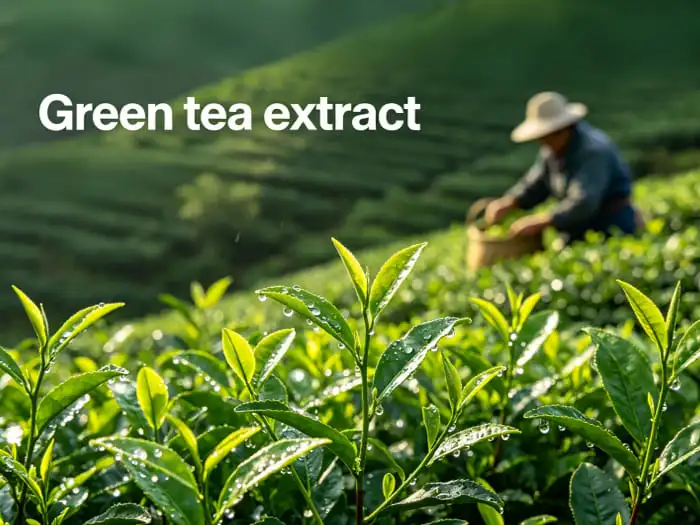
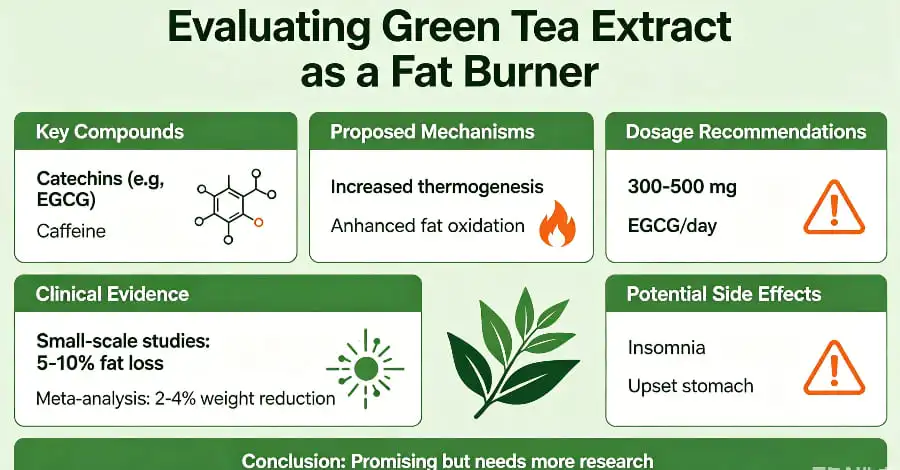
Green tea extract is now one of the most researched natural substances for improving health and speeding up the metabolism. This concentrated botanical ingredient comes from Camellia sinensis leaves and has naturally occurring caffeine as well as strong polyphenols, especially epigallocatechin gallate (EGCG). According to research, green tea extract can slightly boost thermogenesis and improve fat oxidation. This makes it a useful ingredient in weight management products. In terms of safety, clinical studies show that healthy adults can handle standardized extracts well when they are taken in the suggested amounts (usually 250 to 500 mg of EGCG per day). But people who work in procurement need to know both how the goods work and how safe they are in order to make products that are both legal and effective.
Understanding Green Tea Extract: Key Benefits and Components
The complicated phytochemical profile of tea polyphenol extracts is what makes them work. In contrast to brewed tea, extraction methods concentrate bioactive compounds to therapeutic levels while keeping quality standards high.
The Core Bioactive Compounds
Catechins, which make up 60–80% of all polyphenols in good products, are the main active ingredients. The most important biological action comes from EGCG, which makes up about 50–70% of these catechins. The presence of epicatechin, epicatechin gallate, and epigallocatechin works together to form a complete antioxidant matrix. Naturally occurring caffeine (usually 2% to 5% in standard extracts) works with L-theanine to give your body a healthy boost of energy without making you feel jittery like caffeine alone does.
Extracts with clear assay standards are needed by manufacturers who work with the nutraceutical industry. The 98% polyphenol claim is usually supported by UV spectrophotometry, while HPLC testing measures the amount of each catechin profile. This difference is important because UV methods find the total amount of phenolics in a substance, while HPLC separates specific compounds, giving various percentage numbers for the same substance.
Health Benefits Beyond Fat Burning
Besides helping the metabolism, these plant concentrates are amazingly flexible in the types of formulations they can be used in. Products that help your heart use catechins to support good endothelial function and help your body use cholesterol normally. Standardized extracts are used in blood sugar control products to help the body respond better to insulin. High-purity EGCG (90–98% purity, looking like a white to off-white powder) is used in cosmetics for anti-aging serums because it is better at getting rid of ROS than ascorbic acid or tocopherol.
Neuroprotection is another function of antioxidants, and new study is looking into how they can be used in supplements for cognitive health. Functional beverage makers like these compounds because they have natural preservative qualities and look good on clean labels.
Evaluating Green Tea Extract as a Fat Burner: Scientific Insights
There is a lot of research on the metabolic effects of tea catechins that has been reviewed by experts. This gives drug and supplement companies the scientific basis they need to back up their promises.
Mechanisms of Action for Weight Management
Catechin-rich products change how much energy you use in a number of different ways. They stop catechol-O-methyltransferase (COMT) from working, which is the enzyme that breaks down norepinephrine, a chemical that tells fat cells to release stored fat. These chemicals make lipolytic signals last longer by making norepinephrine action last longer. At the same time, they boost thermogenesis in brown fat tissue, which means that even when you're not doing anything, you're burning more calories.
Some studies show that mixing 400 to 500 mg of catechins with 80 to 100 mg of caffeine can make you burn about 4 to 5 percent more energy over 24 hours. During moderate activity, people who take standardized extracts burn 10–17% more fat than people who take placebos.
Dosage Considerations for Product Formulation
When making weight loss goods, procurement teams usually aim for 250 to 500 mg of EGCG per serving, which is usually spread out over several daily doses to keep plasma catechin levels steady. The ratio of catechins to caffeine has a big effect on how well it works. A 2:1 ratio (200 mg catechins to 100 mg caffeine) seems to be best for metabolic benefits while minimizing stimulant-related side effects.
For people who can't handle caffeine, decaffeinated forms made with supercritical CO2 extraction keep 98% of the polyphenol content while lowering the caffeine content to less than 0.5%. This way of handling doesn't leave behind any solvents, so it's safe and meets clean-label standards.
Market Growth and B2B Opportunities
As more people look for natural options to synthetic compounds, the global market for metabolic health ingredients keeps growing. More and more, companies that make functional drinks are adding water-soluble powdered green tea extract powders to ready-to-drink drinks, protein mixes, and energy shots. The hard part is keeping things stable in liquids where polyphenols quickly degrade, which means adjusting the pH to 3.0-4.5 and mixing an antioxidant with ascorbic acid.
Brands of weight loss supplements like capsules or tablets with enteric coats to make the supplements more bioavailable and keep stomachs from getting irritated. OEM manufacturers that work with these names need suppliers that can offer flexible minimum order quantities, custom potency specifications, and quick technical support while the product is being developed.
Comparing Product Formats and Quality Specifications
For procurement to go well, extract specifications must be matched with the planned uses and consumer tastes.
Powder vs. Liquid vs. Encapsulated Forms
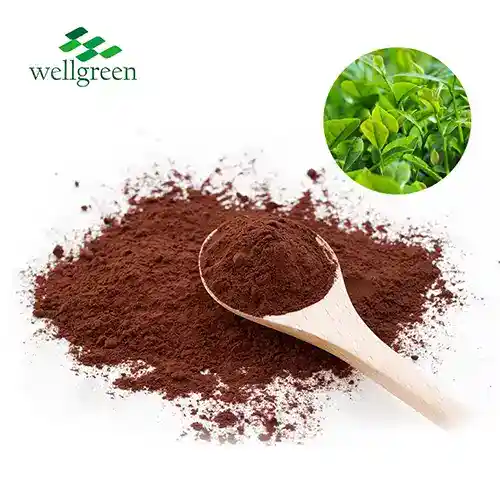
Green tea extract powder (98% polyphenols, usually light yellow to tan) is the main ingredient in many different products. Functional food makers like how easy it is to mix into protein shakes, meal replacements, and snacks to make them healthier. The task is to control how it absorbs water and turns brown when it comes in contact with air and moisture.
Liquid extracts are convenient for use in drinks, but they need to be stored in a controlled environment and with preservatives. Standardized spray-dried powders that contain maltodextrin make it easier for the powder to flow and stop it from clumping, but this lowers the concentration of the active ingredient.
Brands that want turnkey options like finished capsule products. But procurement managers who are making their own formulations like to source raw materials because they can control quality, cost, and the freedom of the formulation.
Certification and Quality Markers
GMP and ISO certifications are the minimum standards, but picky buyers look at other quality factors as well. Organic certification changes how a product is positioned and how much it costs, especially for market brands that stress sustainability. Heavy metal tests for lead, arsenic, cadmium, and mercury must meet strict limits. This is especially true for goods that will be sold in California under Proposition 65 rules.
Total plate counts, yeast/mold levels, and pathogen testing (E. coli, Salmonella) must all match up with final product categories when it comes to microbes. When it comes to tolerance, dietary supplements are not the same as food ingredients or makeup actives.
Analysis of the residual solvent supports the extraction method. Extracting with water and ethanol meets the standards for a clean label, but natural product formulators may be worried about ethyl acetate leftovers. Supply chain risks can be reduced by asking for full Certificates of Analysis with testing data specific to each batch.
Procurement Guide: Sourcing Quality Botanical Extracts
To find trusted manufacturing partners, you need to look at more than just the availability of products.
Supplier Evaluation Criteria
Established makers show consistent production capacity, well-documented quality systems, and easy-to-follow supply chain tracking. These standards are exemplified by Wellgreen Technology, which has GMP-certified buildings, full inventory management, and full certification portfolios. When you work directly with a manufacturer, you avoid having to pay markups to middlemen and can get professional help while developing new products.
Size of production is important—suppliers must keep extraction factors the same across batches to make sure that all of them have the same amount of potency. Smaller producers may have reasonable prices, but they don't have the infrastructure to make sure quality is strict or to commit to big volumes.
Custom Formulation and Private Label Services
OEM support helps brands stand out in areas with lots of competition. Manufacturers who are flexible can meet particular needs for potency, testing that goes beyond standard procedures, and custom packaging. Private label programs let distributors sell named goods without having to build expensive production facilities.
Before choosing an OEM partner, you should think about how their minimum order numbers fit with your needs for testing the market and your plans for growth. When testing for stability, technical teams should work together, especially when testing new ways to give nutrients or products that mix botanical green tea extract powders with vitamins, minerals, or other phytonutrients.
Pricing and Value Analysis
Cost per kilogram changes a lot depending on the level of approval, the percentage of polyphenols, the amount of EGCG, and whether or not the coffee has been decaffeinated. Organic approval usually means that the price is 20–40% higher than for regular sources. Pharmaceutical-grade EGCG that is more than 95% pure costs a lot more than regular food-grade products.
Comprehensive value assessment looks at more than just the unit cost. It also looks at how reliable the provider is, how good the documentation is, how easy it is to get technical help, and how the payment terms work. Long-term relationships with manufacturers that offer flexible inventory and consistent quality help keep operations running smoothly.
Safety and Compliance Considerations
Responsible product development requires understanding both the therapeutic potential and safety boundaries of concentrated botanical ingredients.
Regulatory Landscape for Global Markets
United States regulations classify tea polyphenol extracts as dietary ingredients under DSHEA, requiring adherence to Good Manufacturing Practices and accurate labeling without unapproved disease claims. European Union markets demand compliance with Novel Food regulations and specific country-level requirements. Some member states impose restrictions on daily EGCG intake or require warning labels above certain thresholds.
Import regulations vary significantly across regions, affecting documentation requirements, testing protocols, and approved supplier lists. Brands distributing internationally must ensure their manufacturing partners understand destination-specific compliance obligations.
Potential Side Effects and Contraindications
When consumed within recommended ranges, adverse effects remain uncommon among healthy adults. However, excessive intake (>800mg EGCG daily) has been associated with hepatotoxicity in isolated cases, prompting regulatory scrutiny. Product developers should cap EGCG content at safe levels and include appropriate usage instructions.
Caffeine content requires consideration for sensitive populations. Pregnant or nursing women, individuals with cardiovascular conditions, and those taking certain medications may need to avoid or limit intake. Clear labeling empowers consumers to make informed decisions.
Gastrointestinal discomfort occasionally occurs, particularly when extracts are consumed on an empty stomach. Enteric coating technology or recommendation to take with food mitigates this concern.
Best Practices for Product Safety
Comprehensive safety profiles combine accurate standardization, appropriate dosage guidelines, and strategic formulation design. Pairing tea catechins with complementary ingredients like piperine (enhances bioavailability) or antioxidants (protects stability) improves both efficacy and tolerability.
Batch testing beyond standard COA parameters—including stability studies under accelerated conditions—predicts real-world product performance. Transparent communication with end consumers through detailed labels and educational materials builds trust and reduces misuse risk.
Conclusion
Green tea extract represents a scientifically validated, commercially viable ingredient for weight management, metabolic health, and functional wellness products. Its efficacy stems from concentrated catechins and EGCG that enhance thermogenesis and fat oxidation through well-characterized mechanisms. Safety profiles support its use within established dosage parameters, though proper formulation and clear labeling remain essential. Procurement success depends on partnering with manufacturers offering standardized quality, comprehensive certifications, and technical expertise. The market trajectory continues upward as consumer preference for natural, effective ingredients drives innovation across nutraceutical, functional food, and cosmetic sectors.
FAQ
Is green tea extract safe for pregnant women?
Pregnant and nursing women should exercise caution with concentrated botanical supplements. While moderate dietary tea consumption is generally considered safe, the high caffeine and catechin levels in extracts may pose risks. Healthcare providers typically recommend avoiding supplemental forms during pregnancy and lactation periods unless specifically advised otherwise.
What is the recommended daily intake for weight management?
Clinical research supports 250-500mg of EGCG daily, typically divided into two or three doses with meals to optimize absorption and minimize gastric discomfort. This translates to approximately 400-800mg of total tea polyphenols depending on extract standardization. Consumers should begin at lower doses to assess individual tolerance before increasing intake.
How do capsules compare to powdered forms?
Capsules offer convenience, precise dosing, and protection from oxidation, making them ideal for consumer supplements. Powdered extracts provide formulation flexibility and cost advantages for manufacturers developing custom blends, functional foods, or private-label products. Neither format is inherently superior—selection depends on target market preferences and application requirements.
Partner with Wellgreen for Premium Extract Solutions
Wellgreen Technology stands ready to support your product development objectives as a trusted green tea extract manufacturer with proven capabilities in botanical ingredient supply. Our GMP-certified production facilities ensure consistent quality through rigorous testing protocols and complete documentation. Whether you require standardized bulk powders, custom formulations, or private label services, our technical team provides responsive support throughout your procurement journey.
We maintain substantial inventory of tea polyphenol extracts in multiple specifications—from standard 98% polyphenols to high-purity EGCG grades—enabling fast delivery that keeps your production schedules on track. Our certifications meet international standards, and we accommodate flexible order quantities suitable for both market testing and large-scale manufacturing.
Contact us at wgt@allwellcn.com to discuss your specific requirements with our ingredient specialists. We will develop tailored solutions that align with your quality standards, regulatory needs, and commercial objectives. Discover how our commitment to excellence can strengthen your product portfolio and competitive positioning.
References
Hursel R, Viechtbauer W, Westerterp-Plantenga MS. The effects of green tea on weight loss and weight maintenance: a meta-analysis. International Journal of Obesity. 2009;33(9):956-961.
Dulloo AG, Duret C, Rohrer D, et al. Efficacy of a green tea extract rich in catechin polyphenols and caffeine in increasing 24-h energy expenditure and fat oxidation in humans. American Journal of Clinical Nutrition. 1999;70(6):1040-1045.
Chacko SM, Thambi PT, Kuttan R, Nishigaki I. Beneficial effects of green tea: a literature review. Chinese Medicine. 2010;5:13.
European Food Safety Authority. Scientific Opinion on the safety of green tea catechins. EFSA Journal. 2018;16(4):5239.
Sarma DN, Barrett ML, Chavez ML, et al. Safety of green tea extracts: a systematic review by the US Pharmacopeia. Drug Safety. 2008;31(6):469-484.
Hodgson AB, Randell RK, Jeukendrup AE. The effect of green tea extract on fat oxidation at rest and during exercise: evidence of efficacy and proposed mechanisms. Advances in Nutrition. 2013;4(2):129-140.