How Berberine Hydrochloride Powder Works in Metabolic Health Formulas?
2026-02-02 13:49:39
It works as a powerful metabolic regulator by turning on AMP-activated protein kinase (AMPK), which is also known as the body's "metabolic master switch" with berberine hydrochloride powder. This bioactive alkaloid from Berberis plants helps the body take in more glucose, respond better to insulin, and support lipid metabolism pathways. In metabolic health formulas, this standardized extract gives precise dosing control and better bioavailability than crude plant extracts. This makes it an important ingredient for companies making science-backed supplements for heart health and blood sugar management.

Understanding Berberine Hydrochloride Powder and Its Role in Metabolic Health
Berberine hydrochloride is the most stable and accessible form of the alkaloid berberine. It is mostly obtained from plants in the genus Berberis, such as Chinese goldthread, goldenseal, and Oregon grape. This yellow crystalline compound has gotten a lot of attention in the nutraceutical business because there is strong clinical evidence that it can help with metabolic health.
Chemical Profile and Stability Advantages
Compared to berberine sulfate or free base forms, the hydrochloride salt form is better at dissolving. This better ability to dissolve in water means that the finished products are more bioavailable and can reach peak plasma concentrations more quickly. High-purity berberine HCl usually has a purity level of 97–99% thanks to improved extraction and purification methods. This makes sure that all production batches are the same amount of potency.
Under typical storage settings, the molecular structure of berberine hydrochloride makes it very stable. Pharmaceutical-grade berberine HCl stays effective for a long time when stored properly, unlike raw plant extracts that may lose their effectiveness over time. This makes it perfect for supplement makers who need a product with a stable shelf life.
Mechanism of Action in Metabolic Pathways
The main way that the medicine works is by activating AMPK, a cellular energy sensor that controls how sugars and fats are used. When berberine turns on AMPK, it starts a chain of metabolic changes that make cells better at taking in glucose, lowering the production of glucose in the liver, and raising insulin sensitivity at the cellular level.
Researchers have found that berberine affects several metabolic sites at the same time. It changes the make-up of the gut microbiome, which helps good bacteria that are good for digestive health. In addition, berberine reduces inflammation by blocking pro-inflammatory cytokines, which helps metabolic health in more ways than just controlling glucose levels.
Applications in Metabolic Health Formulations
The use of berberine hydrochloride in metabolic health products addresses a number of important health issues that are very important to customers. Supporting healthy blood sugar levels is the main use, and clinical studies have shown that it works just as well as some drugs at doing this when glucose levels are already within the normal range.
Berberine can help keep cholesterol levels and artery function healthy, which is good for cardiovascular fitness formulas. The compound works especially well at supporting HDL cholesterol levels and keeping triglyceride levels in a healthy range. This makes it useful for a wide range of cardiovascular support goods.
Comparing Berberine Hydrochloride Powder with Other Metabolic Supplements
Knowing how berberine HCl powder stacks up against other metabolic ingredients helps companies make smart choices about how to formulate products based on how well they work, how safe they are, and how they need to position their products in the market.
Berberine HCl vs. Berberine Sulfate
The hydrochloride and sulfate types of berberine are different in ways that affect how well a formulation works. The dissolution rate of berberine hydrochloride is better in water, which results in better bioavailability levels. This edge in solubility is especially important for capsules and tablets, where fast dissolution helps the body absorb the drug best.
Results from stability tests show that berberine HCl stays more effective when the humidity changes than the sulfate forms. This advantage of stability means that special packaging isn't needed as much, and the product can last longer, which saves money for both makers and distributors.
Comparison with Synthetic Metabolic Compounds
Unlike man-made metabolic support chemicals, berberine hydrochloride comes from plants, which fits with trends toward clean labels and natural product positioning. This plant origin is appealing to people who want to avoid synthetic ingredients while still following scientific standards by using standard extraction methods.
Berberine HCl is safer than synthetic versions, and it has been used for a long time in traditional medicine, which supports modern clinical studies. This mix of old-fashioned proof and modern science gives companies strong backing for their product claims and efforts to teach customers about their products.
Synergistic Combinations in Complex Formulations
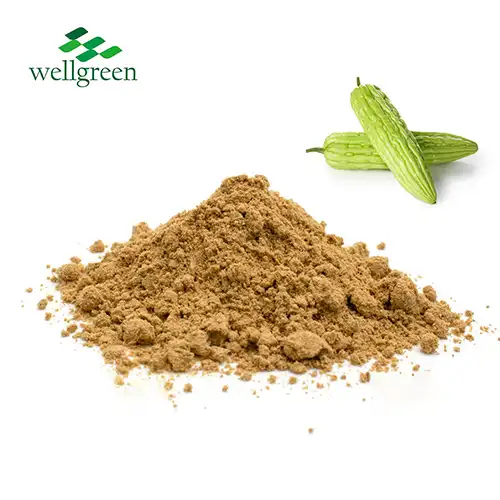
Berberine hydrochloride works well with other ingredients that help metabolism, which lets scientists make complex mixtures with many ingredients. Common pairings that work well together include alpha-lipoic acid to improve the metabolism of cellular energy, chromium picolinate to help the metabolism of glucose, and bitter melon extract to help control blood sugar even more.
Most of the time, these combination formulas work better than goods with only one ingredient. When two or more mechanisms of action work together, they create effects that are stronger than the sum of their parts. This may mean that less of each component is needed, which is better for tolerance and saves money for customers.
Procurement Insights for Bulk Purchase of Berberine Hydrochloride Powder
To successfully buy berberine hydrochloride powder, you need to carefully consider the supplier's skills, quality standards, and regulatory compliance steps that make sure the product works the same way everywhere and follows the law.
Quality Standards and Certification Requirements
The best companies that sell berberine hydrochloride have strict quality control systems that include GMP approval, ISO standards compliance, and testing by a third party. These approvals make sure that the whole process of making something, from getting the raw materials to packaging the finished powder, meets pharmaceutical-grade standards.
The paperwork that comes with a Certificate of Analysis (COA) should include tests for heavy metals, microbial safety, residual solvents, and HPLC purity. Suppliers with a good reputation give batch-specific COAs that show consistent quality control and make it possible to track products all the way through the supply chain.
Compliance with regulations varies a lot between foreign markets. For importation and distribution to go smoothly, suppliers must know about global regulations. Experienced sellers know how the rules for the FDA on dietary supplements, the rules for novel foods in Europe, and regional labeling standards affect the time it takes for a product to hit the market.
Supplier Evaluation Criteria
When looking for berberine hydrochloride suppliers for long-term partnerships, manufacturing volume and scalability are very important. Suppliers should show that they have enough production ability to keep up with rising demand while still meeting quality standards during large-scale manufacturing operations.
Supply chain openness includes checking the sources of botanical raw materials, inspecting extraction facilities, and keeping records of methods used for sustainable harvesting. This openness is becoming more important as customers and stores expect more responsibility for thinking about how things affect people and the environment.
Superior suppliers are different from commodity suppliers in that they can provide technical help. Leading suppliers offer more than just providing ingredients. They also help with formulation, stability testing, and regulatory advice, which are all services that add value.
Logistics and Inventory Management
Different suppliers have very different minimum order quantities. For example, specialized manufacturers usually need bigger commitments than trading businesses. Knowing the MOQ standards helps manufacturers plan their inventory levels and cash flow while also getting better pricing terms.
To keep the quality of the goods while they're in transit, international shipping operations need to be carefully coordinated. Berberine hydrochloride powder needs to be kept away from moisture and extreme temperatures. This means that choosing the right packing and shipping carrier is very important for keeping the product's integrity.
Controlled temperature and humidity are needed for storage so that the medicine stays effective for long amounts of time. Suppliers should give detailed storage advice along with stability data to back up the suggested storage conditions and expiration dates.
Usage Guidelines for Integrating Berberine Hydrochloride Powder into Formulations
To properly add berberine hydrochloride to finished products, you need to know the best ways to dose it, how to make sure it works with other ingredients, and how to handle it in a way that keeps the ingredient stable and bioavailable.
Recommended Dosage Protocols
To maximize absorption and reduce the risk of stomach problems, clinical research supports doses of berberine hydrochloride ranging from 500mg to 1500mg per day, usually split up into multiple doses. Most formulations for metabolic health aim for 500 mg per serving, which lets dosing schedules be fluid based on each person's needs and how the product is marketed.
Berberine has a bitter taste, so the way it is delivered needs to be carefully thought out. The bitter taste is successfully hidden by encapsulated forms, which also allow precise dosing control. For tablet formulations to taste good to end users, they may need an enteric coating or flavor masking methods.
It is suggested that you take berberine HCl powder with food to get the most out of it and avoid stomach problems. This pattern of use fits well with metabolic health apps whose main goal is to help with managing glucose levels after a meal.
Formulation Compatibility and Stability
Berberine hydrochloride is very stable in normal supplement matrices as long as the right excipients are used and the right processing conditions are kept. The compound stays stable in the pH ranges that are common in dietary supplements. It also doesn't mix much with common fillers like magnesium stearate, microcrystalline cellulose, and silicon dioxide.
Controlling moisture is the most important thing for keeping berberine stable in finished products. Choosing the right desiccant and using moisture-barrier packing can help keep a product's effectiveness for a longer time. Accelerated stability testing should make sure that the substance's effectiveness is kept under stressful conditions, such as high temperatures and high humidity.
Temperature sensitivity during manufacturing processes is one thing to think about when processing. Although berberine hydrochloride can take some heat, it may lose some of its effectiveness if the temperature gets too high during the granulation or coating process. To make sure the quality is always the same, manufacturing processes should include limits on temperature and steps for monitoring.
Quality Control and Testing Protocols
Before a raw material is used in production, it should be tested to make sure it is safe, pure, and free of microbes. HPLC analysis confirms the presence of berberine and finds any impurities that might affect the quality of the final product or its ability to meet regulatory requirements.
Protocols for testing finished products include checking the product's strength, seeing how well solid dosage forms dissolve, and keeping an eye on its stability while it's on the shelf. These testing programs make sure that goods live up to what they say on the label and keep their quality while they are being shipped and stored.
Documentation systems should keep track of all quality control data and make it easy to look into any quality problems that happen during production or after the product has been sold. Having a lot of paperwork helps with following the rules and making improvements all the time.

Company Introduction and Product Offerings
Wellgreen Technology is a reliable partner in the plant extract business around the world, specializing in high-quality berberine hydrochloride powder and full herbal ingredient solutions. Our GMP-certified, state-of-the-art manufacturing plant makes sure that the quality meets pharmaceutical standards while keeping prices low for bulk purchases.
Manufacturing Expertise and Quality Assurance
Our production skills cover the whole value chain, from getting the raw botanical materials to packing and shipping the finished powder. Our berberine hydrochloride goods are always 97–99% pure thanks to advanced extraction technologies. We also use sustainable sourcing methods that ensure a steady supply over the long term.
Comprehensive testing is done at every step of production as part of quality assurance methods. HPLC analysis is used to check the purity of the product, ICP-MS analysis is used to check for heavy metals, and extensive microbiological testing is done to make sure the product is safe. Our lab is still ISO 17025 certified, which gives you more faith in our data integrity and analytical skills.
Every shipment comes with a Certificate of Analysis document that makes the product specifications and test findings completely clear. In global markets, this documentation helps our customers' quality control systems and meet regulatory requirements.
Product Portfolio and Customization Options
Our range of berberine hydrochloride powder includes different grade choices that are made to fit the needs of different applications. Standard grades meet the needs of food supplements, while pharmaceutical grades offer higher levels of purity for nutraceutical uses that need the highest quality standards.
Custom mixing services let companies get ready-made mixtures that contain berberine hydrochloride and other ingredients that work well together, like alpha-lipoic acid, chromium compounds, or plant extracts. These unique blends speed up the manufacturing process and make sure that all of the ingredients work well together and stay stable.
Flexible packaging can handle orders of all sizes, from research samples to full-scale production. Standard choices for packing include fiber drums, aluminum foil bags, and special containers that keep products fresh while they are being stored and shipped.
Global Distribution and Support Services
Our international distribution network makes sure that our customers in North America, Europe, and the Asia-Pacific area can rely on the performance of their supply chains. Strategic inventory management makes sure that there are enough goods in stock to meet customer needs while also keeping supply chain problems to a minimum.
As part of our technical support services, we help customers successfully add our ingredients to their product lines by giving them advice on formulation, legal issues, and stability testing. Our technical team has a lot of experience and knows how to meet the specific needs of different market groups and regulatory environments.
Excellent customer service is still a top concern, and dedicated account management makes sure that communication is quick and orders are processed quickly. We keep detailed profiles of each customer so that we can predict their needs and offer proactive help throughout our business relationships.
Conclusion
Berberine hydrochloride powder is a scientifically proven way to make metabolic health products because it is more stable, bioavailable, and easy to mix with other ingredients than other types. The compound's well-known way of working by activating AMPK gives companies strong scientific backing for their product claims and efforts to educate customers. To make a good purchase, you need to carefully evaluate suppliers by looking at things like quality certifications, regulatory compliance, and technical help capabilities. As the market for metabolic health continues to grow, berberine hydrochloride gives companies a chance to make unique products that meet the rising demand from customers for natural health solutions that are backed by evidence.
FAQ
What amounts of purity are there for berberine hydrochloride powder?
Our berberine hydrochloride powder comes in several purity types, with the highest being 99% pure, which has been confirmed by HPLC analysis. The standard grade for supplements is 97% to 98% pure, and the medication grade is 98 to 99% pure. Each batch comes with a full COA that confirms the purity standards and lists any small impurities that may be present.
What is the difference between berberine HCl and berberine sulfate when it comes to mixes?
When compared to sulfate forms, berberine hydrochloride is better at dissolving, which means that finished goods have higher bioavailability and dissolution rates. The hydrochloride form is also more stable when the humidity changes, which means that made supplements don't need to be stored in a special way and can stay fresh for longer.
What standards for following the rules does your berberine powder meet?
The dietary supplement rules set by the FDA, the standards for food supplements in Europe, and other foreign quality rules are all met by our berberine hydrochloride powder. GMP guidelines are used for manufacturing, and all goods are tested according to pharmacopeial standards for heavy metals, pesticide residues, and microbiological safety parameters.
Partner with Wellgreen for Premium Berberine Hydrochloride Powder
Wellgreen Technology stands ready to support your metabolic health formulation needs with pharmaceutical-grade berberine hydrochloride powder and comprehensive technical expertise. Our GMP-certified manufacturing facility, extensive quality testing protocols, and flexible packaging options ensure reliable supply chain performance for your product development initiatives. Whether you require standard grades for dietary supplements or custom blends for specialized applications, our experienced team provides personalized consultation to optimize your formulations. Contact our berberine hydrochloride powder supplier team at wgt@allwellcn.com to discuss your specific requirements, request samples, and explore partnership opportunities that accelerate your product commercialization timeline.
References
Zhang, Y., Li, X., Zou, D., et al. Treatment of type 2 diabetes and dyslipidemia with the natural plant alkaloid berberine. Journal of Clinical Endocrinology & Metabolism, 2008, 93(7): 2559-2565.
Yin, J., Xing, H., Ye, J. Efficacy of berberine in patients with type 2 diabetes mellitus. Metabolism: Clinical and Experimental, 2008, 57(5): 712-717.
Kong, W., Wei, J., Abidi, P., et al. Berberine is a novel cholesterol-lowering drug working through a unique mechanism distinct from statins. Nature Medicine, 2004, 10(12): 1344-1351.
Lee, Y.S., Kim, W.S., Kim, K.H., et al. Berberine, a natural plant product, activates AMP-activated protein kinase with beneficial metabolic effects in diabetic and insulin-resistant states. Diabetes, 2006, 55(8): 2256-2264.
Xu, J.H., Liu, X.Z., Pan, W., Zou, D.J. Berberine protects against diet-induced obesity through regulating metabolic endotoxemia and gut hormone levels. Molecular Medicine Reports, 2017, 15(5): 2765-2787.
Wang, H., Zhu, C., Ying, Y., et al. Metformin and berberine, two versatile drugs in treatment of common metabolic diseases. Oncotarget, 2018, 9(11): 10135-10146.