How Does Organic Goji Berry Powder Support Clean Label Beverage Formulations?
2026-08-31 16:17:39
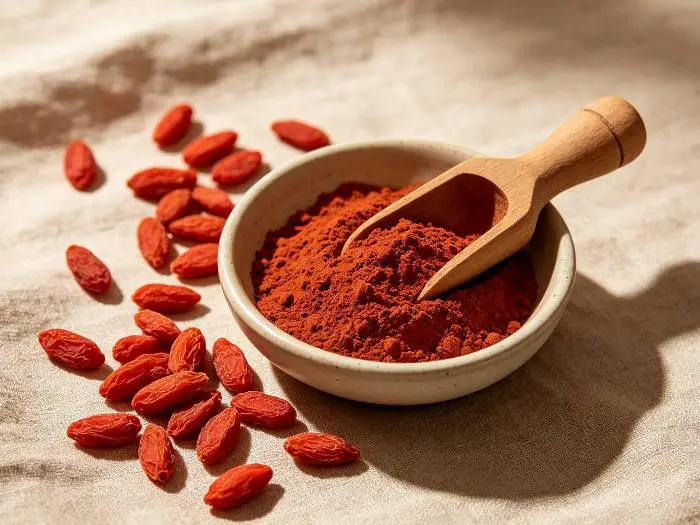
Organic Goji Berry Powder delivers clean-label support through its naturally transparent composition, certified organic status, and multifunctional nutrient profile. This superfruit ingredient replaces artificial colorants with its natural orange-red hue derived from carotenoids, eliminates the need for synthetic flavor enhancers through its mild, naturally sweet taste, and extends shelf stability via intrinsic antioxidant compounds like polysaccharides and zeaxanthin. For beverage formulators navigating consumer demands for ingredient transparency, this powder meets USDA and EU organic standards while providing scientifically backed functional benefits—vision wellness support and healthy ageing properties—without compromising clean label integrity or requiring undisclosed processing aids.

Introduction
The clean label movement has completely changed how drinks are made in North America and Europe. For example, 73% of U.S. consumers now look at ingredient lists carefully before buying something. Functional food and drink makers are under more and more pressure to get rid of artificial ingredients while keeping the products' usefulness, taste, and ability to stay fresh on the shelf. As the need for openness and health trends have come together, botanically based powders have become more important as strategic formulation tools.
Among these options, goji berry powder from organic farms is more than just a way to stand out in the market. Its make-up—standardized polysaccharides ranging from 20 to 50 percent, zeaxanthin concentrations supporting eye health claims, and natural pigments adding visual appeal—addresses major clean label issues without requiring changes to the formulation. More and more, beverage makers, especially those who work with nutraceutical brands and OEM partners, are realizing that this ingredient can make labels easier to read and improve practical placement at the same time.
This study looks at how goji powder can be used in health teas, protein drinks, and functional water systems by looking at its phytochemical profiles, processing methods, and organic certification. We give procurement-focused views on how to check certifications, evaluate suppliers, and set quality standards for particular applications that regulatory managers and formulation teams need to confidently adopt new ingredients.
Understanding Organic Goji Berry Powder and Its Role in Clean Label Beverages
What Defines Organic Goji Berry Powder
True organic goji powder comes from Lycium barbarum berries that were grown according to USDA NOP or EU 834/2007 rules, which don't allow manmade chemicals, GMO inputs, or irradiation. Berries are dried at low temperatures or freeze-dried after being picked in well-known growing areas with good soil and climate. This protects heat-sensitive carotenoids and polysaccharide structures. The powder that is made usually has particles that are 80 to 120 mesh, a moisture content below 5%, and an ash content below 5%. These are important conditions for the powder to spread in drinks and keep microbes stable.
Nutrient Composition and Functional Advantages
The powder is useful because it has concentrated bioactive properties. Lycium barbarum polysaccharides are the primary active component, with clinical research supporting their role in overall wellness. As a macular carotenoid, zeaxanthin positions this ingredient alongside lutein in vision wellness formulations. Beta-carotene acts as a provitamin A, and polyphenolic compounds give quality freeze-dried varieties ORAC rates above 25,000 µmol TE/100g.
Applications involving beverages can use Organic Goji Berry Powder for several functional and sensory purposes at the same time. The natural orange-red color of Organic Goji Berry Powder can help reduce the need for artificial colors in health beverages designed for clean-label positioning. The berry flavor and mild sweetness of Organic Goji Berry Powder can complement fruit blends, herbal infusions, and plant-based protein shakes without necessarily requiring extensive flavor masking. In addition, the naturally occurring antioxidant compounds in Organic Goji Berry Powder may support the development of functional beverage formulations, although their effect on actual refrigerated shelf life depends on the complete formulation, processing conditions, packaging, and storage environment. By selecting suitable Organic Goji Berry Powder, formulators can develop beverages with appealing color, flavor, and ingredient-label characteristics.
Processing Methods Impact Quality Profiles
Low-temperature spray drying is a cost-effective way to keep nutrients in food while keeping the purity of the polysaccharides and making the food flowable enough for stick pack forms. Freeze-drying takes a lot of money and time, but it preserves color and carotenoids better than other methods, which are important for high-end functional water brands that focus on looks. Procurement teams have to compare different processing methods based on the needs of the application. This is because particle shape affects how well cold beverage systems reconstitute compared to hot tea preparations.
When GMP standards are followed during production, microbiological compliance is guaranteed, with total plate counts below 10,000 cfu/g and the confirmed absence of pathogens meeting USP standards for dietary supplements. Heavy metal limits—lead below 2.0 ppm and arsenic below 1.0 ppm—meet regulatory standards and help foreign beverage brands meet their export paperwork needs.
How Organic Goji Berry Powder Addresses Key Challenges in Clean Label Beverage Formulations
Replacing Artificial Additives Through Natural Functionality
Finding single-ingredient solutions that can replace many fake parts is needed for clean label reformulation. This powder is an example of how efficient things can be because it solves problems with color, taste, and storage all at the same time. Its carotene pigments keep the colors stable over the pH ranges common in fruit-based drinks, so it doesn't need as much Red 40 or tartrazine. The natural flavor profile gets rid of the need for artificial berry flavors. Polyphenolic compounds and vitamin C help protect against free radicals, which makes cold-pressed juice systems seem fresher for longer.
Beverage brands that say they don't use artificial preservatives use the powder's natural ability to kill germs. According to a study in the Journal of Food Science, goji polysaccharides stop lipid oxidation pathways, which is one of the main ways that functional drinks with omega-3 or plant oils go bad. Formulators can use less or no synthetic antioxidants like BHA or BHT because of this biochemical activity. Quality is still maintained during distribution.
Supporting Marketing Claims With Scientific Validation
Positioning functional drinks more and more relies on backed-up health claims instead of general wellness talk. The zeaxanthin in the powder supports vision wellness messaging based on research into macular health. This makes the product stand out in the functional water category, which is already very crowded. The wellness support claims are aligned with established research on Lycium barbarum polysaccharides and their role in healthy immune function. This gives R&D teams evidence that they can use in their regulatory submissions.
The anti-aging stance uses the ingredient's well-known status in traditional health systems along with new studies on oxidative stress. Beauty-from-within drink brands use this dual heritage—Eastern plant tradition meets Western scientific validation—to build trust with customers without having to run long campaigns to teach them.
Real-World Application Success
A medium-sized company that makes functional drinks changed the formula for its antioxidant water line by adding freeze-dried goji powder at 0.5% inclusion rates instead of artificial color blends and flavors. In tests with consumers, 68% said they liked this version better than the original. The main reasons given were "more natural taste" and "cleaner ingredient list." Label compliance across multiple markets was also made easier by the reformulation, since the single botanical ingredient met the needs of both the FDA and the EFSA without needing any other approvals.
Choosing the Right Organic Goji Berry Powder for Beverage Production
Certification and Quality Verification Standards
Certification authentication comes first in the procurement process for Organic Goji Berry Powder. For USDA organic certification to remain valid, farms producing Organic Goji Berry Powder are subject to applicable inspection and certification requirements, which may include annual inspections and residue testing where required. EU organic certification has its own documentation and verification requirements, particularly when sourcing Organic Goji Berry Powder from outside the EU. This is an important consideration for beverage brands and food manufacturers that distribute products across international markets. In addition to organic certification, relevant food-grade certifications or standards such as NSF, Kosher, and Halal may expand the potential applications and market accessibility of Organic Goji Berry Powder, depending on the target market and product requirements. Verifying all certification documents before purchasing Organic Goji Berry Powder can help buyers manage compliance, traceability, and supplier risks.
Lab tests should use UV-VIS spectrophotometry to confirm the standard polysaccharide content. This will make sure that the product is consistent from batch to batch, which is important for healthy beverage claims. Quantifying zeaxanthin using HPLC confirms the positioning for eye health, and testing for peroxide value looks at oxidative stability during storage. Microbiological certificates need to show that limits for drinks are met, since standards are different for food supplements.
Comparing Processing Methods and Superfruit Alternatives
Formulation teams compare this ingredient to other superfruit choices based on more than just how appealing it is to consumers:
Freeze-dried goji powder has the highest nutrient density, keeps more than 95% of its polysaccharides, keeps its bright color, and quickly rehydrates in cold environments. Premium positioning works well for functional waters and ready-to-drink wellness shots that are aimed at picky customers who are willing to pay more for better signals.
Spray-dried varieties are cheaper for high-volume uses like protein shake bases and wellness tea blends, where a mild taste and cheap sources are what matter most. Even though the amount of carotenoids has gone down a little, it is still enough for natural coloring and fits within the budgets of new beverage brands.
When you compare goji to acai, you can see that acai is better at neutralizing flavors and promoting eye health, while goji is better at anthocyanin content for cardiovascular claims. In contrast to spirulina, which adds protein but can be unpleasant to taste, goji works well with fruit-based recipes. Instead of following the latest superfruit trend, the formulation strategy should choose ingredients based on clear claim goals.
Sourcing Regions and Supplier Evaluation
Established farming areas in northwest provinces have the best conditions for growing plants, with differences in temperature, mineralized soil, and irrigation methods that change the phytochemical profiles of the plants. When evaluating a supplier, more than just price is taken into account. Traceability systems, testing capabilities, and support for regulatory documentation are also looked at. Preferred partners keep direct farm relationships instead of broker networks. This makes it easier to check the origin of the food and lowers the risk of contamination.
Some things that are looked at during an audit are comparing organic licenses to NOP databases, checking drying facilities for cross-contamination controls, and looking at testing methods for pesticide residues. Value-added services like private labeling, custom particle sizing, and help with export paperwork set strategic suppliers apart from commodity traders. This is especially true for OEM manufacturers who have to meet the needs of many clients.
Purchasing and Procurement Insights for Bulk Organic Goji Berry Powder
Wholesale Market Dynamics and Pricing Factors
To buy things in bulk, you need to know how prices are set for different quality levels and how supply changes with the seasons. Premium freeze-dried powder has higher prices because it costs more to make and keeps more of its nutrients. Spray-dried varieties, on the other hand, are cheaper and can be used in situations where cost is an issue. Tiered pricing is usually unlocked by making volume commitments, with container-load quantities providing the best per-kilogram economics for medium to large beverage operations.
Building ties with manufacturers who keep supplies all year instead of seasonal brokers is good for the procurement strategy. This stability keeps prices from going up and down too much during harvest changes and makes sure that formulations stay the same for product lines that need consistent flavor profiles. Specification locks and preferential allocation during supply constraints are common parts of contract manufacturing agreements.
Logistics and Quality Preservation Protocols
The choice of packaging has a direct effect on how stable the powder is while it is being shipped and stored. Multi-layer foil bags with nitrogen flushing keep the potency of carotenoids by limiting air contact. Moisture barriers stop hygroscopic clumping that makes it hard for the bags to flow. For freeze-dried varieties that are sensitive to changes in temperature during international shipping, pallet layout and climate-controlled shipping are musts.
Before sending inventory to production, receiving procedures should include random sampling of a representative sample and fast testing for important quality factors like moisture analysis, color measurement, and microbiological screening. These quality guards stop changes in the recipe and keep finished goods from straying from the specifications that could lead to customer complaints or regulatory inquiries.
Supplier Due Diligence and Partnership Criteria
Strong supplier qualification for Organic Goji Berry Powder includes more than just initial audits; it also requires ongoing performance monitoring. Important evaluation factors for Organic Goji Berry Powder suppliers include batch-to-batch consistency, the speed at which documentation can be provided for regulatory submissions, and the ability to adapt product specifications as formulations change. Suppliers that can demonstrate R&D capabilities for Organic Goji Berry Powder, such as customizing particle size and optimizing processing conditions, can provide strategic value beyond simply supplying a commodity ingredient. Reliable suppliers of Organic Goji Berry Powder should also maintain appropriate quality-control systems and provide consistent technical documentation to support product development. By evaluating these capabilities, buyers can establish a more dependable supply chain for Organic Goji Berry Powder and better manage changing formulation and market requirements.
One way to lower the risk is to get key SKUs from two different suppliers. This is especially important when providing big retail chains with strict continuity requirements. Checking the financial stability of suppliers and talking about backup manufacturing capacity protect against problems that could stop production lines or make it harder to launch new products.
Future Outlook: Trends and Innovations in Organic Goji Berry Powder for Clean Label Beverages
Emerging Consumer Preferences Shaping Demand
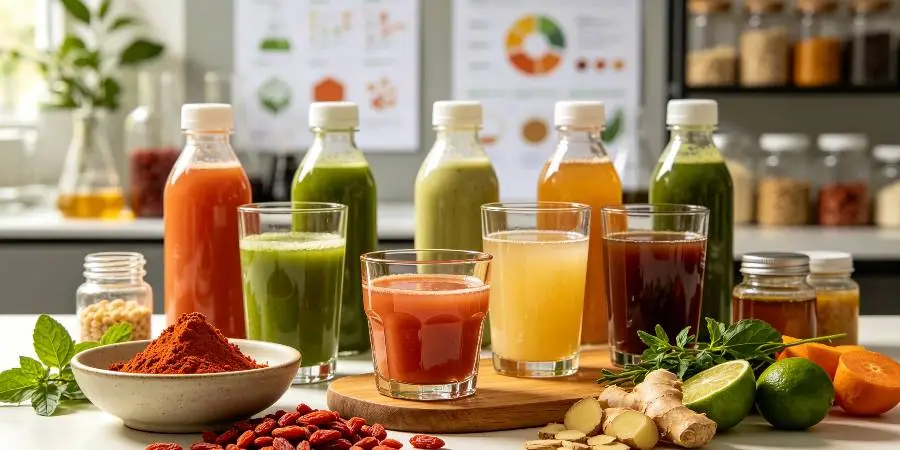
Increased digital device usage and growing awareness of vision wellness are driving new functional drinks formulated to support visual comfort. Younger consumers are seeking convenient sources of zeaxanthin and lutein, positioning goji-enhanced ready-to-drink products in an expanding market segment. At the same time, beauty-from-within trends make antioxidant-rich plants look like cosmetics, which means that wellness channels can reach more people.
As the plant-based movement gains steam, it opens up new ways to make dairy-free drinks like oat milk lattes and protein shakes made from almonds. Goji powder can be added to these drinks to make them healthier without using animal products. Non-GMO and vegan certifications are in line with what consumers want and make label stories easier for brands that are trying to figure out how to place themselves in a difficult market.
Processing Technology Advancements
New developments in drying technology offer better preservation of nutrients at lower handling costs. Infrared-assisted freeze-drying and vacuum microwave techniques show that they use less energy while still keeping the bioactive properties of the material. These changes may make the quality differences between luxury and regular grades smaller. This could make it easier for new beverage brands on a tight budget to get high-potency ingredients.
Microencapsulation techniques keep sensitive carotenoids from breaking down in difficult drinking matrices like carbonated systems and high-acid formulas, which makes the use of these techniques more flexible. Controlled-release technologies allow claims of sustained nutrient delivery, setting products apart in functional beverage markets that are already full of instant-release formats.
Strategic Recommendations for Procurement Teams
Forward-thinking beverage developers should make ingredient roadmaps that take into account how regulations will change in the future when it comes to backed claims and origin disclosure. Building relationships with suppliers that focus on tracking infrastructure (like blockchain integration and farm-level paperwork) puts brands ahead of the inevitable tightening of regulations. At the same time, educating customers about certain bioactives like zeaxanthin makes market positions more stable and less open to competition from private label products.
Formulation innovation should look into synergistic mixtures, such as putting goji powder together with ginseng for energy drinks or lutein sources for eye health formulas that work together as a whole. Multi-functional marketing improves how much people think something is worth while also defending the higher prices needed to cover the higher costs of organic ingredients in stores that are already very competitive.
Conclusion
Organic Goji Berry Powder is useful for making clean-label drinks because it is certified organic, has a wide range of useful nutrients, and can be processed in a number of different ways. It can be used instead of fake colors, naturally improve taste, and make products last longer on the shelf, which meets important reformulation goals and backs up health claims. For strategic procurement, you need to look at more than just the price of a commodity when judging a supplier's abilities and how authentic their certifications are. As the need for clear, naturally sourced ingredients that have both traditional health benefits and modern scientific proof grows, this superfruit powder is a smart investment for beverage innovators who want to position their products in the functional, clean label, and plant-based markets.
FAQ
What distinguishes organic from conventional goji berry powder in beverage applications?
Certified organic farming doesn't use man-made pesticides, genetically modified organisms, or banned fertilizers, and this is proven by independent auditing systems. This means that residue profiles will be cleaner and customer trust signals will be stronger, both of which are important for positioning expensive beverages. Conventional varieties may be cheaper, but they can't be sold in stores that only sell organic products or please clean label purists who are becoming more and more important in buying decisions.
How should beverage formulators verify supplier authenticity and quality claims?
Ask for full organic certificates that can be tracked back to certifying bodies like the USDA or Ecocert and checked against official records. Ask for reports from a third-party lab, not COAs made by the supplier, that test for microbiology, heavy metals, and pesticide residues from recent production periods. Instead of depending only on credentials given, you might want to have source checks that look at traceability systems, processing controls, and documentation practices.
Are there regulatory considerations or application limitations for this ingredient?
The powder is GRAS (Generally Recognized As Safe) for use in food in the US, and there are no specific rules about how it can be used in drinks. Structure-function claims can be backed up by zeaxanthin content without FDA approval, but brands must keep proof files. Novel Food regulations must be followed when selling Novel Foods in EU markets. These regulations depend on the extraction method and concentration level. Suppliers' regulatory knowledge is useful when developing new formulations.
Partner With Wellgreen for Certified Organic Goji Berry Powder
Wellgreen Technology is a GMP-certified company that makes and sells high-quality botanical extract powders to the beverage and nutraceutical industries around the world. Our Organic Goji Berry Powder comes from confirmed growing areas and is made using controlled low-temperature and freeze-drying methods that keep the polysaccharide content between 20 and 50 percent and boost the eye health benefits of zeaxanthin. We keep all of our certifications up to date, including USDA Organic, EU Organic, ISO, Kosher, and Halal. This helps your clean label positioning in international markets.
For OEM partnerships and new beverage brands, our technical team offers formulation advice, custom particle sizing, and private labeling services. With a large inventory, we can guarantee a steady supply and high quality from batch to batch by following strict testing protocols that cover microbiological safety, heavy metal limits, and phytochemical standardization. You can email our procurement specialists at wgt@allwellcn.com to ask for samples, get detailed specifications, or talk about setting up a bulk Organic Goji Berry Powder supplier. Visit wellgreenherb.com to see our full line of botanical ingredients that can help you reach your goals for useful beverage creation.
References
1. Chang, S.K., & Alasalvar, C. (2016). Goji Berry: Compositional and Nutritional Properties, Biological Activities, Traditional Uses, and Future Prospects. Journal of Agricultural and Food Chemistry, 64(44), 7665-7688.
2. Mocan, A., Vlase, L., Vodnar, D.C., Bischin, C., Hanganu, D., Gheldiu, A.M., Oprean, R., Silaghi-Dumitrescu, R., & Crisan, G. (2014). Polyphenolic Content, Antioxidant and Antimicrobial Activities of Lycium barbarum L. and Lycium chinense Mill. Leaves. Molecules, 19(7), 10056-10073.
3. Reeve, V.E., Allanson, M., Arun, S.J., Domanski, D., & Painter, N. (2010). Mice Drinking Goji Berry Juice Are Protected From UV Radiation-Induced Skin Damage via Antioxidant Pathways. Photochemical & Photobiological Sciences, 9(4), 601-607.
4. Skenderidis, P., Lampakis, D., Giavasis, I., Leontopoulos, S., Petrotos, K., Hadjichristodoulou, C., & Tsaknis, J. (2019). Chemical Properties, Fatty-Acid Composition, and Antioxidant Activity of Goji Berry Cultivars. Antioxidants, 8(3), 60.
5. Tang, W.M., Chan, E., Kwok, C.Y., Lee, Y.K., Wu, J.H., Wan, C.W., & Chan, S.W. (2012). A Review of the Anticancer and Immunomodulatory Effects of Lycium barbarum Fruit. Inflammopharmacology, 20(6), 307-314.
6. Yao, R., Heinrich, M., & Weckerle, C.S. (2018). The Genus Lycium as Food and Medicine: A Botanical, Ethnobotanical and Historical Review. Journal of Ethnopharmacology, 212, 50-66.