How Food Manufacturers Use Agaricus Bisporus Powder as a Natural Flavor Enhancer
2026-07-09 15:05:45
Agaricus bisporus powder is being used more and more by food companies as a natural umami booster that can be used instead of synthetic chemicals to improve nutritional profiles. This ingredient, which comes from white button mushrooms, gives a deep, rich flavour to everything from plant-based meats to seasoning mixes. Its natural glutamic acid content makes it less reliant on sodium and MSG, which is in line with the desire for clean labels. Manufacturers like how stable it is during processing, how consistent the flavour is, and how well it works with vegan, vegetarian, and functional food uses. These qualities make it an essential ingredient for modern product development teams that care about both taste and health.
Understanding Agaricus Bisporus Powder and Its Role in Food Manufacturing
What Makes This Mushroom Powder Unique?
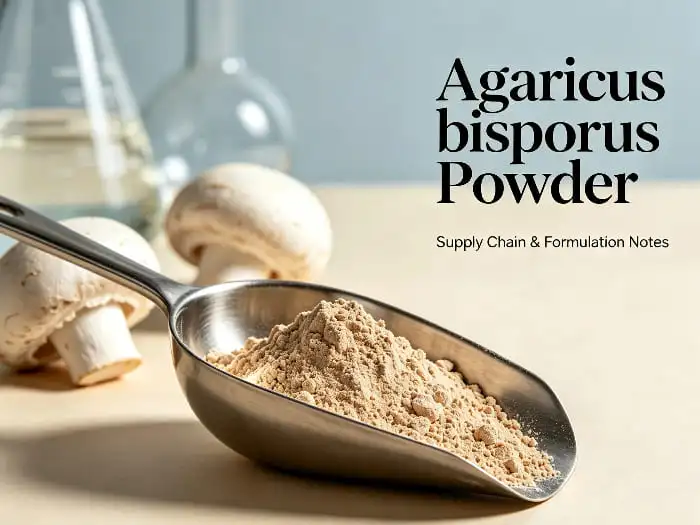
The white button mushroom, Agaricus bisporus, is carefully washed, dried, and milled to make a fine powder that is high in plant-based protein, fibre, B vitamins, and minerals that your body needs. The powder keeps the mushroom's natural umami flavour, which is a savoury taste experience linked to free glutamate compounds by scientists. Unlike synthetic flavour enhancers, this botanical ingredient improves taste while also being good for you. This makes it appealing to both health-conscious customers and manufacturers who are worried about regulations.
The process starts with getting fresh, food-grade mushrooms that have been picked under strict quality rules. After being cleaned, mushrooms are dried at controlled temperatures that keep the flavour and bioactive chemicals intact. After being dried, the material is ground into different particle sizes, ranging from standard to ultra-fine, based on what the application needs. This way of making the ingredient keeps its natural traits while also making sure it is safe for microbes and has a longer shelf life.
Comparing Mushroom Varieties for Flavor Applications
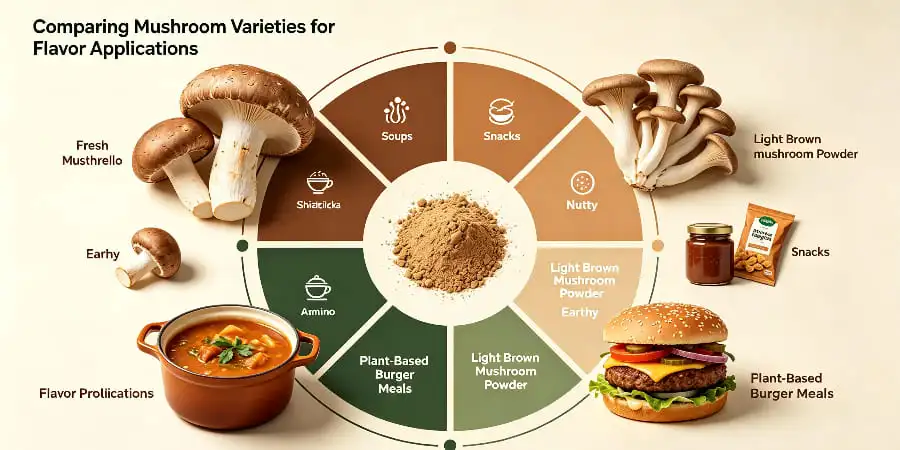
Formulation teams often compare Agaricus bisporus to shiitake and reishi mushroom powders when they look at different kinds. Shiitake mushrooms have a stronger earthy-smoky flavour that goes well with Asian-inspired foods. White button mushrooms, on the other hand, have a softer, more versatile umami base that goes well with a wider range of foods. Reishi is mostly used for its health benefits, but it doesn't have the same culinary appeal or flavor-boosting qualities as Agaricus bisporus.
Sensory tests show that white button mushroom powder stands out because it has a balanced taste that adds to food without being too strong. For plant-based protein products, this trait is especially helpful because hiding off-notes while adding savoury complexity is a constant challenge in the preparation process. The powder's neutral colour, which ranges from cream to light tan, also doesn't have a big effect on how finished goods look, unlike darker mushroom types that can.
Production Standards and Quality Assurance
Good Manufacturing Practice (GMP) standards require factories to test their products thoroughly for things like heavy metals, chemical residues, microbial contamination, and nutritional content. Each batch of production is checked against set standards, and Certificates of Analysis (COA) show that they were met. These quality controls are in line with rules about food safety in all markets, especially the strict needs of food-grade ingredients in the EU and the US.
Organic approval gives companies that want to sell high-end clean labels even more peace of mind. For white button mushroom powder to be organic, it must come from farms that are licensed and use approved growing methods without using synthetic fertilisers or pesticides. Brands build trust through honest ingredients, and this sourcing openness backs up marketing claims that make customers choose one product over another in a competitive category.
Application Techniques for Agaricus Bisporus Powder in Food Products
Versatile Integration Across Food Categories
The powder format gives product developers who work on various platforms a lot of freedom. Understanding how different ways of incorporating affect structure and flavour release helps improve the results of formulation.
The powder mixes easily with liquids and adds body and depth to soup bases and broth concentrates. Usage rates usually fall between 0.5% and 3%, based on how strong you want it to be and what other ingredients you want to use with it. When the powder is cooked, it quickly absorbs water and releases flavourful chemicals that make the food seem richer without adding fats or sodium chloride.
The organic agaricus bisporus powder's ability to improve mouthfeel and boost savoury notes makes sauces and gravies taste better. When mixed with other umami sources, like tomato concentrate or fermented foods, mushroom powder makes the flavours more complicated. Formulation scientists like how stable it is during thermal processing and how neutral it is on pH, which makes it easier to change pH during production.
Plant-based meat substitutes are an area that is growing quickly, and white button mushroom powder can be used for two things. The ingredient not only adds flavour, but it also has protein, fibre, and binding qualities that make burger patties, sausages, and crumbles texture better. Depending on the protein matrix makeup and the desired sensory profile, the amount used is usually between 2% and 8% of the total weight of the formulation.
Dosage Guidelines and Formulation Strategies
Paying attention to particle size and mixing steps is important for effective incorporation. Very fine grades (less than 200 mesh) mix easily into dry spice mixes and don't clump, while standard grades work well in situations where they need to be hydrated. When making dry mixes, grinding the mushroom powder with other ingredients at the same time makes the mixture more even and keeps it from separating while it's being stored.
When making quick soups or meals that can be rehydrated, the way the food is hydrated is important. By pre-hydrating the powder while the recipe is being made, you can see how it will behave in real life, which lets you make changes to the particle size or mixing ratios. Some makers like to make mushroom slurries for liquid uses, making sure they are completely mixed in before adding them to main batches.
Storage and Handling for Bulk Operations
For ingredients to stay fresh from the time they are delivered until they are used, they need to be stored correctly. Store mushroom powder somewhere cool, dry, and out of direct light. Usually, it should be kept below 25°C and with a relative humidity below 60%. These conditions stop the uptake of water that could cause clumps or the growth of microbes.
Depending on the amount of goods ordered, bulk buyers can choose from layered paper bags with polyethylene liners, fibre drums with sealed liners, or food-grade plastic pails. During storage and moves between facilities, proper sealing keeps oxidation and moisture out. Using first-in, first-out inventory movement makes sure that production runs have the freshest goods possible.
Advantages of Agaricus Bisporus Powder over Other Flavoring Options
Nutritional and Functional Benefits
In addition to making food taste better, white button mushroom powder makes a measured difference in nutrition. Each dose has plant-based protein that works well with products that claim to have more protein. Dietary fibre supports claims that it is good for your digestive system, and naturally available B vitamins (especially niacin and pantothenic acid) and minerals like selenium make it more useful.
Some chemicals in Agaricus bisporus may help the immune system work better, but companies should check with the government before making health promises. Because ergosterol is present and turns into vitamin D2 when exposed to UV light, it could be used to improve bone health or vegan nutrition goods.
Performance Comparison with Fresh and Extract Forms
Fresh mushrooms can be hard to handle because they go bad quickly, their wetness levels change, and their flavour strength varies. These problems are taken care of by the powder shape, which also concentrates flavour compounds and nutrients. Powder mushrooms have about eight to ten times the flavour impact of fresh mushrooms when compared to their weight, which makes recipes more cost-effective.
Even though mushroom extracts are very concentrated, they often go through steps that change the flavours or add off-notes. Without fractionation, whole mushroom powder keeps the natural balance of flavour, fibre, and nutrients in the item. This all-around mix fits with the clean-label idea that appeals to today's ingredient-conscious shoppers.
Cost Efficiency and Supply Chain Reliability
When buying teams look at the total cost of ownership, mushroom powder has benefits that go beyond the price of the ingredients. The longer shelf life—usually 24 months if stored properly—cuts down on trash from going bad. When compared to fresh options, concentrated flavour delivery means lower usage rates, which improves the economics of each unit in finished goods.
Another important thing to think about is the stability of the supply line. Established suppliers keep their stock steady by sourcing and scheduling production all year long. This way, they can avoid the seasonal changes that happen in fresh food markets. This reliability supports industrial operations that don't stop and keeps formulations from changing because of a lack of ingredients.
Leading food companies have successfully added white button mushroom powder to their most popular items. A well-known plant-based protein brand cut the amount of sodium in their burgers by 25% by swapping salt with mushroom powder and other seasonings that went well with it. They were able to meet clean-label requirements while keeping customer satisfaction levels high. In another case, a soup maker changed the recipe for their chicken-style broth to get rid of fake flavours. They used organic agaricus bisporus powder as the base for natural umami that matched the original profile in taste tests.
How to Select and Procure High-Quality Agaricus Bisporus Powder?
Essential Supplier Evaluation Criteria
Checking basic certifications is the first step in choosing a qualified seller. When a factory gets GMP certification, it means that they follow set rules for quality and hygiene. Regulatory alignment is made possible by food-grade certifications that are relevant to target markets, like FDA registration for US sales or EU Novel Food compliance.
Organic approval from well-known groups like the USDA Organic or the EU Organic makes high-end products more trustworthy. In addition to certifications, sellers who care about quality provide full testing records that include pesticide screening, heavy metal analysis, microbiological testing, and nutritional assays. Regular checks by a third party show a commitment to improving quality all the time.
Customization and Private Label Capabilities
Advanced suppliers offer formulation help that is tailored to the wants of each application. This includes custom particle size requirements, changes to the moisture content, or mixing with complementary ingredients to make unique mixes. Private labelling lets brands get white-labeled goods that are packaged under their own brand names. This makes it easier for them to go to market.
Technical support teams at qualified manufacturers work together with R&D departments to help develop new products by giving advice on how to use the products, how to prepare samples, and how to test their stability. This method to partnerships speeds up the innovation cycle and lowers the risks of formulation.
Procurement Best Practices for B2B Buyers
Procurement methods that work well balance quality, cost, and supply security. Setting minimum order quantities that work with production plans stops having too much inventory and takes advantage of volume discounts. It is easier to plan your budget when you negotiate framework deals with clear specifications and price ranges.
Having providers who keep safety stock and offer flexible lead times is a good way to keep production from stopping. Regular reviews of suppliers' work that look at things like consistent quality, on-time delivery, and technical response help improve the supply base over time. Directors of procurement are valuing suppliers who offer traceability documents and help with sustainability reporting requirements more and more.
Addressing Common Concerns and Maximizing Benefits
Safety and Regulatory Compliance
Suppliers with a good reputation make sure that their goods meet the food safety standards in all of their target markets. Microbiological testing shows that there are no pathogens and the right amount of indicator organisms. Heavy metal testing makes sure that the maximum levels of lead, cadmium, mercury, and arsenic that are allowed by food rules are met.
When thinking about allergens, it's easy—Agaricus bisporus is not one of the main food allergens that US or EU officials recognise. But manufacturers should check the allergen control plans of their suppliers, especially if the facilities also handle allergenic ingredients. Labels that clearly state the mushroom content help people with certain allergies make smart decisions.
Clarifying Product Characteristics
White button mushroom powder is naturally vegan and vegetarian-friendly because it doesn't have any ingredients or cooking aids that come from animals. The agaricus bisporus powder form is different from mushroom extracts because it contains the whole fruiting body that has been ground to specific measurements. This keeps the whole nutritional matrix intact instead of just a few chemicals.
There is some confusion about the position of GMOs. Mushrooms are grown plants, not genetically modified foods. This makes it easy to say that they are not GMO as long as the right paperwork is shown. This clean genetic makeup helps market organic and natural products.
Innovation Opportunities Through Supplier Collaboration
Progressive suppliers see themselves as partners in creation rather than just sellers. Through collaborative recipe development, new product ideas can be found that use mushroom powder's many useful qualities. Market possibilities grow when you look at uses besides traditional savoury ones, like functional drinks, protein bars, and nutritional supplements.
Before committing to full production, suppliers with application labs offer bench-scale tests that show proof-of-concept. This lowers the risk of investing in new ideas and speeds up the time it takes to market for unique goods that deserve to be priced higher.
Conclusion
White button mushroom powder has gone from being a unique ingredient to a common way to deal with several food industry trends at the same time. Its natural umami delivery cuts down on the need for salt and artificial ingredients, and it also adds protein, fibre, and other health benefits. The powder form is easier to work with than fresh mushrooms and extracts because it is more stable, has a stronger flavour, and is reliable in the supply chain. Manufacturers of plant-based foods, seasonings, functional snacks, and ready-to-eat meals are learning that this versatile ingredient helps with formulation problems and supports the clean-label stance. To integrate well, you need to choose qualified suppliers who offer consistent quality, thorough documentation, and technical collaboration. This turns buying ingredients into a strategic competitive edge.
FAQ
What dosage rates work best for industrial production?
Recommended usage levels vary by application category. Seasoning blends typically incorporate 5-15% mushroom powder, providing noticeable umami enhancement without dominating flavor profiles. Soup bases and gravies perform well at 1-4%, balancing savory depth with other ingredients. Plant-based meat alternatives often use 3-8% to support both flavor and functional binding properties. Beverage applications, though less common, may start at 0.5-1% for subtle earthiness. Optimal rates depend on complementary ingredients, processing methods, and target sensory profiles, making small-scale trials valuable before scaling production.
How does this compare to shiitake or reishi powders?
White button mushroom powder delivers milder, more versatile umami compared to shiitake's pronounced smoky-earthy character. This neutrality works across broader application ranges, including products where strong mushroom flavor would be inappropriate. Shiitake suits applications specifically seeking that distinctive profile. Reishi, valued primarily for wellness applications, lacks culinary appeal and umami strength, making it unsuitable as a flavor enhancer. From a cost perspective, Agaricus bisporus typically offers better value for flavor applications given its cultivation efficiency and widespread availability.
Is mushroom powder suitable for vegan product lines?
Absolutely. White button mushroom powder contains no animal-derived ingredients or processing aids, making it appropriate for vegan and vegetarian certifications. Many plant-based brands feature mushroom ingredients prominently on labels as recognizable, wholesome components. The powder contributes nutritional value that complements plant protein sources, helping address common concerns about nutrient adequacy in animal-free diets. Verifying suppliers' vegan processing protocols ensures no cross-contamination with animal-derived ingredients during manufacturing.
Partner With Wellgreen for Premium Agaricus Bisporus Powder Supply
Wellgreen Technology specializes in manufacturing food-grade white button mushroom powder that meets the exacting standards of global food manufacturers. Our GMP-certified facility produces standard, ultra-fine, and organic grades with customizable specifications including particle size, moisture content, and microbiological parameters. As an experienced Agaricus bisporus powder supplier, we maintain substantial inventory supporting both trial quantities and large-scale production requirements. Complete documentation including COA, pesticide screening, and heavy metal analysis accompanies every shipment, ensuring regulatory compliance across EU and US markets. Our technical team provides formulation support for plant-based proteins, seasonings, functional foods, and specialty applications. We accommodate OEM, ODM, and private label partnerships with flexible minimum order quantities. Contact our procurement specialists at wgt@allwellcn.com to discuss your project requirements, request samples, or explore how Wellgreen's reliable supply and application expertise can advance your product innovation goals.
References
Valverde, M.E., Hernández-Pérez, T. & Paredes-López, O. (2015). "Edible Mushrooms: Improving Human Health and Promoting Quality Life." International Journal of Microbiology, examining nutritional profiles and bioactive compounds in cultivated mushrooms.
Dermiki, M., Phanphensophon, N., Mottram, D.S. & Methven, L. (2013). "Contributions of Non-Volatile and Volatile Compounds to the Umami Taste and Overall Flavour of Shiitake Mushroom Extracts and Their Application as Flavour Enhancers in Cooked Minced Meat." Food Chemistry, analyzing flavor chemistry and sensory applications.
Roncero-Ramos, I. & Delgado-Andrade, C. (2017). "The Beneficial Role of Edible Mushrooms in Human Health." Current Opinion in Food Science, reviewing health benefits and functional food applications.
Guiné, R.P.F., Barroca, M.J. & Silva, V. (2021). "Mass Transfer Properties of Osmotically Dehydrated Mushrooms." Journal of Food Engineering, addressing processing parameters affecting powder quality.
Ulziijargal, E. & Mau, J.L. (2011). "Nutrient Compositions of Culinary-Medicinal Mushroom Fruiting Bodies and Mycelia." International Journal of Medicinal Mushrooms, providing compositional data for Agaricus bisporus.
Nieto, I.J. & Chegwin, C.G. (2018). "Flavor Enhancement in Foods: Technological, Regulatory and Consumer Aspects." Food Science and Technology International, exploring clean-label flavoring strategies including mushroom-based solutions.