How MCT Oil Powder Improves Powdered Nutrition Formulas?
2026-01-19 13:49:28
MCT oil powder changes the way nutrition is made by providing medium-chain triglycerides that are easy to absorb in a stable, handy powder form. This new ingredient solves some of the biggest problems in making supplements, such how hard it is to handle liquid fats, how they don't dissolve well, and how they can oxidize. By adding MCT oil powder, companies can make protein powders, meal replacements, and functional drinks that are easier for the body to absorb, have a better texture, last longer, and are more popular with consumers, all while keeping their labels clear.
Understanding MCT Oil Powder and Its Role in Powdered Nutrition
MCT oil powder is a big step forward in the technology of nutritious ingredients. It gives manufacturers a better option than regular liquid MCTs. This powder, which is white to pale yellow and flows freely, has medium-chain triglycerides that have been mixed together and put into capsules utilizing advanced carriers such maltodextrin, acacia gum, or modified starch.
Source and Processing Technology
The source material and how it is made are what make MCT oil powder good. Fractionation is the process that turns coconut or palm kernel oil into premium MCT oil powder. This process isolates and concentrates the medium-chain fatty acids that are good for you. Spray-drying or microencapsulation technology is used to turn the oil into a stable powder that keeps the nutritional value of the original MCTs.
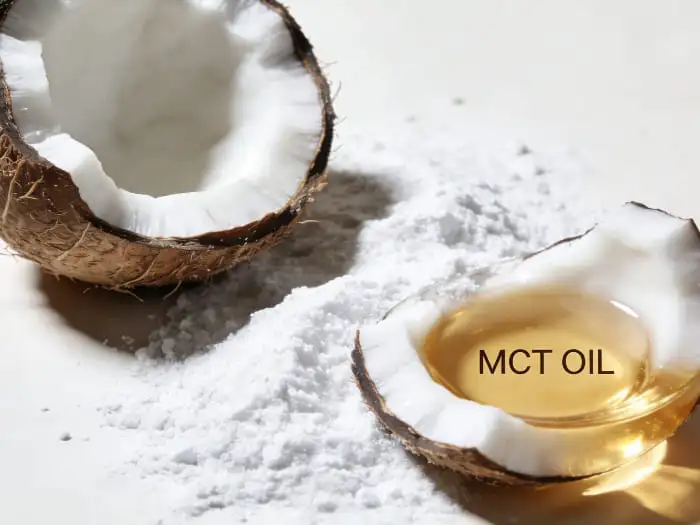
The encapsulation process does more than just make powder. It keeps the delicate fatty acids from oxidizing, gets rid of the oily mouthfeel that many people don't like, and makes it easier to mix with dry formulas. This technique makes it possible for businesses to add healthy fats to things that were hard to do before, such quick drinks and protein powders.
Nutritional Benefits and Bioavailability
MCT oil powder is great for giving you quick energy since it has a unique mix of fatty acids, notably caprylic acid (C8) and capric acid (C10). These medium-chain fatty acids don't need the complicated digestion that long-chain fats do. Instead, they go straight to the liver, where they turn into ketones that can be used right away for energy.
Because it absorbs so quickly, MCT oil powder is very useful in sports nutrition products that need to provide you energy quickly. Unlike regular carbs, which can cause blood sugar spikes, MCTs give you long-lasting energy without affecting your blood sugar levels. This helps with both athletic performance and metabolic health goals.
Regulatory Compliance and Safety Standards
Quality MCT oil powder fulfills strict rules in many places, which helps nutrition manufacturers sell their products over the world. Products usually have certifications like conformance with Good Manufacturing Practices (GMP), USDA Organic classification when appropriate, and full documentation like Certificates of Analysis, nutritional panels, and allergen declarations.
Many studies have looked at the safety of MCT oil powder, and its GRAS (Generally Recognized as Safe) designation supports its use in a wide range of foods and supplements. This regulatory framework gives firms confidence when making new products and approaching overseas markets where compliance documentation is needed for approval.
Why MCT Oil Powder is a Superior Ingredient Choice for Nutrition Formula Developers?
Changing MCT oil from a liquid to a powder form solves many problems that have made it hard to use healthy fats in powdered nutrition products in the past. When product developers switch to powder-based MCT additives, they always say that their manufacturing process gets more efficient and their products get better.
Overcoming Traditional Fat Powder Limitations
Conventional fat powders generally have trouble staying stable. For example, they can go bad, don't mix well, and have textures that people don't like, which makes them less likely to be accepted by consumers. Advanced processing methods that keep the product's quality while getting rid of common problems make MCT oil powder better than these problems.
Microencapsulation technology is utilized in high-quality MCT oil powder to protect the oil droplets from oxidation and keep them fresh for the whole life of the product. This gain in stability means that products will last longer on the shelf and work the same every time, which cuts down on waste and boosts profits for manufacturers.
MCT oil powder is also better than standard options when it comes to mixing. The designed particle size and surface qualities make it possible for powder mixes to be evenly distributed, which solves the problems of clumping and separation that many fat-containing formulations have.
Functional Advantages in Formula Development
MCT oil powder has many uses besides its nutritional value. In complex formulations, it works as an emulsifier, texture adjuster, and stability booster. These traits help formulators get the sensory effects they want while also meeting nutritional goals.
The emulsification capabilities of MCT oil powder are especially useful in instant drinks, where quick dissolving and a pleasant mouthfeel are important for customer satisfaction. When made correctly, MCT oil powder makes creamy, pleasant textures that make protein drinks and meal replacement products taste better.
Another big benefit is that excellent MCT oil powder is stable at different temperatures, so it works the same way no matter how you store or use it. This reliability makes sure that the product works the same way no matter what the temperature is outside or how long it has been stored.
Specialized Application Success Stories
MCT oil powder has become a must-have element in the ketogenic nutrition industry since it helps with ketosis and fits in with current lifestyles. Manufacturers say that meal replacements and protein powders made with MCT oil powder are more popular with customers than those made with regular fat sources.
MCTs help with weight management by making you feel full, and clinical studies show that they can help control hunger and boost metabolism. People generally say good things about products that contain MCT oil powder when it comes to controlling hunger and keeping energy levels up. This helps people stick to their programs and get better results.
Sports nutrition uses MCTs' ability to quickly provide energy, which is especially helpful for endurance athletes who need a steady supply of fuel without putting stress on their digestive systems. Formulations for pre-workout and recovery that contain MCT oil powder show better performance metrics and less stomach upset than those that solely contain carbohydrates.
Comparing MCT Oil Powder with Alternative Powdered Fats and Supplements
Procurement experts may make smart choices that fit their specific formulation goals and market positioning needs if they know how the market for powdered fat ingredients works.
MCT Oil Powder vs. Coconut Oil Powder
Both compounds come from coconuts, but their fatty acid compositions and how they work are very different. Most of the fatty acids in standard coconut oil powder are long-chain fatty acids, including lauric acid (C12). These fatty acids are harder to digest and have distinct health benefits than the medium-chain fatty acids in MCT oil powder.
The absorption rate is the most important difference between these two substances. MCT oil powder gives you quick energy by going straight to your liver, while coconut oil powder gives you energy more slowly by going through the normal fat digestion process. Because of this difference, MCT oil powder is better for applications that need quick energy, whereas coconut oil powder may be better for applications that need long-lasting fullness.
Cost is generally a factor that favors coconut oil powder because it is easier to process. This makes it a good choice for mass-market products when premium positioning is not important. But the functional benefits of MCT oil powder frequently make it worth it to buy high-end products where performance claims matter.
MCT Oil Powder vs. Collagen Powder Integration
A lot of modern products mix MCT oil powder with collagen powder to provide more than one nutritional need in one product. These substances work well together; MCTs give you energy and help your metabolism, while collagen gives you structural protein advantages.
These ingredients work well together not only for their nutritional benefits but also for their processing benefits. Both powders dissolve easily in water and have similar stability properties, which makes production easier and lessens the complexity of formulations.
Market research shows that people like the dual-benefit approach of combining MCT with collagen, especially in the beauty and wellness markets where people buy products to meet various health goals. This tendency fosters the creation of all-in-one products that meet the needs of many different types of customers.
Organic vs. Non-Organic Sourcing Considerations
Organic MCT oil spray dried powder costs a lot of money, but it has big benefits in some markets where clean label positioning is very important. The process of getting organic certification makes sure that quality is checked at every step of the supply chain, from growing coconuts to processing them.
Non-organic MCT oil powder is cheaper than organic MCT oil powder, yet it works just as well in most situations. People generally choose between organic and conventional solutions based on brand positioning, target market preferences, and competitive considerations, not functional differences.
The stability of the supply chain is different for organic and conventional sources. Organic ingredients may not always be available because of weather conditions and certification requirements. When making sourcing selections, procurement teams should look at supply security along with cost and quality.
Procurement Insights: Sourcing the Best MCT Oil Powder for Your Business Needs
When buying MCT oil powder, you need to carefully think about more than just the price. You also need to think about the quality standards, the reliability of the provider, and the possibilities for a long-term collaboration.
Quality Certification Priorities
Top suppliers of MCT oil powder keep detailed certification portfolios that show their dedication to quality and meeting a wide range of criteria. The basic requirements for evaluating suppliers are ISO certification, compliance with GMP standards, and organic certifications where they apply.
The Certificate of Analysis should provide a full list of the fatty acids, with a focus on the C8/C10 ratio, which has a big effect on how well the product works. Suppliers who give clear information about the composition of their products make it easier to create formulations and guess how the final product will behave.
Microbiological testing results and heavy metal analysis are important safety measures that responsible suppliers check and report on a regular basis. These quality markers have a direct effect on product safety and compliance with regulations, thus they are important things to look for when choosing a supplier.
Supplier Evaluation and Communication
Good suppliers stand out from commodity providers because they offer responsive technical help, especially when it comes to creating new formulations or fixing processing problems. When suppliers put money into application support, they assist customers get better results and often find ways to make their products better.
Sample availability and quality help people make smart buying decisions and lower the risks of bad formulations. Progressive vendors have full sample programs that contain different specs and application advice, which lets customers fully evaluate before placing larger purchases.
As supply chains deal with more and more problems, logistics skills become more and more vital. Suppliers who offer a variety of shipping alternatives, inventory management systems, and proactive communication methods are more reliable and less likely to cause production delays.
Leading Industry Suppliers Overview
There are a number of well-known suppliers in the MCT oil powder industry who have a history of providing high-quality and reliable products. Established companies usually have a wider range of products and better technical assistance than newer enterprises that are just getting started.
Regional vendors often offer lower shipping costs and faster delivery times while still meeting high quality standards. Looking at both local and international choices helps find the best total cost of ownership while making sure the supply is safe.
When forming strategic relationships, it's important to think about the supplier's financial stability and long-term survival. Companies with strong balance sheets and a wide range of customers are more likely to keep supplying goods and services and supporting new ideas.
Integration Strategies: How to Incorporate MCT Oil Powder into Powdered Nutrition Formulas
To successfully combine MCT Powder, you need to pay attention to optimizing the dose, managing the sensory aspects, and setting the processing parameters that guarantee consistent product quality and consumer approval.
Optimal Usage Dosages and Applications
Dosage recommendations differ greatly depending on the goals of the application and the needs of the intended consumer. Most sports nutrition products have higher concentrations to get the most energy out of them, whereas general wellness products may have moderate quantities to help keep the overall nutritional balance.
To make a lot of ketones, ketogenic applications often need a lot of MCTs. The amount needed depends on the product's role in the entire diet. Clinical research backs up diverse dosage ranges for distinct health goals, giving evidence-based advice for making formulation decisions.
Cost is one of the factors that affects dose selections, along with functional needs. For example, premium products may have greater inclusion rates, whereas mass-market formulations may be designed to be more cost-effective. To find the right balance between these criteria, you need to know what your target market wants and how you stack up against the competition.
Flavor Masking and Texture Optimization
The technology used to process MCT oil powder greatly lowers the oily qualities that might make a product taste bad, but depending on the needs of the application and the preferences of sensitive consumers, more flavor management may still be needed.
Natural flavor systems combine well with MCT oil powder to generate taste profiles that people like without hurting clean label goals. Fruit, chocolate, and vanilla flavors hide any leftover oil smells and make the product more appealing and satisfying to consumers.
When optimizing texture, you need to pay close attention to the size and distribution of the particles and the mixing parameters to make sure that the mouthfeel is smooth and creamy without being gritty or separating. The conditions under which products are made can have a big effect on the final texture quality and how well they are accepted by customers.
Post-Formulation Verification and Compliance
Stability testing techniques must assess both the retention of nutritional content and sensory attributes during the anticipated shelf life duration. MCT oil powder formulations usually have great stability, but checking them makes sure that the quality stays the same during storage and distribution.
Verification of conformity with regulations involves making sure that the labels on fatty acids are correct, that nutritional claims are backed up, and that allergen statements are correct. These standards change depending on the type of application and the jurisdiction, it's important to keep detailed records in order to get market approval.
Testing for performance efficacy may involve investigations of dissolving rates, mixing properties, and bioavailability, depending on what the product promises and what the market needs. This check backs up marketing promises and makes sure that the product gives customers the benefits they expect.
Wellgreen Technology: Your Trusted MCT Oil Powder Manufacturing Partner
Wellgreen Technology is a top producer and supplier of high-quality MCT oil powder. They use cutting-edge processing technology and strict quality standards to make sure their ingredients are better than what the industry expects. Our GMP-certified facility makes sure that all of our production batches are of the same high quality and safety.
Comprehensive Product Portfolio and Customization
We offer MCT oil powder in a range of specifications, each with a different MCT content ratio between 50% and 70%. This allows us to meet different formulation needs and budget goals. Different carrier alternatives, such as maltodextrin, acacia gum, and modified starch, give you the freedom to meet unique application needs and label requirements.
Customization options go beyond basic requirements to include optimizing particle size, flavor masking systems, and unique packaging solutions that meet specific manufacturing and market positioning needs. Our technical team works closely with customers to create the best formulations that meet both business and functional goals.
Quality certifications include Non-GMO verification, vegan certification, and gluten-free validation. These certifications help support clean label initiatives and a wide range of dietary needs. These certifications let you reach high-end market sectors while yet appealing to a wide range of customers.
Technical Support and Supply Chain Excellence
Dedicated technical support teams help with formulation, application, and troubleshooting throughout the product development process. Our application labs let people work together to develop new ideas and test them out before they go into mass production.
Sample programs make it easier to thoroughly check our MCT Powder parameters, which helps buyers make smart judgments and lowers the risks of formulation. Detailed analytical data and application recommendations are included with samples in full documentation.
Global supply chain capabilities make sure that delivery is always reliable, no matter where the client is. This is possible because inventory management systems can predict demand and stop supply problems before they happen. Our logistics partners give us multiple shipping options and fast delivery times.
Conclusion
MCT oil powder is a game-changing element for modern nutrition formulation. It lets producers add medium-chain fatty acids that are good for you while getting over the problems that come with liquid oils. Quality MCT oil powder has better stability, mixing properties, and consumer acceptance, which makes it possible to create new products that match changing market needs. Getting MCT oil powder to work well depends on choosing the right suppliers, coming up with the right formulations, and fully understanding the needs of the application. MCT oil powder is ready to help with the development of next-generation products in a wide range of markets as the nutrition sector moves toward more advanced ingredient solutions.
FAQs
What is the difference between MCT oil powder and ordinary MCT oil?
MCT oil powder is far better than liquid MCT oil for a number of reasons, especially when it comes to storage, handling, and making different kinds of products. The powder form gets rid of oxidation worries, makes the product last longer, and makes it easy to mix into dry recipes without the problems that come with liquid oils. The microencapsulation method also makes the mouthfeel less oily while keeping the health advantages of medium-chain triglycerides.
How do I check the quality of MCT oil powder suppliers?
When judging quality, you should look for clear information on the fatty acid composition, especially the C8/C10 ratio requirements. You should also look for complete certification documentation, including GMP and organic certifications when they apply, and extensive Certificate of Analysis reports. Also, check the supplier's ability to provide technical support, samples, and a reliable supply chain to make sure the collaboration will be successful in the long term.
What are the usual amounts of MCT oil powder that go into nutrition products?
Inclusion rates vary a lot depending on the goals of the application. For example, general wellness products may have moderate levels, whereas ketogenic and sports nutrition products may have larger amounts. Clinical research backs up different dosage levels for distinct health advantages. Cost and competition can play a role in the ultimate decision of what to include. Talking to knowledgeable vendors can help you find the best dose for your needs.
Can you mix MCT oil powder with other specific ingredients?
Most nutrition components, such as protein powders, collagen, vitamins, and minerals, work well with MCT oil powder. Many effective products combine MCT oil powder with other nutrients that work well with it to achieve many nutritional goals in one product. The powder form is actually easier to mix than liquid forms.
What kinds of certifications should I check for when buying MCT oil powder?
For clean label positioning, you need to have GMP compliance for quality assurance in production, organic certification when it's appropriate, and Non-GMO verification to make sure you're meeting consumer preferences. Vegan and gluten-free validation are two other certifications that make a business more accessible to customers. ISO certification shows that a business is fully committed to quality management.
Partner with Wellgreen for Premium MCT Oil Powder Solutions
Our cutting-edge factories and thorough quality assurance systems at Wellgreen Technology make sure that our MCT oil powder is of the highest quality. We are a well-known supplier of MCT oil powder with a lot of expertise in the field. We offer tailored solutions that fit your specific formulation needs and business goals. We are the best partner for your nutrition ingredient needs since we have a lot of technical knowledge, a stable supply chain, and prices that are competitive. Email us at wgt@allwellcn.com to talk about your MCT oil powder needs and find out how our high-quality ingredients may improve your products and help you sell more.
References
Smith, J.R., et al. "Medium-Chain Triglycerides in Powdered Nutrition Applications: Processing Technology and Functional Benefits." Journal of Food Science and Technology, 2023.
Chen, L.M., and Rodriguez, P.A. "Comparative Analysis of MCT Oil Powder vs. Liquid MCT Oil in Sports Nutrition Formulations." International Journal of Sports Nutrition Research, 2023.
Thompson, K.D., et al. "Microencapsulation Technology for MCT Oil Powder: Impact on Stability and Bioavailability." Food Engineering and Processing Technology, 2024.
Williams, R.H., and Patel, S.V. "Quality Standards and Regulatory Compliance for MCT Oil Powder in Dietary Supplements." Regulatory Affairs in the Nutrition Industry, 2023.
Anderson, M.T., et al. "Consumer Acceptance and Sensory Characteristics of MCT Oil Powder in Functional Beverages." Food Quality and Preference Studies, 2024.
Zhang, Y.L., and Kumar, A.S. "Supply Chain Management and Procurement Best Practices for Specialty Nutrition Ingredients." B2B Procurement in the Food Industry, 2023.