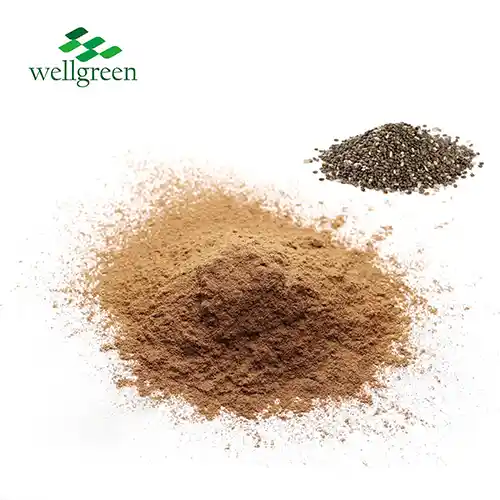
How to Choose the Best EGCG Green Tea Extract for Supplements?
2025-12-17 09:34:33
Carefully considering a number of different factors that affect how well the product works and how happy customers will be with it is important when selecting the best EGCG green tea extract for supplement recipes. EGCG levels in high-quality green tea extract powder should be between 40% and 98%, confirmed by tests and analysis reports from third parties. Key selection factors are the extraction method used, purity standards, bioavailability enhancement techniques, and compliance with regulatory requirements like FDA and EFSA guidelines. It's also important for manufacturers to look at the supplier's GMP certifications, records of batch consistency, and ability to provide custom specs that are in line with their target audience and therapeutic goals.
Understanding EGCG Green Tea Extract: Quality and Benefits
Epigallocatechin gallate, or EGCG, is the most effective catechin in green tea. In high-quality extracts, it makes up about 50% to 80% of all the catechins. This strong pigment has an amazing ability to protect cells from damage, with an ORAC (Oxygen Radical Absorbance Capacity) rating much higher than that of vitamins C and E. EGCG has been shown to help metabolic health, heart function, and cell defense against oxidative stress in clinical studies.
Biochemical Properties and Mechanisms
EGCG's chemical structure allows it to work with a number of different pathways in the body. For example, it can stop some enzymes that make fat from working and it can also start processes that make thermogenesis happen. When taken in large enough amounts to be considered a medicine, EGCG can raise the body's energy usage by 4-5%, according to studies in the American Journal of Clinical Nutrition. How stable the chemical is depends a lot on pH levels, temperature, and how many chelating agents are present while it's being made.
Clinical Evidence and Research Validation
EGCG's ability to help with a wide range of health issues has been confirmed by extensive clinical studies. A study that looked at 15 randomized controlled trials found that people who took 300-400 mg of EGCG every day for 12 weeks lost more weight than those who did not. The trials had over 1,200 subjects total. It was also clear from the research that extract standardization is important because studies that used non-standardized green tea preparations had results that weren't the same every time.
Product Form Variations and Potency
Different ways of extraction and processing lead to different bioavailability levels and EGCG concentrations. Spray-dried extracts usually have 45–60% EGCG, but advanced concentration methods can get levels of 95% or higher. Variants that are extracted with water keep better catechin ratios, but they might have less total EGCG than versions that are extracted with ethanol. Organic certificates provide an extra guarantee of quality, but they might make the product a little less potent because processing methods are limited.
Key Criteria for Selecting the Best EGCG Green Tea Extract Powder
Choosing the best green tea extract powder needs a methodical check of the quality factors that affect how well the supplement works and how safe it is for people who use it. Professional procurement teams need to make sure that their clear specifications are in line with the uses they want to use them for and the rules they need to follow.
Purity and Standardization Requirements
Premium EGCG extracts should keep consistent catechin profiles with clear levels of each compound that are recorded. Setting exact EGCG levels makes sure that each batch is the same. This is very important for supplement companies. EGCG is not the only catechin that should be found by third-party analytical tests. International safety guidelines must be followed when testing heavy metals for lead, mercury, cadmium, and arsenic. Usually, the total amount of heavy metals should be less than 10 ppm.
Processing Methods and Quality Preservation
The extraction method has a big effect on the stability and therapeutic value of the end product. Methods that work at low temperatures protect catechins that are sensitive to heat and keep them in the best form for people and animals to use biologically. Most of the time, freeze-drying gets better extracts than regular heat-drying ways. Also, because EGCG breaks down quickly when exposed to light, heat, and oxygen, manufacturers should check how well the provider controls oxidation during processing.
Regulatory Compliance and Safety Standards
Following the FDA's rules for food supplements and global guidelines means the product is safe and people will buy it. GMP certification shows that a facility is dedicated to preventing pollution and ensuring quality. Microbiological testing reports, pesticide residue analysis, and detailed COAs should be part of the paperwork. European suppliers also have to follow EFSA rules for new foods. At the same time, organic licenses require adherence to USDA or EU organic standards.
Practical Comparison: EGCG Green Tea Extract Powder vs Other Forms
Understanding the pros and cons of different EGCG delivery formats helps producers choose the best one for their unique needs and target markets. Each style has its own things to think about in terms of cost, ease of use, and how easily the recipe can be changed.
Powder versus Capsule Formulations
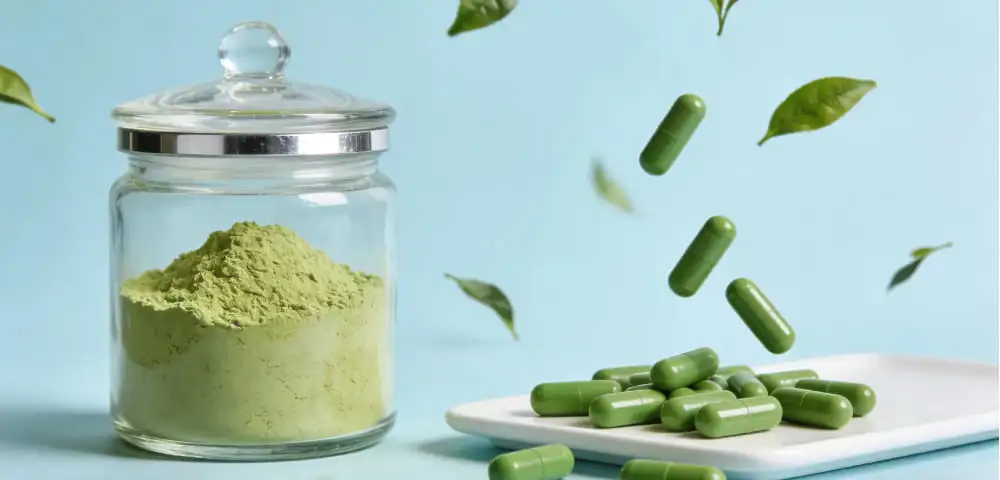
Green tea extract powder is easier to work with than other ingredients, so manufacturers can make custom blends and change the amount of powder in each serving. When made in large amounts, powder form is usually more cost-effective and easy to add into functional foods and drinks. While encapsulated goods are easier for consumers to use, they may have lower bioavailability because of enteric barriers and often include other substances that can change how quickly the body absorbs them.
Caffeine Content Considerations
Depending on how it is made, natural EGCG green tea extract usually has 1% to 12% caffeine. Decaffeinated versions keep therapeutic EGCG amounts while making it easier for people who are sensitive to caffeine to use them. Some studies, though, say that modest amounts of caffeine may help EGCG absorption and metabolic benefits through synergistic effects. When choosing between caffeinated and decaffeinated choices, manufacturers need to think about the people they want to reach and the rules about labeling.
Pure EGCG versus Whole Extract Formulations
EGCG molecules that are isolated from everything else offer the best potency and exact dosing. However, they might not have the benefits of working together that whole green tea catechin complexes have. Full-spectrum preparations keep the natural balance of catechins, which may make them easier for the body to use and more helpful for a wider range of health issues. For example, it is usually cheaper to use whole extracts instead of pure EGCG because making pure EGCG costs more due to extra steps needed to make it more pure.
Procurement Strategies for B2B Buyers of EGCG Green Tea Extract Powder
If you want to get high-quality EGCG extracts, you need to carefully consider sources, market conditions, and the possibility of long-term partnerships. Professional buyers need to make sure that the supply chain stays in good working order while they think about the cost and quality of the goods they are buying.
Supplier Evaluation and Certification Assessment
Supplier audits should look at manufacturing skills, quality control systems, and compliance with rules. ISO 22000 and HACCP licenses show that food safety management systems are strong, and GMP compliance makes sure that the quality standards are as high as they are in the drug industry. Suppliers should use the same scientific testing methods every time and keep detailed records of each batch so that they can be traced. Evaluating a potential partner's financial security and production capacity can help ensure they are able to meet your business's needs.
Contract Negotiation and Risk Management
Quality standards, delivery dates, and pricing methods that take the changing cost of materials into account should be included in strategic buying contracts. Specialized extracts usually have a minimum order quantity of 25–100 kg, but if you order more, you can get a discount. Force majeure clauses protect against disruptions in the supply chain, and quality guarantee provisions make sure that product standards are always met. Payment terms usually favor suppliers, but better ties may allow better deals.
Market Trends and Pricing Dynamics
With rising demand from the nutrition and functional food sectors driving price stability, the global green tea extract markets have been steadily expanding. The quality of raw tea leaves can change with the seasons and affect the price of extracts. This is why forward hiring is a good idea for planning your budget. Organic and specialty extracts are expensive, but they can be used to make products stand out in competitive markets. When foreign buyers come to Southeast Asia's emerging markets, they can find both chances and problems with quality control.
How to Use EGCG Green Tea Extract Powder in Supplements and Other Applications?
To use green tea extract powder correctly, you need to know about the best ways to mix it, how much to use, and application-specific factors that boost its health benefits while making sure the product stays stable and people like it.
Formulation Best Practices and Compatibility
EGCG's stability in dietary supplements relies on moisture level, pH control, and the presence of ingredients that are not compatible with EGCG. Catechins can break down quickly in alkaline conditions, so it's important to keep the pH stable for long-term storage. Vitamin C and citric acid can help natural antioxidants work better. You shouldn't use metals like iron because they speed up oxidation processes that make EGCG less effective over time.
Dosage Optimization and Bioavailability Enhancement
The number of milligrams given each day for a medicine to work properly depends on the health benefits it should have and the people it should help. It usually falls between 200 and 800 mg. Absorption can be improved by mixing it with piperine, quercetin, or phospholipid complexes that make it easier for cells to take them in. Timing of consumption affects bioavailability, with research showing that the best absorption happens when there is no food in the stomach.
Versatile Applications Beyond Traditional Supplements
Green tea extract powder works well in many types of products, such as protein powders, energy drinks, and useful snacks. The extract's natural antioxidants are good for beverage uses, but they might make the drink taste bitter, so flavor balancing is important. Cosmetics use EGCG's anti-inflammatory qualities for skincare products, but the purity standards for these products may be different from those for products that people eat.
Conclusion
It takes a lot of different things into account, like standardization levels, processing methods, regulatory compliance, and intended uses, to find the best EGCG green tea extract powder. Building ties with certified suppliers who can give you regular quality, extensive documentation, and adaptable formulation help is important for successful procurement. More and more clinical data is coming out that supports the health benefits of EGCG. This has led to a growing market demand, which makes it more and more important for products to have high-quality extracts. Manufacturers that focus on third-party testing, supplier certifications, and the right dosage forms will get a better place in the market and make customers happier.
FAQs
For making supplements, what level of EGCG should I look for in green tea extract powder?
Based on the needs of their unique formulation, professional supplement makers usually choose extracts with 40–98% EGCG concentration. Higher amounts have more effect, but they may be more difficult to work with because they are more bitter and may not be as stable.
Before I buy, how can I make sure that EGCG green tea extract is real and good?
Get full Certificates of Analysis (COAs) from licensed outside labs that do HPLC testing for catechin profiles, microbiological analysis, pesticide residue testing, and heavy metal screens. Honest providers give paperwork for each batch.
How do you store green tea extract powder so that the EGCG in it stays strong?
When you keep green tea extract powder, make sure the temperature is below 25°C and the humidity is under 60%. Catechins stay stable over long periods of time when they are kept in sealed, light-proof cases that protect them from oxygen and light.
Partner with Wellgreen for Premium EGCG Green Tea Extract Powder
Wellgreen Technology is a reliable maker of green tea extract powder. They provide pharmaceutical-grade extracts that meet the highest quality standards for making supplements. Our modern, GMP-certified facilities guarantee uniform EGCG standardization levels from 40% to 98%. Every batch comes with in-depth certificates of analysis and extensive testing by a third party. We know that supplement manufacturers need to be able to count on their supply lines, so we keep a lot of stock on hand for both planned deliveries and last-minute needs.
Our technical team offers full formulation support to help you improve bioavailability and stability in your unique applications. Wellgreen will meet your individual needs, whether you need organic licenses, custom EGCG concentrations, or special ways of processing. They also keep their prices low for large orders. We encourage you to email us at wgt@allwellcn.com to talk about your needs in a green tea extract powder seller and ask for samples that show how committed we are to quality.
References
Nagle, D. G., Ferreira, D., & Zhou, Y. D. (2006). Epigallocatechin-3-gallate (EGCG): Chemical and biomedical perspectives. Phytochemistry, 67(17), 1849-1855.
Hursel, R., Viechtbauer, W., & Westerterp-Plantenga, M. S. (2009). The effects of green tea on weight loss and weight maintenance: a meta-analysis. International Journal of Obesity, 33(9), 956-961.
Chow, H. H. S., Cai, Y., Hakim, I. A., Crowell, J. A., Shahi, F., Brooks, C. A., ... & Alberts, D. S. (2003). Pharmacokinetics and safety of green tea polyphenols after multiple-dose administration of epigallocatechin gallate and polyphenon E in healthy individuals. Clinical Cancer Research, 9(9), 3312-3319.
Yang, C. S., Chen, L., Lee, M. J., Balentine, D., Kuo, M. C., & Schantz, S. P. (1998). Blood and urine levels of tea catechins after ingestion of different amounts of green tea by human volunteers. Cancer Epidemiology, Biomarkers & Prevention, 7(4), 351-354.
Wolfram, S., Wang, Y., & Thielecke, F. (2006). Anti-obesity effects of green tea: From bedside to bench. Molecular Nutrition & Food Research, 50(2), 176-187.
Khan, N., & Mukhtar, H. (2007). Tea polyphenols for health promotion. Life Sciences, 81(7), 519-533.