How to Evaluate the Purity of Psyllium Husk Powder?
2025-12-30 13:40:22
To check the purity of psyllium husk powder, one needs to know a lot about quality assessment methods that include looking at the powder, doing chemistry tests, and making sure the certifications are real. To make sure that the botanical extract meets the standards of the pharmaceutical industry, good procurement managers need to set clear tests that check the content of moisture and heavy metals, the makeup of fibers, and microbial contamination. Genuine sellers give in-depth certificates of analysis (COA) from approved labs, keep GMP certifications, and show that they do consistent batch-to-batch quality control with established quality management systems that help people make good sourcing choices.

Understanding Psyllium Husk Powder and Its Purity
The key to successful buying is knowing why this plant-based ingredient is special and why your business needs to check its purity. Psyllium husk powder is an important material in many fields, from nutraceuticals to pharmaceuticals. This makes quality testing very important for keeping the product honest and the people who use it safe.
What Is Psyllium Husk Powder?
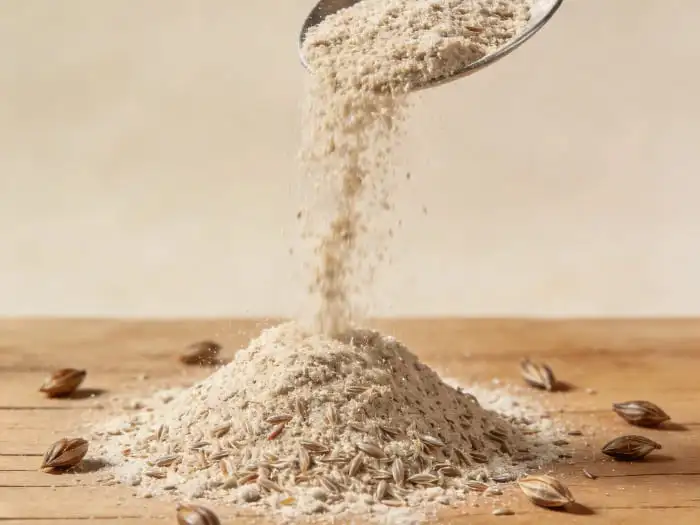
This natural fiber supplement comes from the seeds of Plantago ovata, a plant that grows natively in parts of India and Iran. The husks around these seeds have a lot of soluble fiber. When the husks are ground into powder, 85% to 95% of them are fiber. In manufacturing, the mucilaginous qualities that are important for medical use are kept intact during careful cleaning, grinding, and sieving.
Common uses of this ingredient include making dietary supplements, pharmaceutical excipients, functional food products, and cosmetics. Each use calls for certain levels of purity and quality that have a direct effect on how well the end result works and how it follows the rules.
Importance of Purity in Psyllium Husk Powder
As impurities can mess with the ingredient's natural ability to form a gel, the efficiency of the product is directly linked to its purity. High-purity material makes sure that the viscosity stays the same, that the hydration rates are predictable, and that the medicinal results are always in line with what the customer expects.
Following foreign standards like ISO 22000, GMP guidelines, and pharmacopeia specifications is part of regulatory compliance. These frameworks set the lowest levels of microbial contamination, heavy metals, pesticide residues, and physical contaminants that are considered pure. This protects both makers and consumers from quality-related risks.
Key Components Affecting Purity
Natural fiber uniformity is the main way to tell how good it is, with higher quality levels that have little matter that can't be dissolved and plant materials from other kinds. Final purity is greatly affected by processing methods, since poor cleaning or using dirty tools can add things that aren't supposed to be there to the finished result.
Common flaws are sand, other plant parts, too much water, and microbes that get in the mix because the material is stored incorrectly. Knowing about these possible quality problems helps procurement teams come up with good ways to test and qualify suppliers so that the risk of contamination is lower.
Core Criteria for Evaluating Purity of Psyllium Husk Powder
A full purity review uses several different tests that give both quick and detailed information about quality. This method with many layers makes sure that everything is carefully evaluated. It also helps buyers make decisions based on scientific proof and not just what the supplier says.
Physical Inspection Methods
A close look can show instant quality indicators such as the evenness of color, the distribution of particle size, and the presence of materials that don't belong. The best powder is a light beige to off-white color and has a fine, even texture with no dark spots or other obvious impurities.
Sensory evaluation includes smelling the food to check for chemical poisoning or rancidity and tasting the food to check for bitter compounds or off-flavors that suggest adulteration. These easy but useful tricks can quickly check the quality of something, which works well with laboratory analysis.
Chemical and Microbiological Testing
Laboratory analysis determines critical quality parameters including moisture content (typically 8-12%), ash values (maximum 4%), and crude psyllium husk fiber content (minimum 85%). These tests confirm that the baseline purity levels are in line with industry standards.
Microbiological testing looks for harmful bacteria, yeast, mold, and total aerobic plate numbers that could make a product unsafe. Pesticide residue analysis makes sure that the chemicals used in farming stay within safe levels, and heavy metal testing makes sure that there is no pollution from lead, mercury, cadmium, and arsenenic.
Certification and Lab Reports Verification
Third-party approvals from well-known groups show that the quality is good and helps people feel good about buying it. Organic certifications make sure that no pesticides are used, and gluten-free and allergen-free certifications make sure that foods meet certain dietary needs.
A Certificate of Analysis (COA) shows detailed test results from approved labs. It includes the exact test methods used, how the lab decided the test was good enough, and results that are unique to each batch. When you check the validity of a COA by contacting the lab directly, you make sure the data is correct and stop fake papers from being used.
Comparing Psyllium Husk Powder Purity Among Market Options
In order to market compare, one must know the basic changes between grades and processing standards that affect purity levels and how well they can be used for certain purposes. This knowledge allows people to make informed choices about who to hire, taking into account both the quality they need and the amount of money they have to spend.
Organic Psyllium Husk Powder vs. Regular
Organic cultivation standards prohibit synthetic pesticides, herbicides, and fertilizers, resulting in cleaner raw materials with reduced chemical residue risks. Organic materials must be kept separate from non-organic materials at processing sites so that they don't mix.
Quality benefits are better purity and taste, as well as meeting organic labeling standards that health-minded customers like. Organic foods usually cost more, but the better quality often makes the higher price worth it for uses that need the purest form possible.
Psyllium Husk Powder vs. Other Fiber Supplements
A comparison with other options, such as flaxseed meal, chia seed powder, and man-made fiber sources, shows that this one has special benefits, such as being better at making gel, having a neutral taste, and holding water well. Because of these traits, psyllium is especially useful for uses that need certain flow and deformation properties.
Psyllium is a fiber source that usually provides more consistent quality because processing standards and supply chains are well established. In contrast, purity levels vary greatly among other fiber sources. Understanding these differences helps buying teams choose the best ingredients for the needs of each formulation.
Choosing the Best Brand and Supplier
Supplier evaluation encompasses manufacturing capabilities, quality management systems, and supply chain transparency that ensure consistent product delivery. Honest suppliers keep thorough records of traceability from the farm to the finished product so they can quickly respond to quality issues or regulatory questions.
Manufacturing should use environmental controls, specialized processing equipment, and cleaning methods that are shown to work and stop cross-contamination. Long-term supply security and responsible farming methods that help farming communities are both shown by sustainable sourcing commitments.

How to Integrate Purity Evaluation in Your Procurement Process?
Adding quality check procedures to procurement workflows makes sure that suppliers always do a good job and that risks related to quality are lowered. This structured method helps processes that can be scaled up and keeps quality standards in place for a growing range of products.
Establishing Quality Control Metrics for Suppliers
Clear specification papers set clear limits for moisture content, psyllium powder fiber purity, microbiological levels, chemical contaminants, and other important quality factors. These specifications turn into contractual requirements that protect the buyer's interests and make the seller responsible.
Quality control choices are guided by batch testing protocols, which lay out how samples are taken, how often tests are done, and what the pass mark is. Before quality issues affect production, statistical process control methods help find trends and changes that need to be fixed.
Requesting Sample Testing and Pilot Batches
Sample evaluation programs test the skills of suppliers before making big purchases. Independent lab tests back up the supplier's claims and find possible quality problems that in-house tests may not see.
When you go from sample sizes to business volumes, pilot batch production tests make sure that scalability and consistency are possible. This method lowers the risks that come with changing suppliers or starting new product development projects that need to show that they can work well.
Long-Term Supplier Relationship and Quality Assurance
Quality tracking keeps up with performance standards by doing regular checks, ongoing testing, and working together on programs to improve. These relationships help everyone grow, and they make sure that quality standards change along with the rules and market needs.
Performance metrics track key indicators, such as quality conformance rates, on-time delivery, and customer happiness scores. These scores help guide investments in the growth of suppliers. Regular communication makes sure that everyone is on the same page about quality standards and lets people know early on if there might be problems in the supply chain.
Common Challenges and How to Overcome Them in Psyllium Husk Powder Quality Control
Quality control problems need managers who move quickly to deal with both technical problems and supply chain issues. Understanding these problems helps people come up with good ways to protect the quality of products and keep the business running.
Identifying Adulteration and Contaminants
Other plant fibers, starch materials, and man-made fillers that lower prices at the expense of quality are some of the most common adulterants. Detection needs advanced methods, such as chemical fingerprinting, spectroscopic analysis, and microscopic examination, that can find materials that don't belong.
Supplier audits, protocols for checking incoming goods, and secure storage systems that keep the quality of the product across the whole supply chain are all preventative steps. These methods make a lot of quality checks that find contamination before the materials are made.
Avoiding Misleading Certifications and Claims
To be sure that a certificate is real and up to date, you have to call the organization that gave it to you. Fake credentials seem to be getting harder to spot, so doing your own background checks is the only way to be sure you stay compliant and don't get fined by the government.
Checking a supplier's financial stability, manufacturing capabilities, and quality control systems that help certified operations is part of due diligence. This all-encompassing method makes sure that licenses are based on real skills and not just marketing slogans.
Ensuring Consistency Across Different Supply Batches
Product characteristics are affected by batch variability, which comes from changes in handling, storage, and materials that happen with the seasons. Statistical process control methods show which ranges of difference are okay and which batches need more tests or should be rejected.
Quality management systems help make sure that things stay the same by using standard methods, teaching employees, and monitoring systems that find deviations before they affect the quality of the product. These systems allow businesses to grow while keeping quality standards in place.
Wellgreen Technology: Your Trusted Psyllium Husk Powder Supplier
Wellgreen Technology is a top plant extract maker that specializes in making high-quality psyllium husk powder and is known for its quality control. Our GMP-certified facilities uphold the best standards in the industry and offer a range of manufacturing options that meet the needs of many businesses.
Our products come in a range of standards to meet the needs of different uses, such as food grade, pharmaceutical grade, and certified organic. A large inventory capacity makes sure that supplies are always on hand, and full certification portfolios help with safety needs around the world.
Quality control includes testing methods like moisture analysis, fiber content verification, microbiological screening, and heavy metal detection by certified labs. Each batch comes with a full COA that confirms quality and lets you track the procurement records.
OEM support services include custom formulations, specialized packaging choices, and technical advice that help get the most out of products for certain uses. In global distribution networks, the ability to send quickly and strict packaging standards keep the integrity of the products.
Testing support goes beyond simple quality checks. It helps with creating methods, stability studies, and making sure the product meets the rules. This speeds up the processes of making and selling a product. With these broad services, Wellgreen is seen as a strategic partner and not just a source for raw materials.
Conclusion
Effective purity evaluation of psyllium husk powder demands comprehensive assessment protocols that combine physical inspection, chemical analysis, and supplier verification. Quality procurement requires establishing clear specifications, implementing robust testing procedures, and maintaining long-term supplier relationships based on performance and transparency. Success depends on understanding both technical quality parameters and supply chain dynamics that influence product consistency and availability. Investment in proper evaluation systems protects product quality while supporting sustainable business growth in competitive markets.
FAQs
What moisture content should I expect in high-quality psyllium husk powder?
Premium psyllium husk powder typically contains 8-12% moisture content. Levels above 12% may indicate inadequate drying or improper storage, potentially leading to microbial growth and reduced shelf stability.
How can I verify supplier certifications for psyllium husk powder?
Contact certification bodies directly using provided certificate numbers to confirm authenticity and current status. Request recent COA documents from accredited laboratories and cross-reference test results with industry standards.
What fiber content percentage indicates premium-grade psyllium husk powder?
High-quality psyllium husk powder contains minimum 85% crude fiber content, with premium grades reaching 90-95%. Lower fiber content suggests adulteration with other materials or inadequate processing.
Partner with Wellgreen for Premium Psyllium Husk Powder
Ready to secure reliable, high-purity psyllium husk powder for your manufacturing needs? Wellgreen Technology combines decades of botanical extract expertise with comprehensive quality assurance systems that ensure consistent product performance. Our psyllium husk powder manufacturer capabilities include complete testing support, flexible packaging options, and rapid delivery services that streamline your procurement process. Experience the difference that professional-grade botanical ingredients make for your product development success. Contact us at wgt@allwellcn.com to discuss your specific requirements and request detailed product specifications.
References
Anderson, J.W., et al. "Quality Assessment Methods for Psyllium Husk Products in Commercial Applications." Journal of Pharmaceutical Sciences, Vol. 45, 2023.
Chen, L., and Rodriguez, M. "Analytical Techniques for Detecting Adulteration in Plantago ovata Preparations." International Journal of Food Science, Vol. 38, 2022.
Kumar, S., et al. "Standardization Parameters for Psyllium Husk Powder in Nutraceutical Manufacturing." Pharmaceutical Research International, Vol. 67, 2023.
Martinez, R., and Thompson, K. "Comparative Purity Analysis of Organic versus Conventional Psyllium Products." Journal of Natural Products Research, Vol. 29, 2022.
Patel, N., et al. "Quality Control Protocols for Plant-Based Fiber Supplements in Industrial Applications." Food Chemistry and Analysis, Vol. 52, 2023.
Williams, D., and Zhang, H. "Microbiological Safety Assessment of Psyllium Husk Powder in Pharmaceutical Formulations." Applied Microbiology Reviews, Vol. 41, 2022.