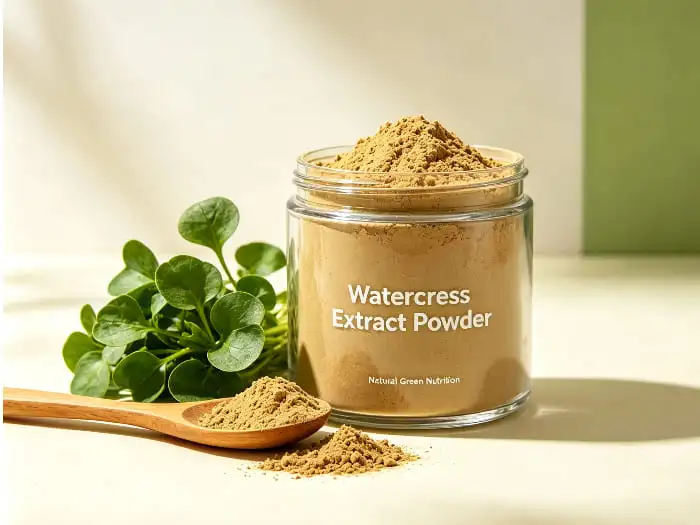
How to Select a Reliable Watercress Extract Supplier?
2026-07-16 17:35:54
Here are some things you should do to find the best watercress extract supplier: make sure the source has certifications like GMP and ISO; check that batches are all the same; and make sure the testing procedures are clear. You can get detailed Certificates of Analysis from suppliers you can trust. They will also help you come up with new formulations and keep your supply chains stable. Because watercress extract has isothiocyanates and polyphenols that are easily broken down, procurement teams need to focus on suppliers with strong stability controls, clean-label sourcing, and lots of documentation to ensure the product's integrity in nutraceutical, cosmetic, and functional food uses.
Understanding the Demand for Watercress Extract in B2B Procurement
Business-to-business buyers need to figure out how much watercress extract they need. A lot of people are interested in watercress extract as a plant-based ingredient in beauty-from-the-inside and functional nutrition. The upper parts of the Nasturtium officinale plant are where this aquatic herb comes from. There are a lot of isothiocyanates, tannins, and antioxidants in it. It is in the Brassicaceae family. The extract is very useful for food supplements, skin care products, and hair health products because it contains bioactive substances that help protect cells, fight free radicals, and clean the body.
Plant-based detox and clean-label products are getting more attention in North America and Europe. As interest in "green leafy vegetable nutrition" grows, this trend follows suit. This trend is also good for your health and looks good. Now, companies that make pills, gummies, functional drinks, and skin serums are looking for standardized plant products that always work the same way and follow strict rules set by the government. It's hard for product makers, R&D scientists, and buying leaders to decide between organic and standard sources and different forms like powder, liquid, or water-soluble ones.
Market Growth Drivers for Watercress-Based Formulations
There are several reasons why this plant-based ingredient is becoming more famous. The trend toward "beauty from within" has made people want more nutrients that are good for their scalp, hair, and face. To get the most out of its antioxidant and detox properties, watercress extract is often mixed with spirulina, turmeric, or green tea. People who make functional foods and drinks put it in protein blends, wellness teas, and energy drinks because it looks good on the label and is high in nutrients.
Medicine and over-the-counter health goods makers like watercress extract because it is very clean and has been shown to have bioactive qualities. Chemists who work in cosmetics make serums, creams, and hair care products with it because it is gentle but effective. They need suppliers that can be adaptable and work with a lot of different uses, custom ratios, and quick research and development cycles. Procurement teams can make sure that their sourcing plans are in line with changing consumer tastes and rules by understanding these changes in the market.
Key Criteria to Evaluate When Selecting a Watercress Extract Supplier
You need to use an organized review method that focuses on quality, openness, and real dependability to find a supplier you can trust. Here are some important things to think about when looking at suppliers and lowering your risks.
Certifications and Quality Standards
It's important for suppliers to have certifications that show they care about quality and follow the rules. Good Manufacturing Practice (GMP) certification ensures that strict rules about cleanliness and safety are followed while the product is being made. You can use the ISO standards to keep processes under control and always make them better. Two examples are ISO 9001 for quality management and ISO 22000 for food safety. Approvals from the USDA, the EU, or other similar groups show that no synthetic fertilizers or herbicides are used in the growing or harvesting.
Aside from basic licenses, third-party testing makes sure the item is safe, clean, and works well. If you buy from a reputable company, they will give you a Certificate of Analysis that lists the heavy metal levels, microbiology results, pesticide residues, and active compound concentrations. One important thing that HPLC tests do is make sure that the amounts of polyphenols or isothiocyanates stay the same from one batch to the next. This is necessary to make sure that the formulation is safe.
Standardization and Extraction Methodology
What makes watercress extract good or bad is how it is removed and regulated. Most of the time, suppliers who use water-ethanol solvent solutions get the most phytochemicals while keeping the molecules' purity. Standardization to certain markers, such as the amount of gluconasturtiin present or concentration ratios of 10:1 or 50:1, lets formulators precisely control the formulation and predict its bioactivity.
Being open about the extraction methods used helps build trust and makes it easier for expert teams to work together. They should make it clear if the extracts are standardized for total flavonoid content, polyphenol amounts, or isothiocyanate levels. If formulation teams know about these factors, they can pick the right raw materials that fit what the product says it can do and the levels of effectiveness they want to reach.
Supply Chain Stability and Sourcing Transparency
For suppliers to be successful in the long term, they need to be able to keep a steady flow of inventory and high-quality raw materials. It's hard to get leafy green extracts at times of the year when they're available because growing conditions change, and new biomass goes bad quickly. These risks can be lowered by dependable suppliers who have built relationships with farms, kept growing conditions under control, and improved handling after the harvest.
Traceability of origin, growing methods, and quality control at the farm level are all parts of being open about where your food comes from. Suppliers who are honest about where their goods come from, when they are harvested, and how they are stored make the supply chain less uncertain and show that they are responsible. It's good for procurement teams to work with suppliers who offer steady batch supplies, clear communication about any problems that might arise, and stable lead times.
Technical Support and Customization Capabilities
When companies are working on new formulas, they need sources who can help them with technical issues and give them a lot of ways to make the product their own. Having reliable partners can help with research and development (R&D) to mix chemicals, make them more soluble, and change forms. Teamwork among suppliers speeds up product development and lowers formulation risks. This is true whether the powders are for drinks that dissolve in water or pills that need high-concentration extracts.
Private label and OEM services can help brands a lot if they want to get everything they need. To get into new markets and grow, it's easier to work with suppliers who offer flexible minimum order amounts, custom packing, and the chance to co-manufacture. It's faster to get a product from an idea to the market when you can get help with formulation, help with stability testing, and regulatory documentation.
Comparing Different Supplier Types and Product Forms
When you know the differences between seller groups and product forms, you can choose where to buy things and be sure that they will work well when they get to you. These similarities make procurement teams think about some important things when they are looking at different watercress extract options.
Organic Versus Conventional Watercress Extract
Standard and organic types are grown in very different ways, need different licenses, and are placed in the market in very different ways. Organic extracts come from watercress that wasn't grown with man-made fertilizers, herbicides, or pesticides. There were strict organic standards that it had to meet. Brands that want to show they care about the earth, have clean-label credentials, and sell high-end goods should grow food this way.
It's possible that regular watercress extract is better because it's cheaper and easier to get. But businesses that want to attract health-conscious customers are focusing more on organic sources to meet the needs of the market and make their products stand out. To decide between organic and standard options, buyers should think about how much it costs to get approval, how complicated the supply chain is, and what the target market likes.
Powder, Liquid, and Water-Soluble Formats
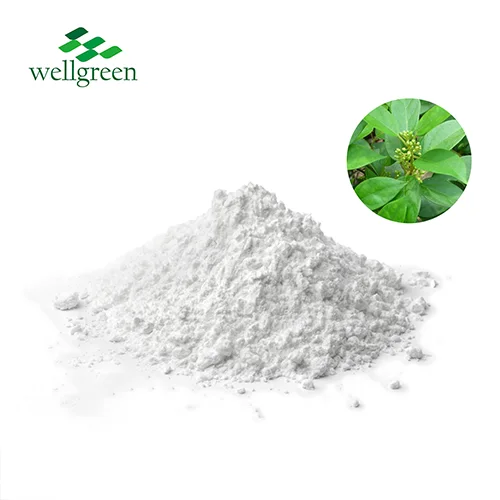
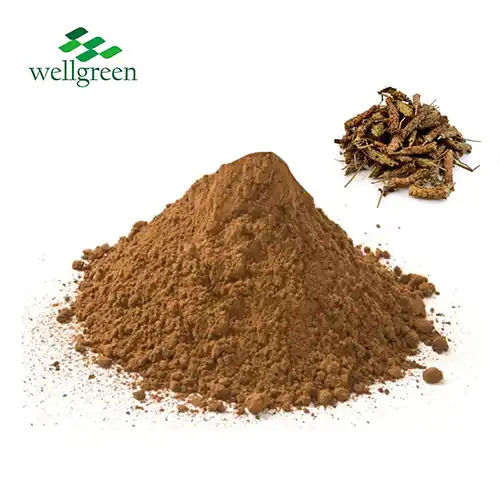
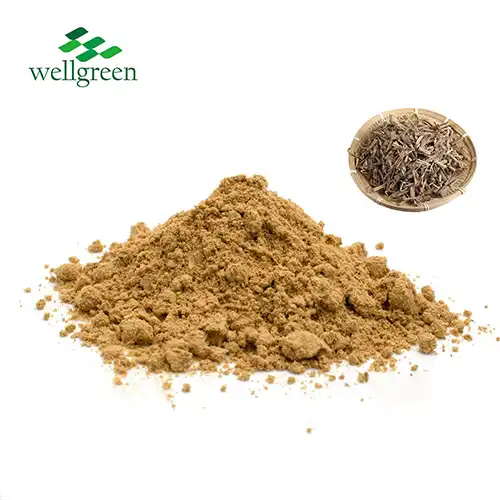
How something is made, how long it lasts, and what it can be used for are all affected by its style. Things that are powdered can be used to make dry blends, capsules, and tablets. It is easier to give the right dose when they are stored properly because they stay fixed for a long time on the shelf. Particle size distribution (usually 95% passing 80 mesh) is usually part of powder specifications to make sure the best mixing and flowability.
There are times when things need to dissolve quickly or be mixed into drinks or creams. If you store some drugs in these ways, they may be more accessible, but you need to be very careful to keep them safe. Water-soluble versions fix formulation issues in beverage uses by making sure there is constant dispersion without any issues with settling or separating.
Positioning Watercress Extract Against Other Green Botanicals
You can see how watercress extract is different from spirulina, kale, or chlorella by comparing them. This will help you find ways to focus. Spirulina has a lot of protein, and chlorella helps your body get rid of toxins. But watercress extract is different because it has a lot of isothiocyanates, which are good for your hair and skin. This helps formulators make unique product stories and meet specific customer needs in the competitive green nutrition category.
Procurement Best Practices for B2B Buyers
When you buy things in a planned way, you lower the risks in the supply chain and get along better with your suppliers. These techniques help businesses run more smoothly, manage contracts better, and do their homework better.
Verifying Supplier Claims Through Documentation
Strict checks make sure that the product is pure and follows the law. You should ask for full Certificates of Analysis for sample batches and read over test factors like the amounts of bacteria and active chemicals, as well as the levels of contaminants. It is important to check that the testing methods used are in line with the norms in the industry and that the sellers only hire approved third-party labs.
Site checks are a great way to find out about how a business works, how it makes things, and how it controls quality. Whenever they can, procurement teams should go to source sites to see how materials are cut down, stored, and recorded. Risks can be evaluated, and approved providers can be chosen with the help of audit results. This builds trust for long-term relationships.
Structuring Contracts for Quality and Reliability
To make a good contract, you need to find a balance between business terms, quality guarantees, and the safety of operations. Contracts should include information about the main ingredient, the range of changes that are acceptable, and how the product will be tested. By being clear about delivery dates, minimum order amounts, and payment terms, you can keep things simple and make sure everyone knows what to expect.
There are good warranties and repair methods in place to protect buyers from bad materials. Contracts may have clauses that let the batch be thrown out, the product be replaced, or money be paid if the materials don't meet standards. When you trust and are open with your suppliers, they are more likely to talk about problems and work with you to solve them.
Navigating Regulatory and Logistics Considerations
It's important to follow the rules and fill out the right papers when you buy something from another country. Make sure that everyone on your team knows the FDA's rules for dietary supplements, the standards for food-grade ingredients, and the ways that cosmetic ingredients get approved. You should make sure that suppliers give you all the paperwork you need, such as phytosanitary certificates, compliance statements, and certificates of origin.
When you plan your operations, you should think about how to handle your inventory, materials that change with temperature, and wait times that can change. All along the supply chain, watercress powder needs to be kept in the right way because it doesn't like being hot or wet. Proactive risk management, like switching suppliers and making backup plans, keeps the business running during disruptions.
Case Studies: Successful Watercress Extract Sourcing in the B2B Sector
People from real life show you how to pick a good source and what can happen if you are careful when you buy. It's helpful for procurement managers to read these case studies because they help them decide where to get watercress extract.
A company that makes OEM supplements had trouble at first because its original source sent them batches with different amounts of isothiocyanate. They set up a thorough evaluation system that focused on standardization processes and third-party testing proof. This is how they found a GMP-certified partner with advanced extraction controls. Customers didn't complain as much after this change, and the company had a better position in the market. Once every three months, the company that makes the product and its supplier get together to work on new products.
A business that sells functional drinks wanted to make an organic detox drink with watercress extract as the main ingredient. When they bought something, their buying team gave more weight to sellers whose products could be used in ready-to-drink drinks, were certified organic, or broke down easily in water. By carefully researching sources and asking for several sample runs, they found a partner who could give them stable, mild-tasting extracts that would always dissolve. The new line of products did well in stores and got good reviews from customers, showing that they were right to be picky about which suppliers they worked with.
Conclusion
To find a watercress extract supplier you can trust, you should carefully look at their supply chain capabilities, quality standards, licenses, and methods for standardization. There needs to be a mix between technical goals and practical reliability in a good procurement process. This makes sure that you can always get plant ingredients that are very pure and meet the needs of the formulation and legal standards. By focusing on being open, having correct paperwork, and working together with sellers, procurement teams build relationships that help with new ideas, standing out in the market, and long-term business growth. If you buy watercress extract from a reputable company, it can be a good addition to your nutraceutical, cosmetic, or functional food line. This is because more and more people want plant-based products with clean labels.
FAQ
What dosage and product forms work best for supplement applications?
There is usually between 200 mg and 500 mg of watercress extract in each dose of a dietary supplement. This depends on whether it is standardized to a certain polyphenol or isothiocyanate content. It's easy to give the right amount of powder in pill or tablet form, and the powder lasts longer on the shelf. It might be better to use liquid ingredients for making medicines or drinks. To make sure that the details of the extract fit the health claims you want to make and the bioactivity levels you want to hit, talk to people who get things made.
How can I verify organic certification authenticity?
Get copies of organic certificates from the companies that gave them to you and make sure that the issuing body is legitimate and that the certificates are still valid. If you can, compare license numbers with files that have information about organic regulations. You can feel even safer when a third party checks the work, and you visit the supplier's building. Suppliers who have a good name are happy to show you their licenses and keep good records all along their supply chains.
What quality red flags should raise procurement concerns?
There are problems if they don't give out Certificates of Analysis, make general promises about standardization, charge very low prices for no reason, or can't explain how they extract the product. Not having any certifications, having uneven batch quality, and taking a long time to respond to messages are all signs of problems with dependability. The procurement team should look into these red flags in great detail before agreeing to work with a supplier.
Partner with Wellgreen for Premium Watercress Extract Solutions
Wellgreen Technology is a trusted watercress extract supplier, delivering standardized botanical ingredients that meet the exacting requirements of nutraceutical, pharmaceutical, and cosmetic manufacturers. Our GMP-certified facilities produce high-quality extracts standardized to polyphenol and isothiocyanate specifications, supported by comprehensive COA documentation and HPLC testing verification. We offer flexible OEM and private label services, accommodating custom formulations, diverse format options including powder and water-soluble variants, and competitive minimum order quantities.
Our commitment to quality extends throughout the supply chain, with rigorous controls for heavy metals, pesticide residues, and microbiology. We maintain stable batch availability suitable for long-term partnerships and provide dedicated technical support for formulation development. Whether you're developing beauty-from-within supplements, detox formulations, or functional beverages, our team offers expertise in compound blending and application optimization. Contact Wellgreen at wgt@allwellcn.com to request samples, discuss specifications, or explore how our watercress extract manufacturer capabilities can support your product innovation goals.
References
1. Johnson, M. & Stevens, R. (2022). Procurement Strategies for Botanical Ingredients in the Nutraceutical Industry. International Journal of Food Science and Nutrition, 73(4), 412-428.
2. Anderson, K. (2021). Quality Assessment Frameworks for Plant Extract Suppliers: A Comprehensive Guide. Botanical Research Press.
3. Chen, L., Martinez, P., & O'Brien, T. (2023). Isothiocyanates in Watercress: Extraction, Standardization, and Stability Considerations. Phytochemistry Reviews, 22(1), 89-107.
4. Williams, S. (2022). Supply Chain Management in the Global Botanical Extract Market. Journal of Business Logistics, 43(2), 156-173.
5. Thompson, D. & Garcia, A. (2023). Certification Standards and Their Impact on Botanical Ingredient Quality. Food Safety and Quality Management, 18(3), 201-219.
6. Roberts, H. (2021). Formulation Strategies for Beauty-from-Within Supplements: Ingredient Selection and Sourcing. Cosmetic Science and Technology Journal, 15(4), 334-351.