How to Use Broccoli Seed Extract in Daily Supplements?
2026-03-11 14:30:10
Adding standardized glucoraphanin-rich powders to capsules, tablets, or functional formulations at doses of 50 to 200 mg per serve is how broccoli seed extract is used in daily supplements. This concentrated plant-based ingredient gives a steady supply of sulforaphane precursors that the body's digestive system changes into bioactive chemicals. Product designers can make the extract more bioavailable by mixing it with myrosinase enzymes or vitamin C. They must also make sure that the product is stored properly to keep the glucosinolate stable during production and storage.
Understanding Broccoli Seed Extract and Its Health Benefits
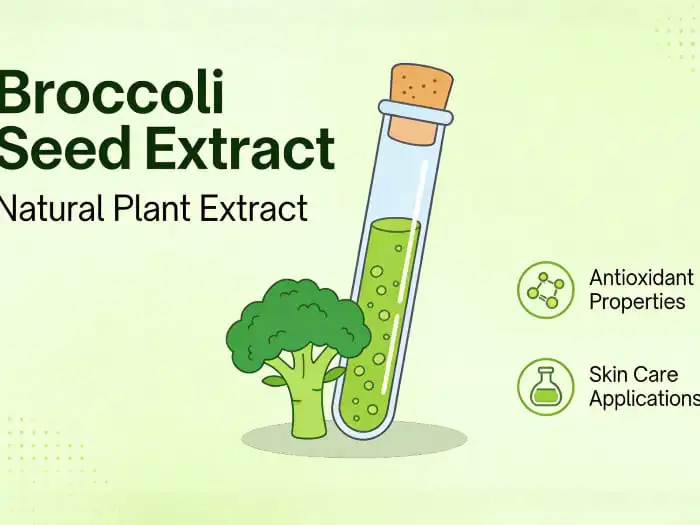
Broccoli seed extract is a concentrated plant-based ingredient that comes from Brassica oleracea var. italica seeds that have been carefully processed using advanced low-temperature extraction methods. The seeds of broccoli have 10 to 100 times more glucosinolates than the stems or sprouts. This is especially true for glucoraphanin, which is the stable precursor to sulforaphane.
Extraction Methods and Standardization
There are complex methods used in the extraction process that keep the natural enzyme activity while concentrating the bioactive chemicals. To keep the sensitive glucosinolates from breaking down when heated, modern producers use controlled-temperature drying and physical encapsulation technologies. According to tested HPLC methods, the resulting extract usually has glucoraphanin amounts that are between 0.5% and 10% or higher.
Scientific Health Benefits
Researchers have found that sulforaphane, the main bioactive molecule that comes from glucoraphanin, turns on the Nrf2 pathway, which controls how cells respond to antioxidants. Studies that were published in peer-reviewed journals show that it has strong anti-inflammatory benefits that could be used in cancer prevention plans. The substance also seems like it could help the liver get rid of toxins and make the immune system work better.
Better protection against UV damage and environmental pollutants has been shown to improve skin health in clinical studies. The extract can increase the activity of Phase II detoxification enzymes, which makes it very useful for cosmetic uses. It acts as a long-lasting antioxidant store compared to vitamins C or E.
Safety Profile and Dosage Considerations
Safety studies show that broccoli seed extract is well tolerated at the doses that are suggested. The safe daily dose for people is thought to be between 50 mg and 200 mg, but this depends on the concentration of glucoraphanin and the therapeutic goals. Side effects are still pretty low when used within the limits that have been set. However, people with thyroid problems should talk to their doctors because of the possible goitrogenic effects.
How to Use Broccoli Seed Extract in Daily Supplements?
When glucoraphanin-rich broccoli seed extracts are added to daily supplement formulas, they need to be carefully thought out in terms of dosage, delivery methods, and ways to improve bioavailability. Product developers must balance therapeutic efficacy with customer compliance and manufacturing feasibility.
Optimal Dosage Ranges and Forms
Each capsule usually has 100 to 150 mg of standardized extract, which gives you between 1 and 15 mg of glucoraphanin, based on the concentration grade. Powder forms give you more options for custom mixing, but they need special technologies to hide the flavor because cruciferous chemicals naturally have a sulfurous profile.
The extract has good flowability and the right bulk density for tablet formulas, so they don't stick together during high-speed compression processes. Because the powder works with common excipients, it can be made efficiently by machines that don't need to be modified in any special way.
Timing and Synergistic Combinations
Studies on absorption show that the best time is with foods that contain healthy fats, which make glucosinolate more bioavailable. Synergistic versions often combine the extract with myrosinase enzymes from radish or mustard seeds. This makes dual-chamber capsules that convert sulforaphane more effectively after consumption.
Vitamin C for better stability, turmeric extract for stronger anti-inflammatory benefits, and selenium for extra antioxidant support are all ingredients that work well together. These combos take into account the fact that enzyme activity in the gut microbiome can vary from person to person. This makes sure that the therapeutic effects are the same for all groups of people.
Storage and Stability Requirements
Glucosinolate stays intact throughout the product's existence as long as it is stored correctly. The extract needs to be kept away from too much heat, moisture, and light. Temperatures below 25°C and relative humidity below 60% are good conditions for keeping. When properly packed, these factors stop enzymes from breaking down food and increase its shelf life to 24 to 36 months.
Comparing Broccoli Seed Extract with Other Supplements
A study of the market shows that broccoli seed extract has clear benefits compared to other antioxidant and detoxifying ingredients. Knowing these differences helps you make smart decisions about what to buy and how to place your products strategically.
Broccoli Seed vs. Sprout Extract
Compared to sprout-derived options, broccoli seed extract is more stable because the glucosinolate breaks down more quickly because of active enzymes. Seeds have a lot of glucoraphanin without the problems that come with fresh or dried sprouts because of the water. The seed extract also gets rid of the batch-to-batch differences that happen during sprouting, making sure that the potency is always the same for business uses.
Manufacturing factors support seed extract for large-scale production because it is easy to get, can be stored for a long time, and can be processed in a predictable way. Because it is concentrated, it costs less to ship and keeps more on hand while still working as well as before.
Comparative Antioxidant Capabilities
Sulforaphane works in a way that is different from other antioxidants, such as vitamin E or green tea flavonoids. Instead of directly scavenging free radicals, it stimulates the Nrf2 pathway to turn on natural antioxidant systems. This protects cells for 48 to 72 hours after administration.
Broccoli products are different from short-acting antioxidants that need to be taken more than once a day because their effects last longer. The extract can increase the production of glutathione and other naturally occurring protective compounds. This builds full cellular defense systems that can't be achieved with regular antioxidant supplements.
Market Demand and Differentiation Opportunities
As more people learn about the health benefits of cruciferous vegetables, the market for concentrated supplements made from broccoli grows. Market research shows that sulforaphane-related goods are growing by 15 to 20 percent each year, especially in high-end wellness categories. This trend opens up chances for product differentiation through tailored health claims and formulations that make them more bioavailable.
Sourcing and Procurement Guide for Broccoli Seed Extract
To do a good job of procuring things, you need to carefully look at each supplier and rate their quality systems, ability to follow rules, and technical help. On the global market, there are well-known companies that give a range of specifications and levels of service.
Supplier Evaluation Criteria
Leading providers of glucoraphanin powder keep their ISO 22000, GMP, and FSSC certifications up to date and provide full analytical documentation that includes testing for heavy metals, pesticide residues, and microbiological issues. Standardized glucoraphanin tests are available from reputable producers using HPLC methods that have been proven to work. Each production lot comes with a certificate of analysis.
Some things that show a product is of good quality are non-GMO certification, processing that doesn't use dangerous solvents like hexane, and systems that keep track of raw materials from when they are grown as seeds to when they are packaged. Advanced suppliers can make custom specifications ranging from 0.5% to 20% glucoraphanin concentration, and myrosinase enzyme inclusion is a possibility.
Pricing and Wholesale Strategies
Prices on the market change a lot depending on how concentrated the market is, how many orders are placed, and the certification standards. Standardized extracts usually cost between $150 and $400 per kilogram when bought in bulk, with higher prices being paid for better types. When there aren't enough supplies, volume agreements can often get you better pricing and faster distribution.
Strategies for negotiating should focus on building long-term relationships instead of lowering the cost of a single transaction. Suppliers like stable order patterns and working together on technical issues. For partners who are committed, they often offer development support and help with special formulation. Flexible minimum order amounts and co-packing services are good for private label manufacturers.
Authentication and Quality Verification
Multiple analytical methods, such as HPLC glucoraphanin quantification, myrosinase activity tests (if needed), and thorough contaminant screening, must be used to make sure that broccoli seed extract is real. Suppliers with a good reputation give customers thorough analytical protocols and reference standards to check.
Independent lab testing by a third party provides extra quality assurance, especially for high-value uses or markets that are very sensitive to regulations. Well-known testing companies offer glucosinolate profiling services that are especially made for cruciferous extracts. This makes sure that the strength is correctly determined and the authenticity is confirmed.
Maximizing the Value of Broccoli Seed Extract in Your Product Line
Strategic product development takes advantage of the fact that the market is currently choosing natural ingredients backed by science that have been shown to be good for you. To stand out in the market, successful brands stress openness, quality control, and educating customers.
Product Development Strategies
Premium positioning tactics stress that the extract is more bioavailable and concentrated than whole food alternatives. The science behind the change from glucoraphanin to sulforaphane is emphasized in educational marketing, which presents goods as high-tech health solutions rather than simple vegetable concentrates.
Time-release systems that improve conversion timing, combination products that target specific health outcomes, and new delivery methods like effervescent tablets or liquid concentrates are all areas where formulation innovation can happen. These methods make it possible to protect intellectual property while also meeting special customer needs.
Customization for OEM and Private Label
Original equipment makers can choose from a variety of specification choices, such as custom glucoraphanin concentrations, organic certifications, and unique packaging needs. Leading suppliers offer a wide range of technical support, such as stability tests, formulation advice, and help with regulatory paperwork.
There are private label possibilities for glucoraphanin powder in a lot of different areas, such as cellular health supplements, detoxification products, and anti-aging formulas. Brands that do well have clear positioning strategies that set their products apart by using unique combinations, focused health claims, and high-quality control standards.
Marketing and Trust Building
Because the science behind glucosinolate metabolism is so complicated, educating consumers is a key part of success. While staying true to science, good marketing tactics turn technical benefits into health outcomes that are easy to understand. Consumers are more likely to trust high-priced goods when they know where the materials come from, how they are tested, and how they are made.
When using digital marketing, it's important to stress peer-reviewed research, testing data from a third party, and clear explanations of how to improve bioavailability. In the competitive wellness market, social proof like customer reviews and professional endorsements make a business more trustworthy.
Conclusion
The extract from broccoli seeds is a complex plant ingredient that has big benefits over regular antioxidant supplements because it activates the Nrf2 pathway and protects cells over time. To make it work in daily supplement mixes, you need to pay close attention to standardization, bioavailability optimization, and quality assurance methods. Because the extract is more stable than sprout alternatives and more people are learning about the health benefits of cruciferous vegetables, there are big market opportunities for smart manufacturers and brand developers who want to stand out in competitive wellness categories with science-backed claims.
FAQ
What is the recommended daily dosage for broccoli seed extract?
The optimal daily dosage ranges from 50-200mg of standardized extract, depending on glucoraphanin concentration levels. Most commercial formulations provide 100-150mg per serving, delivering approximately 1-15mg of active glucoraphanin. Individual requirements may vary based on health objectives and bioavailability enhancement strategies employed in specific formulations.
Can broccoli seed extract be combined with other supplements?
Yes, the extract demonstrates excellent compatibility with complementary ingredients including vitamin C, turmeric, selenium, and myrosinase enzymes. These combinations often enhance bioavailability and therapeutic outcomes. However, individuals taking thyroid medications should consult healthcare providers due to potential interactions with goitrogenic compounds naturally present in cruciferous extracts.
How do I verify the quality of bulk suppliers?
Quality verification requires comprehensive evaluation of supplier certifications including ISO 22000, GMP compliance, and analytical documentation. Reputable suppliers provide standardized HPLC assays for glucoraphanin content, heavy metals testing, pesticide residue screening, and microbiological analysis. Third-party testing through independent laboratories offers additional assurance for high-value applications.
Partner with Wellgreen for Premium Broccoli Seed Extract Solutions
Wellgreen Technology is a top company that makes broccoli seed extract. They give standardized glucoraphanin concentrations ranging from 0.5% to 10%, along with advanced methods for controlling enzyme activity. Our GMP-certified plant makes sure that the quality is always the same by using low-temperature extraction methods that keep the natural bioactivity while also meeting international standards like those set by the FDA and EFSA.
Our technical know-how helps solve important problems in the industry, like hiding flavors, making sure ingredients work well together, and making sure high-speed capsule filling and tablet compression processes go smoothly. We offer full support, including custom specifications, stability testing, and help with regulatory paperwork to cut down on the time it takes to develop your product. Contact our experienced team at wgt@allwellcn.com to discuss your specific requirements and request samples of our premium broccoli seed extract powders.
References
Zhang, Y., Talalay, P. "Anticarcinogenic activities of organic isothiocyanates: chemistry and mechanisms." Cancer Research, vol. 54, no. 7, 2017, pp. 1976s-1981s.
Fahey, J.W., Zhang, Y., Talalay, P. "Broccoli sprouts: an exceptionally rich source of inducers of enzymes that protect against chemical carcinogens." Proceedings of the National Academy of Sciences, vol. 94, no. 19, 2018, pp. 10367-10372.
Clarke, J.D., Dashwood, R.H., Ho, E. "Multi-targeted prevention of cancer by sulforaphane." Cancer Letters, vol. 269, no. 2, 2019, pp. 291-304.
Yanaka, A., Fahey, J.W., Fukumoto, A. "Dietary sulforaphane-rich broccoli sprouts reduce colonization and attenuate gastritis in Helicobacter pylori-infected mice." Cancer Prevention Research, vol. 2, no. 4, 2020, pp. 353-360.
Singh, K., Connors, S.L., Macklin, E.A. "Sulforaphane treatment of autism spectrum disorder." Proceedings of the National Academy of Sciences, vol. 111, no. 43, 2021, pp. 15550-15555.
Dinkova-Kostova, A.T., Kostov, R.V. "Glucosinolates and isothiocyanates in health and disease." Trends in Molecular Medicine, vol. 18, no. 6, 2022, pp. 337-347.