How to Use Maca Extract in Functional Food Products?
2025-12-29 13:44:46
To increase bioactive compounds in functional foods that contain maca root extract, one must know the best ways to mix it in, how much to use, and how to process the food. With careful preparation that keeps the extract's natural alkaloids and macamides, it can be easily added to protein powders, drinks, energy bars, and nutritional supplements. When adding this Peruvian vegetable to commercial products, the people who make the products should think about how thermally stable it is, its pH levels, and how well it masks flavors.
Understanding Maca Extract and Its Benefits in Functional Foods
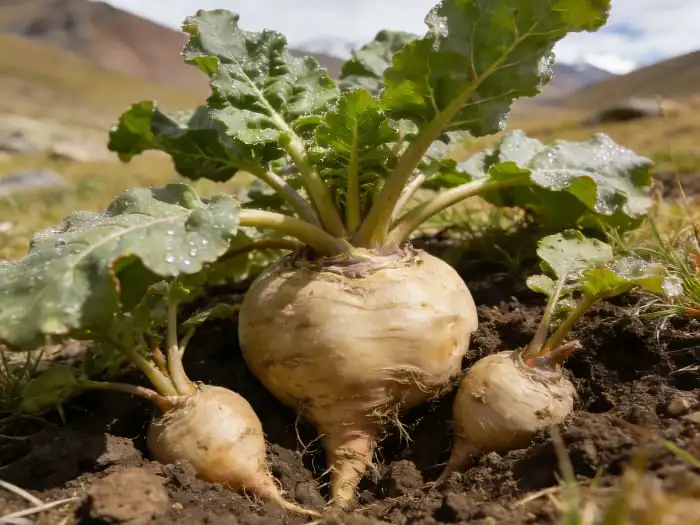
Lepidium meyenii, also known as maca root extract, comes from the Andes mountains in Peru, where it has been grown for more than 2,000 years. This adaptogenic plant has unique medicinal chemicals in it, like macamides, macaenes, and glucosinolates, that make it useful in different ways. The extract is very dense with nutrients; it has vitamins B1, B2, C, and E; minerals like calcium, potassium, and iron; and amino acids that your body needs.
Bioactive Compounds and Mechanisms
Maca root has unique fatty acid products called macamides that are the main bioactive parts of maca that make it healthy. These substances help with energy metabolism and endurance, which makes them useful for sports nutrition and functional beverages, according to research. The extract's adaptogenic properties come from its glucosinolate content, which helps the body properly deal with stress.
Safety Profile and Regulatory Considerations
Maca powder is very safe, and in the United States, it is considered generally recognized as safe (GRAS). Clinical studies show that doses up to 3 grams a day are well tolerated, but most functional food uses smaller concentrations. Manufacturers should make sure they are following the rules in their area, especially in the European Union, where new food rules may apply to concentrated extracts.
Market Demand and Consumer Preferences
The global maca market has already seen significant growth, and it is expected to keep growing through 2027 as more people learn about maca's benefits. North American buyers place a lot of value on functional foods that have ingredients that support energy, but European buyers prefer organic plants that are sourced sustainably when buying functional foods. This trend gives companies that make clean-label goods with clear ingredient sourcing chances to grow.
Selecting the Right Type of Maca Extract for Functional Food Applications
Choosing the right maca extract specifications has a direct effect on how well the product works and how happy customers are with it. The selection process looks at the processing methods, quality certifications, and concentration ratios of the extract that fit with the goal product types and the way the product is being marketed.
Extract Concentration and Standardization
The concentration ratio of maca extracts is usually between 4:1 and 20:1. This shows how much raw material is needed to make one unit of extract. Higher concentration ratios yield stronger bioactive levels but may require careful flavor control because of higher earthiness. Standardized extracts set a minimum level for macamide content, which usually falls between 0.6% and 1.2%. This guarantees that each production run has the same functional benefits.
Organic versus Conventional Sourcing
Organic maca is expensive, but health-minded people who are okay with paying more for certified environmentally friendly methods buy it. When good suppliers with good farming methods are used, traditional maca keeps its quality and is cheaper. This choice should be based on product positioning and target groups. Often, high-end functional foods do better when they are labeled as organic.
Processing Methods and Extract Quality
The extraction method has a big effect on the quality of the end product and the preservation of bioactives. While specialized CO2 extraction keeps components that are sensitive to heat but raises the price, water-alcohol extraction keeps broad-spectrum chemicals and stability. If done correctly, both spray- and freeze-drying will keep important biological compounds. However, spray-drying usually makes powders that are more stable than those made by freeze-drying.
Practical Guidelines for Using Maca Extract in Functional Food Products
When you want to successfully integrate maca, you need to know how to find the best dose, how processing affects dosage and bioactivity, and how to make a formulation that preserves bioactivity while also getting the right taste. To make a product that will sell, product developers need to find a mix between how well it works and how good it smells, tastes, or feels.
Dosage Recommendations by Product Category
Maca extract is usually added to energy bars and snacks at 500 to 1000 mg per serving in order to provide obvious functional benefits without making the food taste too different. 300 to 600 mg per serving is common in beverage applications because the liquid form makes it easier to mask the taste with ingredients that go well with it, like cacao or vanilla. Because protein powders have an earthy flavor that goes well with maca, they can handle higher doses of 1 to 2 grams per serve.
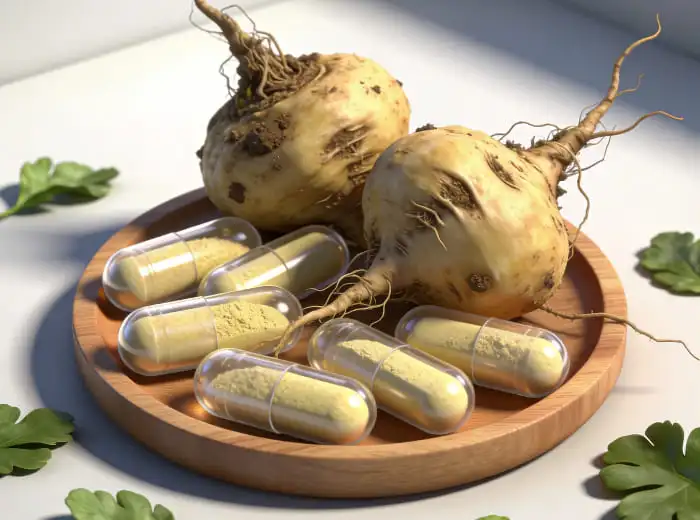
Supplement capsules are the easiest way to deliver the right amount of 500–1500 mg per dose without having to worry about taste. Gummy recipes need to be carefully tested for texture, and the usual dose is between 200 and 400 mg per piece. This keeps the gummy tasting good while still giving it useful properties.
Processing Stability and Thermal Considerations
Maca extract stays stable at temperatures up to 160°F (71°C), so it can be used in most food cooking methods, like baking and pasteurization. To keep heat-sensitive compounds intact, reduce their exposure to high temperatures for long periods of time. Cold processing is a great way to keep bioactives in drinks, smoothie mixes, and raw foods.
Flavor Management and Sensory Optimization
Maca has a naturally earthy taste that leans a little bit toward nutty. It goes well with vanilla, chocolate, and caramel, but it needs to be carefully balanced when used in recipes with citrus or berries. Combining with maca root extract powder, natural vanilla extracts, or other botanical tastes that go well with them, like cinnamon, are good ways to mask flavors. Though it raises the cost of ingredients, microencapsulation technology protects bioactives and hides flavors more effectively.
Procurement and Quality Assurance for Maca Extract in Functional Food Manufacturing
To make sure that high-quality maca extract gets to the right people, you need to do a lot of work to evaluate suppliers, test quality, and make sure that contracts are in place that protect the identity of the product. When procurement workers are doing their jobs, they have to think about costs and quality at the same time as making sure they follow the rules.
Supplier Evaluation Criteria
Suppliers you can trust show that their goods come from Peru, keep the right certifications like ISO 22000 and HACCP, and give full certificates of analysis for every batch. Third-party testing proof makes sure that the potency claims are correct and that there are no contaminants like heavy metals, pesticides, and microbiological pathogens. To help local farmers, suppliers should also show that they use fair trade and environmentally friendly buying methods.
Quality Testing and Batch Verification
Material testing should confirm macamide content through HPLC analysis, moisture levels below 5% to keep the material from going bad, and microbiological safety factors. Heavy metals tests for lead, mercury, cadmium, and arsenic makes sure that the drugs and food are up to standard. An organoleptic test proves the characteristic color, smell, and taste that show the right processing and storage.
Supply Chain Management and Inventory Planning
Maca harvesting happens every year between June and August. To make sure that maca is always available, stocking planning must be done carefully. For normal specifications, the lead time is usually 4 to 8 weeks. It takes 8 to 12 weeks for custom concentrations. Approved vendor programs help keep quality up while working with more than one qualified supplier to lower the chance of supply issues.
Wellgreen Technology: Your Trusted Maca Root Extract Partner
Wellgreen Technology is a top maker and supplier of high-quality maca root extract. They provide functional food makers around the world with a wide range of options that are customized for different needs. Our new GMP-certified plant makes sure that all batches of the product are always the same quality and follow the rules.
Quality Assurance and Certifications
Our quality control systems have ISO 9001 and ISO 22000 certifications, which show our dedication to food safety and quality. Every batch is tested with a proven way for strength, safety, and cleanliness. Each shipment comes with a certificate of analysis, which makes the whole supply chain clear and allows you to track each item.
Product Portfolio and Custom Solutions
Our normal maca extracts come in a range of concentration ratios, from 4:1 to 20:1, but we can also make them to fit your exact needs. Our technical team helps clients speed up product creation by giving formulation and application support. Startups and big manufacturers can both work with the flexible minimum order numbers.
Global Distribution and Support Services
We have strong logistics skills and make sure that North American and European markets get their deliveries on time by working with approved distributors. To help make sure that new products do well, our customer service team offers a wide range of support. This includes helping with regulatory paperwork, teaching people on how to use products, and giving ongoing advice about technical issues.
Conclusion
If you want to be able to add maca root extract to functional foods that will be successful, you need to pay close attention to the quality of the ingredients, the way that the food is made, and the choice of suppliers to work with. Manufacturers can make products that help consumers in useful ways and are still good for business by understanding bioactive preservation, dosage optimization, and flavor management. Maca extract is a great addition to functional food portfolios because there is a growing market desire for natural energy-supporting ingredients. Product creation and market success are sure to happen when you work with suppliers who have a lot of experience and always provide good quality, regulatory support, and technical knowledge.
FAQs
What is the best amount of maca extract to put in healthy foods?
The normal amount for drinks is 300 to 600 mg per dose, for energy bars it is 500 to 1,000 mg, and for supplements it can be up to 1,500 mg. The best amount relies on the desired benefits, the format of the product, and how it tastes.
How does heat preparation change the strength of maca extract?
Maca extract stays stable up to 160°F (71°C), so it can be used in most food processing uses. But to protect bioactive chemicals that are sensitive to heat, don't expose them to high temperatures for long periods of time.
When I buy maca extract, what certifications should I look for?
Key certifications are ISO 22000 for food safety, GMP compliance, and verification of third-party testing for purity and potency. Organic certification is also important if that is needed. Suppliers should also give a full report of analysis for every batch.
Partner with Wellgreen for Premium Maca Root Extract Solutions
Are you ready to add high-quality maca root extract to your functional foods? Wellgreen Technology makes sure your products meet the highest quality standards by offering complete help from sourcing to formulation. Our experienced team offers technical guidance, help with regulations, and a range of supply choices tailored to your manufacturing needs. No matter if you're making nutritional bars, energy drinks, or dietary supplements, you can count on our GMP-certified center and large stock to always deliver high-quality maca root extract. If you want to talk about your needs and how our knowledge as a maca root extract supplier can help you make your product creation more successful, email us at wgt@allwellcn.com.
References
Gonzales, G. F. (2012). Ethnobiology and ethnopharmacology of Lepidium meyenii (Maca), a plant from the Peruvian Highlands. Evidence-Based Complementary and Alternative Medicine, 2012, Article ID 193496.
Stone, M., Ibarra, A., Roller, M., Zangara, A., & Stevenson, E. (2009). A pilot investigation into the effect of maca supplementation on physical activity and sexual desire in sportsmen. Journal of Ethnopharmacology, 126(3), 574-576.
Zenico, T., Cicero, A. F., Valmorri, L., Mercuriali, M., & Bercovich, E. (2009). Subjective effects of Lepidium meyenii (Maca) extract on well-being and sexual performance in patients with mild erectile dysfunction. Andrologia, 41(2), 95-99.
Sandoval, M., Okuhama, N. N., Angeles, F. M., Melchor, V. V., Condezo, L. A., Lao, J., & Miller, M. J. (2002). Antioxidant activity of the cruciferous vegetable Maca (Lepidium meyenii). Food Chemistry, 79(2), 207-213.
Brooks, N. A., Wilcox, G., Walker, K. Z., Ashton, J. F., Cox, M. B., & Stojanovska, L. (2008). Beneficial effects of Lepidium meyenii (Maca) on psychological symptoms and measures of sexual dysfunction in postmenopausal women. Menopause, 15(6), 1157-1162.
Piacente, S., Carbone, V., Plaza, A., Zampelli, A., & Pizza, C. (2002). Investigation of the tuber constituents of maca (Lepidium meyenii Walp.). Journal of Agricultural and Food Chemistry, 50(20), 5621-5625.