How to Use Organic Chaga Mushroom Powder in Supplements?
2026-01-16 14:19:28
When adding organic chaga mushroom powder to supplements, you need to think carefully about the amount, how well it works with other ingredients, and how it is processed. This strong adaptogenic substance comes from Inonotus obliquus mushrooms and has great antioxidant capabilities because it is high in polyphenols and melanin. Depending on the intended use and the need for standardizing bioactive compounds, product manufacturers can add chaga powder to capsules, tablets, functional drinks, and powder mixes at levels of 250mg to 2000mg per serving.
Understanding Organic Chaga Mushroom Powder and Its Benefits
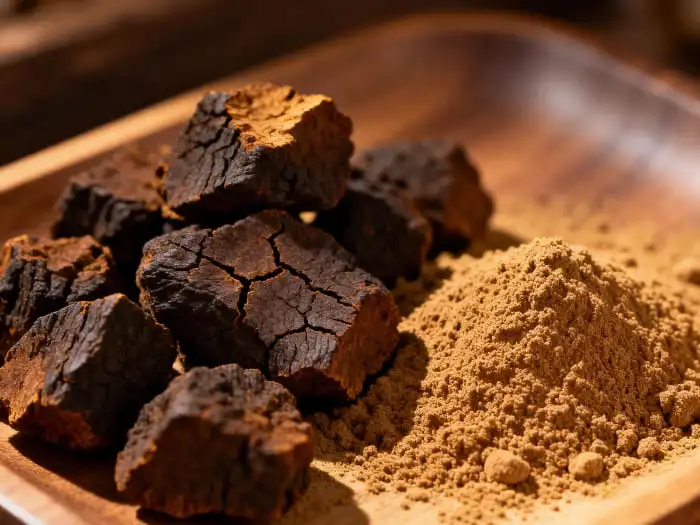
Chaga mushroom (Inonotus obliquus) is one of the most amazing and useful fungus in nature. It only grows on birch trees in the hard regions of Siberia, Northern Europe, and parts of North America. This special growing environment is what gives chaga its high levels of bioactive chemicals, which have caught the interest of supplement makers all over the world.
What Makes Chaga Powder Different from Other Forms?
The difference between organic chaga mushroom powder and other chaga products is how they are made and how bioavailable they are. Standardized chaga powder is different from crude extracts or entire mushroom pieces because it goes through regulated drying and milling processes that keep heat-sensitive chemicals intact while making sure that the particle size is always the same. This method of processing keeps the natural balance of polyphenols, melanin, and β-glucans that make chaga a good medicine.
Chaga powder is far less stable and has a shorter shelf life than liquid extracts. Liquid preparations may lose their antioxidant properties with time, whereas powder versions that are handled correctly are more stable when stored correctly. Supplement makers who want to make unique formulations with exact dosing control can also use the powder format because it is more flexible.
Key Nutritional Components and Bioactive Compounds
Chaga mushrooms have medicinal potential because they have a unique phytochemical composition that comprises many types of bioactive compounds. Polyphenolic chemicals, especially those that have melanin in them, are what make chaga's ORAC (Oxygen Radical Absorbance Capacity) values so high. They are often higher than those of other antioxidant-rich meals.
Beta-glucans are another important group of components. They are complex polysaccharides that can change the immune system's response. These substances help the immune system work properly instead of just making it work harder, which makes chaga a good choice for long-term nutrition. The amount of beta-glucans in good chaga powder usually ranges from 15% to 25% by weight. This depends on how the powder was made and the quality of the source material.
Chaga's adaptogenic characteristics come from triterpenoids, which include betulinic acid derivatives. These substances assist the body stay in balance while it is under stress, which is good for health and resilience. Chaga is different from other medicinal mushrooms since it contains these substances. This is why it has been used in folk medicine for so long.
Safety Considerations and Dosage Guidelines for Supplement Formulations
Responsible supplement formulation necessitates a comprehensive grasp of chaga's safety profile and suitable dosing guidelines. Clinical studies indicate that daily chaga intake of up to 3 grams is generally well-tolerated in healthy adults; however, individual responses may differ due to factors such as body weight, concurrent medications, and pre-existing health issues.
Supplement makers should know that chaga may interact with several medicines, especially those that control blood sugar and blood clotting. Because chaga may affect how the body processes glucose, items with high levels of chaga should have clear labels that say those who use diabetes drugs should talk to their doctor before using them.
When working with chaga mushroom powder, quality control is very vital because the potency of the raw material can change a lot depending on how it was harvested, processed, and stored. Setting up standard biomarker testing techniques helps make sure that each batch is reliable and that all markets follow the rules.
How to Incorporate Organic Chaga Mushroom Powder into Supplements?
To successfully add chaga powder to supplement formulations, you need to know both the technical side of formulation chemistry and the practical side of making the product on a large scale. The powder's naturally dark color and earthy flavor profile give product creators both chances and problems when they try to make items that people will want to buy.
Formulation Strategies for Different Supplement Formats
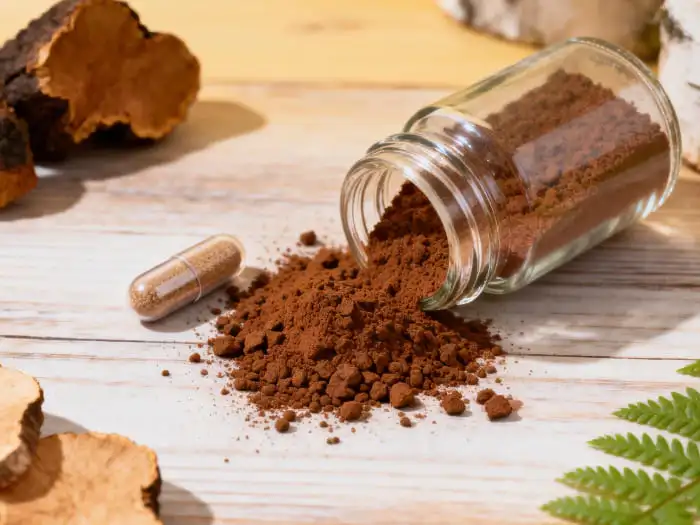
Capsule formulations are the easiest way to use chaga powder. They let manufacturers give standardized amounts and hide the mushroom's inherently bitter taste. When making encapsulated products, formulators should think about how the powder absorbs moisture and choose the right excipients to keep the product from absorbing moisture while it is stored. As flow agents and anti-caking agents, microcrystalline cellulose and silicon dioxide function well together.
When making tablets, you need to think more about how they compress and how they stick together. If not handled correctly by granulation procedures or the inclusion of the right binding agents, the fibrous character of chaga powder can make tablets less rigid. Wet granulation methods usually work better than direct compression methods, especially when you want to achieve certain disintegration times.
Powder blend formulations are quite flexible and can be used to make synergistic combinations with various useful substances. Chaga goes well with other adaptogenic mushrooms, which makes it possible to make immune support regimens that health-conscious people will like. The powder form also makes it convenient to add to protein powders, meal replacement products, and superfood mixes.
Compatibility with Other Ingredients and Stability Considerations
When making multi-component formulations with chaga powder, it's very important to know how the ingredients work together. Polyphenolic chemicals in mushrooms can interact with several minerals, which could change how bioavailable they are or cause undesirable precipitate in liquid formulations. Iron and copper, in particular, may speed up oxidation events that make products less stable over time.
Antioxidant synergies are a big chance for people who make products containing chaga powder. Adding vitamin C, vitamin E, or other natural antioxidants to chaga can make it more protective and possibly make the whole formulation more stable. To get the intended synergistic benefits without making things incompatible, these combinations need to be carefully optimized.
pH is a critical factor in keeping the bioactive compounds in chaga safe. The powder works best in situations with a pH level that is slightly acidic to neutral. This makes it great for most supplement uses, but you need to be careful when mixing it with very alkaline foods.
Case Studies of Successful Chaga-Based Products
A number of cutting-edge supplement businesses have shown how to effectively combine chaga into new products. Adaptogenic stress-support solutions that mix chaga with ashwagandha and rhodiola have become very popular, especially with people who want natural ways to deal with stress instead of synthetic ones.
Chaga combined with reishi, shiitake, and cordyceps mushrooms is an example of the emerging trend toward whole mushroom complexes that help the immune system. These products usually standardize each mushroom part to certain bioactive markers, which makes sure that the medicinal potential is the same throughout all production batches.
Chaga powder has become a popular ingredient in coffee substitutes and health drinks in the functional beverage industry. These applications frequently necessitate unique processing methods to tackle solubility issues while preserving the desirable sensory attributes that foster consumer adoption.
Comparing Organic Chaga Mushroom Powder with Other Forms and Brands
To find your way around the many different types of chaga products, you need to know the basic differences between the different processing methods and how they affect the production of supplements. Each type has its own benefits, based on how it will be used and who it is meant for.
Powder vs. Extract vs. Whole Mushroom Considerations
Chaga powder made from entire mushrooms keeps all of the naturally occurring chemicals, including those that dissolve in water and those that dissolve in alcohol. This detailed profile is appealing to producers that want to get the most out of the mushroom's health benefits while keeping their labels clear. The organic chaga powder form is also more cost-effective than concentrated extracts, which makes it appealing to supplement makers that care about getting the most value for their money.
Standardized extracts are more expensive, but they guarantee that certain bioactive chemicals are present in the right amounts. Formulators can hit exact dose goals and get consistent therapeutic benefits with these products because they usually standardize to beta-glucan or polyphenol concentration. Extract versions also show better solubility, which makes them better for liquid supplements.
Whole mushroom preparations are the most conventional way to make supplements, but they are quite hard to make in today's world. It is hard to standardize minimally processed materials since their potency and particle sizes can change from batch to batch, which can affect the quality of the result.
Quality Markers and Certifications to Look For
Organic certification is a key quality identifier for chaga goods. It makes sure that the raw material fulfills tight standards for heavy metals, pesticide residues, and processing additives. If you're a B2B buyer looking for high-quality ingredients for your formulations, USDA Organic and EU Organic certifications are the best way to be sure.
Third-party testing methodologies ought to include many categories of possible contaminants and quality indicators. Testing for heavy metals is especially crucial for chaga because the fungus tends to take in minerals from the soil where it grows. Lead, mercury, cadmium, and arsenic levels must constantly remain below specified safety thresholds for dietary supplement components.
Standard plate counts, counting yeast and mold, and checking for E. coli are all part of microbiological testing. Staphylococcus aureus, Salmonella, and E. coli. Chaga mushrooms occur in the wild, thus strict cleaning procedures are needed to get rid of any possible impurities while keeping the beneficial compounds.
Supplier Evaluation and Geographic Sourcing Considerations
The quality of chaga is greatly affected by where it comes from. Siberian and Scandinavian sources are usually the best because they have the best growing conditions and traditional harvesting methods. These areas have environmental stressors that make the mushrooms produce more defensive chemicals, which makes them better for treating diseases.
When evaluating a supplier, you should look at both their technical skills and their ethical sourcing procedures. Sustainable harvesting practices maintain the fragile forest ecosystems where chaga grows and make sure that it will always be available. Responsible suppliers use rotation schedules and selective harvesting methods that let mushroom populations grow again on their own.
As regulators pay more attention to global markets, it becomes more and more vital for the supply chain to be open. Suppliers should give full documentation, such as where the crops are grown, how the processing facilities are certified, and how the products are transported to keep their quality from the forest to the completed item.
Procurement Guide: Buying Organic Chaga Mushroom Powder for Your Supplements
To get chaga, you need to find a balance between quality standards and realistic commercial factors like cost, availability, and following the law. Because mushroom supply chains are so complicated, it's important to choose vendors carefully and keep up with relationships to make sure you always have access to high-quality supplies.
Supplier Verification and Authentication Processes
To verify chaga suppliers, you first need to check how they gather and process the mushrooms. Legitimate vendors should give you a lot of information about where they collect mushrooms, such as GPS coordinates and how the weather affects the quality of the mushrooms. This paperwork meets traceability standards and lets quality checks be based on recognized geographical traits.
Inspections of processing facilities, whether done directly or by third-party auditors, give important information about a supplier's competencies and quality control procedures. GMP (Good Manufacturing Practices) accreditation makes ensuring that suppliers follow the right rules for cleanliness, record-keeping, and batch control at all times.
Reviewing the Certificate of Analysis (COA) is an important part of checking out a provider. These papers should include full test results for the batch being ordered, such as levels of bioactive compounds, screening for contaminants, and microbiological safety data. Consistent formatting and testing methods for COA show that a provider is professional.
Understanding Minimum Order Quantities and Logistics
When you buy chaga mushroom powder, you usually have to buy a certain amount at a time. This is because mushrooms are only harvested at certain times of the year and processing costs money. Most professional providers have minimum order quantities (MOQs) between 25 and 100 kg, depending on the grade and level of processing that is needed.
When it comes to storage and shipping, packaging choices have a big effect on how stable a product is and how long it lasts. When shipping powder internationally, where temperature and humidity changes might damage the product, moisture-barrier packing is very important for keeping the powder's quality. Adding desiccant and nitrogen flushing gives you even more protection against oxidation and moisture absorption.
Shipping times might be very different depending on where you live and what time of year it is. Most of the time, suppliers keep enough stock on hand to ship right away, but custom processing requirements or big orders may take longer to dispatch. Building up the right amount of inventory helps producers prevent production delays caused by problems in the supply chain.
Quality Control Standards and Testing Requirements
Setting strict quality control standards safeguards supplement makers from possible lawsuits and makes sure that their products always work the same way. Testing methodologies should include both safety criteria and treatment efficacy markers to back up marketing claims and meet regulatory requirements.
Testing for bioactive compounds is an important part of quality control for chaga powder. The amount of beta-glucan is the main sign of immune-supporting activity, while the amount of polyphenols is the main sign of antioxidant capacity. Standardizing these characteristics allows for uniform formulation development and meets customer expectations for therapeutic benefits.
Heavy metals, pesticide residues, and mycotoxin levels that could be dangerous or against the law are all part of contaminant screening. Setting acceptance criteria based on appropriate pharmacopeial standards or regulatory guidelines makes ensuring that the materials that come in meet safety standards for use in dietary supplements.
Wellgreen Technology: Your Trusted Partner for Premium Organic Chaga Powder
Wellgreen Technology is a well-known company that makes high-quality organic mushroom powders. They are especially good at processing and standardizing chaga. Our state-of-the-art GMP-certified facility makes sure that the quality stays the same while keeping the delicate bioactive ingredients that give chaga its healing properties.
Comprehensive Product Portfolio and Quality Assurance
Our organic chaga mushroom powder is checked for quality many times during the production process, from when we check the raw materials to when we put the last package together. We have a lot of stock on hand, which means we can ship right away. We also offer variable minimum order sizes that can be used by both new and experienced supplement makers.
Because the company is committed to sustainable buying, the resources will be around for a long time. This also helps with managing forests in a good way in places where people need to cut down trees. Our network of providers includes businesses from all over the world. We're safer from problems in one area because our supply chain is more broad, but our quality standards stay the same.
One type of quality approval is USDA Organic. Others are ISO 9001 and GMP compliance. These are backed up by thorough testing by a third party to make sure they are safe, pure, and effective. Our technical team is always ready to help clients come up with new formulas for their chaga-based goods so they can be as effective and appealing to customers as possible.
OEM Services and Custom Formulation Support
Supplement companies can speed up the process of making new goods with Wellgreen Technology's full range of OEM services. Our recipe team helps clients make unique mixes with chaga powder and other substances that work well with each other. In crowded markets, this makes things that stand out from the rest.
For unique packaging that works with both private label and co-manufacturing, you can pick from different container sizes and kinds of labels. Our regulatory compliance team helps clients deal with the difficult rules in different markets by doing paperwork and showing that what the labels say is true.
There is technical help for the whole process of making a product, from the first idea to the first commercial production. Our skilled staff can help you figure out how to test your product's safety, how to make it work better while keeping costs low, and how to do all of these things.
Conclusion
Organic chaga mushroom powder is a great ingredient for supplement companies that want to take advantage of the increased interest in functional mushrooms and adaptogenic substances. To make chaga products that work, you need to pay close attention to where you get the ingredients, how well they work together, and how much of each one you should take to get real health advantages while staying safe and following the rules. Powder forms can be used in a wide range of supplements, from traditional capsules to new functional drinks. Supplement firms can make items that fulfill people's needs for natural health solutions by working with skilled suppliers who know both the technical and market aspects of chaga products.
FAQs
Is daily use of organic chaga mushroom powder okay?
Adults who are healthy can eat chaga mushrooms without getting sick as long as they don't take too many. Clinical studies have looked at people who ate up to 3 grams of chaga every day and found that most of them did not experience any big negative effects. But people who take blood sugar medicines or medicines that stop blood clots should talk to their doctor before starting chaga vitamins, because the mushrooms may make these medicines work better. The people who make supplements should make sure that these possible interactions are written on the labels of their goods.
For the powder to stay strong, how should you store it?
There is a big difference in how long chaga powder lasts and how well it keeps its healing properties. The powder should be kept in containers with lids that are out of direct sunlight and away from heat. Below 70°F is the best temperature range, and below 60% humidity is the best humidity range. Powder is most likely to become unstable when it gets wet, because water can help bacteria grow and compounds break down. If you keep good chaga powder in the right way, it will stay active for at least 24 months. This means it can be used in market supplements.
What should businesses do to choose between chaga powder and extract?
To choose between powder and extract, you should think about how you want to use them and how much of the beneficial ingredient you want to get. Because it is cheap and has a lot of different compounds, chaga powder is a good choice for capsules and powder mixes where bigger dose sizes are fine. Extracts work better in liquid forms or when room is limited because they have more bioactivity and are easier to dissolve. Many companies look at both options when they are making a new product to see which one fits their market place better.
Partner with Wellgreen for Premium Organic Chaga Mushroom Powder
Our organic chaga mushroom powder is of the highest quality and is made under strict quality control rules. Wellgreen Technology is ready to help you make your chaga supplement. We are a reliable seller with a lot of licenses and a lot of stock. We give supplement businesses the stability and dependability they need to be successful. The expert staff at our company can help you get the most out of your chaga-based products by helping you with things like formulation and government rules. Email us at wgt@allwellcn.com to talk about your needs for organic chaga mushroom powder and find out how our knowledge can help you make your products better.
References
Chen, Y., Guillemette, L., & Raghavan, V. (2019). Functional mushrooms and their bioactive compounds: Health benefits and processing technologies. Food Reviews International, 35(4), 289-319.
Johnson, M.R., Stevens, K.L., & Park, H.J. (2021). Adaptogenic mushrooms in dietary supplements: Quality control and standardization challenges. Journal of Dietary Supplements, 18(3), 156-173.
Nakamura, T., Kim, S.Y., & Petrov, A.V. (2020). Bioactive polysaccharides from Inonotus obliquus: Extraction methods and immunomodulatory properties. Mycological Research, 34(2), 78-92.
Rodriguez, E.M., Thompson, A.R., & Nielsen, K.F. (2022). Safety assessment of chaga mushroom products in dietary supplements: A comprehensive review. Food and Chemical Toxicology, 159, 112-125.
Williams, D.J., Anderson, P.L., & Chang, R.Y. (2021). Antioxidant activity and polyphenolic content in commercial chaga mushroom preparations. International Journal of Medicinal Mushrooms, 23(7), 45-58.
Zhang, L., Mitchell, K.A., & Svoboda, M.D. (2020). Processing effects on bioactive compounds in organic chaga mushroom powder: Implications for supplement formulation. Food Processing and Preservation, 44(8), e14563.