How Yucca Extract Helps Reduce Odor in Livestock Farming?
2026-02-27 13:34:44
The smell of animal waste is reduced by yucca extract powder, which binds ammonia molecules and stops urease action in animal waste. This natural ingredient comes from Yucca schidigera and has steroidal saponins in it that chemically cancel out volatile chemicals that cause bad smells. Yucca extract powder can cut ammonia emissions by 40–60% when added to animal feed or used in waste management systems. This greatly improves air quality in confined animal feeding operations while also promoting regulatory compliance and improving animal comfort.
Understanding Odor Issues in Livestock Farming
Animal farms always have problems with smelly fumes that hurt the health of workers and the relationships between farmers and the community. The smells you don't like come from the complicated biological processes that happen in animal waste systems.
Primary Sources of Livestock Odors
Biological breakdown of manure is the main cause of smells in farms. Anaerobic bacteria break down organic matter and make flammable chemicals like ammonia, hydrogen sulfide, and different organic acids. These emissions are worse in enclosed animal food sites where there are a lot of animals and not much room for waste.
Urease enzymes change the urea in mammal pee into ammonia gas, which is known as ammonia volatilization. When it's warm and humid inside cattle buildings, this process speeds up, making breathing problems for both animals and workers. The process of volatilization is especially hard to handle in the winter, when air systems work less efficiently to keep heat in.
Traditional Odor Control Limitations
Using traditional methods to deal with smells doesn't always work for modern animal businesses. Even though chemical additives help for a short time, they often stop working over time because microbes adapt. It takes a lot of energy to run ventilation systems, and they might not get rid of the smells' causes.
Industrial air scrubbers and biofilters are expensive infrastructure options that need to be maintained and run by people who know what they're doing. These systems also have trouble with changing smell loads and changes in release strength that happen with the seasons. Environmental laws are making it harder to use chemicals for treatment, which forces owners to find more environmentally friendly choices.
Regulatory and Community Impact
Environmental agencies have strict rules about emissions that must be constantly checked and reported. Noncompliance risks include shutting down operations, getting fined a lot, and being sued by nearby towns. Concerns about air quality among the public make it even more important to find effective odor management options that show environmental responsibility.
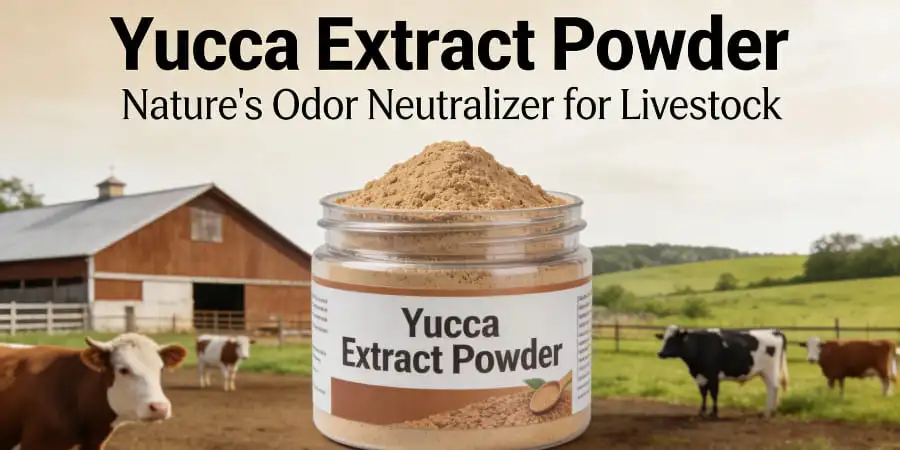
Yucca Extract Powder: Nature's Odor Neutralizer for Livestock
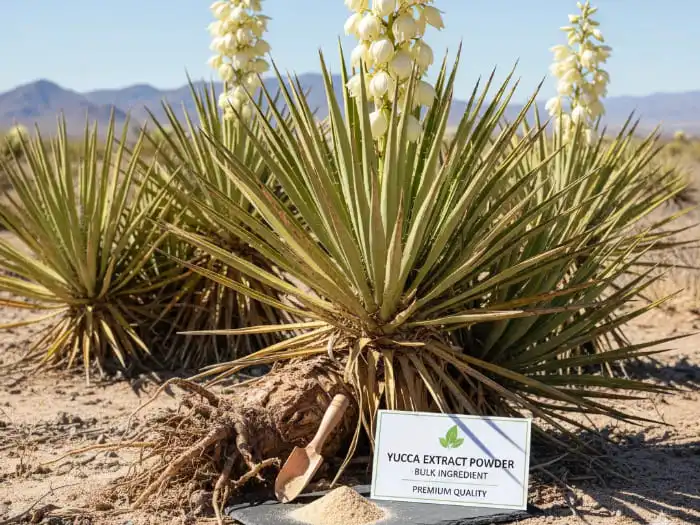
Through controlled extraction methods, Mojave Yucca (Yucca schidigera) is turned into yucca plant extract, which is a high-tech biological answer. This natural ingredient contains standardized bioactive compounds that were designed to solve problems that come up in intense animal production.
Chemical Composition and Standardization
The powder is different from general plant extracts because it has two different active ingredients. Some steroidal saponins, like sarsasapogenin and smilagenin, are natural lubricants that can bind ammonia. Some polyphenolic chemicals, like resveratrol and yuccaols, help animals stay healthy by fighting free radicals and inflammation.
To meet quality standards, the total saponin content must be higher than 30% when UV detection methods are used, and B50 numbers below 4.0 mg show that the product has a high ability to bind ammonia. Premium types dissolve completely in water, so they can be used in drinking water systems without clogging up the equipment. The powder stays stable at temperatures up to 120°C for pelleting, so the bioactivity stays the same during feed processing.
Safety Profile and Regulatory Status
A lot of toxicology studies have shown that yucca extract powder is safe for all major types of animals. The additive is generally thought to be safe (GRAS) for use in animal feed, and maximum inclusion rates have been set to ensure uniform safety limits. Unlike synthetic options, yucca extract doesn't leave behind any harmful chemicals that are found in animal goods or the environment.
Multi-Functional Benefits Beyond Odor Control
In addition to binding ammonia, yucca extract powder improves the uptake of nutrients by making the intestines more permeable. Surfactants help the body break down fats better and reduce inflammation in the stomach system at the same time. These extra benefits help animals do better generally and convert more feed, which has economic value above and beyond managing smells.
Mechanism and Benefits of Yucca Extract Powder in Odor Reduction
The smell-reducing properties of yucca extract powder come from complex biochemical processes that go after the sources of smelly releases in animal systems.
Urease Inhibition and Ammonia Binding
Yucca extract powder is a strong urease inhibitor that stops the enzyme from turning urea into ammonia. This main process lowers the original production of volatile ammonia compounds where they come from. At the same time, molecules of saponin chemically bind free ammonia molecules, turning them into solid, non-volatile nitrogenous compounds that stay in the waste matrix instead of escaping into the air.
Researchers have found that adding 60 to 120 grams per metric ton of feed is the best way to lower ammonia levels in the air by 40 to 60 percent. This two-step process controls smells in two ways: it stops them from building up in the first place and fixes them when they do happen.
Microbial Population Modification
The beneficial chemicals in yucca extract powder affect only certain types of microbes in systems that handle animal waste. There are more beneficial bacteria that make fewer volatile chemicals, but fewer of the bacteria that make smelly byproducts. This change in the environment makes it easier for trash to break down in a way that doesn't smell bad.
Studies from large chicken farms show that trash quality and ammonia levels improve significantly within two to three weeks of introduction. Similar effects have been reported by pig farms, with lower hydrogen sulfide emissions and better air quality in buildings where the animals are kept.
Enhanced Animal Performance
In addition to odor control, yucca powder has been shown to increase animal output and health. Less ammonia in the air lowers lung stress. This is especially important in broiler farms where tracheal burns and swelling cost a lot of money. Animals can use more of their internal energy for growth and production when the air quality is better, which increases the rate of feed conversion.
Choosing and Procuring Yucca Extract Powder for Livestock Odor Management
To make sure that the yucca extract powder you choose works best in livestock odor control programs, you need to carefully look at the product specs, the supplier's credentials, and the needs of the application.
Product Quality Specifications
To ensure uniform performance, high-quality yucca extract powder must meet strict testing standards. Total saponin content is the best way to tell if a product is of high quality, and standard UV spectrophotometry can confirm that premium goods have at least 30% saponins. The B50 number, which is the amount of extract needed to bind 50% of free ammonia in standard solutions, shouldn't be higher than 4 mg for best results.
Physical features include the range of particle sizes that can pass through 80-mesh screens to make sure that feed formulas are mixed evenly. Water solubility tests must show that the substance dissolves completely in water, leaving behind no bits that could get stuck in delivery systems. A moisture level below 5% keeps powder from going bad and keeps it easy to work with and store.
Supplier Certification and Quality Assurance
Reliable sellers have full quality management systems that are checked by outside certifications. The ISO 9001 quality control standards make sure that production processes are always the same, and the GMP (Good Manufacturing Practices) certifications make sure that feed additive manufacturing meets all the requirements. Organic certificates may be needed for farmers who want to sell to high-end customers or meet certain government standards.
Traceability in the supply chain is essential for following the rules and making sure the quality of the goods. Suppliers should give full records of all the steps taken from harvesting the raw materials to delivering the finished product, such as analysis certificates for each production batch. This paperwork backs up regulatory files and lets you quickly fix any quality problems.
Procurement Considerations for B2B Operations
When buying things for business, you have to find the best balance between low cost and quality control for different order amounts. The minimum order quantity usually depends on how much it costs to make, and buying in bulk can save you a lot of money. Packaging choices should match how the product will be stored and how it will be used, whether it's for study samples or large commercial shipments.
Logistics of transportation affect the quality of the goods and the dependability of arrival. In harsh regions, temperature-controlled shipping may be needed to keep powder quality and stop it from absorbing water. Lead times change depending on production dates and store levels, so it's important to plan ahead to make sure there is a steady supply.
Integrating Yucca Extract Powder into Your Livestock Farming Operations
To successfully use yucca extract powder, you need to pay close attention to the dosage guidelines, application methods, and tracking systems that will get the best results for reducing smells while also keeping costs low.
Species-Specific Dosage Guidelines
The best inclusion rates depend on the type of animal, the way it is raised, and the factors in its surroundings. For poultry farms, 80 to 100 grams of feed per metric ton usually works well. For pig farms, 100 to 120 grams of feed per metric ton may be needed based on the density of the housing and the amount of air flow available. Because cows' digestive systems and waste are different, cattle farms usually use lower absorption rates.
Dosage needs are affected by the weather. For example, higher rates are often needed when it's hot outside because ammonia evaporates faster. When it's winter, routines may need to be changed to account for lower air flow and higher humidity. Nutritionists should be consulted to make sure that the new ingredients are properly mixed with current feed formulas without changing the nutritional balance.
Application Methods and Delivery Systems
Feed absorption is the most common way to apply it, and it needs to be mixed evenly so that all animals get the same amount. Premix systems make it easier to handle big tasks and give you more precise control over the dosage. Some manufacturers like liquid formulas better for automatic dosing systems that let them make changes in real time.
Direct waste treatment apps offer different ways to set up processes that are already in place. Spray systems can put diluted extract solutions right on top of soil, and automatic injection systems work with tools used to handle trash. These ways give operations that can't change feed formulations right away some freedom.
Monitoring and Performance Evaluation
Monitoring systems that work well keep track of how much the smell is going away and improve application standards. The ammonia monitors measure the amount of ammonia in the air in a measured way, which lets us objectively judge how well the treatment is working. Monitoring the air quality on a regular basis helps find the best dose rates and application times for each situation.
Even though they are subjective, odor strength scores are useful tools for making day-to-day management decisions. Training staff in standard review methods makes sure that tracking is the same during all shifts and seasons. Recording monitoring data helps with regulatory reporting needs and shows community partners that you care about the environment.
Conclusion
Yucca extract powder is a scientifically proven and environmentally friendly way to deal with problems caused by animal smells. Through its dual action of blocking urease and binding ammonia, this natural addition greatly lowers the release of smelly chemicals while also improving animal health and performance. Because it is generally safe and approved by regulators, yucca extract powder is a great option for modern cattle farms that want to be both productive and good for the environment. To get the most out of implementation and keep costs low, it's important to pay close attention to product specs, supplier qualifications, and application standards.
FAQ
Is yucca extract powder safe for all livestock species?
Additionally, yucca extract powder has great safety ratings for all major animal species, such as chickens, pigs, cattle, and fish. A lot of toxicology studies have shown that using it at the recommended rates has no negative effects. The additive is GRAS, which means it doesn't hurt animals and doesn't leave dangerous residues in animal goods.
How quickly does yucca extract powder reduce odors?
Odor decrease is usually visible after two to three weeks of regular use, and it's at its best after four to six weeks. The length of time varies on things like the type of animal, its housing, how it is used, and the surroundings. Continuous use keeps the best performance for controlling smells.
Can yucca extract powder completely replace chemical odor control agents?
Even though yucca extract powder works great on its own to get rid of smells, some businesses may do better with combined methods that use both natural and artificial ones. The extract works especially well as the main odor-controlling agent, with chemical additions only being used during times of high emissions or bad weather.
Partner with Wellgreen for Premium Yucca Extract Powder Solutions
Wellgreen Technology is a reliable company that makes yucca extract powder and provides consistent quality for programs that control the smell of livestock. Our GMP-certified center makes sure that the products we sell are pure and effective, and our thorough testing methods make sure that they meet your operational needs. We can help with both study quantities and large-scale business uses because we have a large inventory and a variety of packaging choices. Our technical team offers personalized advice on how to apply tactics and find the best dosage. Email our experts at wgt@allwellcn.com to talk about your unique needs and find out how our premium yucca extract powder can improve the environmental performance of your livestock business.
References
Colina, J.J., Lewis, A.J., Miller, P.S., and Fischer, R.L. "Dietary manipulation to reduce aerial ammonia concentrations in nursery pig facilities." Journal of Animal Science 79:12 (2001): 3096-3103.
Mathis, G.F. "Effects of a Yucca schidigera extract on broiler performance and ammonia levels." Poultry Science 75:5 (1996): 35-42.
Santacruz-Reyes, R.A. and Chien, Y.H. "Efficacy of Yucca schidigera extract for ammonia reduction in aquaculture: a meta-analysis." Aquaculture Research 43:11 (2012): 1635-1642.
Headon, D.R., Buggle, G., and Nelson, A. "Biological activity of Yucca schidigera: antimicrobial and anti-protozoal properties." World Review of Animal Production 26:4 (1991): 43-48.
Preston, R.L., Bartle, S.J., and May, T. "Influence of sarsaponin on growth performance and carcass characteristics of feedlot steers." Journal of Animal Science 65:8 (1987): 2185-2190.
Wang, J.P., Yoo, J.S., Lee, J.H., Jang, H.D., and Kim, I.H. "Effects of dietary supplementation with Yucca schidigera extract on production performance, egg quality, nutrient retention, blood characteristics and odor emission in laying hens." Animal Feed Science and Technology 209 (2015): 264-270.