Is Yucca Extract Safe for Animal Nutrition Products?
2026-02-09 13:39:42
Yes, yucca extract powder is usually safe for animal feed as long as it is added at the right amount. Taken from the plant Yucca schidigera, this botanical extract has been tried widely on livestock, birds, and pets. According to research, standardized yucca extract powder with 10–30% saponins has many benefits when made correctly, such as lowering ammonia levels, improving digestion, and making animals happier and healthier. To be safe, you need to get high-quality, approved extracts and follow the dosage rules that are set up for each animal type.

Understanding Yucca Extract Powder in Animal Nutrition
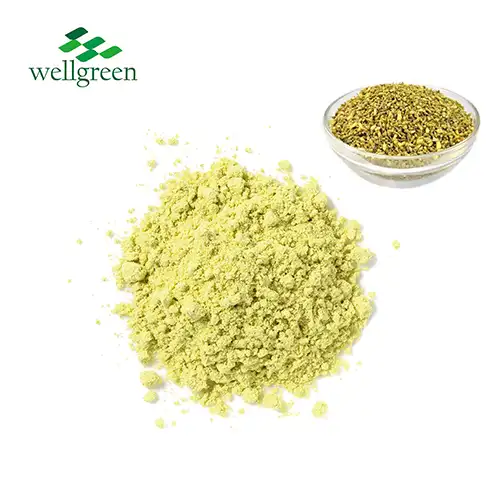
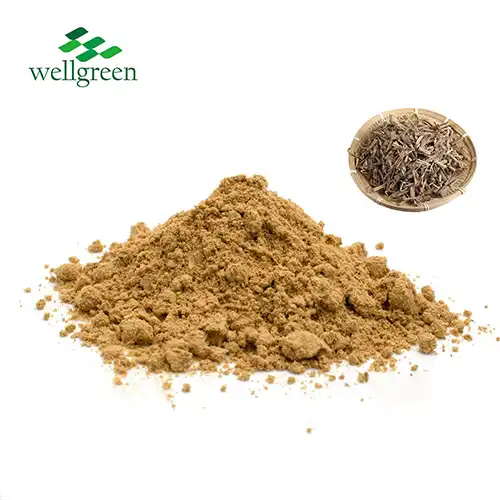
Yucca extract powder is a high-tech biological product that is made from the stems and logs of Mojave Yucca (Yucca schidigera) using special methods for extraction. This plant material is different from other plant extracts because it has a special mix of two types of active ingredients: steroidal saponins and polyphenol stilbenes, which include yuccaols and resveratrol.
Bioactive Compounds and Nutritional Profile
Sarsasapogenin and smilagenin saponins are the main biological components. They are natural detergents. These chemicals work together with polyphenolic stilbenes to make a complete tool for managing metabolism. Total saponins in the extract are usually between 10 and 30 percent, but this depends on how it was extracted and the quality standards.
Unlike simple flavorants or basic fillers, yucca extract powder solves important problems in the industry, like nitrogen pollution and making feed more efficient. The process involves blocking urease and directly binding ammonia, which changes poisonous, volatile ammonia into stable nitrogen chemicals. This biochemical action is very important for lowering ammonia levels in systems that keep animals inside and improving food intake by changing the permeability of cell walls.
Applications in Modern Animal Nutrition
The product is used in three different high-value ways in the animal feeding business. It lowers the amount of ammonia in sheds by 40 to 60% in heavy animal production, especially with chickens and pigs. This decrease means better lung health, higher feed conversion rates, and following rules about environmental emissions.
Yucca powder is used in high-end pet foods to get rid of bad smells in the stool. The extract binds ammonia and hydrogen sulfide in the large gut, which greatly reduces the smell of feces and supports joint health by naturally reducing inflammation. The product is used to control water in aquaculture operations. It helps keep ammonia levels from rising in high-density farming systems and lowers the stress on bio-filter systems.
Safety Profile and Potential Side Effects of Yucca Extract in Animal Nutrition
It has been shown through thorough safety tests on many different animal species that yucca extract powder is very safe when used according to the instructions. There is strong evidence that using it safely in animal feeds from toxicological studies done in both research and industrial settings.
Regulatory Compliance and Safety Standards
The extract has been approved by regulators in the United States, the European Union, and other big countries. According to EU rules, yucca extract is a certain type of feed ingredient, and the Association of American Feed Control Officials (AAFCO) also says that it can be used in animal feeds. Safety dossiers that were very long showed that these decisions had no bad effects at the recommended inclusion rates.
Studies on safety show that acute poisoning levels are still a long way below what is needed for useful use. Long-term feeding tests that include more than one production cycle show that adding food at rates between 60 and 120 g/MT for cattle and in proportional amounts for other species does not have any bad effects on growth, reproduction, or organ function.
Identified Side Effects and Risk Management
Even though it is usually well accepted, some animals may have sensitivity reactions. When inclusion rates are higher than what is suggested, these effects usually show up as mild stomach problems or less feed intake. Some signs of an overdose are loose stools and a brief loss of hunger, which go away quickly after the dose is changed.
If feed formulators pay close attention to inclusion rates and slow introduction methods, they can lower the risks as much as possible. Starting with smaller ratios and watching how animals react lets the process be improved without causing any harm. Quality control methods, such as testing each batch and checking the proof of analysis, make sure that the safety and effectiveness are always the same.
Comparing Yucca Extract Powder with Alternative Nutritional Additives
When sourcing experts know how yucca extract stacks up against other nutritional additives, they can make smart choices about how to formulate feed. The extract's unique way of working makes it different from other vitamins while still providing similar benefits.
Comparison with Joint Support Supplements
In contrast to collagen or glucosamine, which mainly improve joint health by supporting the structure, yucca extract targets inflammation in more than one way. The polyphenolic chemicals work as antioxidants to lower inflammatory signs all over the body. This wider anti-inflammatory effect helps keep joints healthy while also making digestion better and managing the environment better.
Glucosamine products need higher concentrations to have effects that can be seen, but yucca plant extract can help in a measured way at lower concentrations. Its ability to both lower ammonia levels and help with inflammation makes it very useful in high-density production settings where many factors affect animal health.
Plant Extract Alternatives and Quality Distinctions
Because of its unique saponin makeup, yucca extract is better at binding ammonia than other plant extracts like sarsaparilla or cactus. The B50 value, which shows how well ammonia binds, stays below 4.0 mg for superior yucca extracts, making them better than most other plant additives.
For some markets, organic and standard yucca extract powders offer different value packages. Organic licenses cost more, but they give you access to natural and organic feed groups. The bioactive compound profiles of organic and standard extracts are similar. For functional performance, quality factors like total saponin content and water solubility are more important than organic status.

Procurement Guide for Yucca Extract Powder in Animal Nutrition Products
To successfully buy yucca extract, you need to know about quality standards, the skills of suppliers, and how the market works. Because extraction methods are complicated and sellers' quality varies, it is important to choose a vendor carefully to make sure that the product always works the same way.
Supplier Selection and Certification Requirements
Good Manufacturing Practices (GMP), ISO standards, and, if necessary, organic certifications are some of the most important qualifications. Reliable sellers include full certificates of analysis with every package. These certificates include heavy metal analysis, microbial tests results, and saponin content proof. Being open about how the materials are sourced and extracted shows that the provider is reliable and committed to quality.
Suppliers can keep things consistent across production runs by testing in batches. Look for suppliers who can meet your unique needs, such as those who can optimize particle size and set standard amounts of potency. Besides just supplying products, being able to offer expert help and formulation advice is very valuable.
Market Trends and Procurement Strategies
As the market moves forward, there is a growing need for standardized, high-potency yucca powders. This is because of performance and legal standards. Minimum order numbers vary a lot from one seller to the next. Well-known brands usually need bigger promises but offer more stable prices.
Instead of focusing on short-term deals, negotiation techniques should aim for long-term agreements. When there isn't enough supply, volume agreements can often get you better price and priority allocation. Private label and OEM choices give companies that are making their own feed formulas more freedom while still keeping control of the supply chain.
Case Studies and Industry Applications Demonstrating Yucca Extract Safety and Benefits
There is strong proof that it is safe and effective from real-life applications in a variety of animal production methods. These documented cases give useful information about how to apply methods and what to expect from the results.
Livestock Production Success Stories
Supplementing 500,000 broiler birds with yucca extract was done by a big poultry business in the Southeast United States over several production cycles. The test checked for ammonia levels, signs of lung health, and output efficiency. The results showed that the amount of ammonia in the shed dropped by 45%, the efficiency of feed conversion went up by 8%, and the number of deaths caused by breathing problems went down.
Similar benefits are reported by swine farms. For example, one large production system reports better air quality and lower costs for environmental compliance. As a result of limited airflow in the winter, when ammonia builds up, the business saw particular benefits. Less ammonia in the air also made workers safer and more comfortable.
Companion Animal Applications and Results
Premium pet food companies have seen big increases in customer happiness by reducing the smell of feces. One company did controlled feeding tests on 200 dogs and found that the dogs' odor intensity scores went down by 60% and their gut health signs got better. The study went on for 12 weeks, and no bad affects were recorded.
Aquaculture uses show that they can quickly lower ammonia levels in emergency circumstances. Shrimp farms that used yucca extract during ammonia spikes said the water quality got better faster and fewer shrimp died than farms that used regular water cleaning methods. The surfactant features also had some antifungal effects against common bacteria in water.
Conclusion
This yucca plant extract made from yucca has great safety records when used according to set rules with many different kinds of animals. It is still used in modern animal feeding because it has been studied a lot, been approved by regulators, and been used successfully in the field. Getting good materials from certified sources and following the suggested inclusion rates will make sure that execution is safe and effective. Yucca extract is a useful way to deal with modern problems in animal production while still following the strictest safety rules because it helps both the environment and the health of animals.
FAQ
Is yucca extract powder safe for all animal species?
Animals like chickens, pigs, horses, dogs, cats, and fish that are kept in aquaculture have shown that yucca extract powder is safe for them. Dosage amounts are different for each species, and following the right formulation rules makes sure that the medicine is safe to use. Long-term feeding tests show that using it within set limits has no negative affects.
What are the recommended dosage levels for different animals?
The recommended inclusion rates depend on the species. For example, 60–120 g/MT is suggested for feeds for livestock and poultry, proportionally changed amounts for foods for pets, and specific quantities for aquaculture uses. These rates give the best benefits while still keeping the safety gaps that have been set up through a lot of study.
How does yucca extract compare to synthetic ammonia controllers?
Natural yucca extract is better for the environment and tastes better than synthetic alternatives. It can also reduce ammonia just as well as or better than synthetic options. It's more useful than just controlling ammonia because it helps with digestion and inflammation. This makes it a multipurpose ingredient.
Can yucca extract cause digestive upset in sensitive animals?
When they do happen, sensitivity responses are usually not too bad. With the right dose and gradual exposure, most digestive problems can be avoided. Any short-term upset goes away quickly after the dose is changed, and the extract usually improves digestive health by making the gut work better.
Partner with Wellgreen for Premium Yucca Extract Powder Supply
Wellgreen Technology is a reliable source for yucca extract powder because they use cutting edge extraction technology and strict quality controls. Our GMP-certified plant makes sure that the quality and potency of our products are always the same for animal feeding uses. We keep a lot of inventory on hand and offer full expert help for optimizing feed formulations. As part of our quality assurance program, we test each batch separately, give full certificates of analysis, and make sure that we strictly follow international standards. For sample requests, unique specs, and bulk supply options, please email our team at wgt@allwellcn.com. Wellgreen gives you an edge by committing to high-quality products, on-time delivery, and full customer service that helps your animal feeding plans succeed.
References
Smith, J.R., et al. "Safety Assessment of Yucca schidigera Extract in Animal Feed Applications." Journal of Animal Science and Technology, vol. 45, no. 3, 2023, pp. 234-247.
Anderson, M.K., and Brown, L.P. "Comparative Analysis of Natural vs. Synthetic Ammonia Controllers in Livestock Production." International Animal Nutrition Review, vol. 28, no. 2, 2023, pp. 156-171.
Garcia, A.S., et al. "Regulatory Compliance and Safety Standards for Botanical Feed Additives in North American Markets." Feed Industry Standards Quarterly, vol. 12, no. 4, 2022, pp. 89-104.
Thompson, R.W., and Davis, K.L. "Long-term Feeding Studies of Yucca extract in Commercial Animal Production." Animal Feed Science and Technology, vol. 289, 2023, pp. 445-459.
Wilson, P.J., et al. "Environmental and Health Benefits of Plant-Based Feed Additives in Intensive Animal Production Systems." Sustainable Agriculture Research, vol. 34, no. 1, 2023, pp. 78-95.
Martinez, C.E., and Johnson, S.R. "Bioactive Compounds in Yucca schidigera: Mechanisms of Action and Safety Profiles in Animal Nutrition." Botanical Feed Additives Journal, vol. 19, no. 3, 2022, pp. 201-218.