Prickly Pear Extract OEM: What Brands Should Know?
2025-12-30 13:40:35
In today's botanical ingredient marketplace, prickly pear extract is one of the most hopeful options. It can be used in a wide range of products in the nutraceutical, cosmetic, and functional food sectors. This strong ingredient comes from cactus and has benefits backed by science, such as helping with antioxidants, reducing inflammation, and controlling metabolism. Because of this, it is becoming more popular among people who care about their health. As it gets more complicated for people who buy botanical extracts to understand quality standards and the rules they need to follow, they need to learn about the details of OEM relationships. This all-in-one guide goes over important things for brands that want to find reliable prickly pear extract manufacturers. It talks about the prickly pear extract market, how to rate potential manufacturers, customization options, and useful ways to work together to make sure products are successful when they start.
Understanding Prickly Pear Extract and Its Market Potential
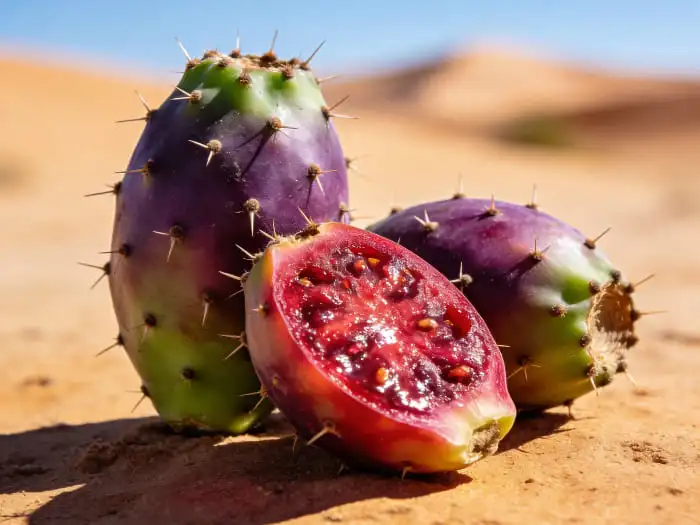
In the past few years, the botanical extract business has seen amazing growth. One of the most valuable sources of these extracts has been opuntia ficus-indica. A study in the Journal of Ethnopharmacology shows that prickly pear has much more vitamin C, betalains, and flavonoids than many common foods. These bioactive substances are part of what makes the extract such a good medicine. For example, it can protect cells from oxidative stress and control blood sugar levels.
Diverse Product Forms and Applications
With new extraction methods, makers can make different kinds of opuntia derivatives to meet the needs of different applications. When making drinks, water-soluble powders are a great choice because they stay stable. On the other hand, for health products, oil-based extracts are better because they make the ingredients more available to the skin. Standardized concentrates let companies make sure that the strength of each batch is the same. This helps with quality issues that procurement workers often face when they get plant-based ingredients.
Scientific Evidence and Health Benefits
Clinical tests have shown that cactus fruit extracts can be used to safely and effectively treat a number of different conditions. A randomized controlled trial published in Diabetes Care found that eating opuntia lowered the blood sugar levels of diabetic people after they ate a lot. Also, dermatological study shows that the extract works to make skin more hydrated and reduce inflammatory markers. This supports its use in high-end cosmetics.
Market Trends and Consumer Demand
People like natural, plant-based products, which makes the global botanical extract market keep growing. Because they are environmentally friendly and have a unique bioactive makeup, market research shows that cactus-based goods can charge higher prices. More and more, procurement teams want to work with sellers who can show that they are certified organic, source their materials ethically, and have a reliable supply chain.
Choosing the Right Prickly Pear Extract OEM Partner
Choosing the right factory partner means carefully thinking about a lot of things that affect product quality, compliance with rules, and business success. Because making plant extracts is so complicated, companies need to have specialized knowledge, high standards, and experience serving a variety of industries.
Quality Certifications and Standards
For any serious botanical cactus pear extract manufacturer, GMP certification is the most basic condition. However, top suppliers set themselves apart by getting extra certifications like ISO 22000, HACCP, and organic standards from groups like USDA and EU laws. These credentials give buyers peace of mind that the way the food is made follows strict rules for safety, quality, and eco-friendliness set by governments around the world.
Manufacturing Capabilities and Scalability
Successful OEM partnerships depend on the ability of providers to handle different order sizes while keeping quality standards the same. Manufacturers with a lot of experience know that it's worth it to have a production system that can easily switch between making a little bit of unique products and filling big commercial orders. This scalability is especially useful for brands that want to grow their market or are expecting regular changes in demand.
Technical Support and R&D Capabilities
The most helpful manufacturing partners give a lot of professional help during the whole process of making a product. Help with formulation, stability testing, regulatory paperwork, and continued optimization services are all part of this. Suppliers with their own R&D teams can help brands make their goods stand out by using new ways to extract ingredients, new ways to deliver them, and better formulations that make them more bioavailable.
OEM Product Customization and Compliance Insights
To get through the rules in different areas, you need to know what they require and use compliance tactics that work ahead of time. The plant extract business follows complicated rules that change a lot between markets and types of products.
Regulatory Compliance Across Markets
In the US, the FDA has different rules for plant extracts based on how they will be used, such as in dietary supplements, foods, or cosmetics. The European Food Safety Authority (EFSA) ) sets standards for European markets that focus on checking safety and proving health claims. OEM partners who have a lot of experience stay up to date on these rules and give their clients the paperwork they need to easily enter the market.
Custom Formulation Possibilities
To meet the needs of different brands, advanced makers offer a wide range of ways to customize products. This includes changing the concentration of extracts, mixing different plant-based ingredients, making new ways to send the product, and coming up with new ways to package the product. Brands can make unique goods that fit with their brand image and the tastes of their target audience thanks to custom formulation.
Quality Control and Testing Protocols
Quality control methods make sure that products are safe and consistent during the whole manufacturing process. Heavy metal analysis, microbiological testing, pesticide residue screening, and potency verification are all parts of the thorough testing procedures that top suppliers use. Validation by a third-party lab helps make sure the product is compliant with rules in global markets.
Case Studies and Practical OEM Collaboration Tips
Brand and prickly pear extract powder manufacturer partnerships that work show how important clear communication, realistic goals, and working together to solve problems are. These relationships often change from simple source arrangements to strategic partnerships that encourage new ideas and market growth.
Effective Communication Strategies
Setting up clear ways to communicate at the start of a project avoids confusion and makes sure everyone is on the same page about important needs. Regular success reports, proactive issue identification, and adaptable problem-solving methods are all parts of a good team effort. Brands get better service from suppliers who assign a specific project manager to each job and keep open lines of contact during the whole development process.
Timeline Management and Expectations
Realistic schedule planning takes into account the difficulty of making botanical extracts, the time it takes for the government to review them, and the possibility of optimization cycles. Manufacturers with a lot of experience give their clients specific project timelines that include extra time to deal with unexpected problems and improve quality. This method helps companies plan their marketing launches in a smart way that always makes sure the quality of the products isn't lowered.
Wellgreen Technology: Your Trusted Extract Manufacturing Partner
Wellgreen Technology has made a name for itself as a top botanical extract producer. They focus on high-quality Opuntia products and offering OEM services to their customers. Our GMP plant uses cutting-edge extraction methods and strict quality control systems to make sure that the botanical ingredients we provide are always top quality and meet global standards.
Comprehensive Product Portfolio
We have a lot of different products, including standardized powder forms, liquid concentrates, and special mixes that are made to meet different needs. Our expert team works closely with customers to find the best solutions that fit their exact needs and how they want to be seen in the market, whether they need water-soluble powders for drinks or specialized extracts for cosmetics.
Quality Assurance and Certifications
Wellgreen holds many different kinds of certifications, such as GMP, ISO, and organic. These help make sure that our goods are of the highest quality. To make sure that the products are safe and always the same, our quality control lab runs a lot of tests, such as checking for heavy metals, looking at microbiology, and making sure that the strength is right.
Custom Solutions and Support Services
Besides our normal products, we offer a lot of ways to customize things, like making new formulas, finding ways to package your products, and helping with regulatory paperwork. Our experienced team works closely with clients during the whole development process. We offer technical advice and share what we know about the market to help make sure products are launched successfully and businesses stay profitable.
Conclusion
Prickly pear extract presents a unique chance for brands in a variety of industries due to the growing demand for natural, scientifically supported ingredients. Getting ahead in this market means picking suppliers carefully, knowing the rules inside and out, and working with experienced makers. This market opportunity is growing. Brands that take the time to find potential OEM partners with good quality certifications, strong technical skills, and a willingness to work together will be able to make the most of it. These brands will also be able to give customers what they want: safe, effective, and eco-friendly products.
FAQs
For OEM production, what kinds of prickly pear extract can be made?
OEM makers usually offer a lot of different types of ingredients, like standardized powder concentrates, liquid extracts, water-soluble powders for drinks, and oil-based extracts for cosmetics. The choice relies on your target market and the needs of your application.
How can I make sure that the prickly pear extract I get from possible sources is high quality and pure?
Ask for full records that have the Certificate of Analysis (COA), reports of tests done by a third party, and quality certifications like GMP, ISO, and organic standards. Honest sellers give information on microbiological parameters, heavy metals, and active compound concentrations.
For custom formulas of prickly pear extract, what are the usual minimum order amounts?
Suppliers have different minimum order quantities that rely on things like how hard it is to customize, packaging needs, and when production is scheduled. Many seasoned producers are willing to be flexible with their MOQs so that both small-scale tests and big business orders can be made.
Partner with Wellgreen for Premium Prickly Pear Extract Solutions
Are you ready to find high-quality plant extract manufacturers that will improve your product line? Wellgreen Technology brings together expert knowledge in complex extraction processes with a wide range of OEM services to get great results for brands around the world. To make sure your project succeeds, our committed team offers one-on-one advice, help with creating samples, and support with custom formulation. We are a trusted prickly pear extract supplier with a lot of stock on hand, all the right certifications, and the ability to serve quickly to help your business reach its goals. To take the next step toward making high-quality products, email us at wgt@allwellcn.com to talk about your unique needs and learn how our knowledge of manufacturing can help your brand grow in today's competitive market.
References
Tesoriere, L., et al. "Supplementation with cactus pear (Opuntia ficus-indica) fruit decreases oxidative stress in healthy humans: a comparative study with vitamin C." American Journal of Clinical Nutrition, 2004.
López-Romero, P., et al. "Prickly pear cactus (Opuntia ficus-indica) as a source of bioactive compounds for nutrition, health and disease." Molecules, 2010.
Dok-Go, H., et al. "Neuroprotective effects of antioxidative flavonoids, quercetin, (+)-dihydroquercetin and quercetin 3-methyl ether, isolated from Opuntia ficus-indica var. saboten." Brain Research, 2003.
Feugang, J.M., et al. "Nutritional and medicinal use of Cactus pear (Opuntia spp.) cladodes and fruits." Frontiers in Bioscience, 2006.
Ginestra, G., et al. "Antioxidant activity and bioactive compounds of Opuntia ficus-indica (L.) Mill. cladodes from Sicily." Journal of the Professional Association for Cactus Development, 2009.
Stintzing, F.C., and Carle, R. "Cactus stems (Opuntia spp.): A review on their chemistry, technology, and uses." Molecular Nutrition & Food Research, 2005.