Psyllium Husk Powder Bulk Buying Guide for Supplement Brands
2025-12-31 13:50:35
To get high-quality psyllium husk powder for making supplements, you need to carefully consider suppliers, quality standards, and procurement methods. This all-inclusive guide covers the most important things B2B buying professionals need to think about when they're looking for dependable fiber ingredients to add to their products. The global dietary fiber market is expected to see a lot of growth. Supplement brands that want to make effective digestive health goods and stay ahead of the competition and in line with the rules need to understand the details of how psyllium is bought.
Understanding Psyllium Husk Powder as a Core Supplement Ingredient
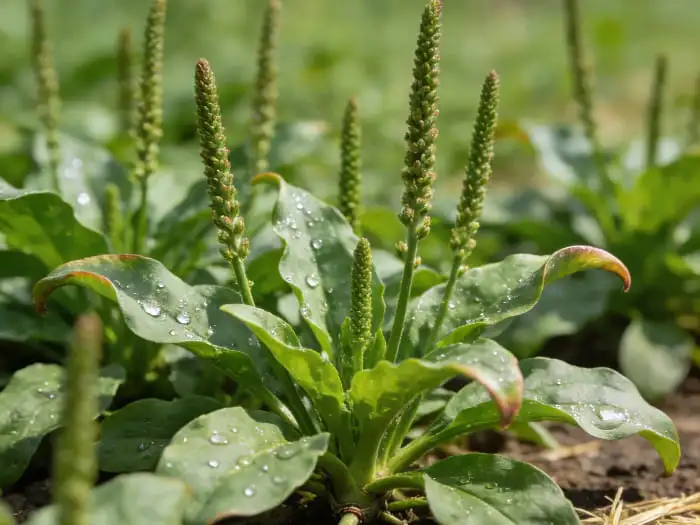
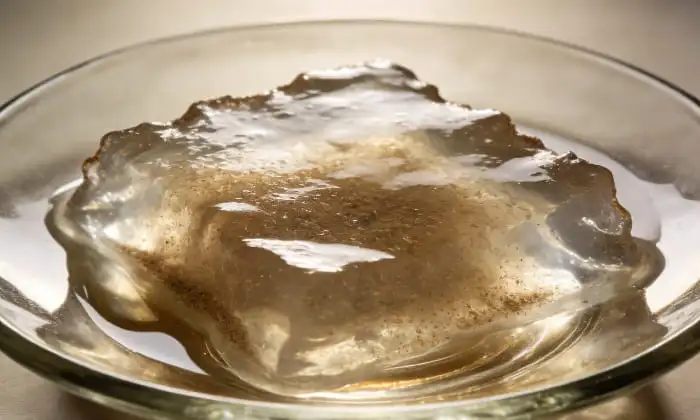
Psyllium husk powder is made from the seeds of Plantago ovata. It is one of the most useful and scientifically proven fiber ingredients in the supplement business. This natural item has about 85% soluble fiber, mostly as arabinoxylan. When you mix it with water, it forms a gel-like material.
Nutritional Profile and Active Components
Mucilage fiber, a complex carbohydrate, is the main active part of psyllium, and it's what gives the food its health benefits. Clinical tests show that mucilage fiber can soak up water equal to 40 times its weight, making a thick gel that helps with digestion. Studies that have come out in nutrition journals show that eating 10 to 15 grams of this every day can make your bowels more normal and lower your cholesterol by 5 to 10 percent.
Besides fiber, psyllium has small amounts of proteins, fats, and minerals that make it more nutritious. The powder form has better bioavailability than whole husks, which makes it more useful for encapsulation and powder blend formulas.
Health Benefits and Scientific Evidence
Psyllium has been shown to be good for cardiovascular health in many clinical studies, and the FDA allows products with at least 1.78 grams per serving to make heart health claims. It can lower LDL cholesterol by binding bile acids in the digestive system and forcing the liver to use cholesterol to make bile acids, according to research.
Another important use is managing blood sugar. Studies have shown that adding psyllium to the diet can lower the rise in blood sugar after eating by 20–30% in people with diabetes. This process works by forming a thick gel that makes it harder for the small intestine to absorb carbohydrates.
Bulk Purchasing Criteria for Supplement Brands
Setting clear quality standards that are in line with industrial needs and rules is the only way to successfully get psyllium. Understanding these factors lets supplement companies make smart choices that find a mix between cost and how well the products work.
Quality and Purity Standards
High-quality psyllium husk fiber powder should have at least 85% dietary fiber, and the wetness level should be below 12% so that microbes can't grow and the powder stays usable over time. For manufacturing uses, it's important that the particle sizes are the same. The mesh sizes usually fall between 40 and 80 mesh, based on what the mesh will be used for.
Because psyllium has agricultural roots, testing for heavy metals becomes very important. Arsenic below 1.5 ppm, mercury under 0.1 ppm, and lead below 2.0 ppm are acceptable levels. Microbiological tests should show that the total plate count is less than 10,000 CFU/g and that there are no harmful germs, E. coli, or Salmonella.
Certification Requirements
Organic approval means that you have to follow the rules of the USDA National Organic Program, which makes the product much more appealing to people who care about their health. Getting a non-GMO proof makes a product more appealing to some buyers, but psyllium naturally doesn't have any genetically modified organisms in it because Plantago ovata isn't genetically modified commercially.
When suppliers get GMP certification, it makes sure that manufacturing methods are always the same. At the same time, ISO 22000 food safety management systems show that they want to keep food safe from contamination. These credentials become very important when trying to sell to high-end customers or ship products to other countries.
Comparing Psyllium Husk Powder with Other Fiber Sources
When buying teams know how psyllium stacks up against other fiber sources, they can make smart choices about how to mix ingredients by looking at how well they work, how much they cost, and what customers like.
Fiber Content and Physiological Effects
Psyllium has 85% fiber, which is a lot more than other common choices like chia seeds (34% fiber) and flaxseed (28% fiber). This concentration benefit keeps the therapeutic dosage with smaller serving sizes. This is good for both the costs of production and customer compliance.
Psyllium is different from other fibers because it forms a gel, and this makes it have different effects on the body. Wheat bran is good for making things thicker, but psyllium's soluble fiber is better at lowering cholesterol and stabilizing blood sugar. For this reason, it's useful in recipes that are meant to support cardiovascular and metabolic health.
Manufacturing Considerations
Because psyllium powder absorbs water, it can clump together or form gel too early if it is exposed to moisture during production. For this reason, it is very important to be careful when making it. But this same trait makes it easy to bind things in tablet formulations, which often means that fewer additional ingredients are needed.
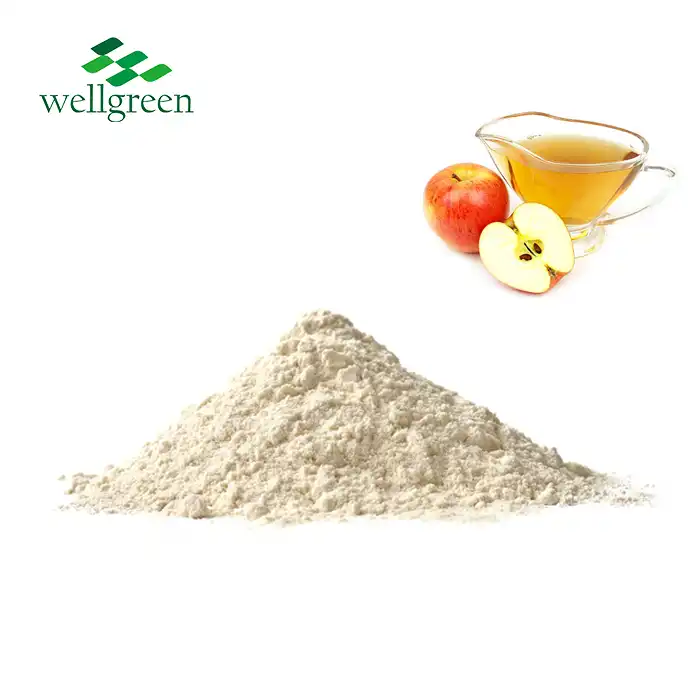
Because psyllium doesn't have a flavor of its own, it's better than other options like inulin, which can make things sweeter, or apple pectin, which can make things taste more fruity. This neutrality gives formulators more freedom to make flavored goods or mix them with other functional ingredients.
Procurement and Supply Chain Management for Bulk Buyers
To handle the psyllium supply chain well, you need to know how to get materials from around the world, how the seasons affect things, and how to make sure that the product is always available.
Global Sourcing Channels
India produces about 85% of the world's psyllium, mostly from the states of Gujarat and Rajasthan. In these areas, the weather has a big effect on yearly yields. For example, the amount and quality of material that is available is affected by monsoon rains.
Even though other sources are still hard to find, spreading seller networks across different areas helps lower supply risks. Some sellers keep strategic inventory reserves to protect themselves from seasonal shortages, but this way of doing things usually means higher prices.
Supplier Evaluation Criteria
Trustworthy suppliers use the same analytical testing methods every time and give a proof of analysis for each batch. Traceability systems should keep track of where products come from on farms and through processing plants so that any quality problems or regulatory questions can be quickly dealt with.
When you want to build a long-term relationship, you need to check the production capacity first because processing psyllium needs special tools and knowledge. Suppliers that do everything from getting raw materials to final wrapping have better quality control and supply security.
Wellgreen Technology: Your Trusted Partner for Premium Psyllium Solutions
Wellgreen Technology has become a top maker and seller of high-quality plant extract powders, including top psyllium husk powder for supplement makers around the world. Our new GMP-certified facility guarantees that quality and purity always meet the highest standards in the business.
Comprehensive Product Portfolio
We offer both organic and conventional psyllium products in a range of mesh sizes to suit different needs in the industrial sector. Every batch is tested for bacterial content, heavy metals, and fiber content to make sure the product is safe and effective.
With packaging choices that range from 25 kg drums to bulk shipping containers, we keep a lot of inventory on hand to make sure we can always deliver supplies. To keep the products effective across the whole supply chain, our quality assurance team follows strict rules for storing that keep the best temperature and humidity levels.
Value-Added Services
Besides normal ways of getting supplies, Wellgreen offers OEM support for making custom formulas, private labeling, and expert help with product development projects. Our experienced team works closely with clients to get the best formulations, meet legal needs, and set up efficient ways to make things.
We offer a full range of documentation help, such as expert data sheets, proof of compliance with rules, and in-depth certificates of analysis. We are committed to your success as a customer, and you can be sure that you will be able to use our services without any problems in your supply chain operations. This is because we offer direct help after you buy from us and manage your account.
Conclusion
Getting psyllium husk powder is only successful when quality needs, rules, and the dependability of the supply chain are all balanced in order to help the business grow. Supplement brands are able to make effective goods and stay ahead of the competition by knowing this valuable fiber's special properties and working with the right suppliers. The key is to set up broad review standards that include both short-term production needs and long-term market positioning goals. This will make sure that procurement choices help the dynamic supplement business overall succeed.
FAQs
What is the typical shelf life of bulk psyllium husk powder under proper storage conditions?
When stored in moisture-resistant packaging at temperatures below 25°C with relative humidity under 60%, psyllium husk powder maintains optimal quality for 24 months. Proper storage prevents moisture absorption, which can lead to clumping or microbial growth, ensuring consistent product performance throughout the shelf life period.
How does organic psyllium husk powder differ from conventional variants in terms of efficacy?
Organic and conventional psyllium husk powder demonstrate equivalent therapeutic efficacy when properly processed and standardized for fiber content. The primary differences lie in production methods, with organic variants requiring certified pesticide-free cultivation and processing facilities, often commanding premium pricing while appealing to health-conscious consumer segments.
What minimum order quantities should new supplement brands consider for initial psyllium procurement?
New brands typically benefit from starting with 500-1000 kg orders to balance inventory investment with volume pricing advantages. This quantity allows for adequate product testing, initial market launch, and assessment of demand patterns while minimizing financial risk and storage requirements during the early stages of product development.
Partner with Wellgreen for Premium Psyllium Husk Powder Supply
Ready to enhance your supplement formulations with superior-quality psyllium husk powder? Wellgreen Technology combines extensive industry expertise with reliable manufacturing capabilities to deliver consistent, high-purity ingredients that meet your exact specifications. Our comprehensive quality assurance protocols and flexible supply arrangements ensure seamless integration into your production processes. Contact us at wgt@allwellcn.com to discuss your bulk psyllium husk powder requirements and discover how our manufacturer expertise can support your business growth objectives.
References
Anderson, J.W., et al. "Health Benefits of Dietary Fiber." Nutrition Reviews, 2009. Vol. 67, No. 4, pp. 188-205.
Bernstein, A.M., et al. "Psyllium Fiber Supplementation and Cardiovascular Health." American Journal of Clinical Nutrition, 2013. Vol. 98, No. 6, pp. 1385-1394.
McRorie, J.W. "Evidence-Based Approach to Fiber Supplements and Clinically Meaningful Health Benefits." Nutrition Today, 2015. Vol. 50, No. 2, pp. 82-89.
Singh, B. "Psyllium as Therapeutic and Drug Delivery Agent." International Journal of Pharmaceutics, 2007. Vol. 334, No. 1-2, pp. 1-14.
Thompson, C.A., et al. "Global Market Analysis of Dietary Fiber Ingredients in Functional Foods." Food Technology and Nutrition Science, 2018. Vol. 15, No. 3, pp. 145-162.
Wei, Z.H., et al. "Comparative Analysis of Soluble Fiber Sources in Nutraceutical Applications." Journal of Functional Foods, 2019. Vol. 63, pp. 103-118.