Quillaja Extract Provides Natural Saponin Solutions for Feed Production
2026-09-11 13:46:36
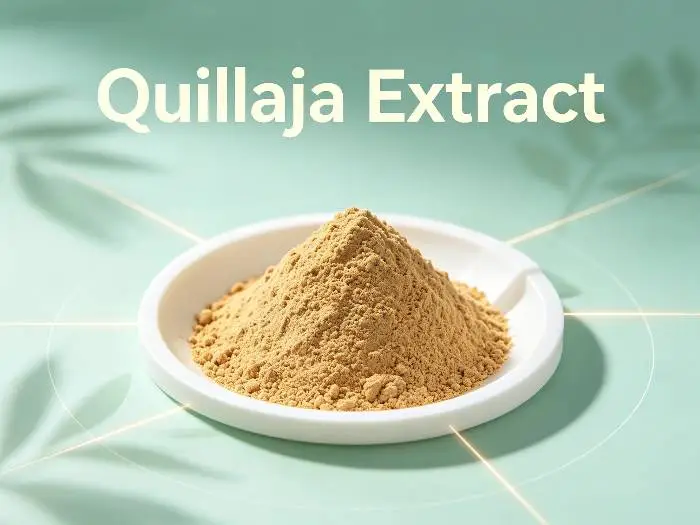
Quillaja Extract, derived from the inner bark of the Quillaja saponaria Molina tree native to Chile, delivers a concentrated source of natural saponins that are reshaping feed production globally. As feed manufacturers move away from synthetic additives toward plant-based alternatives, soapbark extract powder has become a preferred ingredient for improving emulsification, nutrient absorption, and overall livestock performance. This guide walks through everything B2B procurement teams need to know — from botanical origins and sourcing criteria to real-world applications and market trends.
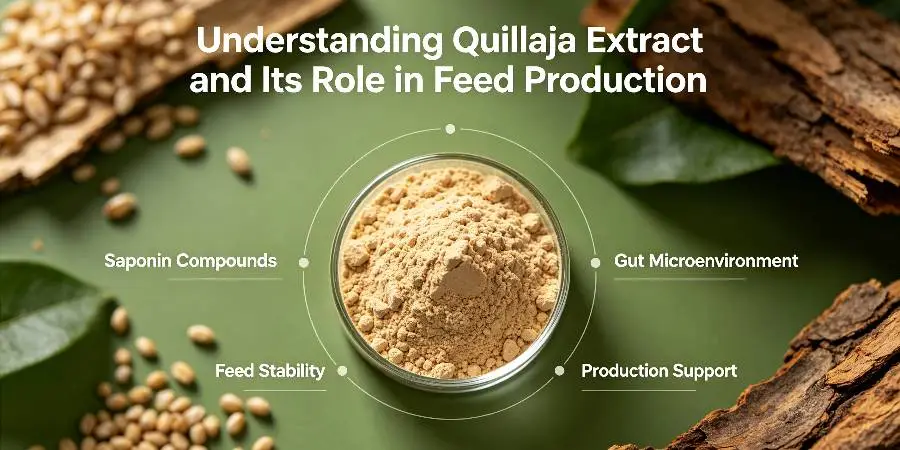
Understanding Quillaja Extract and Its Role in Feed Production
What Makes Quillaja Saponins Unique in Animal Nutrition?
In its bark, the Quillaja saponaria tree produces more than 60 triterpenoid saponins, most of which are glycosides of quillaic acid. These chemicals naturally have surface-active properties, which means they lower surface tension, help emulsification, and keep the fat-water interfaces stable in feed matrices. Unlike many plant supplements, quillaja saponins have measurable bioactivity. They improve nutrient uptake in multiple cattle species, support anti-inflammatory pathways, and balance gut microbes. Because they can do more than one thing, soapbark saponins are actually useful and not just pretty to look at on an ingredient label.
Extraction Methods and Product Forms
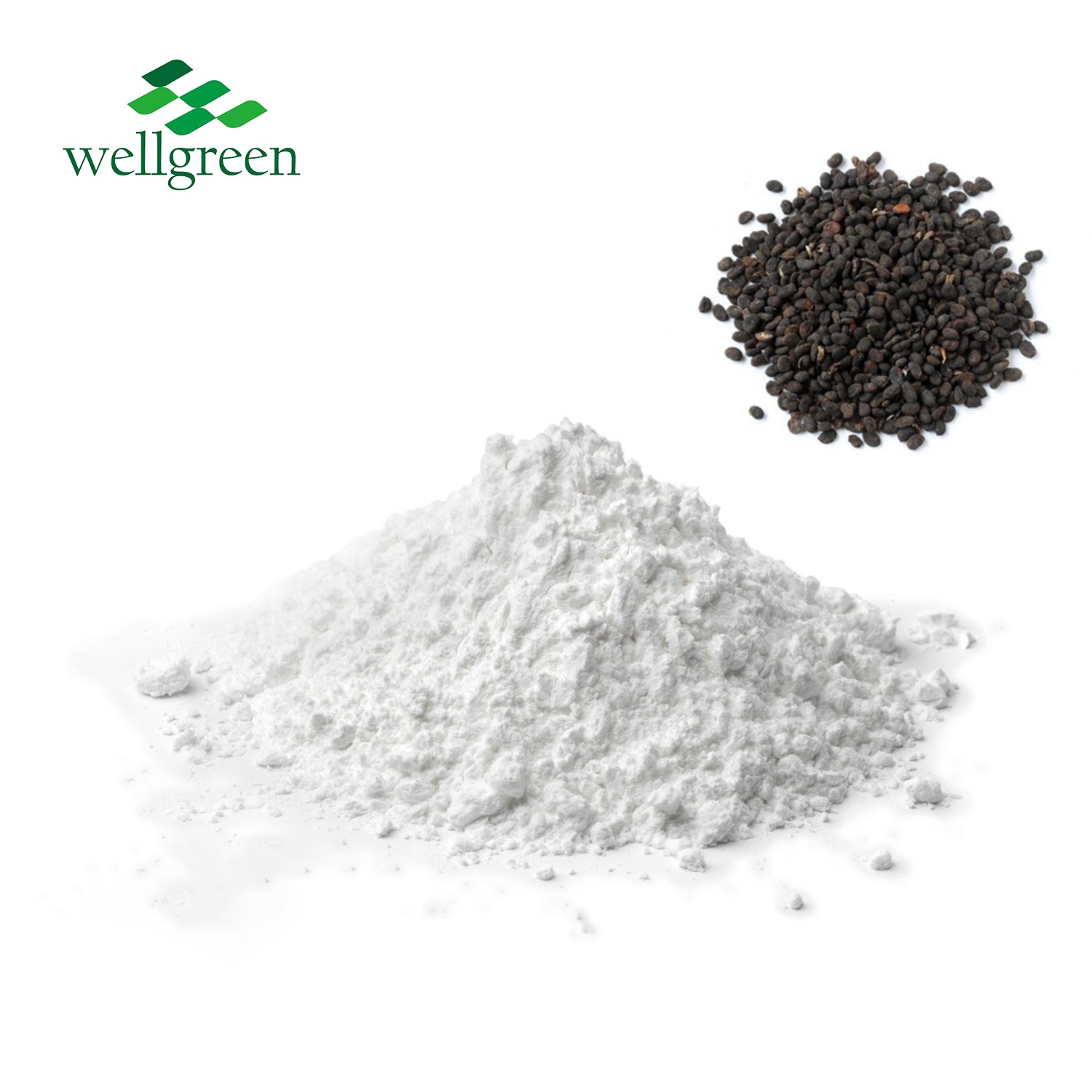
To make Quillaja Extract, the milled inner bark is first extracted with water, then it is filtered and either concentrated into a liquid or spray-dried into a powder. The powder form works especially well for making premixed and pelleted feed because it mixes easily with dry ingredient mixes without needing any extra steps of processing. Ultrafiltration or affinity chromatography are used on semi-purified variants to raise the saponin concentration above 70%. This makes the active profile more potent and consistent, which is what feed concentrate producers want. Wellgreen offers normal feed-grade powder with 10% to 30% saponin levels and high-concentration grades with 60% to 80% saponin levels. These grades can be used for both broad-spectrum premix uses and concentrated nutritional products.
Comparison of Natural Saponin Solutions for Feed Production
Quillaja vs. Yucca Extract vs. Soapnut
There are different kinds of natural saponin sources. Here is how the three main choices stack up against each other on important buying criteria:
- Quillaja Extract (10%–80% saponin): Offers the broadest range of tests, better foaming performance, and well-documented emulsifying ability. The powder form lets the premix be added directly. There is a lot of research evidence to back its use in the nutrition of poultry, pigs, and ruminants. Compatible with yucca extract for blending that works better in reducing ammonia and improving gut health.
- Yucca Extract (schidigera, 10%–60% saponin): A substance widely used to keep chicken and pig housing free of ammonia. Not as broad of a profile of saponins as quillaja. Often mixed with quillaja saponins in feed additives that have more than one use.
- Soapnut Extract (saponin ~20%–40%): Not as standardized in the business world, with different assay levels and not as much research supporting feed-specific use. It is mostly used for personal and beauty care.
On a legal and safety level, natural saponin extracts always do better than manufactured foaming agents. The FDA has given Quillaja Extract the GRAS label for use in food, and FAMI-QS frameworks allow it to be used in feed. This gives it an even bigger compliance edge in controlled markets. On the other hand, synthetic surfactants are being looked at more closely in clean-label feed products.
The choice between powder vs. liquid is important for more than just compliance. Spray-dried powder works well with dry premix production lines, which is important for most B2B feed manufacturers in the US market. Liquid extracts work well with aqueous application systems.
Procurement Insights: How to Source High-Quality Quillaja Extract for Feed Manufacturers?
Evaluating Supplier Credibility and Authentication
Authentication has become a very important issue in procurement. A study released in 2026 in Poultry Science looked at confirmation tests of quillaja saponins in chicken feed and found problems with adulteration in commercial goods. This study shows again why it is important to have batch-level COA documentation, testing that is validated by UV and HPLC, and full traceability from bark harvest to finished powder. When buyers accept broad promises about saponins without method-validated assay data, their formulations run the risk of not being consistent and being regulated.
Suppliers of Quillaja Extract that you can trust should have FAMI-QS certification for feed-grade products, ISO 22000 certification for food safety management, and GMP production standards. These credentials show that not only the end product specs but also the quality systems meet foreign standards.
Some important factors to consider when buying something are:
- Confirmed saponin analysis using UV and HPLC testing methods, along with paperwork for each batch
- Full traceability from where the raw bark comes from to the steps of extraction and spray drying
- FAMI-QS and ISO 22000 certifications must be met as a minimum compliance standard
- Flexible MOQ can handle both small samples for research and large commercial orders
- OEM and bulk supply choices are available, and you can get concentrations that are just right for you.
All of these things lower the risk in the supply chain and make sure that feed formulators get the same amount of active ingredients in each production run. After checking the qualifications of the seller, procurement teams should also check the integrity of the packaging and the storage instructions. To keep the saponin activity going during stocking cycles, powder should be kept in sealed, moisture-proof containers that are kept away from direct light and heat.
Practical Applications and Case Studies in Feed Production
Performance Metrics Across Livestock Species
A published study shows that adding 100–300 mg/kg of quillaja saponin to broiler feed helps feed conversion rates and supports the shape of the intestines. Adding saponin-based additives to pig food lowers the amount of ammonia released into living areas, which is good for both animal health and farm operations. Using it on ruminants can help change the bacteria in the rumen and lower the amount of methane they produce, which is good for the environment and becoming more important in controlled markets.
When adding soapbark saponin powder to feed that is already being made, it's important that it works well with other active ingredients. It works well with yucca extract, organic acids, and enzyme complexes that are usually found in premixes for chickens and pigs. It is important for formulators to make sure that the end feed doesn't have too much saponin because high amounts of tannins in unpurified extracts can make the food taste bad. If you choose higher-purity grades (60% to 80%), the tannin load goes down while the bioactivity of the saponins stays the same.
Future Trends and Sustainability in Quillaja Saponin Applications
The desire for natural feed products around the world keeps growing. The U.S. and European Union markets are putting more restrictions on antibiotic growth promoters and synthetic emulsifiers. This is pushing formulators to use plant-based alternatives that have been shown to be safe. Saponins from quillaja fit right into that shift. The Quillaja saponaria tree is cut down in a way that doesn't harm the forest, and the aqueous extraction process doesn't make a lot of chemical waste. Both of these things make ESG credentials stronger in supply chain reporting.
New uses for quillaja saponins include adding them to functional fish feeds and using them as adjuvants in vaccines. This means that the ingredient will have a much bigger impact on the business world than just feeding animals. Building long-term relationships with suppliers is now the best thing for B2B procurement teams to do so that their companies can benefit from stable prices and a steady supply as global demand rises.
Conclusion
Quillaja Extract provides a plant-based saponin option that is backed by science and meets the high standards for quality, safety, and performance needed in modern feed production. Its standard assay options, ability to be processed as a powder, and proven bioactivity across a wide range of animal species make it a very attractive purchase option for feed makers who care about both effectiveness and sustainability.
FAQ
Is quillaja extract safe for all kinds of animals to use?
At the recommended levels of inclusion, quillaja saponins have been shown to be safe for chickens, pigs, and ruminants. EFSA and other regulatory bodies have looked at Quillaja Extract for use in feed. High-purity grades (60%–80%) have lower amounts of co-extracted tannins, which makes standard doses taste better.
How should bulk quillaja extract powder be stored?
Spray-dried quillaja powder should be kept in sealed, airtight containers that keep out moisture. It should be kept cool and out of direct sunlight. If you store something the right way, saponin activity will stay the same for 24 months after it was made. Always ask for batch-specific COA paperwork to make sure the activity levels are correct at the time of use.
How does the price of quillaja extract compare to the price of synthetic additives?
The cost per unit of natural saponin extracts is higher than that of many manufactured detergents. But their clean-label placement, regulatory support, ability to work as both an emulsifier and a bioactive ingredient, and compatibility with antibiotic-free production processes give them value that synthetic options can't match in today's market.
How do I make sure a product is real when I'm buying it commercially?
Ask for UV and HPLC test results to be sent with each batch COA. Recent research in Poultry Science has shown that there are concerns about adulteration, so validated analytical testing is the most reliable way to prove authenticity.
Source Natural Saponin Solutions from Wellgreen — Request Your Sample Today
Wellgreen is a GMP-certified company that makes and sells Quillaja Extract. They offer normal feed-grade grades ranging from 10% to 30% and high-concentration 60% to 80% saponin specs. Each batch comes with full COA paperwork and test results that have been checked by UV/HPLC. Certifications like FAMI-QS and ISO 22000 help businesses follow the rules in both U.S. and international markets. Wellgreen also helps with custom concentration development, OEM production, and bulk buying that is flexible and fits the needs of industrial feed operations. You can get a sample or quote by emailing wgt@allwellcn.com or going to wellgreenherb.com.
References
1. Joint FAO/WHO Expert Committee on Food Additives (JECFA). Quillaja Extracts — Chemical and Technical Assessment. WHO Food Additives Series, 2005.
2. Cheeke, P. R. Saponins: Practical Uses for Animal Nutrition and Feed Quality. Animal Feed Science and Technology, 1999.
3. Oleszek, W., & Marston, A. (Eds.). Saponins in Food, Feedstuffs and Medicinal Plants. Kluwer Academic Publishers, 2000.
4. Güçlü-Üstündağ, Ö., & Mazza, G. Saponins: Properties, Applications and Processing. Critical Reviews in Food Science and Nutrition, 2007.
5. Broom, L. J. Saponins and Animal Performance: A Review of the Scientific Evidence. Animal Feed Science and Technology, 2015.
6. Poultry Science. Confirmation Testing of Quillaja Saponins in Commercial Poultry Feed Products and Adulteration Assessment. Poultry Science Journal, 2026.