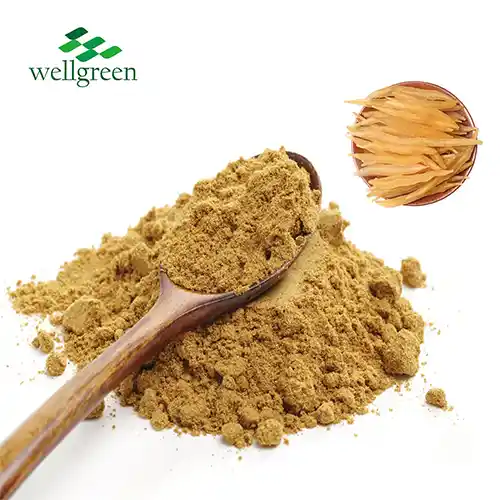
Rosemary Extract Powder in Functional Nutrition Products
2026-01-29 11:28:43
In the functional nutrition market we have now, rosemary extract powder stands out as a versatile plant ingredient that has great antioxidant qualities and natural preservation benefits. This concentrated powder comes from the Mediterranean herb Rosmarinus officinalis using advanced extraction methods. It gives makers a clean-label way to make their products more stable while also having important health benefits. Rosemary extract powder, which is high in rosmarinic acid, carnosic acid, and other bioactive compounds, has become a crucial component for supplement companies, functional food companies, and nutraceutical brands looking for natural alternatives that satisfy customer demands for honesty and effectiveness.

Understanding Rosemary Extract Powder and Its Functional Benefits
Using advanced extraction methods, rosemary extract powder is a concentrated botanical ingredient that is made from rosemary leaves. It gives manufacturers an option to fresh rosemary that stays potent and stable on the shelf. Usually, either low-temperature drying or spray-drying are used in the extraction process. These methods keep the plant's active chemicals while turning it into a powder that can be easily mixed with other ingredients.
Composition and Active Compounds
There are a lot of bioactive chemicals in rosemary extract powder, especially rosmarinic acid, which is usually found in amounts between 5 and 10 percent in standardized extracts. This is what makes it useful for medicine. These chemicals work together to give the extract its well-known antioxidant effects. Carnosic acid and carnosol are two more phenolic diterpenes that make the extract very good at keeping things fresh, which makes it useful for both nutritional and functional uses.
Rosemary extract has a polyphenolic profile that includes flavonoids, triterpenes, and forms of caffeic acid. These chemicals work together to reduce inflammation and protect neurons. Furthermore, research has shown that these substances have strong free radical scavenging abilities. This means that they can be used to stop lipid oxidation and make food and supplement formulations last longer.
Antioxidant Properties and Health Benefits
Researchers have found that rosemary extract powder is a very powerful antioxidant that often works better than manmade preservatives like BHT and BHA. This natural antioxidant activity comes from the extract's ability to fight off dangerous free radicals and keep cell membranes from getting damaged by oxidative stress. Clinical studies show that taking rosemary extract on a daily basis may be good for your heart health because it can improve circulation and keep blood lipid levels in check.
New research shows that rosemary extract powder may improve cognitive function and memory performance in addition to helping the heart. The herb has been used for a long time to clear the mind, and studies have shown that people who took standardized rosemary products were able to focus better and feel less mentally tired. Because of these cognitive benefits, rosemary extract is very appealing for nootropic formulations and functional drinks that aim to improve mental performance.
Comparative Analysis with Other Botanical Extracts
In terms of large-scale industry, the powder form of rosemary is clearly better than the oil form. The volatile oil needs to be handled carefully because it is highly concentrated and could be harmful if eaten in large amounts. On the other hand, rosemary extract powder is a safer, more stable ingredient that stays potent even when stored or made in different ways.
Compared to other plant antioxidants like grape seed extract or green tea extract, rosmarinus officinalis extract is better at withstanding heat and changes in pH. This makes it perfect for use in functional drinks and baked goods. The natural preservative properties of the extract also set it apart from purely nutritional botanicals. This means that makers can get two benefits from a single ingredient: it promotes health and keeps products fresh.
Quality and Sourcing: Selecting the Best Rosemary Extract Powder for Your Products
To choose the best rosemary extract powder, you need to carefully consider a number of quality factors that have a direct effect on both how well the product works and how well it meets legal requirements. Sourcing decisions have a big impact on the quality of the end product, the safety of consumers, and the reputation of the brand. This is why procurement managers and product developers need to carefully evaluate suppliers.
Organic versus Conventional Options
Being grown without synthetic pesticides, herbicides, or chemical fertilizers gives organic rosemary extract powder a premium spot in the market. This approval is very appealing to people who care about their health and brands that stress natural purity. Organic certification also makes sure that strict farming rules are followed, which often leads to higher amounts of good compounds because of how the plant naturally responds to stress as it grows.
Even though conventional rosemary extract powder is usually less expensive, it still has great health benefits when bought from reputable companies that follow strict quality standards. Choosing between organic and conventional options often relies on where the target market is located, how much money is available, and what the customer wants. To make sure they are safe and legal, both choices need to be thoroughly tested for heavy metals, herbicide residues, and microbial contamination.
Standardization and Purity Grades
Standardization is generally done on professional-grade rosemary extract powder to make sure that the rosmarinic acid content stays the same. This content is usually between 5% and 15%, depending on the application. Higher levels of standards cost more, but they make formulations more predictable and improve bioactivity. Manufacturers should ask for HPLC or UV spectroscopy test results that show the concentrations of active ingredients and make sure that the products are consistent from batch to batch.
There are other things besides purity grades that affect both the security of the product and its ability to meet government standards. These include the amount of moisture, ash, and solvent residues. Premium grades keep moisture levels below 5% to stop microbes from growing and to make sure that the food stays fresh for longer. Ash content signs show if there are any inorganic materials that might change the taste or look of the final product.
Certifications and Supplier Credibility
Some important certifications for companies that sell rosemary extract powder are GMP (Good Manufacturing Practices), ISO 22000 (Food Safety Management), and organic certifications from well-known groups like USDA Organic or EU Organic. These certifications show dedication to quality systems and allow a third party to check the integrity of the production process and the product itself.
When judging a supplier's credibility, you should look at things like their traceability paperwork, analytical skills, history of regulatory compliance, and how open their supply chain is. Established sellers usually give full Certificates of Analysis (COA) for every batch. These COAs include results from microbiological testing, heavy metal analysis, and pesticide screening that make sure the food meets international food safety standards.
Integrating Rosemary Extract Powder into Functional Nutrition Product Lines
Because organic rosemary powder is so flexible, it can be used in a wide range of functional nutrition goods, from dietary supplements to functional drinks and personal care items. Understanding application-specific needs, regulatory issues, and best formulation practices that make the most of the extract's helpful properties while also making sure the product is stable and consumers like it are necessary for successful integration.
Applications Across Product Categories
Rosemary extract powder is frequently found in dietary supplements as capsules, tablets, and powder mixes that help with antioxidants, brain health, and heart health. Doses between 200 mg and 500 mg per day are usually suggested, but exact amounts rely on the level of standardization of the extract and the health benefits that are wanted. The powder form makes it easy to mix with other vitamins, minerals, plant extracts, and other ingredients in complete health products.
Functional beverage uses use rosemary extract's natural ability to keep things fresh, as well as its health benefits. The substance is added to energy drinks, herbal teas, and protein drinks to make them last longer and help the body's antioxidant system. The extract has a strong flavor that needs to be carefully balanced with ingredients that go well with it so that consumers will like it. However, if it is made right, its unique taste can be used to its advantage.
Regulatory Framework and Compliance
The US government says that rosemary extract is generally recognized as safe (GRAS) for use in food, but there are limits on how much can be used based on the purpose. The FDA lets it be used as a natural antioxidant in foods and dietary supplements, but health claims need to be backed up by clinical proof. Supplement makers have to follow current Good Manufacturing Practices (cGMP) and make sure that the labels are correct so that they show what ingredients are in the supplement and what benefits they might have.
In the same way, the European Union allows rosemary extract as a food additive and natural preservative, with different kinds of extract being given different E-numbers. New food rules might apply to extracts that are very concentrated or to new ways of extracting, which means that they need to be checked for safety even more. Manufacturers that want to sell their products in other countries have to deal with different sets of rules, such as Health Canada's Natural Health Product laws and the traditional medicine frameworks of Asia-Pacific countries.
Customization for OEM and Private Label Partners
OEM makers are looking for customized rosemary extract powder specifications that fit their brand's positioning and target audience more and more. Private label brands can set their products apart while keeping costs low by offering custom standardization levels, organic certifications, and unique packaging choices. Smaller brands that want to get into the functional nutrition market are drawn to companies that offer flexible minimum order numbers and formulation support services.
Suppliers who offer full technical support, such as stability testing, shelf life studies, and regulatory advice, are good for private label partnerships. Brands can use co-development chances to make their own special mixtures that use rosemary extract's many uses along with other botanical ingredients. These blends are called proprietary and help the brand stand out in the market.

Company Introduction and Product Portfolio
Wellgreen Technology is a top company that makes and sells high-quality plant extract powders. They focus on organic ingredients that meet the strict requirements of functional nutrition markets around the world. Our modern, GMP-approved factory blends traditional plant knowledge with cutting-edge extraction technologies to make rosemary extract powder that is always of the highest quality and can be used in a wide range of industries.
Manufacturing Excellence and Quality Assurance
Our complete quality control system covers the whole process of production, from getting the raw materials to distributing and packaging the finished goods. Our large collection ensures that all of our customers around the world can always get what they need. Our full suite of certifications, which includes ISO 22000, HACCP, and organic certifications, shows that we are committed to meeting international quality standards.
Every batch of rosemary extract powder we make is thoroughly checked for quality in advanced analytical labs that are equipped with HPLC, UV spectroscopy, and microbial testing. Our strict testing procedures make sure that the levels of active compounds are correct, that contaminants are not present, and that the product meets international food safety standards. We give our customers specific Certificates of Analysis that they can use to support their own quality assurance needs.
Product Specifications and Value-Added Services
Our rosemary extract powder line has different standardization choices with rosmarinic acid contents ranging from 5% to 15%. This lets us meet the needs of a wide range of applications and budgets. Different types of packing, from small sample amounts to large industrial containers, are used to meet the needs of different customers. Our climate-controlled storage and handling methods keep the integrity of the product throughout the supply chain.
Customers can improve the way they make new products with the help of value-added services like custom formulation support, private labeling options, and expert advice. Our skilled staff gives advice on regulations, helps with stability testing, and knows about the market so that new products can be launched successfully in functional nutrition markets that are very competitive. With fast delivery and flexible minimum order quantities, both well-known brands and new ones looking for trusted botanical ingredient partners can use our services.
Conclusion
Rosemary extract powder has become an important part of the functional nutrition business. It gives manufacturers a special mix of health benefits, natural preservative properties, and clean-label appeal that appeals to today's health-conscious consumers. The extract's antioxidant qualities have been proven by a lot of scientific research. This makes it useful for a wide range of products, from dietary supplements to functional drinks and personal care items. To successfully add rosemary extract powder, you need to pay close attention to where you get it, make sure you know the rules, and build relationships with suppliers that will ensure a steady supply and good product performance. As the market for functional nutrition continues to grow, rosemary extract powder is a flexible option that can be used in a number of different formulations and supports brands' efforts to use natural, effective ingredients.
FAQ
What is the typical shelf life of rosemary extract powder?
Properly stored rosemary extract powder maintains potency and quality for 24 to 36 months when kept in sealed, moisture-resistant containers away from direct light and heat. The extract's natural antioxidant properties actually help preserve its own stability, though exposure to air and humidity can gradually reduce active compound concentrations. Storage in cool, dry conditions below 25°C with relative humidity under 60% optimizes shelf life and maintains consistent product performance.
How does rosemary extract powder interact with other herbal extracts?
Rosemary extract powder demonstrates excellent compatibility with most other botanical ingredients commonly used in functional nutrition products. Its antioxidant properties can actually help stabilize other sensitive compounds like vitamin C or omega-3 fatty acids in formulations. However, formulation testing is recommended when combining with iron supplements or other pro-oxidant minerals, as interactions could potentially reduce overall antioxidant effectiveness.
What are the recommended storage conditions for maintaining quality?
Optimal storage conditions include temperatures below 25°C, relative humidity under 60%, and protection from direct sunlight in airtight containers. Nitrogen flushing or oxygen absorber packets can further extend shelf life by minimizing oxidation. Regular testing of stored inventory helps monitor quality retention and ensures products maintain their specified potency throughout their useful life.
Partner with Wellgreen for Premium Rosemary Extract Powder Supply
Wellgreen Technology offers comprehensive solutions for manufacturers seeking reliable rosemary extract powder supplier partnerships that deliver consistent quality and dependable service. Our extensive experience in botanical extract manufacturing, combined with rigorous quality standards and flexible service capabilities, positions us as your ideal partner for both immediate procurement needs and long-term product development initiatives. Contact our technical team at wgt@allwellcn.com to discuss your specific requirements, request detailed product samples, and explore how our premium rosemary extract powder can enhance your functional nutrition product portfolio with proven antioxidant benefits and natural preservation properties.
References
Birtić, S., Dussort, P., Pierre, F. X., Bily, A. C., & Roller, M. (2015). Carnosic acid. Phytochemistry, 115, 9-19.
Nieto, G., Ros, G., & Castillo, J. (2018). Antioxidant and antimicrobial properties of rosemary (Rosmarinus officinalis L.): A review. Medicines, 5(3), 98.
Pérez-Fons, L., Garzón, M. T., & Micol, V. (2010). Relationship between the antioxidant capacity and effect of rosemary (Rosmarinus officinalis L.) polyphenols on membrane phospholipid order. Journal of Agricultural and Food Chemistry, 58(1), 161-171.
Machado, D. G., Bettio, L. E., Cunha, M. P., Santos, A. R., Pizzolatti, M. G., Brighente, I. M., & Rodrigues, A. L. (2009). Antidepressant-like effect of rutin isolated from the ethanolic extract from Schinus molle L. in mice: evidence for the involvement of the serotonergic and noradrenergic systems. European Journal of Pharmacology, 587(1-3), 163-168.
Rašković, A., Milanović, I., Pavlović, N., Ćebović, T., Vukmirović, S., & Mikov, M. (2014). Antioxidant activity of rosemary (Rosmarinus officinalis L.) essential oil and its hepatoprotective potential. BMC Complementary and Alternative Medicine, 14, 225.
Singletary, K. (2016). Rosemary: An overview of potential health benefits. Nutrition Today, 51(2), 102-112.