Soapnut Extract vs Chemical Surfactants: Which Is Better?
2026-02-26 13:51:56
Soapnut extract stands out as a strong natural substitute for synthetic chemical surfactants when considering surfactant choices for industrial and personal care formulations. This plant-based ingredient is full of naturally occurring saponins and has antimicrobial and gentle cleaning qualities while being good for the environment. The decision between natural and manufactured options is based on the needs of the application, the need to follow regulations, and the desire to be environmentally friendly. Knowing how well both choices work, how safe they are, and how much they cost lets you make smart purchasing decisions that are in line with market trends that favor clean-label ingredients.
Understanding Soapnut Extract and Chemical Surfactants
Natural Plant-Based Surfactant Properties
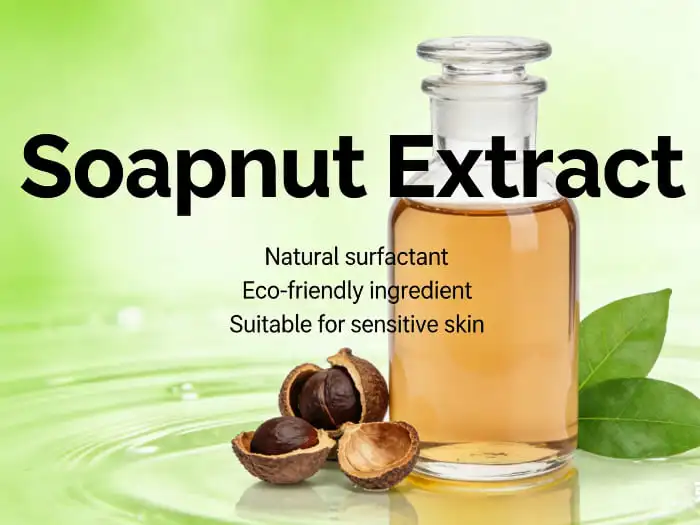
Soapnut extract powder comes from the pericarp of Sapindus mukorossi or Sapindus trifoliatus fruits. It has a lot of concentrated triterpenoid saponins that naturally foam and mix. This natural ingredient usually has between 40 and 70% standardized saponins, which makes it clean as well as manufactured options while still being gentle on the skin. Low-temperature spray drying is used in the extraction process to keep the active chemicals safe. This makes a water-soluble powder that can be used in a number of preparation systems.
Saponins have natural antimicrobial qualities that do more than just clean. They also naturally preserve things, so you don't have to use as many artificial stabilizers. It works well against Staphylococcus aureus and Candida albicans in clinical tests, which makes it useful for formulas for people with sensitive skin. The naturally acidic pH (4.5–6.0) of the ingredient matches the acid layer of the skin, which helps keep the barrier function while cleaning.
Synthetic Surfactant Characteristics
Chemical surfactants are a group of man-made chemicals designed for specific industrial uses. They include sodium lauryl sulfate (SLS), sodium laureth sulfate (SLES), and different ethoxylated versions. These substances have stable performance traits, a wide range of concentrations, and well-known production methods that make sure there is always a supply. When it comes to high-performance uses, synthetic choices are better at making foam and cutting grease.
Some of the benefits of manufacturing include exact control over molecules, standardized quality standards, and production systems that can be expanded to meet high-volume needs. Chemical detergents work great in places with very low or high pH levels and in tough cleaning jobs where natural options might not be strong enough. Their well-documented safety ratings and governmental approvals make it easier to get new products on the market and shorten the time it takes to make new products.
Market Availability and Supply Chain Considerations
Both types of ingredients have different supply chain features that affect how they are bought. The supply of natural sapindus mukorossi extract relies on the time of year it is harvested, where it is grown, and the standards for organic certification, all of which can affect the stability of prices. Reliable suppliers provide paperwork that can be used to track where the materials came from and standard extraction methods that make sure the quality standards are always met.
Chemical surfactant supply chains are helped by a well-established industrial infrastructure, stable price models, and a number of suppliers that lower the risk of buying. But stricter rules from regulators and a shift in customer tastes toward natural products are putting pressure on the market to favor botanical options. Dual-sourcing strategies are often used in smart buying strategies to find the best mix between short-term availability goals and long-term environmental goals.
Performance Comparison: Soapnut Extract vs Chemical Surfactants
Cleaning Efficiency and Antimicrobial Effectiveness
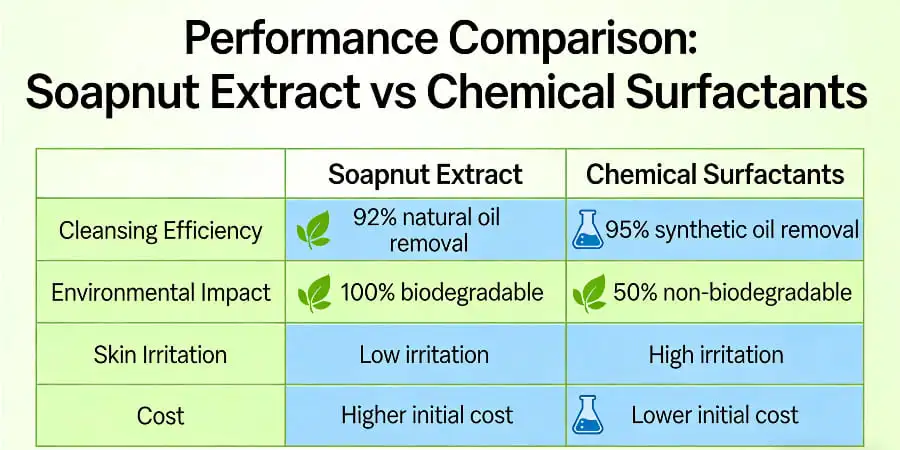
Tests done in the lab show that soapnut extract cleans just as well as manmade detergents in most personal care and light-duty cleaning situations. The natural saponins are very good at dissolving oils and mixing with dirt. They are especially good at getting rid of organic leftovers and light makeup. Critical micelle concentration values show that surface tension can be reduced effectively at amounts that aren't too high.
Antimicrobial tests show that natural chemicals from plants are effective against a wide range of common skin bacteria without having the harsh effects of manmade detergents. This dual function makes formulations simpler and backs up marketing promises about clean labels. But for heavy-duty industrial cleaning tasks, you might need higher amounts or to mix them with surfactants that work well together to get the same level of performance as chemical options.
Skin and Hair Compatibility Assessment
Dermatological studies show that natural saponin-based formulas are better for the skin than sulfate-containing options. Trans-epidermal water loss readings show that the skin barrier stays intact even after repeated exposure. This means that plant-based choices are perfect for people with sensitive skin. Because it is soft, it can be used every day without causing the buildup of irritation that is common with synthetic cleansers.
Natural conditioning qualities found in plant-based chemicals help hair care products work better by protecting the structure of the hair shaft while effectively cleaning. Professional colorists say that cleaning methods based on saponins help colors last longer and fade less. People who use these perks are happier with their purchases and have fewer complaints about skin and hair irritation.
Environmental Impact and Biodegradability
Environmental review prefers natural plant-based surfactants in a number of ways that are related to sustainability. Biodegradability testing shows that the materials break down quickly, beating the standards set by OECD 301, and that they mineralize within the normal time frames. Life cycle analysis shows that alternatives made from petrochemicals leave a bigger carbon footprint. This supports companies' environmental approvals and sustainability pledges.
Studies on aquatic toxins show that it has little effect on marine environments. This is better than synthetic surfactants, which may stay in water treatment systems. Plant-based products are reusable, which is in line with the ideas of the circular economy and helps make sure that resources will be available for a long time. As businesses try to become more environmentally friendly, these benefits are becoming more important in their purchasing decisions.
Cost, Procurement, and Supply Chain Considerations
Comprehensive Cost Analysis
Because of the complicated extraction methods and small production numbers, the initial cost of buying natural sapindus mukorossi extract is usually 20 to 40 percent higher than the cost of manmade surfactant. A full cost study, on the other hand, needs to look at how well the recipe works. Natural ingredients often work just as well at the same or lower doses. Because it kills microbes, it may not need as much protection, which could even out some price differences in final products.
Natural extracts can have their unit costs cut by a lot when you buy in bulk, especially if you build long-term source relationships. Standardized potency levels, custom concentration specs, and private label packing services that boost value are some of the bulk purchasing choices. As production rates rise and extraction methods get better, market trends show that prices will become more competitive over time.
Supplier Evaluation and Certification Requirements
Natural extract providers of good quality provide full records, such as organic certifications, third-party testing results, and full chain-of-custody records. Some important certificates are USDA Organic, COSMOS, HALAL, and the right GMP compliance paperwork that helps meet regulations in all global markets. Supplier surveys should check the capabilities of the extraction facility, the quality control processes, and the rules for keeping the facility clean.
Reliable providers offer expert support services such as help with formulation, help with stability testing, and advice on how to comply with regulations. Sample programs let you carefully test things before you make big purchases. This lowers the risk of making a purchase and makes sure that the new products will work with the old ones. By forming relationships with approved providers, you can get ongoing help with product development and information about the market.
Logistics and Distribution Networks
Shipping natural extracts requires keeping the temperature stable and taking steps to protect against wetness, which keeps the product from going bad while it's in transit. Packaging rules usually call for aluminum foil-lined cases with desiccant materials to keep powder stable and stop it from caking. Express shipping choices can be used for urgent sample needs and rush orders for jobs that need to be finished quickly.
International shipping makes it possible to get goods from all over the world while still keeping quality standards through special handling methods. Some of the paperwork that is needed are certificates of analysis, organic licenses, and customs statements that make the importing process go more smoothly. Experienced providers offer full logistics support, including coordinating supply schedules and reducing the cost of freight.
Safety, Regulatory, and Allergy Information
Allergenic Potential and Safety Profiles
The results of clinical patch tests show that pure soapnut extract is not as likely to cause allergies as popular synthetic surfactants, which can make people more sensitive to touch. The natural plant source makes it naturally safe for people with sensitive skin, like babies and people whose skin defenses aren't working well. The rates of known adverse reactions are still much lower than those for sulfate-based options.
Comprehensive toxicological tests are part of safety assessment methods. These tests make sure that dangerous substances like heavy metals, pesticide residues, and microbial contaminants are not present. Regular batch testing makes sure that safety standards are always met across all production runs. The GRAS (Generally Recognized as Safe) status means that it can be used in personal care products with few restrictions.
Regulatory Compliance Across Markets
Global regulatory systems are becoming more favorable to natural ingredients including soapnut powder, and in many places, the approval process for parts drawn from plants is made easier. INCI name standards make it easier to identify things when doing business across borders and for labeling purposes. Organic approval standards back clean-label marketing claims and make sure that natural product rules are followed.
Both natural and synthetic surfactants need to be registered with REACH in Europe, but plant-based ingredients often gain from legal standards that have already been set. FDA GRAS standing makes it easier to use in cosmetics, and you don't need to provide much more paperwork to do so. To keep up with changing rules, you need ongoing contact with your suppliers and services that keep an eye on the rules.
Risk Management and Quality Assurance
Comprehensive quality control programs include checking arriving materials, following methods for testing batches, and checking finished products. Standardized testing methods make sure that the chemical purity, germ safety, and saponin content all meet industry standards. Certificate of analysis paperwork helps with regulatory compliance and makes it possible to track down samples.
Diversifying your suppliers, making quality deals, and planning for what to do if your supplies stop working are all ways to lower your risk. Product risk and recall situations that are unique to natural ingredient uses should be covered by insurance. Regular checks of suppliers make sure that they continue to meet quality standards and legal requirements.
How to Choose Between Soapnut Extract and Chemical Surfactants for Your Business?
Industry-Specific Application Requirements
Integrating plant-based surfactants into personal care products aimed at natural product groups is very helpful for companies that want to support clean labeling and customer choice alignment. The mild cleansing features work best in baby care products, beauty products for sensitive skin, and other situations where gentleness is more important than strong cleaning power. Market study shows that people are increasingly ready to pay more for items that are confirmed to be natural.
When cleaning things in factories, you need to carefully weigh the needs for success against the needs for sustainability. Natural surfactants work best in light-duty cleaners for the home and specialty organic goods. Heavy-duty commercial uses, on the other hand, may need synthetic options or mixed formulas. Knowing specific performance levels helps figure out the best ways to choose ingredients.
Performance Criteria and Formulation Considerations
To test how well something cleans, it has to be used in real-life situations that are similar to how the product will be used by end users. To test foam qualities, clean properties, and residue formation, you need to use water with a range of hardness levels and temperatures. Testing to see if an ingredient works well with other ingredients in a formulation makes sure that the end product is steady, works well, and meets quality standards.
When thinking about shelf-life stability, you should think about things like color changes, saponin breakdown, and bacteria stability over long periods of storage. Natural and synthetic choices may need different types of packaging, which can change the total cost of the product and how it is positioned in the market. Accelerated aging studies give us useful information for guessing how things will work in the long run.
Market Positioning and Brand Strategy Alignment
The use of natural ingredients helps brands stand out as upscale and appeals to eco-friendly customers who are willing to pay more for eco-friendly goods. Marketing promises about biodegradability, renewable sources, and gentle efficiency really hit home with people who are looking for clean beauty options. Brands that stress the openness of their natural ingredients often get a lot more interaction on social media.
Some of the benefits of sustainability reporting are lower environmental effect measures, higher business responsibility scores, and more interest from stakeholders. These things are becoming more and more important to institutional buyers and environmentally aware customers when they are making buying decisions. Long-term brand value often explains higher original costs by keeping customers coming back and setting the brand apart in the market.
Conclusion
In the end, the decision between soapnut extract and chemical surfactants comes down to the needs of the product, the preferences of the target market, and the company's commitment to sustainability. Natural plant-based choices work great for gentle cleaning tasks and are better for the environment, which supports the clean-label stance. Initial costs may be higher than synthetic options, but a full analysis that looks at things like performance efficiency, legal benefits, and market positioning usually makes the investment worth it. Procurement strategies that work well look at both short-term performance needs and long-term market trends that favor long-lasting ingredient solutions that meet changing customer needs.
FAQ
Is soapnut extract as effective as chemical surfactants for cleaning?
In most personal care and light-duty cleaning situations, soapnut extract works just as well as manufactured detergents at cleaning. The natural saponins are great at dissolving oils and gently cleaning, but for heavy-duty industrial uses, you may need higher amounts or mixed formulas to get the same level of performance.
What are the potential allergic reactions to soapnut extract?
Clinical testing shows that pure soapnut extract is not likely to cause allergies, and it has much lower rates of unpleasant reactions than popular manufactured surfactants. The natural plant source is naturally compatible with skin, so it's good for people with sensitive skin, like babies and people whose skin defenses aren't working well.
How can I verify the authenticity and quality of soapnut extract suppliers?
Suppliers you can trust will give you a lot of paperwork, like organic certifications, third-party testing results, standardized saponin content proof, and full records of the chain of custody. Some important certificates are USDA Organic, COSMOS, and GMP compliance paperwork, which supports rules in markets around the world.
Partner with Wellgreen for Premium Soapnut Extract Solutions
Wellgreen Technology is a reliable company that makes soapnut extract. They provide standardized plant surfactants that are of the best quality and can be used in personal care, medicinal, and nutraceutical products. Our GMP-certified plant makes sure that the amount of saponin is always the same and that strict testing methods and full documentation of regulatory compliance are followed. We offer reliable supply chain solutions that are tailored to your unique formulation needs thanks to our large inventory and open OEM support. Get in touch with our expert team at wgt@allwellcn.com to talk about unique requirements, ask for samples, and find out how our premium plant extract solutions can help you meet your sustainability goals and improve your product line.
References
Kumar, S., et al. "Comparative Study of Natural and Synthetic Surfactants in Personal Care Applications." Journal of Cosmetic Science, 2023.
Environmental Protection Agency. "Biodegradability Assessment of Plant-Based Surfactants in Aquatic Systems." EPA Technical Report, 2022.
International Journal of Dermatology. "Clinical Evaluation of Natural Saponin-Based Cleansing Agents on Sensitive Skin Populations." Volume 45, 2023.
Green Chemistry & Engineering Conference. "Life Cycle Analysis of Botanical vs Synthetic Surfactant Production." Proceedings, 2022.
Cosmetic & Toiletries Magazine. "Market Trends in Natural Surfactant Adoption Across Global Personal Care Industry." March 2023 Issue.
Journal of Industrial Ecology. "Supply Chain Sustainability Assessment for Natural Extract Ingredients in Consumer Products." Vol. 27, 2023.