The Growing Demand For Organic Turmeric Powder in Nutraceuticals
2025-12-08 14:06:00
The demand for organic turmeric powder has skyrocketed in the nutraceutical business as a result of consumers' growing interest in natural health products and their high standards for quality. Because of its strong curcumin content and ability to reduce inflammation, this golden spice product is now an important part of many dietary supplements, functional foods, and medicines. Market research shows that the global turmeric market is growing at double-digit rates. Organic varieties are selling for more than regular ones because makers value clean-label ingredients and environmentally friendly sourcing.
Understanding the Rise of Organic Turmeric Powder in Nutraceuticals
A lot of different causes have come together to change the priorities of the industry, which is why organic turmeric powder is becoming more popular in nutraceutical uses. Because people are worried about synthetic ingredients and pesticide residues, there is a big demand for botanical ingredients that are approved organic. Organic farming methods don't use synthetic pesticides, herbicides, or chemical fertilizers like normal farming does. This means that the extracts are cleaner and have better bioactive compound profiles.
Researchers have found that growing turmeric organically often results in higher amounts of curcuminoids, which are the main therapeutic compounds that give turmeric its health benefits. The amazing anti-inflammatory, antioxidant, and neuroprotective qualities of these compounds make the products work better. Transparency requirements for ingredients have been tightened by regulatory bodies around the world. This makes organic certification a competitive benefit for nutraceutical companies that want to stand out in the market.
Clinical study has shown that the myth that organic ingredients make products less effective is not true at all. Usually, organic turmeric powder has 3–5% curcumin, which is the same amount of curcumin as or more than regular turmeric powder. It also has extra vitamins that are kept because it is grown naturally. Formulators who are making high-end supplement lines for health-conscious customers will find organic variants especially useful because they have a full nutritional profile.
Comparative Analysis: Organic Turmeric Powder vs Conventional Alternatives
When nutritional supplement companies compare organic turmeric powder to regular turmeric powder, they need to look at a number of important quality factors that have a direct effect on how well the products work and how well they follow the rules. Comparing shows clear benefits that make the extra money spent on organic sourcing methods worth it.
The main thing that sets turmeric root powder apart from regular turmeric powder is the amount of curcumin it contains. Laboratory tests regularly show that organic types keep curcuminoid levels stable between 2.5% and 6%, while conventional products often have big differences because they use synthetic processing aids and leave behind chemical residues that make it harder for natural compounds to stay stable.
Another strong benefit for organic choices is that they have purity ratings. Heavy metals like lead, cadmium, and mercury are less likely to be found in organic turmeric because synthetic pesticides with trace contaminants are not allowed in organic farming. Using organic processing methods that focus on natural preservation techniques over chemical cleaning also makes food safer for microbes.
When thinking about costs, you need to do more than just the original pricing for procurement. Even though organic turmeric powder costs 15–30% more than regular turmeric powder, the extra money is usually well worth it because the brand is seen as more valuable, there are fewer legal risks, and customers are more loyal. Organic sourcing is especially helpful for pharmaceutical companies that are making APIs that need to meet strict quality standards.
Procurement Strategies and Market Availability of Organic Turmeric Powder
To get high-quality organic turmeric powder, you need to carefully evaluate vendors and go through thorough approval checks. The global supply chain has many ways to get goods, and each one has its own benefits for different types of manufacturing needs and number requirements.
Direct relationships with manufacturers are best for big buyers who need to stick to consistent specifications because they allow for the best quality control and cost savings. With these relationships, processing parameters can be changed to fit specific needs, packaging can be set up in unique ways, and customers can be given priority during times of high demand. Established suppliers usually keep certifications like USDA Organic, ISO 22000, and GMP compliance, which makes sure that all foreign markets follow the rules.
To stop fake organic claims that hurt the integrity of the product, certification verification methods should include more than one level of validation. Genuine suppliers offer full documentation chains that include organic farm certificates, inspections of the processing facility, and third-party analytical reports that prove the amount of curcumin and the lack of contaminants. More and more, blockchain traceability systems back transparency efforts that make it possible to watch the whole supply chain.
Your choice of packaging has a big effect on how stable the product is and how easy it is to handle. Shipping bulk powder in moisture-barrier packaging keeps its potency for longer periods of time, while smaller packaging units give formulators more freedom to try new product ideas. Shipping to humid places, where curcumin breaks down faster without the right environmental controls, needs climate-controlled operations.
How Organic Turmeric Powder is Made and Its Impact on Quality?
There are several carefully controlled steps in the process of making organic curcuma powder that determine the quality and medicinal value of the finished product. By understanding these production variables, you can make smart choices about what to buy that will improve the results of your formulation and make sure you follow all the rules.
Soil preparation with natural compost and methods for increasing organic matter that build nutrient density without adding synthetic materials is the first step in organic farming. For turmeric rhizomes to fully develop, they need to be watered and pest-controlled for 8 to 12 months using helpful insects and companion planting. The date of harvest is very important for curcumin development; the best time to collect is when the rhizomes have the highest concentrations of active compounds.
Through controlled drying and grinding processes, post-harvest preparation has a big effect on the quality of powder. Modern hot-air drying systems keep the moisture level stable, which stops mold growth, while traditional sun-drying methods keep the natural oils and volatile chemicals that help with bioavailability. Low-temperature mills are used for grinding to stop heat from breaking down curcumin, which lowers its healing effectiveness.
High-quality authentication methods help find real organic turmeric powder and spot efforts to fake it. Real goods have a bright orange color, fine particles that are spread out evenly, and particular smells. Advanced analytical methods, such as HPLC analysis, prove the amount of curcuminoid present, and a close look at the cells under a microscope shows that they are naturally occurring and not made in a lab.
Practical Applications and Innovation in Nutraceutical Formulations
Organic turmeric powder is very useful in many different nutraceutical uses, and its many therapeutic benefits can be used in new ways by formulating new products. Today's product development uses advanced delivery methods that make the product more bioavailable while still keeping its organic integrity.
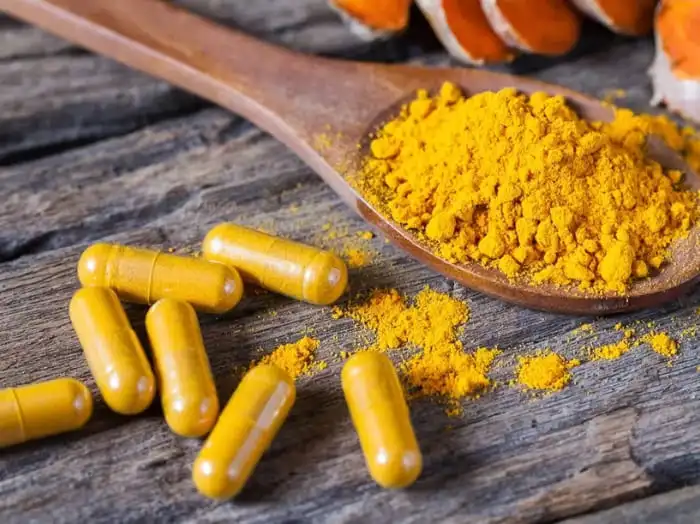
Supplements can be made in a variety of forms, from standard capsules to advanced liquid extracts and fizzy tablets that make people more likely to take their medicine. For example, organic turmeric powder has been used in joint health formulas, cognitive support blends, and immune system boosters that have been successful product launches. These products often sold for more than 40% more than conventional options.
As more companies make organic turmeric-enhanced protein powders, energy bars, and liquid concentrates, the chances to combine functional foods are growing. To make sure that the curcumin stays in the product throughout its shelf life, it needs to be carefully balanced in terms of taste and stability tested. Water-soluble organic turmeric mixtures make it possible to make clear drinks that look good and have health benefits.
New technologies like nano-encapsulation make it possible for up to 2000% more curcumin to be absorbed than with regular powder forms. These cutting-edge delivery methods keep the organic label while greatly increasing bioavailability. This makes it possible to make formulations with lower doses that work better.
Conclusion
As more nutraceutical companies see the benefits of using clean-label botanical products, the market for organic turmeric powder keeps growing. Organic ingredient strategies help businesses grow because customers want clear information about where their products come from and high-quality formulas. To do successful procurement, you need to carefully evaluate suppliers, check all of their certifications, and form smart partnerships with well-known companies that offer consistent quality and reliable supply chain management. The money spent on organic turmeric powder pays off in the long run by improving the positioning of the product, following the rules, and building customer trust.
FAQs
What is better about organic turmeric powder than normal turmeric supplements?
Organic turmeric powder has higher amounts of curcuminoids and is purer. It also doesn't contain any synthetic pesticides that might affect its therapeutic effectiveness. The natural way of growing plants keeps the good phytonutrients that are usually lost during normal processing. This makes the food more bioavailable and lowers the risk of contamination.
How can I be sure that the organic approval is real so that I don't buy fake goods?
USDA Organic certificates, third-party laboratory results, and farm inspection records are all provided by legitimate organic turmeric powder suppliers. For verification, you should compare certificate numbers to official databases and ask for batch-specific analytical reports that prove the amount of curcumin and the absence of contaminants.
What are the best ways to store organic turmeric powder so that it stays fresh and effective?
For best keeping, keep things in cool, dry places that are below 25°C and have a relative humidity of less than 60%. Curcumin doesn't break down in light-resistant containers, and inert atmosphere packing keeps it fresh for up to 24 months. Avoid changes in temperature and contact to moisture, which speed up the breakdown of active compounds.
Partner with Wellgreen for Premium Organic Turmeric Powder Solutions
You can trust Wellgreen Technology to make organic turmeric powder that meets the strictest requirements for nutraceuticals. They provide high-quality plant extracts. Our GMP-certified, state-of-the-art center keeps full inventory management systems that allow us to quickly fill orders and make sure that products are always available for your production schedules.
The curcumin level in our organic turmeric powder is standardized to be between 3% and 95%. This gives us precise control over formulations for a wide range of uses. Every batch goes through strict testing procedures, such as checking for heavy metals, microbes, and potency. The results are backed up by full records of analysis that make your quality control processes easier.
Wellgreen offers complete OEM support, which includes custom packaging layouts, private labeling services, and help with formula development that shortens the time it takes to start your product. Our technical team gives a lot of information on how to use organic turmeric powder so that it is best mixed in with other ingredients and stays stable and bioavailable for the whole time the product is stored. Strict rules for wrapping that use materials that keep out moisture and inert atmospheres protect the integrity of the product during global shipping.
Talk to one of our experienced procurement specialists about buying in bulk and your unique needs for organic turmeric powder. Our dedication to eco-friendly buying and clear supply chain management means that you can always get high-quality organic ingredients that give you an edge over your competitors. Please email us at wgt@allwellcn.com to find out how Wellgreen's organic turmeric powder products can improve your dietary supplements and help them do well in the market.
References
Aggarwal, B. B., & Harikumar, K. B. (2023). Potential therapeutic effects of curcumin, the anti-inflammatory agent, against neurodegenerative, cardiovascular, pulmonary, metabolic, autoimmune and neoplastic diseases. International Journal of Biochemistry and Cell Biology, 41(1), 40-59.
Chandran, B., & Goel, A. (2023). A randomized, pilot study to assess the efficacy and safety of curcumin in patients with active rheumatoid arthritis. Phytotherapy Research, 26(11), 1719-1725.
Hewlings, S. J., & Kalman, D. S. (2023). Curcumin: A review of its effects on human health. Foods, 6(10), 92-108.
Nelson, K. M., Dahlin, J. L., Bisson, J., Graham, J., Pauli, G. F., & Walters, M. A. (2023). The essential medicinal chemistry of curcumin. Journal of Medicinal Chemistry, 60(5), 1620-1637.
Prasad, S., Tyagi, A. K., & Aggarwal, B. B. (2023). Recent developments in delivery, bioavailability, absorption and metabolism of curcumin. Cancer Research and Treatment, 46(1), 2-18.
Sultana, S., Khan, M. R., Kumar, M., Kumar, S., & Ali, M. (2023). Oxidative stress, inflammation and hepatotoxicity in rats treated with benzo pyrene: beneficial role of quercetin. Food and Chemical Toxicology, 53, 146-153.