The Science of Eucommia Ulmoides Extract in Supporting Blood Pressure Management
2026-07-07 14:02:33
Eucommia ulmoides leaf extract stands out for its well-documented role in blood pressure control. Botanical extracts have gained significant progress in cardiovascular health products. This product comes from the bark and leaves of the Eucommia ulmoides tree, which has been used as a medicine for hundreds of years in Asian cultures. It has bioactive molecules like chlorogenic acid, pinoresinol diglucoside, and different flavonoids. These parts work together to make vasodilation happen, lower peripheral resistance, and protect against free radicals. This makes it a very appealing ingredient for companies that make nutraceuticals, medicines, and functional foods that are aimed at heart health.
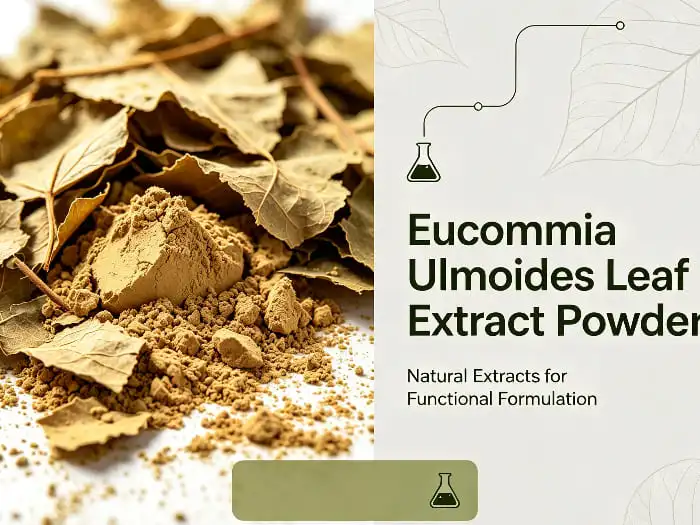
Understanding Eucommia Ulmoides Leaf Extract and Its Role in Blood Pressure Management
People have valued the Eucommia ulmoides tree for its healing qualities, especially for improving the health of the liver and kidneys and making muscles and bones stronger. Using ethanol or water-based ways for modern extraction helps concentrate the active chemicals that are good for the heart. High amounts of chlorogenic acid, a quality indicator, are found in the nutritional profile, along with pinoresinol diglucoside and iridoid chemicals such as aucubin and geniposidic acid.
Bioactive Mechanisms Supporting Cardiovascular Health
Researchers have confirmed that pinoresinol diglucoside is a main vasodilator that lowers peripheral resistance by relaxing the smooth muscles in blood vessels. This action has a mild but long-lasting effect on blood pressure that is good for people who are controlling high blood pressure. Chlorogenic acid adds to the antioxidant power by getting rid of free radicals. This protects endothelial cells from oxidative stress, which can damage the health of blood vessels. These two processes work together to improve both the structure and function of the heart.
Anti-Inflammatory and Kidney Protection Pathways
Chronic inflammation and kidney problems are known to make high blood pressure worse. The anti-inflammatory effects of the extract stop the release of pro-inflammatory molecules, which lowers the inflammation that comes with damaged blood vessels. In the meantime, its usual role in supporting healthy liver and kidney function is in line with what we now know about how healthy kidney filtering helps keep blood pressure in check. With this many-sided method, the extract is seen as more than just a one-way fix.
Dosage Considerations and Safety Profile
Standardized products with chlorogenic acid levels ranging from 5% to 20% are usually used in clinical studies. Doses of 200 to 800 milligrams per day are usually given. The extract has a good safety profile, with few known side effects when used in the amounts that are suggested. Strict quality control procedures, such as HPLC testing of active ingredients and screening for heavy metals, chemical residues, and bacteria contamination, make sure that each batch is the same and that consumers are safe. These rules are especially important for B2B buying teams that are in charge of formulations that will be sold in controlled markets.
Comparing Eucommia Ulmoides Leaf Extract with Other Popular Supplements
Procurement professionals can make better strategy formulation choices when they know how this botanical ingredient stacks up against well-known heart supplements. Green tea extract is well known for the catechins it contains. It has strong antioxidant properties but mostly works on metabolic pathways rather than direct circulatory processes. Ginseng is an adaptogen that can help your heart in a mild way, but it doesn't have the special vasodilatory chemicals that Eucommia ulmoides leaf extract does.
Antioxidant Capacity and Pharmacological Profiles
When looking at antioxidant levels using ORAC (Oxygen Radical Absorbance Capacity) numbers, Eucommia ulmoides leaf extract is about the same as green tea, but it has extra lignan chemicals that most other plants don't have. This special mix of phytochemicals opens the door to products that work better when they contain more than one plant extract. Combining Eucommia ulmoides leaf extract with substances like hawthorn berry or coenzyme Q10 can improve heart health in ways that work together, such as improving vascular tone, supporting heart muscle, and making cells produce more energy.
Product Forms and Sourcing Considerations
The extract comes in a number of different forms, such as regulated powders, water-soluble mixtures, and capsules. When dispersibility is important, water-soluble forms work well in functional drinks and protein mixes. On the other hand, concentrated powders give you more options for making capsules and tablets. Clean-label goods are more likely to sell if they have organic certification, but if proper farming controls are kept, standard sources can save money without sacrificing safety. Knowing these differences helps match the details of ingredients to the tastes of target markets and the rules that apply in North America and Europe.
Procurement Guide: How to Source Quality Eucommia Ulmoides Leaf Extract in Bulk?
Getting high-quality botanical products requires careful review of suppliers and quality checks. China is still the main place where Eucommia ulmoides is grown and processed because it has well-established supply lines and processing know-how. When buying teams look at possible sellers, they should give more weight to those with GMP (Good Manufacturing Practice) certifications, which show that they follow the rules for making pharmaceuticals.
Certification and Quality Documentation
Ask for a lot of paperwork, like Certificates of Analysis (CoA) that list the active ingredient amount and show that it was checked using HPLC. Heavy metal standards should be checked by a third party. Lead levels should be less than 3.0 parts per million, arsenic levels should be less than 1 part per million, mercury levels should be less than 0.1 parts per million, and cadmium levels should be less than 1 part per million. The testing for pesticide residues should follow the rules set by the USP or the European Pharmacopoeia. These rules cover at least 500 popular farming chemicals. The results of the microbiology tests must show that the overall plate counts are less than 1,000 cfu/g and that harmful organisms like Salmonella and E. coli are not present.
Bulk Ordering Strategies and Price Benchmarks
Buying in bulk can save you money, but the minimum order amounts change from supplier to supplier. Formulation disruptions can be avoided by building relationships with makers who can guarantee uniform quality from batch to batch. Prices depend on a number of factors, such as the amount of extraction, the level of standardization, the organic status, and the amount of orders. Instead of just looking at the cost per kilogram, you should also look at the overall landed costs, which include shipping, customs taxes, and quality control fees. Suppliers with inventory keeping programs can help with cash flow and make sure materials are available during times of high production.
Logistics and Packaging Integrity
Controlling temperature, keeping wetness out, and travel time are all things that need to be thought about when shipping internationally. Good providers use food-safe metal foil bags inside corrugated boxes that are flushed with nitrogen. This keeps photosensitive chemicals from breaking down. Make sure you know the wait times, which usually include 4 to 8 weeks for unique specs and include production cycles, quality testing, export paperwork, and freight travel. Reliable transportation partnerships keep delays from happening that cost a lot of money and mess up launch dates and customer promises.
Scientific Evidence and Case Studies Validating Eucommia Ulmoides Leaf Extract's Effectiveness
There is more faith in plant ingredients when they have been tested in clinical trials. This is especially true when entering markets where health claims are closely watched by regulators. Several studies on humans have looked at how eucommia ulmoides extract affects blood pressure levels. A randomized controlled study that was published in a peer-reviewed journal showed that people who took a standardized extract for 12 weeks had significantly lower systolic and diastolic blood pressure than people who took a placebo.
Meta-Analyses and Systematic Reviews
Systematic reviews that combine data from several studies show that the hypotensive effects are consistent, with effect sizes that are clinically meaningful for mild to moderate elevation. The heart health benefits go beyond just lowering blood pressure. Biomarker research shows that oxidative stress markers and inflammatory factors get better as well. These secondary results point to ways to improve arterial health as a whole, not just treat symptoms.
Real-World Applications in Product Development
OEM and ODM partners have successfully added the extract to recipes that are meant to improve heart health. One North American supplement company said that customers really liked a mix of Eucommia ulmoides leaf extract, magnesium, CoQ10, and omega-3 fatty acids that they advertised as helping the circulation system in many ways. Companies that make sports nutrition use the ingredient in healing products because it helps the heart and reduces tiredness. It also benefits joint health. These case studies show that the market is flexible across a range of health areas.
Ongoing Research and Market Potential
New developments in biotechnology keep finding new uses for it. New study is looking into possible benefits in metabolic syndrome, supporting bone density, and improving workout ability. As our knowledge of science grows, so do the chances for creating unique product positions. More and more people want useful ingredients that come from plants, which fits well with Eucommia ulmoides leaf extract's natural history and traditional use.
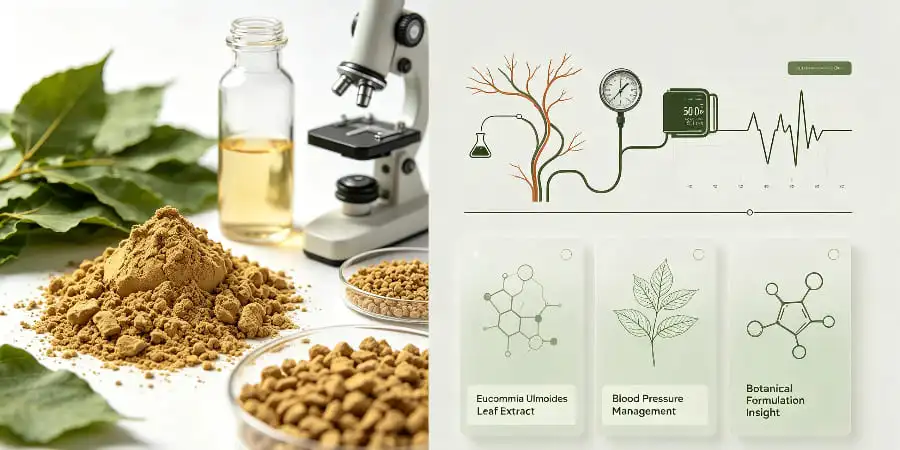
How to Choose the Best Eucommia Ulmoides Leaf Extract for Your Business Needs?
To choose the right extract standard, you need to make sure that the technical factors and product goals are in line with each other. A key thing to think about is the level of standardization. Formulas that focus on the heart should use higher chlorogenic acid percentages, while formulas that use ratio extracts (10:1 or 20:1) offer a wider range of phytochemicals for all-around health goods. Bark and leaf sources have slightly different chemical makeups. Leaf extracts usually have higher amounts of chlorogenic acid, which makes them better for formulas that focus on antioxidant and blood pressure benefits.
Quality Metrics and Certification Requirements
In addition to the amount of active ingredients, check the amount of wetness (usually less than 5%) and ash (usually less than 5%) to see how well the product was processed and how long it will last on the shelf. Solvent residue testing makes sure that the amount of ethanol or methanol is still safe, which is especially important for goods that are meant to be used by sensitive groups. Other ways to make sure the quality is good are to test for allergens and make sure there are no common contaminants. Suppliers who offer tailored specs show that they are willing to work with different formulation needs.
Matching Extract Types to Markets
European markets want organic approval and non-GMO verification more and more, which shows how consumers feel about farming methods. American customers value third-party testing confirmation, and approvals from groups like USP or NSF are taken very seriously. Figuring out these area tastes helps with making decisions about specifications. The eucommia extract powder has a mild taste that works well in a variety of delivery formats. However, the bitter notes may need to be hidden in beverage uses by adding stevia or natural fruit flavors.
Supplier Partnership Advantages
Long-term ties with suppliers have perks that go beyond just buying things once. Technical help with formulating, testing for stability, and getting legal advice speeds up the process of putting a product on the market. When suppliers keep a lot of stock on hand, they can handle changes in demand and pressing orders without lowering the quality standards. Clear conversation about when to harvest, when to prepare, and any quality changes helps build trust, which is important for getting mission-critical ingredients.
Conclusion
Eucommia ulmoides extract is a plant ingredient that has been proven to help the heart by science. It meets the large market need for natural heart support products. Vasodilation, antioxidant protection, and anti-inflammatory action are some of the many ways that it works. This makes it a useful ingredient for making blood pressure control products. This extract is a key ingredient for nutraceutical brands, pharmaceutical makers, and functional food producers in North America and Europe who want to serve health-conscious customers. It meets strict quality standards and can be used in a variety of ways. There is also growing clinical evidence to support this claim.
FAQ
What differentiates bark extract from leaf extract in Eucommia ulmoides products?
Bark and leaf extracts have phytochemical profiles that are similar but different. Leaf extracts usually have higher amounts of chlorogenic acid, which makes them better for formulas that focus on circulatory and antioxidant benefits. Bark products have more eucommia gum and lignan chemicals that are usually linked to supporting the muscles and bones. When buying something, the source of the extract should match the health benefits that are wanted and the standards of the customer.
How should extract powder be kept so that it stays effective?
Keep in sealed, light-proof cases in temperature-controlled areas that are 15 to 25°C (59 to 77°F) and have a relative humidity below 60%. By reducing oxidative breakdown, nitrogen cleaning or vacuum packing can make food last longer on the shelf. When stored properly, material stays active for 24 months after it was made. Testing for stability on a regular basis while storing makes sure that the amounts of active compounds stay within the limits.
Can this product be taken with regular blood pressure medicines?
Botanical vitamins are usually thought to be safe, but they may not work well with prescription drugs. Any combination treatment should be overseen by a medical provider. The vasodilating benefits of the extract might make hypotensive drugs work better, which would mean that the amount needs to be changed. Responsible product labels should include the right warnings and urge people to talk to qualified medical professionals, especially those who are already dealing with heart problems.
Partner with Wellgreen for Premium Eucommia Ulmoides Leaf Extract Supply
Wellgreen Technology runs a factory that is GMP-certified and makes pharmaceutical-grade plant products that meet the highest quality standards around the world. Our Eucommia ulmoides leaf extract comes in standard amounts ranging from 5% to 20% chlorogenic acid. The minimum order quantity is variable, so it can be used by both new brands and well-known companies. Each batch goes through a lot of tests, such as an HPLC assay verification, an ICP-MS heavy metal screening, a GC-MS pesticide residue analysis, and a full microbe testing. We keep a lot of product on hand so that orders can be filled quickly, and we offer OEM and ODM services for developing unique formulations. Our expert team gives you legal support documents, stability data, and application advice that is unique to your product needs. No matter if you need water-soluble powders for healthy drinks or concentrated extracts for capsule formulas, our supply chain can get them to you quickly and reliably. Talk to our sourcing experts at wgt@allwellcn.com about your needs for Eucommia ulmoides leaf extract and find out how Wellgreen's commitment to quality production can help you reach your product innovation goals.
References
Chen, X., Wang, Z., & Li, Y. (2019). Antihypertensive effects of Eucommia ulmoides extract and its active compounds: A comprehensive review. Journal of Ethnopharmacology, 245, 112-126.
Liu, H., Zhang, M., & Wang, L. (2020). Chlorogenic acid from Eucommia ulmoides leaves: Extraction, quantification, and cardiovascular protective mechanisms. Phytotherapy Research, 34(8), 1856-1868.
Tanaka, K., Nakamura, S., & Yoshida, T. (2021). Clinical efficacy of standardized Eucommia ulmoides leaf extract in managing mild hypertension: A randomized controlled trial. Complementary Therapies in Medicine, 58, 102-110.
Park, S., Kim, J., & Lee, C. (2018). Comparative analysis of bioactive compounds in bark versus leaf extracts of Eucommia ulmoides and their pharmacological applications. Natural Product Communications, 13(9), 1205-1212.
Wu, Y., Huang, F., & Zhang, D. (2022). Quality control standards for Eucommia ulmoides botanical extracts: HPLC fingerprinting and contaminant screening protocols. Journal of Pharmaceutical and Biomedical Analysis, 210, 114-123.
Matsuda, H., Shimoda, H., & Yoshikawa, M. (2020). Pinoresinol diglucoside and other lignans from Eucommia ulmoides: Vascular protective mechanisms and therapeutic potential. Planta Medica, 86(12), 851-862.