The Ultimate Guide to Understanding Garlic Extract
2026-06-09 14:00:00
One of the botanical products that nutraceutical brands, pharmaceutical companies, and functional food companies can use that has been scientifically proven to work is garlic extract. This concentrated ingredient comes from Allium sativum bulbs and is made using advanced extraction methods. It contains strong beneficial compounds, mostly allicin, alliin, and organosulfur molecules, which are good for your heart, immune system, and killing microbes. When purchasing materials for supplements, functional drinks, or animal nutrition solutions, it's important for procurement professionals to know about the technical specs, quality indicators, and different uses of garlic extract. This is because it's important to formulate well and follow the rules.
What is Garlic Extract? A Comprehensive Overview
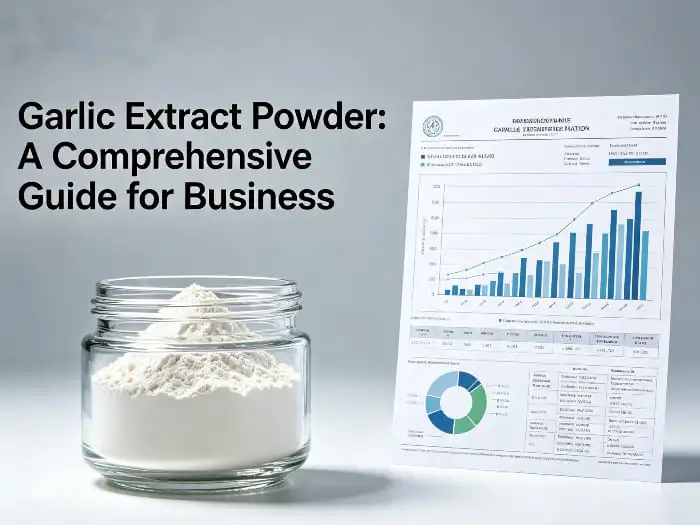
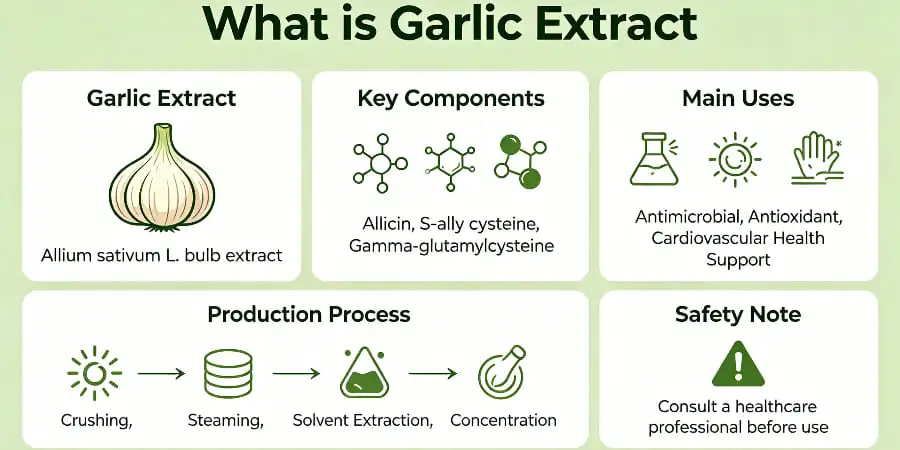
Garlic extract is a standard plant ingredient that comes from bioactive sulfur compounds that are concentrated in fresh or old garlic bulbs through controlled extraction methods. Professionally made extracts, on the other hand, are made by extracting garlic in water or alcohol and then spray drying it. This makes a fine, stable powder with known amounts of active ingredients.
Core Bioactive Compounds and Their Mechanisms
Because of its special organosulfur chemistry, garlic extract has medicinal properties. When garlic cells break, an enzyme changes alliin, a stable sulfoxide amino acid that is naturally found in whole garlic tissue, into allicin. The smell and antimicrobial qualities are released during this change. But allicin itself is very unstable at room temperature and breaks down in hours. Modern processing methods have made it possible to stabilize these chemicals or change them into longer-lasting forms, such as S-allyl cysteine (SAC), which is especially useful in aged garlic products.
Recent clinical studies show that standardized garlic extracts with 1.3% alliin or 0.6% allicin potential can lower LDL cholesterol levels and help keep blood pressure in a safe range. The sulfur molecules make nitric oxide more bioavailable, which helps blood vessels widen and circulation get better. Because of these effects, garlic extract is especially useful for heart health products aimed at older people.
Nutritional Profile and Quality Markers
Standardized amounts of total sulfur compounds in high-quality garlic extract powder are usually between 1.0% and 3.5%. The moisture content is kept below 5.0% to keep the powder stable on the shelf. The best grades meet the standards set by the USP or the European Pharmacopoeia. This makes sure that each batch is the same, which is very important for making controlled supplements. It is important for procurement managers to check that certificates of analysis prove the presence of allicin, heavy metals through ICP-MS testing, and microbial counts that are within acceptable levels for food ingredients.
When compared to raw garlic, garlic extract has several technical benefits. It increases bioavailability by reducing particle size, gets rid of irritating volatile oils to improve tolerance, and gets rid of the strong smell that keeps people from liking it in pills and functional foods. These improvements to the processes deal with common formulation issues while keeping the therapeutic effectiveness.
Comparing Garlic Extract with Other Garlic Forms: Making the Right Choice
When product makers have to choose between different formats for garlic ingredients, they have to make important choices. Each form has its own pros and cons that affect how easy it is to formulate, how much it costs to make, and how the end user feels.
Extract Versus Powder and Oil
Standard garlic powder, which is made by dehydrating and grinding garlic, has about 0.3% to 0.5% alliin, but it is not standardized and varies a lot from batch to batch. On the other hand, garlic extract powder is concentrated and standardized, which makes it contain 3–10 times more active compounds per gram. This concentration lets lower inclusion rates happen in finished goods, which cuts down on capsule size and makes label claims more accurate.
There are a lot of volatile sulfur compounds in garlic essential oil, but they are hard to dissolve in water and often need to be encapsulated to hide the smell. Garlic extract powders that are water-soluble and made with spray-dried carriers work well in drinks, functional drink mixes, and liquid supplements. This is a huge benefit for functional food companies that want to make ready-to-drink health goods.
Aged Garlic Extract: A Specialized Alternative
Long-term fermentation at controlled temperatures turns unstable allicin into stable SAC in aged garlic extract (AGE). This happens through Maillard processes. This process of aging gets rid of strong smells and stomach problems while increasing the antioxidant capacity. Because AGE has been shown to help with chronic cardiovascular conditions in clinical studies, pharmaceutical businesses that are making evidence-based nutraceuticals prefer it. Also, as things age, the amount of polyphenols they contain rises tenfold compared to when they were first extracted. This means they can get rid of ten times as many free radicals, which is useful for anti-aging products.
Organic Versus Conventional Sourcing
Organic certification is very valuable for brands that want to reach high-end customers and foreign markets with strict rules about pesticide residues. Organic garlic extract costs more, but it meets the growing demand from customers for clear labels. When bought from reliable companies with tested and proven testing methods, conventional extracts are a cheap option for mass-market supplement lines. Directors of procurement have to weigh the costs of licensing against the needs of the target market and the need to make a profit.
How to Use Garlic Extract Effectively: Dosage, Safety, and Side Effects
To turn scientific data into useful formulation instructions, you need to know the therapeutic dose ranges, safety parameters, and possible interactions.
Evidence-Based Dosage Recommendations
Garlic extract doses of 600 to 1,200 mg per day, standardized to 1.3% alliin, have been used regularly in clinical trials to improve cardiovascular health. Formulations that help the immune system usually have 300 to 600 mg daily, along with other plants like blackberry or echinacea. Incorporating between 0.5 kg and 2 kg per metric ton of complete feed can kill microbes in animal nutrition, especially for chicken, pig, and aquaculture feeds. This can be done instead of synthetic antibiotic growth promoters.
Product developers can use these dosage factors as a good starting point for making prototypes, as long as they are put through stability tests and bioavailability studies that are specific to the delivery format. Enteric-coated pills and delayed-release capsules are the best ways to get allicin into the body because they get it past the stomach's acidic environment.
Safety Considerations and Contraindications
When tested on clinical groups, garlic extract has great safety profiles. At high doses, the most common side effect is mild stomach pain. But because it lowers platelets, people who are taking medicines that do the same thing should be careful. Regulatory affairs teams should make sure that products with therapeutic amounts of garlic extract powder have the right warning labels.
Women who are pregnant or breastfeeding should talk to their doctors before taking concentrated garlic pills. Eating garlic in food is still safe. Quality control managers have to make sure that the amount of heavy metals in food stays below the limits set by the FDA and the EU. They need to pay special attention to the levels of lead and cadmium that can build up in garlic grown in grounds that are polluted.
Storage and Handling for Bulk Buyers
To keep the allicin potential during storage, you need to keep an eye on the temperature, wetness, and light exposure. It is best to keep bulk garlic extract powder in cool, dry stores below 25°C, in containers that are sealed and have desiccant packets inside them. Because it is hygroscopic, powder that is exposed to air quickly takes moisture from the air, breaking down active compounds. First-in, first-out rotation should be required by warehouse rules, and containers that have been opened should be resealed right away and used within 90 days. These ways of handling ingredients keep their potency throughout the manufacturing process, making sure that finished goods meet the claims on the label when they go bad.
Procuring Garlic Extract: A B2B Buyer's Guide to Quality and Supply
For sourcing relationships to work, suppliers must be carefully screened, quality documentation must be clear, and business terms must match production needs.
Evaluating Manufacturers and Certifications
When procurement teams are looking for garlic extract suppliers, they should give preference to companies that run GMP-certified plants and have proven extraction methods. ISO 22000 approval means that food safety management systems are strong, which is especially important for ingredients that go into functional foods and dietary supplements. Organic certifications from the USDA, the EU, or similar groups make sure that high-quality products meet strict standards for growing and handling.
Ask for full technical information, such as detailed specs, allergen statements, BSE/TSE declarations, and batch analytical results. Reliable makers give certificates of analysis for each production lot that show that the product was tested for identity using HPLC, heavy metals, pesticide residues, and microbial contamination. This information is the basis of your ingredient approval file, which you need to send to the government.
Commercial Terms and Supply Chain Considerations
For first tests, the smallest amount of garlic extract powder that can be ordered is usually between 25 and 100 kilograms. For large production orders, the smallest amount that can be ordered is 500 kilograms. Lead times range from two to four weeks for stock items to six to eight weeks for special standardizations or organic grades that need to be made in small batches. Setting up framework agreements with tiered pricing structures rewards customers for their volume promises and makes sure they get a spot during times of high demand.
For established accounts, payment terms usually follow a 30-day net arrangement. Letters of credit can be used for first purchases. Negotiate quality guarantees that cover replacement or credit for materials that don't meet specifications. This will protect production plans from supply problems. Wellgreen Technology keeps a large stock of standard garlic extract grades, so they can quickly meet pressing production needs and also offer custom extraction services for unique formulas.
Future Trends and Innovations in Garlic Extract for B2B Markets
The botanical extract business keeps moving forward thanks to new technologies, changing rules, and more scientific proof.
Emerging Extraction Technologies
Next-generation processing methods like supercritical CO2 extraction and subcritical water extraction get rid of organic solvent residues and carefully control phytochemical profiles. Clean-label market trends are supported by these clean extraction technologies, which also have less of an effect on the environment, making them appealing to brands that care about sustainability. Encapsulation technologies that use cyclodextrin complexation or liposomal delivery systems improve bioavailability and hide residual smell, which means that these technologies can be used in more forms, like gummies and chewables.
Using enzyme modification methods, we can now make versions of garlic extract powder that don't smell bad but still have all the allicin-boosting potential. This solves the problem of getting people to buy it, which has been holding back market growth. Because of these improvements, formulators can now add therapeutic amounts of garlic to goods that wouldn't have worked with garlic's smell before.
Regulatory Landscape and Health Claim Opportunities
The European Food Safety Authority (EFSA) and the Food and Drug Administration (FDA) are still looking into health claim dossiers for garlic ingredients. The most well-supported benefit groups are cardiovascular and immune function. Manufacturers who are proactive invest in clinical study to show that their proprietary extracts work, which sets them apart in the market for competitive ingredients. Pharmaceutical companies are looking more and more at garlic extract as a possible botanical drug option. They need materials that are pharmaceutical-grade and meet strict purity standards.
Animal nutrition applications are growing very quickly, especially in Asian and European markets, thanks to the push toward raising animals without antibiotics. When garlic extract is mixed with other plants like yucca and soapberry, it makes natural antibiotic replacement programs that improve gut health, growth performance, and disease protection in farms that raise chickens, pigs, and fish. This application sector has a lot of volume possibilities for ingredient suppliers who are ready to follow the rules for agricultural feed additives.
Conclusion
Garlic extract stands as a scientifically validated, commercially viable botanical ingredient addressing diverse applications across nutraceutical, pharmaceutical, functional food, cosmetic, and animal nutrition sectors. Understanding the technical distinctions between extract types, quality markers, and application requirements empowers procurement professionals to make informed sourcing decisions that balance efficacy, regulatory compliance, and cost efficiency. As extraction technologies advance and clinical evidence expands, garlic extract continues demonstrating versatility that meets evolving market demands for natural, effective ingredients backed by rigorous science and transparent quality systems.
FAQ
What differentiates garlic extract from garlic oil?
Garlic extract is a concentrated powder produced through aqueous or ethanolic extraction, standardized to alliin or allicin content, offering water solubility and precise dosing. Garlic essential oil contains volatile sulfur compounds in lipid form, requiring encapsulation and presenting solubility limitations in aqueous formulations. Extract provides superior stability and broader application compatibility.
Can garlic extract be used safely during pregnancy?
While culinary garlic consumption remains safe, concentrated garlic extract supplements should be used only under medical supervision during pregnancy due to limited clinical data on high-dose exposure during gestation. Conservative recommendations suggest avoiding therapeutic doses during pregnancy and lactation.
How should bulk garlic extract powder be stored to maintain potency?
Store in airtight containers with desiccant in cool, dry conditions below 25°C, away from direct light. Hygroscopic nature necessitates immediate resealing after opening. Under proper conditions, quality extracts maintain allicin potential for 24-36 months, though regular potency testing confirms continued specification compliance.
Partner With Wellgreen for Premium Garlic Extract Supply
Wellgreen Technology serves as your trusted garlic extract manufacturer, delivering GMP-certified botanical ingredients that meet the rigorous demands of nutraceutical, pharmaceutical, and functional food applications. Our extensive inventory includes standardized garlic extract powder ranging from 1.0% to 3.5% alliin content, odorless variants, and water-soluble grades optimized for beverage formulations. Complete documentation packages include ISO certifications, organic credentials, and comprehensive testing reports ensuring regulatory compliance across global markets. Contact our technical team at wgt@allwellcn.com to request samples, discuss custom standardizations, or explore OEM solutions tailored to your formulation requirements.
References
Banerjee, S.K. and Maulik, S.K. (2002). Effect of garlic on cardiovascular disorders: a review. Nutrition Journal, 1(1), 4-14.
Lawson, L.D. and Hunsaker, S.M. (2018). Allicin bioavailability and bioequivalence from garlic supplements and garlic foods. Nutrients, 10(7), 812-829.
Ried, K. and Fakler, P. (2014). Potential of garlic (Allium sativum) in lowering high blood pressure: mechanisms of action and clinical relevance. Integrated Blood Pressure Control, 7, 71-82.
Amagase, H. (2006). Clarifying the real bioactive constituents of garlic. Journal of Nutrition, 136(3), 716S-725S.
Santhosha, S.G., Jamuna, P., and Prabhavathi, S.N. (2013). Bioactive components of garlic and their physiological role in health maintenance. Food Bioscience, 3, 59-74.
Khatua, T.N., Padiya, R., and Banerjee, S.K. (2019). Garlic and cardioprotection: insights into the molecular mechanisms. Canadian Journal of Physiology and Pharmacology, 97(8), 754-765.