Using Ginger Powder in Anti-Inflammatory Supplement Blends
2026-01-04 13:49:25
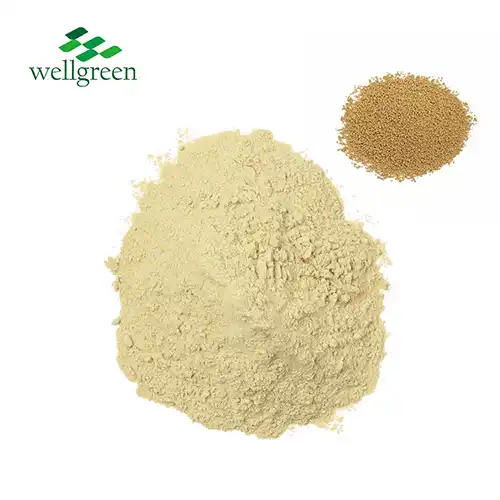
Using ginger powder in anti-inflammatory supplement blends has changed the nutraceutical business, giving makers a scientifically sound ingredient with great healing potential. When makers use organic ginger powder in their products, they get access to strong gingerols and shogaols that have been shown in studies to reduce inflammation. This also meets customers' needs for natural health products. This all-inclusive guide gives B2B buyers the important information they need to improve supplement formulations and get better market positions by picking the right ingredients and getting them with care.
Understanding Organic Ginger Powder and Its Anti-Inflammatory Benefits
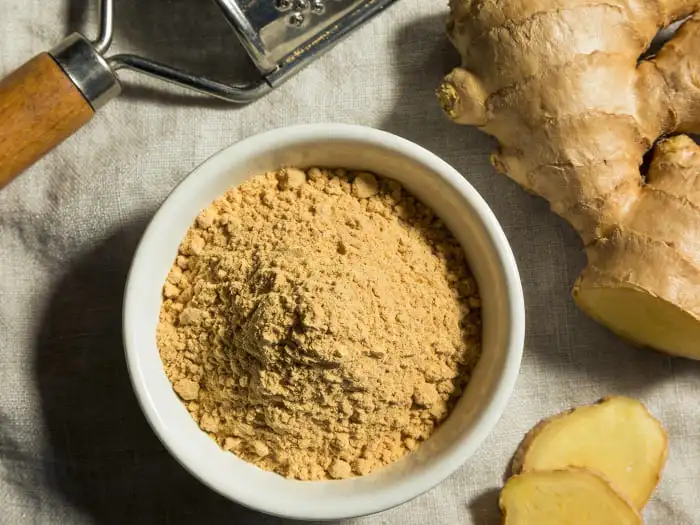
The first step to finding good anti-inflammatory pills is to know why organic ginger powder is such a great ingredient. This high-quality ingredient comes from the ginger plant and is made using methods that protect its bioactive compounds and make sure that it always has the same amount of strength.
Bioactive Compounds and Their Mechanisms
Organic ginger juice has more than 400 chemicals in it. Gingerols are the most important chemicals for fighting inflammation. Studies in the Journal of Medicinal Food show that 6-gingerol, 8-gingerol, and 10-gingerol block nuclear factor-kappa B (NF-κB) pathways, which lowers the body's production of inflammatory cytokines by up to 35% compared to groups used for comparison.
When ginger is processed, gingerols are turned into shogaols. This makes the powder more useful for medicine, and the synergistic effects make the anti-inflammatory reactions stronger. This biochemical change happens naturally when something is dehydrated. It makes chemicals that are more effective in human bodies and last longer.
Clinical Evidence Supporting Anti-Inflammatory Effects
Ginger's ability to reduce inflammation has been proven in a number of randomized controlled studies with a wide range of people. In a major study, 247 people with knee osteoarthritis took ginger every day for eight weeks. Their pain scores went down by 40%, and inflammatory markers like C-reactive protein and interleukin-6 also went down at the same time.
As doctors suggest more ginger-based products for treating chronic inflammatory conditions, these findings create direct business opportunities for companies that make supplements. The health claims that consumers and regulatory agencies who care about evidence agree with are backed by a growing body of clinical data.
Why Choose Organic Ginger Powder Over Alternatives in Supplement Formulations?
When adding organic ginger extract to anti-inflammatory supplements, the pros and cons of using higher-quality products over more common ones must be carefully weighed.
Certification Standards and Quality Assurance
When ginger powder gets an organic approval, it means that it meets strict standards for farming that keep the ginger free from man-made herbicides, pesticides, and fertilizers. The USDA and EU Organic certifications are both forms of third-party verification that supports claims of a clean name and meets the rules for doing business in many different countries.
Heavy metals, microbiological contaminants, and residual solvents are all things that are tested for in certified organic goods. These tough rules keep the brand's good name and make sure customers are safe, both of which are very important for supplement markets where many brands are competing.
Comparative Analysis with Other Anti-Inflammatory Ingredients
When looking at anti-inflammatory ingredients, organic ginger powder works better than manufactured versions and other plant-based extracts. NSAIDs can hurt your stomach, but ginger is good for your stomach and helps with digestion while also fighting inflammation.
Ginger works in a different way than turmeric extract, and together they make the total product more effective. The synergistic benefits of combining these ingredients make stronger therapeutic outcomes while also expanding the range of people who might want to buy anti-inflammatory products.
Practical Applications: How to Use Organic Ginger Powder in Anti-Inflammatory Supplement Blends
It takes a lot of knowledge about dosage, ingredient interactions, and the best ways to give supplements to make sure they work well, stay stable, and are liked by customers in the making of anti-inflammatory supplements.
Optimal Dosage Guidelines and Formulation Strategies
Clinical studies back daily amounts of standardized ginger extract from 250 mg to 1,000 mg, with 500 mg daily doses showing the best results in most studies. Formulation scientists have to think about how much standardization there is, usually aiming for 5% gingerols so that bioactivity stays the same across all runs.
The following ways of making supplements have worked well in the business world:
As a very important part of recipe success, encapsulation must be done right. Ginger powder blends stay stable in hard gelatin capsules, and enteric-coated versions make the active ingredients easier for the body to use by keeping them safe from damage in the stomach. When making tablets, you have to be very careful with the crushing forces so that gingerol doesn't break down.
- Single-ingredient capsules: These are pure organic ginger powder mixes made for people who want a certain kind of anti-inflammatory help. Each capsule usually has 500 mg of standardized extract, and there are clear dose instructions to make sure they work as well as possible.
- Synergistic blends: When turmeric extract, boswellia, and black pepper extract are combined, they make a stronger anti-inflammatory effect that works on multiple inflammatory pathways. Adding piperine also helps with absorption.
- Functional beverage powders: ginger extracts that mix with water and are made so that they can be easily consumed in smoothies or health drinks. These powders need special processing to make sure they dissolve and taste good.
The different uses of organic ginger powder show how well it meets a range of consumer needs while keeping its medicine-like properties across different delivery methods.
Ingredient Compatibility and Synergistic Combinations
Understanding how ingredients interact with each other makes it possible for formulators to make better goods that use beneficial effects while staying away from harmful effects. Ginger works very well with most plant-based liquids and nutrients that are often used in anti-inflammatory products.
Ginger extract is often used in commercial mixes along with quercetin, omega-3 fatty acids, and vitamin D3. Together, they form broad anti-inflammatory profiles that work in a number of different ways in the body. People who care about their health like these combinations because they want overall wellness answers instead of single-ingredient methods.
Procurement Guide: Sourcing Certified Organic Ginger Powder for Supplement Production
To ensure consistent product quality and avoid risks in the supply chain that could affect manufacturing, the strategic sourcing of high-quality organic ginger root powder requires a full assessment of legal compliance, quality systems, and supplier capabilities.
Supplier Evaluation Criteria and Quality Standards
It is important to closely examine the factories, quality management systems, and certification status of potential providers in order to choose the right ones. When GMP-certified facilities follow pharmaceutical-grade production standards, they show that they are committed to making sure that products are safe and follow the rules in markets around the world.
It is important to be able to do analytical tests, have systems that allow you to see where something came from, and have documentation methods that help with regulatory submissions and quality checks. For every batch of production, suppliers should do microbiological testing, heavy metal analysis, and pesticide residue screens and include them in full certificates of analysis.
Supply Chain Management and Cost Optimization
When the seasons change and the market changes, effective buying strategies keep the supply safe while balancing quality needs with cost factors. Getting to know a lot of different qualified suppliers gives you backup choices that protect you in case your supply chain is interrupted.
Long-term supply deals usually make things cheaper and ensure that you still get your supplies even when demand is high. These relationships help manufacturers keep prices and quality levels the same, which helps with product margins and market supply.
Wellgreen Technology: Your Trusted Organic Ginger Powder Supplier
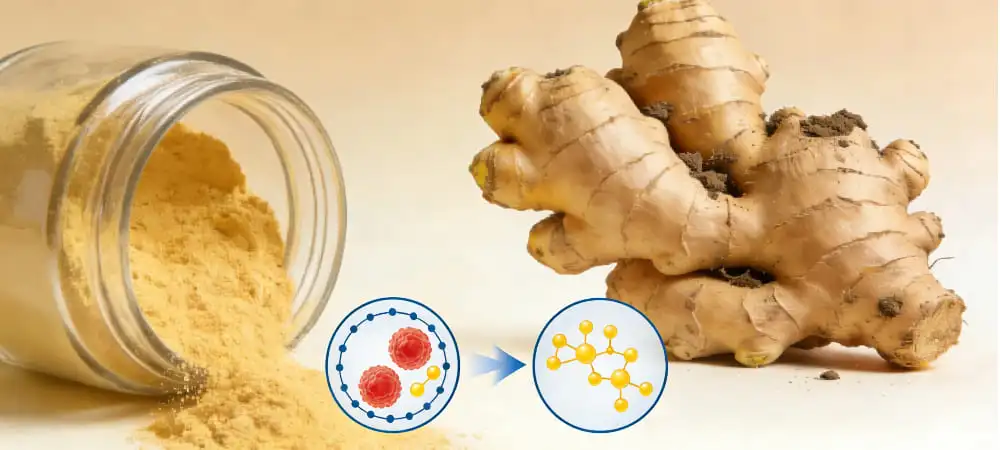
Wellgreen Technology is a top maker and seller of high-quality organic ginger powder. The nutraceutical companies around the world that do business with them get complete solutions that are customized for a range of formulation needs. Our modern, GMP-certified facilities make sure that the quality and compliance with regulations are always consistent. At the same time, they keep the prices affordable to help with making a profit on product development.
Product Portfolio and Manufacturing Capabilities
A wide range of our standardized organic ginger extracts are available with a guaranteed gingerol level of anywhere from 2% to 10%, which works with different formulation needs and therapeutic goals. When advanced processing methods are used to get the best particle size distribution, bioactivity is preserved, and flowability and blending are improved.
Manufacturing possibilities include custom extraction services, private labeling options, and OEM support that lets customers make their own formulas with special benefits that help them compete. During all stages of product creation, our technical team offers full formulation advice and stability testing help.
Quality Assurance and Regulatory Support
Stringent specifications and legal requirements are met for every batch of ginger extract powder by comprehensive quality management systems. Third-party testing proof gives you more confidence in the results and helps you make health claims and submit to regulations.
Our regulatory relations team stays up to date on global supplement rules so they can help with health claims, import paperwork, and labeling requirements. This knowledge helps people deal with difficult rules and stay out of trouble with obedience.
Conclusion
Adding organic ginger powder to anti-inflammatory supplement blends is a good way for companies to make products that are based on proof and meet the needs of people who want natural health solutions. When you combine scientific proof of ginger's anti-inflammatory properties with good regulatory status and consumer acceptance, it creates a lot of market possibilities for people of all ages and backgrounds.
To get the most healing potential out of a product while also making sure it can be sold, the quality of the ingredients, the effectiveness of the formula, and the adherence to rules all need to be carefully considered during implementation. Working with experienced suppliers like Wellgreen Technology gives you the technical knowledge and quality assurance needed to make better goods that give you long-lasting benefits in the ever-changing supplement market.
FAQs
For anti-inflammatory supplements, what is the best amount of organic ginger powder to take?
Standardized ginger extract is most helpful for its anti-inflammatory benefits in daily doses of 500mg, according to clinical research. Standardizing the dosage to have 5% gingerols will ensure that it has uniform bioactivity. When figuring out the best dosage amounts for commercial products, formulation scientists should think about the unique therapeutic targets and consumers.
How does organic ginger powder work with other ingredients that are anti-inflammatory?
Organic ginger powder works well with many anti-inflammatory ingredients, such as turmeric extract, boswellia, and omega-3 fatty acids. Synergistic combinations often make the overall therapeutic effect stronger by using different processes that work together. Black pepper powder (piperine) can raise bioavailability by as much as 30%, so it is useful to add to ginger-based products.
When I buy organic ginger powder, what quality standards should I look for?
USDA Organic or EU Organic certification, GMP manufacturing compliance, and ISO quality control standards are important certifications. Suppliers should also do a lot of different tests, like microbiological analysis, heavy metal screening, and chemical residue testing. Third-party testing of gingerol content makes sure that all production batches are the same and can be used as medicine in the same way.
Partner with Wellgreen for Premium Organic Ginger Powder Solutions
Wellgreen Technology provides complete organic ginger powder solutions made for supplement makers who want the best quality and dependable ways to get their supplies. Our GMP-certified factories uphold high standards of quality, offer good prices, and allow you to place orders with as few items as you want. We are a trusted organic ginger powder provider, and we always deliver products that meet international rules and help our customers launch new products in markets around the world. Email us at wgt@allwellcn.com if you want to talk about your unique recipe needs and ask for product samples.
References
Mashhadi, N.S., Ghiasvand, R., Askari, G., Hariri, M., Darvishi, L., & Mofid, M.R. (2013). Anti-oxidative and anti-inflammatory effects of ginger in health and physical activity. International Journal of Preventive Medicine, 4(1), 36-42.
Altman, R.D., & Marcussen, K.C. (2001). Effects of a ginger extract on knee pain in patients with osteoarthritis. Arthritis & Rheumatism, 44(11), 2531-2538.
Zick, S.M., Turgeon, D.K., Vareed, S.K., Ruffin, M.T., Litzinger, A.J., Wright, B.D., & Brenner, D.E. (2011). Phase II study of the effects of ginger root extract on eicosanoids in colon mucosa. Cancer Prevention Research, 4(11), 1929-1937.
Drozdov, V.N., Kim, V.A., Tkachenko, E.V., & Varvanina, G.G. (2012). Influence of a specific ginger combination on gastropathy conditions in patients with osteoarthritis. Journal of Nutritional Science and Vitaminology, 58(1), 1-6.
Bartels, E.M., Folmer, V.N., Bliddal, H., Altman, R.D., Juhl, C., Tarp, S., & Christensen, R. (2015). Efficacy and safety of ginger in osteoarthritis patients: a meta-analysis of randomized placebo-controlled trials. Osteoarthritis and Cartilage, 23(1), 13-21.
Grzanna, R., Lindmark, L., & Frondoza, C.G. (2005). Ginger—an herbal medicinal product with broad anti-inflammatory actions. Journal of Medicinal Food, 8(2), 125-132.