What is Marigold Extract Used for?
2026-03-12 15:04:24
Marigold extract is used in many different industries, such as the food, cosmetics, medicine, and nutraceutical fields. This botanical oleoresin comes from the petals of Tagetes erecta L. and contains measured amounts of lutein and zeaxanthin carotenoids, which are needed for eye health supplements, natural food coloring, and anti-aging skin care products. When compared to synthetic alternatives, the extract is more bioavailable and meets clean label standards for companies that want plant-based ingredients that work and follow the rules.
Understanding Marigold Extract: Origins and Composition
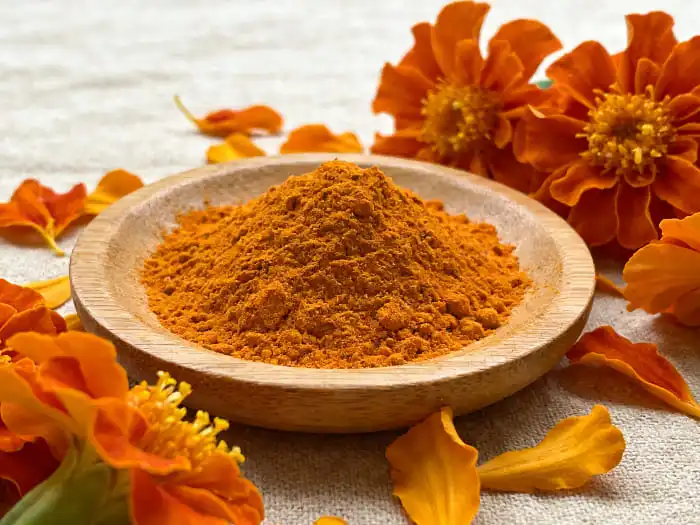
The Tagetes erecta L. flowers used to make marigold extract are carefully grown in controlled agricultural settings in China, India, and Mexico. Using advanced solvent extraction and saponification techniques, the extraction process turns raw flower petals into concentrated oleoresins. This produces standardized xanthophyll carotenoids with exact lutein and zeaxanthin ratios.
Advanced Extraction Technologies
During the production process, different extraction methods are used to make sure that the beneficial compounds are kept in the best condition possible. Cold-pressing methods keep heat-sensitive carotenoids intact, and controlled solvent extraction gets the most out of the yield. HPLC monitoring systems are used in modern facilities to make sure that parts are real and that they meet pharmaceutical-grade purity standards. After that, extracts were made that have high amounts of lutein (C40H56O2) and zeaxanthin, with common ratios like the 5:1 ratio that supplement makers like.
Bioactive Compound Profile
The extract's healing power comes from the many phytochemicals it contains, such as flavonoids, triterpenoids, and saponins. These chemicals work together to protect against free radicals and reduce inflammation. The normal amount of lutein is usually between 5% and 80%, but this depends on what the product is being used for. The amount of zeaxanthin added to the lutein profile makes it more biologically active.
Source Quality and Traceability
Premium providers of marigold extract keep a close eye on how the plants are grown and only use non-GMO seeds and methods of harvesting that don't use herbicides. This clear information from the source to the shelf makes sure that goods meet the rules for clean labels and back up vegan claims on the packaging. Vertical integration lets companies make sure that the quality stays the same and meet the growing demand from customers for products that come from natural sources.
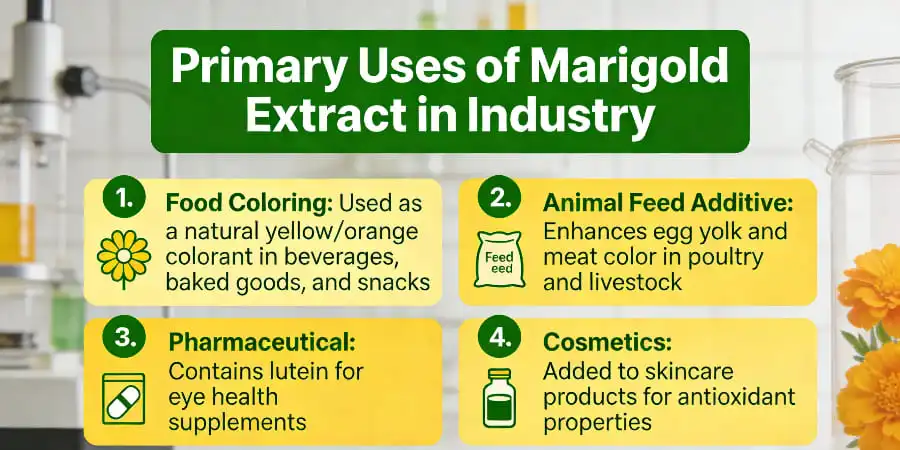
Primary Uses of Marigold Extract in Industry
marigold extract is useful in many different industries. These industries use different properties of this botanical ingredient to meet different customer wants and preferences.
Dietary Supplements and Eye Health
Most of the uses for pigments that come from marigolds are in products that help with vision. The extract gives the macular pigments it needs to block dangerous blue light and keep retinal tissue safe from oxidative stress. AREDS2 clinical studies have shown that taking lutein and zeaxanthin supplements can help your eyes stay healthy over time. This has increased the need for standardized ingredients that meet clinical dosage standards.
For softgel encapsulation, formulations need to be oil-suspended to keep them from crystallizing and make sure they are spread out evenly. In tablet formulas, high-compression-strength cold-water dispersible beadlets are used to keep the active ingredients stable over long periods of time after they have been manufactured.
Cosmetics and Personal Care Applications
The strong antioxidant qualities of the extract make it useful for anti-aging skin care products that aim to stop photo-oxidative damage. Cosmetic scientists use concentrated marigold extract in lotions, serums, and protective creams to fight free radical damage and help the skin's barrier function. In clean beauty items, the natural pigments can also be used instead of synthetic colorants.
Modern microencapsulation technologies make it possible to add carotenoids safely to water-based mixtures, which gets around the problem of how to dissolve carotenoids in water. This new technology has made it possible to use more ingredients in lightweight lotions and essences.
Functional Food and Beverage Enhancement
Marigold extract is used by food makers as both a functional ingredient and a natural colorant in a wide range of products, from dairy-free substitutes to drinks with added vitamins. The extract meets the E161b standard for natural yellow coloring and offers health benefits that back up the product's health claims.
Nano-emulsion technologies make it possible for ingredients to be mixed into clear drinks without separating the oil or forming sediment. This feature lets makers make products that look good and keep their color even when stored in different ways and when the temperature changes.
Comparing Marigold Extract with Other Botanical Extracts
By knowing what other companies are out there, procurement professionals can make smart choices when looking at botanical extract options for their unique needs.
Marigold vs. Calendula Extracts
Both extracts come from plants in the marigold family, but they are used for very different things and have very different active chemical profiles. Calendula officinalis extracts are mostly used for topical mending because they reduce inflammation, while marigold extract from Tagetes erecta is best at delivering carotenoids for coloring and nutritional uses.
The way that standardization is done also changes a lot. While marigold extracts stress exact lutein and zeaxanthin ratios with verified bioavailability profiles, calendula extracts typically concentrate on flavonoids and healing compounds.
Organic versus Conventional Processing
Organic certification changes both how much goods cost and where they stand in the market. Organic marigold extract costs more because it comes from certified organic farming and solvent-free extraction processes. However, new extraction technologies are often used in traditional processing to get higher concentration levels and better stability profiles.
Making the choice between organic and conventional sources is mostly based on the needs of the target market and the rules that apply in certain areas.
Formulation Considerations: Powder vs. Oil Suspensions
Choosing the right physical form has a big effect on how well it works in manufacturing and how the finished product looks. Crystalline powders are more stable over time and are easier to ship, but they need special dispersion technologies to work in liquids. Oil suspensions work right away with lipophilic formulas, but they might not work so well with water-based systems.
Cold-water dispersible powders are a hybrid option that makes it easier to work with powders while still being compatible with water-based systems thanks to micro-encapsulation technologies.
Procurement Insights: How to Buy the Best Marigold Extract
To make sure that product development and market launch go smoothly, strategic procurement needs to look at all of a supplier's skills, quality systems, and expert support services.
Supplier Qualification and Certification
Suppliers with a good reputation keep a number of foreign certifications, such as FSSC 22000, ISO standards, and religious dietary certifications like Kosher and Halal. These certifications show that quality management is being done in a planned way and let finished goods reach markets around the world. Suppliers of marigold flower extract should give full proof, such as records of analysis, heavy metal test results, and pesticide residue reports.
The supplier's extraction plant should use approved analytical methods to check the components and keep controlled storage areas to keep the stability of the carotenoids. Regular audits by a third party and openness about the manufacturing process are signs of a good relationship.
Technical Support and Customization Capabilities
Leading providers can help with formulation and create custom ratios to meet the needs of any product. This includes being able to change the amounts of lutein and zeaxanthin, the concentrations, and the stability tests that are needed for each application. The technical team at the provider should know about the different needs of the industry and be able to give advice on the best extraction forms for each manufacturing process.
Samples and small-scale testing make it possible to do a full review before committing to large-scale purchases. This method lowers the risks of development and makes sure that it works with current manufacturing systems.
Supply Chain Reliability and Logistics
For consistent availability, suppliers must have good methods for finding raw materials and keeping track of their stock. Because marigolds are grown only during certain times of the year, supply planning is very important for keeping production plans on track. Suppliers should show that they have a large inventory and can make flexible delivery plans to meet different demand patterns.
International purchasing needs are met by global logistics skills, such as the ability to ship goods at the right temperature and provide the right customs paperwork. Understanding differences in area regulations makes the process of importing easier and lowers the risk of not following the rules.
Ensuring Quality and Safety in Marigold Extract Applications
Following the rules and making sure the quality is good are important for bringing new products to the market and keeping customers safe in all types of applications.
Regulatory Standards and Global Compliance
In many places, marijuana extract has to follow strict rules set by the government. In the US, supplement applications are controlled by FDA rules, while in Europe, market entry is controlled by EFSA rules. Asian markets have specific needs when it comes to natural products and coloring agents.
A full set of testing rules should include checks for heavy metals, solvent leftovers, and microbiological safety. For regulatory submissions, documentation packages must include data on stability, toxicological assessments, and allergen statements.
Stability and Storage Optimization
To keep carotenoids stable, everyone in the supply chain has to pay close attention to the surroundings. Light, high temperatures, and oxygen touch all speed up breakdown and lower the concentrations of active compounds. When you package things correctly, using nitrogen flushing and light-protective containers, they stay potent for longer amounts of time.
To keep product quality at its best, manufacturing sites should use controlled atmosphere storage and first-in, first-out inventory rotation. Monitoring the temperature and controlling the humidity stop condensation-related breakdown and make the shelf life longer.
Quality Control and Testing Protocols
Analytical testing on a regular basis makes sure that the quality and effectiveness stay the same throughout production processes. The amounts of lutein and zeaxanthin are checked using HPLC, and other tests are done to make sure there are no contaminants or other impurities. Microbiological testing methods should look at pathogenic organisms and the total amount of bioburden that is right for the job.
Each shipment should come with a certificate of analysis. This gives quality control systems further down the line more information and the ability to track it.
Conclusion
Marigold flower extract is a versatile and highly proven ingredient that can be used in the food, cosmetics, and nutraceutical industries. The standard carotenoid content of the extract, especially lutein and zeaxanthin, meets the growing demand from consumers for natural eye health goods and products with clean labels. Advanced extraction technologies and formulas that can be changed allow companies to make new products that meet the needs of particular markets while still following the rules. To make sure that the best results are achieved in all kinds of situations, it's important to carefully evaluate suppliers, check for technical compatibility, and have complete quality control systems in place.
FAQ
What makes marigold extract different from other carotenoid sources?
Marigold extract provides the highest natural concentration of lutein and zeaxanthin available from botanical sources. Unlike synthetic alternatives, the extract offers superior bioavailability and clean-label positioning that appeals to health-conscious consumers seeking plant-based nutrition.
How do I determine the right lutein concentration for my formulation?
Concentration selection depends on intended dosage and application format. Eye health supplements typically utilize 10-20mg lutein per serving, requiring extracts with 20-40% concentration for practical capsule sizing. Food applications may use lower concentrations for coloring purposes while still providing nutritional benefits.
What stability challenges should I expect with marigold extract?
Carotenoids are sensitive to light, heat, and oxygen exposure. Proper formulation design should incorporate antioxidant protection and appropriate packaging to maintain potency. Oil suspensions generally offer better stability than crystalline powders in finished products.
Partner with Wellgreen for Premium Marigold Extract Solutions
Wellgreen Technology stands as your trusted marigold extract manufacturer, delivering pharmaceutical-grade botanical extracts that meet the most demanding industry standards. Our GMP-certified facility ensures consistent quality and purity, while comprehensive testing protocols guarantee regulatory compliance across global markets. We offer customizable lutein-to-zeaxanthin ratios, multiple formulation options including oil suspensions and cold-water dispersible powders, and complete OEM support for your product development needs. Contact our technical team at wgt@allwellcn.com to discuss your specific requirements and receive samples for evaluation.
References
Abdel-Aal, E. S. M., Akhtar, H., Zaheer, K., & Ali, R. (2013). Dietary sources of lutein and zeaxanthin carotenoids and their role in eye health. Nutrients, 5(4), 1169-1185.
Khachik, F., Bernstein, P. S., & Garland, D. L. (1997). Identification of lutein and zeaxanthin oxidation products in human and monkey retinas. Investigative Ophthalmology & Visual Science, 38(9), 1802-1811.
Landrum, J. T., & Bone, R. A. (2001). Lutein, zeaxanthin, and the macular pigment. Archives of Biochemistry and Biophysics, 385(1), 28-40.
Mozaffarieh, M., Sacu, S., & Wedrich, A. (2003). The role of the carotenoids, lutein and zeaxanthin, in protecting against age-related macular degeneration: A review based on controversial evidence. Nutrition Journal, 2(1), 20.
Richer, S., Stiles, W., Statkute, L., Pulido, J., Frankowski, J., Rudy, D., ... & Nyland, J. (2004). Double-masked, placebo-controlled, randomized trial of lutein and antioxidant supplementation in the intervention of atrophic age-related macular degeneration. The Veterans LAST study. Optometry, 75(4), 216-230.
Yeum, K. J., & Russell, R. M. (2002). Carotenoid bioavailability and bioconversion. Annual Review of Nutrition, 22(1), 483-504.