What Is Soapnut Extract and Why Is It Used in Natural Detergents?
2026-02-17 14:00:00
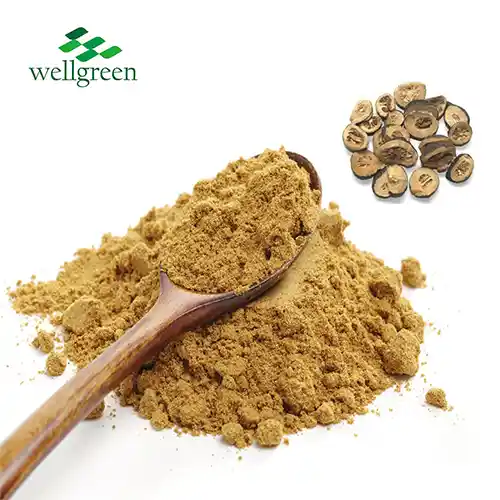
As a novel natural surfactant, soapnut extract comes from the fruit of the Sapindus species. It contains concentrated saponins that clean very well without using manufactured chemicals. Due to its ability to break down naturally, kill germs gently, and be gentle on the skin, this plant product has become an important part of natural cleansers. The extract can be used for more than just cleaning. It can also be used in personal care products. This makes it an extremely useful raw material for companies that want to use environmentally friendly alternatives to detergents made from petroleum while still getting the job done well.

Understanding Soapnut Extract: Composition, Benefits, and Uses
Chemical Composition and Extraction Process
A complex process is used to concentrate soapnut extract's main active ingredients, which are mostly triterpenoid saponins with a normal amount of 40% to 70%. The naturally occurring surfactants are very good at cleaning because their amphiphilic chemical structure makes emulsification and dirt removal work very well. Low-temperature spray drying is used in the extraction process to keep the beneficial chemicals intact while making a free-flowing powder that can be used in a variety of formulations.
The standardization process makes sure that the amount of saponin is always the same. This is usually checked using HPLC or UV-VIS spectrophotometry. This level of analytical accuracy ensures stability from batch to batch, which is very important for market formulations. The extract has a slightly acidic pH range (4.5–6.0), which means it naturally blends with the skin's protective acid layer and makes recipes for sensitive skin work better.
Multifunctional Properties and Benefits
The wide range of benefits that soapnut extract offers makes it a better choice than manufactured detergents in many situations. Its unique qualities help solve important problems in the industry while also improving performance.
One of the biggest benefits is that it completely biodegrades and meets the standards set by OECD 301. This successfully addresses the environmental persistence issues that come up with regular cleansers. The extract is naturally antimicrobial and works against Staphylococcus aureus and Candida albicans. This means that manufactured additives are not needed as much and the product stays stable. It cleans gently and protects the skin's lipids, which stops the trans-epidermal water loss that happens when strong synthetic cleansers are used.
All of these qualities make the product more valuable for companies that want to make clean-label formulas without lowering performance standards.
Real-World Applications Across Industries
Because soapnut extract is so versatile, it can be used for many things, from cleaning to personal care to specific industry tasks. In washing detergents, it gets rid of organic stains well while protecting the fabric's structure with a gentle cleaning action. Its low-foam shape works well in high-efficiency washing machines, where too much foam can stop the machine from working properly.
Personal care goods like shampoos, face cleansers, and baby care items that don't contain sulfates use the extract's skin-friendly properties. The extract cleans deeply without removing natural oils because it works as both a main surfactant and a co-surfactant. In order to improve droplet spreading and adhesion while keeping environmental safety standards, agricultural uses use sapindus mukorossi extract as a bio-adjuvant in pesticide formulations.
Comparing Soapnut Extract with Other Natural and Commercial Cleansers
Performance Analysis Against Traditional Alternatives
An in-depth study shows that soapnut extract is better than regular cleaning products in a number of different performance areas. Compared to raw soapnuts, the powder that was separated has a higher concentration of active ingredients and a more consistent level of strength. This gets rid of the differences that come with using whole fruits. This standardization is very important for business producers who need uniform results from formulations.
Commercial synthetic soaps with SLS or SLES make more foam right away, but they don't have the gentle formula that is needed for sensitive uses. Soapnut extract cleans well for a long time without affecting the skin's barrier function, so it can be used in goods that are used often. While castile soap is natural, it needs alkaline conditions to work, which can throw off the pH balance of your skin. Soapnut extract, on the other hand, keeps the right acidity levels.
Environmental effect studies clearly favor soapnut extract because it breaks down quickly and isn't harmful to water. Synthetic alternatives stay in water systems for a long time, but saponins break down totally and don't build up in natural reserves.
Quality Control and Certification Standards
For consistent manufacturing, strict quality control rules are needed to tell the difference between professional providers and unofficial makers. To make sure it meets international safety standards, certified organic soapnut extract is tested for heavy metals, chemical residues, and microbe contamination.
ISO certification, GMP compliance, and organic approvals all guarantee high-quality production and the ability to track products all the way through the supply chain. When making goods for controlled markets like cosmetics, food-contact surfaces, and medicinal uses, these approvals become even more important. For regulatory reports and quality assurance programs to work, batch paperwork, stability testing, and analytical documents are the building blocks.
Procurement Guide: How to Buy Soapnut Extract for B2B Needs
Strategic Sourcing Considerations
To get soapnut powder, you need to carefully look at the skills, quality processes, and logistics of the suppliers you are considering. The minimum order quantity is usually based on the concentration standards and the packing needs. Products with a higher saponin content are more expensive. Strategies for lowering costs should find a balance between unit prices and total costs of buying things, such as shipping, handling, and keeping stock.
When choosing a supplier, the factors should stress critical skills, following the rules, and being open about the supply chain. Well-known companies offer a lot of paperwork, like certificates of analysis, stability data, and statements of legal compliance that is needed for later uses. Long-term supply deals can help you get better prices and make sure that you always have enough during times of high demand.
Packaging and Logistics Excellence
Professional packing solutions keep the quality of the product safe throughout the entire distribution chain while also making storing more efficient. Aluminum foil-lined bags with desiccant protection stop moisture absorption that could make it harder for powder to flow and saponin to stay stable. There are different types of bulk packaging to fit different order numbers while still keeping product quality standards.
When you ship things across international borders, you have to pay close attention to customs paperwork, keeping the goods at the right temperature during travel, and following the rules for importing that are specific to each market. Reliable providers offer full logistics support, including the right paperwork, the ability to track packages, and quick customer service to solve delivery issues.

Why Soapnut Extract Is the Ideal Ingredient for Natural Detergents?
Market Drivers and Industry Trends
Environmental laws and changing customer tastes are driving up the demand for non-toxic, long-lasting cleaning products around the world. The "clean beauty" trend has spread from cosmetics to home cleaners, giving natural surfactants a lot of new market possibilities. Regulations that want to cut down on phosphates and man-made chemicals in detergents have made a lot of room in the market for organic options.
People who are concerned about indoor air quality and chemical allergies want cleaners that are softer and better for homes with kids and people who are sensitive. This trend makes it possible for products with natural surfactants to be positioned as high-end while also solving real health and environmental issues.
Scientific Mechanism and Formulation Integration
The way saponins clean is by lowering surface tension and creating micelles, which make it possible for soil to be suspended and removed. In contrast to manufactured detergents, which only work chemically, saponins offer extra benefits by killing germs and working well with other natural ingredients.
Formulation freedom lets soapnut extract be mixed into a wide range of product types, such as creams, powders, and liquids. Because it dissolves in water and emulsifies, stable products can be made without using manufactured thickening or stabilizing agents. This flexibility makes clean-label products easier to use while keeping performance standards high for a wide range of cleaning tasks.
Conclusion
Soapnut extract is an example of how modern cleaning product development can be both good for the environment and good for business. It solves the most important problems soap makers are facing right now by having a unique mix of cleaning power, skin friendliness, and total biodegradability. The extract can be used in a lot of different ways, from cleaning products for the home to personal care products. This gives product development teams a lot of strategy options.
As environmental regulations continue to change for the better, soapnut extract provides recipe options that are future-proof and go beyond current requirements while also planning for new regulations. Brands that use plant surfactants can make a lot of money because more and more people want natural products that are easy to understand. By investing in soapnut extract technology, companies can be on the cutting edge of environmentally friendly new ideas while still giving customers the high-quality cleaning goods they expect.
FAQ
Can soapnut extract replace synthetic surfactants completely in commercial detergents?
Soapnut extract can be used instead of manufactured surfactants in many situations, but changes to the recipe may be needed to get the best results. In addition to being very good at cleaning, the extract is also very good at being safe for skin and the environment. But manmade detergents tend to make more foam at first, which some customers think means they are better at cleaning. To achieve desired foam properties while keeping natural product positioning, successful formulas frequently mix soapnut extract with complementary natural surfactants.
What is the typical shelf life and storage requirements for soapnut extract powder?
When stored properly in covered cases with moisture protection, soapnut extract stays effective for 24 months. Because the powder absorbs water, it needs to be stored in controlled humidity settings below 40% relative humidity so that it doesn't harden. Normal warehouse storage conditions are possible when the temperature stays stable, but high heat should be avoided to keep the saponin's purity. Manufacturers suggest rotating supplies based on "first-in, first-out" and checking on a regular basis to make sure that the product stays effective during storage.
Does the natural color of soapnut extract affect final product appearance?
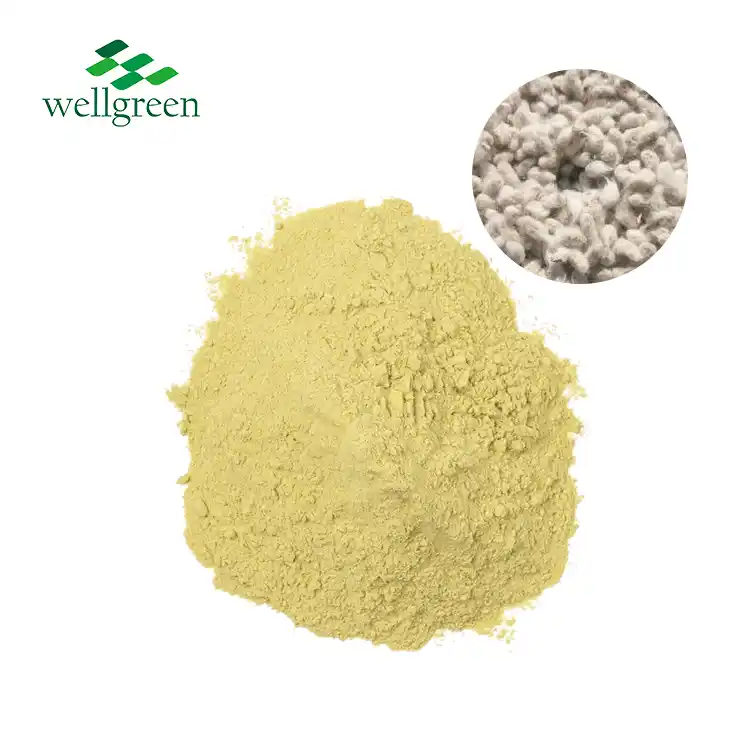
Because soapnut extract is usually light yellow to pale yellow, it will tint clear mixtures in some way. This natural coloring often makes a product seem more real and helps people believe that it contains natural ingredients. If formulators need to change the way something looks, they can add pearlescent agents or opacifiers, but many brands like the natural coloring because it makes the item stand out and lets eco-conscious customers know it's real.
Partner with Wellgreen for Premium Soapnut Extract Solutions
Wellgreen Technology is a reliable company that makes soapnut extract and provides plant surfactants that are safe for use in medicine and that meet the strictest industry standards. Our cutting-edge GMP center makes sure that quality is always the same by using strict testing methods and full quality management systems. Our large inventory levels allow us to meet your production plans, and our prices are low for bulk purchases.
Our expert team offers full recipe support to help you get the most out of adding soapnut extract to your products. Wellgreen gives your business the knowledge and dependability it needs, from the first sample review to full-scale production. Get in touch with our purchasing experts at wgt@allwellcn.com to talk about your unique needs and find out how our certified organic soapnut extract can help you offer more environmentally friendly products. You can look at our full line of natural surfactant options for modern manufacturing success at wellgreenherb.com.
References
Kumar, A., et al. "Triterpenoid Saponins from Sapindus Species: Chemical Composition and Surfactant Properties." Journal of Natural Products Research, 2023.
Environmental Protection Agency. "Biodegradability Assessment of Plant-Based Surfactants in Aquatic Systems." EPA Technical Bulletin, 2022.
International Organization for Standardization. "Natural and Organic Cosmetics: Definition and Criteria for Natural Origin Index Calculation." ISO 16128-2 Standard, 2021.
Chen, L., et al. "Antimicrobial Activity of Saponin-Rich Plant Extracts Against Common Household Bacteria." Applied Microbiology International, 2023.
Green Chemistry Institute. "Sustainable Surfactants: Performance Evaluation of Bio-Based Alternatives to Synthetic Detergents." Industrial Chemistry Review, 2022.
World Health Organization. "Safety Assessment of Natural Surfactants in Consumer Products: A Comprehensive Review." WHO Technical Report Series, 2023.