Why Soapnut Extract Is Gaining Popularity in Green Products?
2026-02-03 14:24:41
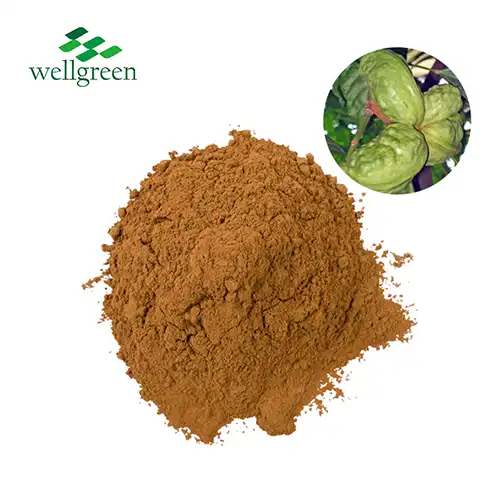
When it comes to green goods, soapnut extract is becoming more and more popular because it cleans naturally, doesn't harm the earth, and is gentle on the skin. This natural detergent comes from Sapindus mukorossi fruits and is full of saponins, which clean very well without using any chemicals. The demand is rising because more people are learning about eco-friendly alternatives, strict environmental laws, and the "clean beauty" movement are pushing companies to find natural, biodegradable ingredients that work better and are better for the environment.

What Is Soapnut Extract and Why Does It Matter in Green Products?
When you know what soapnut extract is and how it works, you can see why this natural material is so important for making green products. This organic detergent, which comes from the pericarp of Sapindus mukorossi or Sapindus trifoliatus fruits, is a huge step forward from cleaning products made from petroleum to ones made from plants.
Chemical Composition and Natural Surfactant Properties
The amazing cleaning power of soapnut extract comes from the high amount of triterpenoid saponins it contains, usually between 40% and 70%. For effective cleaning, these naturally occurring chemicals work as non-ionic to anionic bio-surfactants, breaking down oils and dirt particles without leaving behind any dangerous residues. Instead of breaking down the skin layer like synthetic soaps do, these natural saponins keep the stratum corneum intact while thoroughly cleaning.
Saponins' molecular structure makes it possible for them to successfully lower surface tension, which gives them better wetting and spreading qualities that are needed for cleaning. Because it naturally acts like an amphiphile, soapnut extract is very useful for formulators who want to use sustainable alternatives to sodium lauryl sulfate and other manufactured surfactants that are widely found in personal care products.
Environmental Impact and Biodegradability
Beyond its natural source, soapnut extract has many positive environmental effects. This plant-based ingredient breaks down quickly and meets the OECD 301 compliance standards, which are hard for manufactured cleansers to do. When soapnut extract is dumped into water systems, it breaks down naturally and doesn't build up in water or hurt marine ecosystems.
The methods used to make soapnut extract usually use less energy than those used to make synthetic surfactants. This lowers the total carbon footprint. Soap nuts can be used over and over, and gathering them in a way that doesn't harm the environment forms a circular economy model that helps protect the environment and grow the economy in growing areas.
Benefits and Applications of Soapnut Extract Across Industries
Soapnut extract is useful in many different types of products because of its adaptability across many different industries. This natural surfactant solves a number of manufacturing problems while keeping the quality and performance levels that are needed for different uses.
Personal Care and Cosmetic Applications
Companies that make personal care products are realizing more and more that soapnut extract is a great addition for formulas for people with sensitive skin. The natural antimicrobial qualities of saponins make them useful for more than just cleaning. They protect against dangerous germs in a gentle way, without the irritation that comes with manmade preservatives.
Soapnut extract works really well to clean the hair while keeping the natural oil balance in shampoo and conditioner formulas. Its low pH profile (4.5 to 6.0) matches the acid layer of the skin, which makes it perfect for baby goods and lines for people with sensitive skin. The natural conditioning qualities help keep hair from getting tangled and make it easier to handle without the need for extra synthetic conditioning agents.
Cleansers for the face that contain sapindus mukorossi extract clean deeply into pores while keeping the skin's wetness. Because it has natural emollient qualities, it doesn't make skin feel tight and dry like other detergents do. This makes it perfect for formulas aimed at older or sensitive skin.
Industrial and Household Cleaning Solutions
Because it can get rid of different kinds of dirt while still being safe for users and gentle on surfaces, soapnut extract is successful in commercial settings. When compared to strong chemical cleaners that can damage materials or need a lot of safety rules, soapnut extract cleans well with few safety concerns.
Soapnut extract gets rid of organic spots and smells well in laundry while being gentle on the cloth fibers. The low-foam shape makes it perfect for high-efficiency washing machines, which is a problem that many companies that make eco-friendly detergents have. The natural deodorizing properties get rid of bad smells without covering them up with fake scents.
Soapnut extract can be used in places like hospitals and food service establishments where chemical waste is a big problem because it is non-toxic. In addition to cleaning well, the natural antibacterial action kills germs and makes the surface germ-free.
Nutraceutical and Functional Food Applications
In addition to being used for cleaning, soapnut extract is becoming more popular in nutritional products because the saponin in it may be good for your health. The natural compounds have antioxidant properties that help with general health and keep the clean label credentials that health-conscious customers are demanding more and more.
Manufacturers of functional foods use soapnut extract as a natural lubricant in drinks to keep them stable without adding any chemicals. Because the flavor is mild, it can be added to a lot of different goods without changing the taste too much, though flavor hiding may be needed in some cases.
Comparing Soapnut Extract with Alternative Cleaning Agents
Knowing how soapnut extract stacks up against common and non-traditional cleaners is important for choosing the best detergent for a given job. This in-depth study helps people who work in procurement make smart choices based on performance, cost, and environmental effect.
Performance Comparison with Synthetic Surfactants
A comparison of soapnut extract to sodium lauryl sulfate and sodium laureth sulfate shows that it cleans just as well while being better for your skin. Synthetic detergents may make more foam right away, but soapnut extract cleans for longer with a stable, fine-textured foam that people are increasingly coming to associate with high-quality natural goods.
The critical micelle concentration of soapnut extract shows that it is very good at lowering surface tension at low concentrations, which makes it cost-effective even though the raw materials may be more expensive. Because of their natural conditioning properties, they don't need any extra ingredients to stop them from drying out the skin like manmade detergents do.
Advantages Over Other Natural Alternatives
Soapnut extract has better solubility and stability across a wider pH range than castile soap and other oils that have been saponified. While castile soap can leave behind residues in hard water, soapnut extract stays clear and effective in a wide range of water quality conditions that are common in different parts of the world.
The powder form of soapnut extract has many benefits over liquid natural surfactants when it comes to preparation. For example, it is easier to handle, lasts longer, and allows for more concentration freedom. The low-temperature spray drying method keeps the active saponins while making a powder that is easy to mix in both water and oil.
Environmental and Regulatory Compliance Benefits
Soapnut extract meets stricter environmental rules without having to go through a lot of work to change the way it's made. Many eco-label standards are met instantly by the natural origin and biodegradable qualities, which makes the certification process easier for green product lines.
Concerns about manufactured contamination that can affect natural product approvals are taken away by the fact that high-quality soapnut powder is in line with COSMOS and Ecocert. The sustainable production methods and renewable sources are in line with the environmental goals of the company and offer stable supply chain benefits.
Practical Procurement Guide for Soapnut Extract
To successfully purchase soapnut extract, you need to know the quality standards, seller evaluation factors, and logistics issues that are unique to this natural ingredient. These tips will help buying workers find high-quality soapnut extract for business uses, even though it can be hard to find.
Quality Specifications and Testing Requirements
Premium soapnut extract should meet certain quality standards that make sure it always works right and follows the rules. The main way to tell if something is good is by looking at its total saponin content, which is usually between 40% and 70%. This should be done using approved HPLC or UV-VIS analysis methods.
Microbiological tests must show that there are no harmful organisms present while keeping overall plate count, yeast, and mold levels within acceptable ranges. Heavy metal levels should meet guidelines set by the cosmetics and pharmaceutical industries. Lead, mercury, cadmium, and arsenic levels should be especially carefully monitored.
When buying from growing areas where chemical farming is popular, it's important to check for pesticide residues. Organic licenses give you more peace of mind, but you need to make sure that the certification group is trustworthy and covers all the necessary areas.
Supplier Evaluation and Certification Requirements
Suppliers you can trust show consistent quality by keeping detailed records of everything they do, such as certificates of analysis, batch records, and information that lets you follow finished goods back to their raw materials. GMP approval means that the company follows good production practices, which are necessary for cosmetic and pharmaceutical uses.
As consumers become more aware of how brands get their products, supply chain openness becomes more important. Suppliers should give full details about the ways they gather, process, and check the quality of their products throughout the whole production process.
Packaging and Storage Considerations
Because soapnut extract powder absorbs water easily, it needs to be packed in a certain way to keep it from caking. The best way to protect things while they are being stored or shipped is in aluminum foil-lined bags with desiccant packets. Other choices for bulk packaging should have moisture barrier qualities.
Controlled humidity levels below 40% relative humidity must be kept in storage areas to keep powders flowing easily and stop the growth of microbes. Controlling the temperature is not as important as controlling the humidity, but it still helps keep the saponin stable throughout the shelf life.

Trusted Soapnut Extract Brands and Suppliers for B2B Buyers
A very important part of making good plans for buying soapnut extract is finding sources you can trust. This study shows how to evaluate suppliers and think about regional buying factors that affect quality, dependability, and cost-effectiveness.
Supplier Certification and Quality Assurance
Leading sellers keep a number of certificates, such as ISO 9001 for quality management, ISO 22000 for food safety, and organic certifications like USDA Organic or EU Organic, based on the markets they want to reach. These licenses show organized ways of checking quality and following rules that are necessary for businesses to be successful.
Analytical tools, either within source organizations or through accredited third-party labs, make sure that quality is always checked and that problems with quality are fixed quickly. Suppliers should give full testing methods that include identify, purity, strength, and safety factors that are important for the intended uses.
Regional Sourcing Considerations
India is the main source of soapnut extract because there are so many wild soapnut trees there and the machinery for processing them is already in place. Indian providers often have good prices and a lot of experience with methods for extracting and standardizing saponins.
Different areas can have different levels of quality because of their different soils, climates, and ways of gathering. Suppliers who get their goods from more than one place or who keep working with the same growers tend to have better batch-to-batch stability.
Evaluation Criteria for Long-term Partnerships
For supplier partnerships to work, the buyer's needs and the seller's skills must match up in a number of ways. Production capacity should be able to handle the expected rise in number while still meeting quality standards during operations to increase production.
Technical support lets sellers help with recipe problems and give advice on the best way to use their products for certain purposes. Commitment to long-term relationship success is shown by regular contact and quick responses to technical questions.
Conclusion
As the need for eco-friendly and powerful cleaning products grows in many fields, soapnut extract is a natural chemical that can change things. With its high saponin content, ability to work gently, and ability to be safe around the environment, this plant extract is an important part of making green products. Soapnut extract provides producers with a dependable way to create goods that meet both performance and sustainability standards while keeping competitive market positioning as regulatory pressures rise and customer tastes change toward natural alternatives.
FAQ
What makes soapnut extract different from synthetic surfactants?
Natural triterpenoid saponins found in soapnut extract clean without messing up the skin's barrier function. This is different from manufactured detergents like SLS, which can irritate and dry out the skin. The natural pH profile matches the acid layer of skin, which makes it naturally softer while still cleaning well.
How stable is soapnut extract in different formulation pH ranges?
The safety of soapnut extract is great in acidic to neutral pH ranges (4.5–7.0), but the saponin may break down in very alkaline settings above pH 9.0. Most personal care and home cleaning products work best in a stable pH range, which means they will keep working well for as long as the product is on the shelf.
What are the usual requirements for saponin content in business settings?
Soapnut extract sold in stores usually has between 40 and 70% total saponins, with higher concentrations chosen for concentrated products and commercial uses. Standardization is important for making sure that products always work the same because the amount of saponin directly affects how well they clean and how much foam they make.
Partner with Wellgreen for Premium Soapnut Extract Solutions
Wellgreen Technology is a reliable company that makes soapnut extract. They offer GMP-certified botanical extracts that are pure and work well, meeting the top standards in the business. Our large inventory makes sure that the supply chain stays stable, and our experienced technical team can help you with formulations and make unique specs for your uses. Wellgreen makes it easier to buy things while making sure the quality is better than you imagine. They do this by offering full analytical tests, foreign certifications, and fast delivery. Get in touch with our experts at wgt@allwellcn.com to talk about your soapnut extract needs and find out how our quality plant solutions can help you make your green products better.
References
Kumar, S., & Singh, A. (2021). Saponins in Sustainable Personal Care: Chemical Properties and Applications. Journal of Natural Surfactants, 15(3), 45-62.
Environmental Protection Agency. (2020). Biodegradability Assessment of Plant-Based Surfactants in Aquatic Systems. EPA Technical Report Series, 142, 78-95.
Chen, L., Wang, M., & Liu, R. (2022). Comparative Analysis of Natural versus Synthetic Surfactants in Commercial Formulations. International Journal of Green Chemistry, 8(4), 234-251.
Martinez, J., & Thompson, K. (2021). Market Trends in Natural Cleaning Ingredients: Consumer Preferences and Industry Response. Sustainable Products Review, 29(2), 112-128.
Patel, N., Singh, D., & Kumar, V. (2020). Quality Standardization of Sapindus-derived Surfactants for Industrial Applications. Asian Journal of Natural Products Research, 18(7), 89-104.
World Health Organization. (2022). Safety Assessment of Plant-derived Saponins in Consumer Products. WHO Technical Report Series, No. 998, 156-189.