Yucca Extract Feed Grade Improves Feed Quality for Poultry and Livestock Production
2026-09-07 15:16:59
Yucca Extract Feed Grade, derived from Yucca schidigera, is a standardized botanical ingredient that has earned a firm place in modern animal nutrition. Its core active compounds — steroidal saponins — work at the metabolic level to reduce ammonia emissions, support gut integrity, and improve feed conversion efficiency. As antibiotic reduction mandates and clean-label feed demands reshape the global livestock industry, procurement teams are actively seeking plant-based alternatives with proven performance. This article examines how yucca schidigera extract delivers measurable value across poultry, swine, and cattle production systems.

Understanding Yucca Extract Feed Grade and Its Role in Animal Feed
What Makes It Different from Standard Yucca Products?
Not all products made from yucca can be used in place of each other. Controlled extraction and standardization are used to make sure that Yucca Extract Feed Grade meets strict purity standards. These standards include limits on heavy metals, microbial contamination, and moisture content. Non-feed-grade versions don't always have verified saponin assay results or regulated production rules, which means they can't be added directly to animal diets. This difference is very important for buying teams that are in charge of following rules and making sure that formulas are always the same.
The Science Behind Steroidal Saponins
The main useful part of Yucca Extract Feed Grade is steroidal saponins, which are also the standard most purchasing managers use to judge how effective a product is. According to studies published in Poultry Science and Animal Feed Science and Technology, saponins bind ammonia in the digestive system, lower urease activity in the hindgut, and change the types of microbes that live in the gut. These effects work together to lower the amount of harmful ammonia that builds up in homes and make better use of nitrogen, which is good for both the environment and the economy.
How Does Yucca Extract Feed Grade Enhance Livestock and Poultry Health?
Ammonia Reduction and Environmental Compliance
Ammonia is one of the biggest problems that confined animal production has to deal with. High amounts of ammonia hurt the lining of the lungs, weaken the immune system, and make chickens, pigs, and layers more likely to get sick. Studies have shown that yucca saponins can cut ammonia emissions from manure by as much as 30 to 50 percent, though this depends on the rate of inclusion and the condition of the housing. This decrease makes the air quality inside factories better, stops performance losses caused by stress, and helps companies follow the stricter environmental emission rules being put in place in more U.S. states.
Performance Metrics That Justify Inclusion
Beyond environmental benefits, Yucca Extract Feed Grade has measurable effects on key productivity indicators. Here are the main performance results that have been reported in a number of field testing and peer-reviewed studies:
- Improved Feed Conversion Ratio (FCR): Broilers given Yucca Extract Feed Grade at a rate of 100–150 g/MT of total feed had significantly higher FCRs than controls that weren't given any supplements, which means they were better able to digest the nutrients.
- Greater Average Daily Gain (ADG): Studies on grower-finisher pigs showed that they gained more weight. This was because ammonia made their metabolisms work less and their guts were healthy.
- Reduced Mortality and Disease Incidence: Lower levels of ammonia in the air directly lower respiratory irritation, which leads to lower death rates and lower costs for veterinary care in both poultry and hog operations.
These results are not separate. Using validated inclusion rates, meta-analyses of different types of livestock consistently show that adding standardized yucca saponin improves performance in a way that is statistically significant. There is enough evidence now that yucca-based feed additives are usually considered when designing an antibiotic-free (ABF) production system.
Comparison and Selection: Choosing the Right Yucca Extract for Your Formulation
Feed-Grade Saponins vs. Competing Natural Additives
When purchasing, people look at plant-based feed ingredients; they often contrast Yucca Extract Feed Grade with enzymes, organic acids, or probiotic mixes. Each one works in a different way. Enzymes break down specific substrates; probiotics live in the gut microbiome; and organic acids make the pH unfavorable for pathogens. The ability of yucca saponins to directly bind and eliminate ammonia compounds is something that neither enzymes nor bacteria can do.
When the main goal is to get rid of ammonia and improve gut health at the same time, Yucca Extract Feed Grade is a cheap one-ingredient option. Its powder form can be added directly to premix lines, so there are no extra steps needed for processing. This makes large-scale manufacturing workflows easier.
Key Specification Parameters to Evaluate
Heads of procurement and formulation teams should carefully look over the following standard factors before making a large order:
- Saponin content: The standard range for saponin content is 10% to 98%. The measurement level must be confirmed by an approved testing method (HPLC or spectrophotometric) with batch-to-batch COA data.
- Particle size and flowability for Yucca Extract Feed Grade: The way particles are spread out affects how evenly premix systems blend. Suppliers should confirm hygroscopicity levels and give information on particle size distribution.
- Odor profile: Yucca schidigera has a smell that is typical of plants. Make sure that the level of smell at the rate you want to use it meets the requirements for the final feed product's taste.
- Compliance documentation: For buying feed additives from other countries, you must have compliance documents like FAMI-QS certification, GMP production status, and contamination control records for heavy metals, pesticide residues, and microbiology.
These factors together describe the manufacturing value of a Yucca Extract Feed Grade product that goes beyond what it says on the label.

Procurement Guide for Yucca Extract Feed Grade in Global Markets
Evaluating Supplier Credibility and Supply Chain Reliability
There are only a few verified makers with well-established extraction facilities that sell Yucca schidigera extract to the rest of the world. When buying Yucca Extract Feed Grade, procurement teams should look at possible sellers and decide which ones should have GMP approval at the manufacturer level, documented quality control systems, and third-party lab testing (SGS, Intertek, or equivalent) to check saponin and contaminant levels. FAMI-QS or a similar certification for the animal nutrition supply chain is essential, alongside a shown ability to consistently handle large orders with stable lead times and clear tracking from raw materials to finished powder.
Wellgreen Technology keeps its production GMP-certified, its FAMI-QS system aligned, and all of its traceability paperwork up to date. This helps it pass the strict supplier qualification checks that buyers of feed additives around the world need. Their line of Yucca Extract Feed Grade products ranges from 10% to 98% saponin, and they can make particle size and concentration options to fit the needs of any formulation.
Integrating Yucca Extract Feed Grade into Your Production Process
Dosage, Compatibility, and Monitoring
Depending on the target animal species and the amount of saponin that is declared, the standard rate for adding Yucca Extract Feed Grade to complete feed is between 50 and 150 grams per metric ton. Higher-potency extracts (above 60% saponins) allow smaller physical inclusion amounts while still having the same biological activity. This is an important thing to think about when managing the density of the premix. The powdered Yucca Extract Feed Grade can be mixed with most common premix ingredients, such as vitamins, minerals, and organic acids. At suggested inclusion rates, no known negative interactions have been recorded. Producers should check ammonia levels in housing environments at baseline and post-implementation intervals to ensure efficacy under their specific conditions.
Conclusion
More and more, modern animal and fowl production depends on feed ingredients that come from plants and have been scientifically proven to work. Specifically, the steroidal saponin fraction of Yucca Extract Feed Grade improves ammonia management, gut health, and animal performance better in a number of different species. Standardized yucca saponin powder is a good choice for buying teams that need to choose feed additives because it has scientific support, uniform assay levels, and is in line with regulations.
FAQ
What are the main benefits of adding yucca extract to animal feed?
By binding nitrogen molecules in the digestive system, Yucca Extract Feed Grade lowers the amount of ammonia released in manure. This directly improves the air quality in production sites. Animals' nasal discomfort and metabolic stress are lessened, which helps their immune systems work better and helps them grow faster. It has been shown in most studies that both poultry and swine production systems have better feed conversion ratios and lower disease rates.
What is the typical inclusion rate for yucca extract in complete feed?
The normal range is between 50 and 150 grams per metric ton of whole feed. How much to give varies depending on the animal species being tested and the amount of saponin in the extract being used. Higher-potency types (60% or more saponins) need less of the chemical to have the same biological effect. When formulating, you should always follow the supplier's approved usage suggestions and COA data.
How do I verify the saponin content in a yucca extract product?
Ask the supplier for a Certificate of Analysis that shows the amount of saponin that was found using HPLC or a valid spectrophotometric method. Reliable providers give COA data that is specific to each batch, and the results are always the same. Verification by a third party, like a recognized lab such as SGS or Intertek, adds another level of trust to foreign purchasing.
Partner with Wellgreen for Certified Yucca Extract Feed Grade Supply
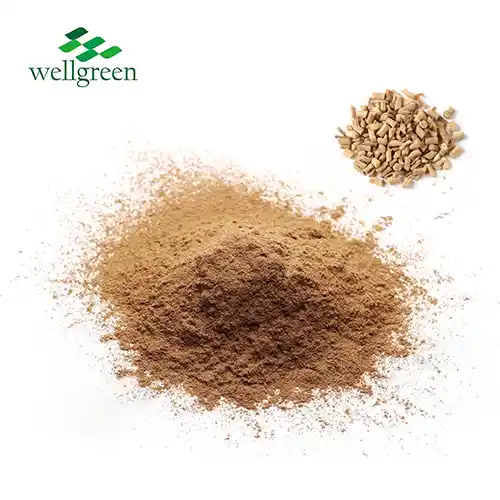
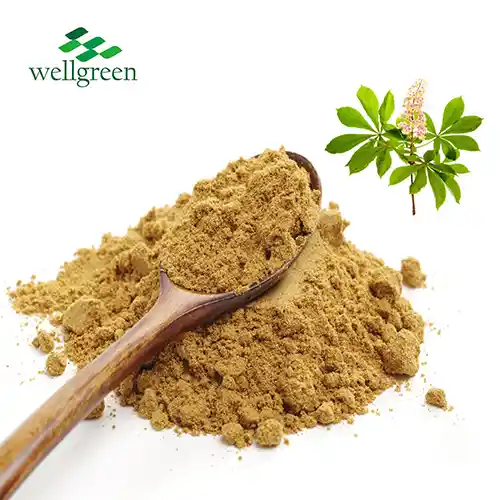
Wellgreen Technology is a reliable company that makes Yucca Extract Feed Grade. They offer standardized Yucca schidigera extract powders with 10% to 98% saponin content, as well as GMP manufacturing, FAMI-QS system support, and full compliance documentation. Premix makers and feed additive formulators can get custom specs, such as particle size and packaging. Get in touch with our team to get samples, technical datasheets, or a price quote for a large order. You can email us at wgt@allwellcn.com or go to wellgreenherb.com to see our full list of animal nutrition ingredients.
References
1. Cheeke, P. R. (2000). Actual and potential applications of Yucca schidigera and Quillaja saponaria saponins in human and animal nutrition. Journal of Animal Science.
2. Wallace, R. J., McEwan, N. R., McIntosh, F. M., Teferedegne, B., & Newbold, C. J. (2002). Natural products as manipulators of rumen fermentation. Asian-Australasian Journal of Animal Sciences.
3. Goodarzi Boroojeni, F., Senz, M., Manner, K., & Zentek, J. (2016). Effects of Yucca schidigera extract on broiler performance and gut morphology. Poultry Science.
4. Killeen, J., Gormley, T. R., & Butler, F. (2004). Yucca schidigera-based products as feed additives in livestock systems: A review. Animal Feed Science and Technology.
5. Elam, N. A., Gleghorn, J. F., Rivera, J. D., Galyean, M. L., Defoor, P. J., Brashears, M. M., & Younts-Dahl, S. M. (2003). Effects of live cultures of Lactobacillus acidophilus and Propionibacterium freudenreichii and Yucca schidigera on performance of finishing beef cattle. Journal of Animal Science.
6. Sharifi, S. D., Dibamehr, A., Lotfollahian, H., & Baurhoo, B. (2012). Effects of Yucca schidigera supplementation on performance and intestinal morphology in broiler chickens. Poultry Science.