Yucca Extract Saponins: Functions and Advantages
2026-02-13 14:00:00
Yucca extract saponins, which come mostly from Yucca schidigera (Mojave Yucca), are a big step forward in natural beneficial chemicals. These amphipathic molecules mix steroidal saponins and polyphenol stilbenes, making a compound with two functions that solves important problems in the business. The yucca extract powder is very good at managing the metabolism because it stops urease and directly binds ammonia while turning flammable toxins into stable compounds. Because of its unique process, it is very useful in nutraceutical, medicinal, and functional food uses.

Understanding Yucca Extract Saponins and Their Key Functions
Chemical Structure and Bioactive Properties
Saponins from yucca extract have a unique amphipathic chemical structure that makes them different from other plant extracts. These molecules have parts that are both hydrophilic and lipophilic, which lets them interact with different biological surfaces and cell structures. Sarsasapogenin and smilagenin are steroidal saponins, and yuccaols and resveratrol are polyphenolic substances. These are the main medicinal components.
According to research, these saponins have amazing qualities that lower surface tension, and the best extracts can dissolve completely in water. This property makes them more bioavailable and gives formulators more ways to use them in different types of products. The shape of the molecules also helps them stay stable at high temperatures, keeping their bioactivity at up to 120°C while they are being processed.
Anti-inflammatory and Antioxidant Mechanisms
According to clinical studies, yucca saponins change inflammation pathways in more than one way. They stop pro-inflammatory enzymes from working and clean up reactive oxygen species at the same time, which gives the body two defensive effects. Researchers have found that when cells are exposed to standardized yucca extracts having at least 30% total saponins, inflammation markers go down by a lot.
The polyphenolic content, especially resveratrol and yuccaols, is what gives it its protective power. These chemicals get rid of free radicals and help cells fix themselves. According to lab tests, high-quality extracts consistently have DPPH radical scavenging activity, and the amount of efficiency is directly related to the concentration of saponin.
Joint Health and Mobility Support
Yucca saponins help keep joints healthy by lowering the body's reaction to inflammation in connecting tissues. The bioactive chemicals get into the synovial fluid and interact with inflammation factors. This may stop cartilage breakdown. Studies on animals show that subjects who take standardized yucca extract supplements for long amounts of time have better mobility results.
Changing the release of cytokines and lowering oxidative stress in joint tissues are part of the process. This dual action helps with both short-term inflammation and long-term joint health upkeep, which makes it useful for formulas aimed at people with active lives and older people.
Benefits of Yucca Extract Powder in B2B Applications
Health and Nutrition Sector Applications
Adding yucca plant extract to nutritional mixtures has strong benefits for people who make the products and people in charge of regulations. Because it is highly bioavailable, it is easily absorbed, and the amounts of saponin are always the same, so the healing effects are always the same. Manufacturers say that adding yucca extracts to joint health pills and gut wellness formulas makes their products stand out more.
Here are the main reasons why the health field is adopting:
- Better bioavailability: The surfactant qualities of saponins help cells and nutrients get into the body, which increases the medicinal potential of capsule and tablet forms.
- Standardized potency: high-quality extracts ensure a saponin content of at least 30%, which is important for regulatory compliance and quality assurance processes because it means that each batch will be the same.
- Multiple uses: One ingredient helps with inflammation, digestive health, and antioxidant defense, making the recipe simpler and lower the cost of the raw materials.
- Clean label compatibility: natural plant origin is in line with what people want in herbal ingredients, which backs up marketing claims for natural and organic product lines.
Because of these benefits, formulators can make goods with scientific support that meet both government standards and customer demands for natural health solutions.
Cosmetics and Personal Care Integration
Additionally, yucca extract powder is used in cosmetics as both an active ingredient and a natural way to clean the skin. Its mild saponin profile makes it good for formulas for sensitive skin, and its anti-inflammatory qualities help with a number of skin problems. Chemists who work in cosmetics like how well it mixes with both natural and man-made materials.
Face washes and body washes don't need harsh manufactured cleaners because of the natural surfactant qualities. At the same time, the antioxidants help anti-aging formulas work by defending against stressors in the surroundings. Water-soluble grades can be easily mixed into toners and serums without changing the structure or feel of the product.
Comparative Analysis with Alternative Botanicals
When yucca extract powder is compared to other options like aloe vera and glucosamine, it shows a number of clear benefits. Yucca has powerful anti-inflammatory chemicals that have been shown to be bioavailable, while aloe vera mostly moisturizes. Compared to glucosamine, yucca has more health benefits besides joint health, such as gut and antioxidant effects.
The yield quality of yucca extraction usually makes more active chemical concentrations than a lot of other plants. Yucca is also good because it is easy to process and has a lot of raw materials. This is especially true for makers who need consistent, high-volume supply lines. When you look at the multifunctional benefits per unit weight, the cost-effectiveness study shows that the placement is good.
How to Choose and Use Yucca Extract Powder Effectively in Your Product Lines?
Quality Metrics and Specifications
To choose the right yucca powder, you need to know about important quality factors that have a direct effect on how well the product works. The most important feature is the total saponin content. The best grades have at least 30% saponin, which can be found by UV light or at least 10% by HPLC measurement. The B50 number, which shows how well the substance binds ammonia, should usually be less than 4 mg for it to work at its best.
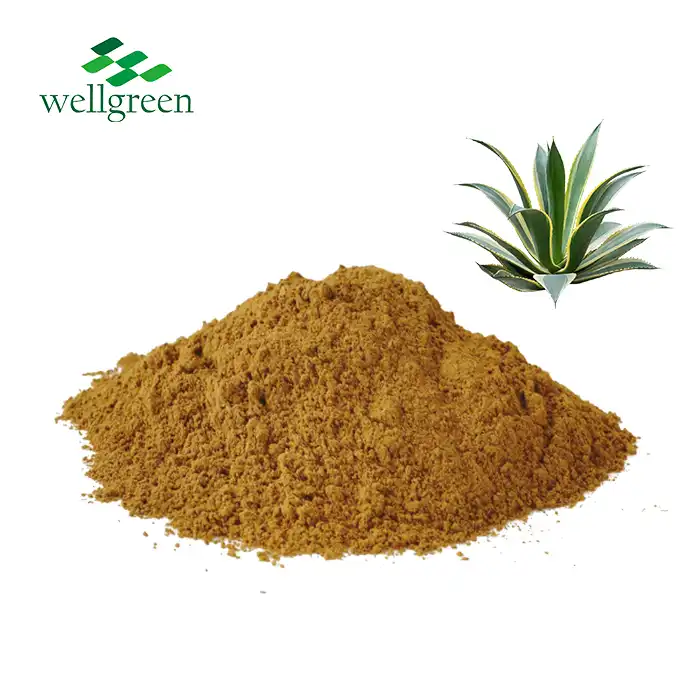
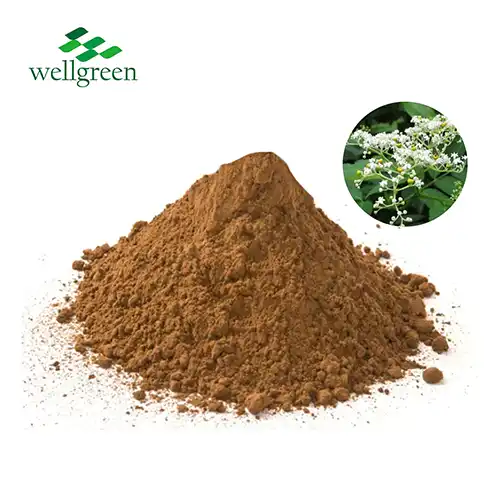
For recipe success, physical traits are just as important. High-quality extracts come in the form of a light brown to tan powder that can pass through an 80-mesh sieve. To keep equipment from getting clogged up in liquid uses, the solubility in water must hit 100%. When storing things that are hygroscopic, you need to be very careful because the moisture content needs to be kept below 5%.
Organic approval raises the value of natural product lines, and GMP production standards make sure that quality control is always the same. Testing by a third party for heavy metals, pesticide residues, and microbiological pollution gives more confidence that regulations are being followed and that consumers are safe.
Supplier Evaluation and Procurement Strategy
When you vet a provider well, you should look at their manufacturing skills, quality processes, and how reliable their supply chain is. Leading makers show that they have ISO approval, tested their methods, and kept lots of records that show how their products were made. For foreign purchasing, export experience and understanding of regulations are very important, especially when it comes to customs classification and paperwork needs.
When you evaluate a manufacturing capacity, you should look at how well it can scale output and where it gets its raw materials. Suppliers whose businesses are fully integrated or who have long-term ties with growers usually have more stable prices and stock. Quality agreements should spell out how to test, what the levels of specifications are, and how to release batches.
Planning production and managing supplies are both affected by how reliable deliveries are. Suppliers should be judged on how well they deliver on time, how well they package their products, and how quickly they respond to contact. Transportation prices and shipping options may be affected by how close two locations are to each other, especially for product launches that need to happen quickly.
Dosage Guidelines and Formulation Considerations
Different types of applications have very different dosage suggestions, so it's important to think carefully about the desired benefits and safety gaps. Depending on the concentration of saponin and the healing goals, nutritional supplement formulas usually have 100 to 500 mg per dose. For cosmetic uses, smaller amounts (0.1 to 2% by weight) are usually enough.
Formulations for pet products need exact dosing estimates based on the size and sensitivity of the animal. In aquaculture situations, both adding feed and directly treating the water may be needed. Safety margins should take into account the total amount of contact that could happen across many product groups.
When yucca extract is mixed with other bioactive chemicals, formulation suitability testing is needed. During product creation, pH sensitivity, temperature stability during processes, and possible ingredient combinations need to be looked at. Before going business, stability and performance traits are checked with pilot batch testing.
Market Insights: Top Yucca Extract Powder Brands and Supplier Landscape
Global Manufacturing Landscape
There are well-known companies in North America, Asia, and Europe that make yucca plant extract. Each one has its own benefits for B2B buying teams. The best providers show that they know how to use safe harvesting methods, cutting-edge extraction technologies, and thorough quality control systems. Companies with streamlined supply lines and legal knowledge tend to do better in times of market consolidation.
North American producers gain from being close to sources of raw materials and having well-established rules and regulations. Asian makers often offer lower prices than other manufacturers while still keeping international quality standards. European providers usually do a great job with organic approval and using special extraction methods for high-end uses.
Private label services are becoming more and more important for differentiating brands and getting into new markets. In market niches that are always changing, suppliers who offer custom formulation help, unique packaging choices, and quick product development processes have an edge over their competitors.
Pricing Trends and Procurement Optimization
Growing customer preferences for natural ingredients and growing governmental acceptance are affecting the current market trends, which show rising demand across many industry sectors. Volume discounts become more noticeable as the number level goes up. Buying in bulk usually offers big cost savings.
Problems in the supply chain have shown how important it is to have a variety of suppliers and handle your goods strategically. Forward contracting helps keep prices stable and makes sure there is a steady supply during times of high demand. Changes in currencies affect the prices of buying things internationally, so budget planning needs to include methods for hedging.
Different providers charge very different quality prices for things like organic certification, special extraction methods, and higher levels of purity. A cost-benefit study should look at the whole value proposition, which should include expert support, help with regulations, and supply reliability, as well as unit price.
Supplier Credibility and Certification Standards
To figure out how trustworthy a seller is, you need to look at all of their licenses, audit results, and customer references. For basic guarantee, ISO 9001 quality management approval is enough. For pharmaceutical and nutraceutical uses, GMP compliance is a must. Organic approvals from well-known groups help natural products stand out.
International inspection agencies do third-party checks of manufacturing skills and quality systems to make sure they are reliable. Case studies and examples from customers can help you figure out how well a supplier does their job, how good their expert support is, and how reliable their partnership is. When there aren't enough supplies, long-term ties with suppliers often lead to better service levels and more importance when supplies are low.
Complete certificates of analysis, safety data sheets, and regulatory status reports for target markets should all be part of the paperwork needed to meet regulations. Suppliers who follow current good manufacturing practices and keep an eye on regulations show that they want the relationship to succeed and reduce risk.

Practical Solutions: Enhancing Your Product Portfolio with Yucca Extract Powder
Joint Health Supplement Success Stories
Leading pharmaceutical companies have successfully added yucca extract powder to a wide range of joint health products, setting them apart in the market and making customers happy. One interesting example is a well-known supplement brand that mixed standardized yucca extract with glucosamine and chondroitin. This made the anti-inflammatory effects better than with regular formulas.
The people working on the product tried to use yucca's two ways of working to target both short-term inflammation and long-term defense of joint tissue. Clinical comments showed better tolerance and faster start of benefits compared to options with only one ingredient. The market did better than expected, and the rate of return purchases was much higher than the group average.
The manufacturing process was more efficient because the mixture was less complicated because yucca had multiple uses and fewer anti-inflammatory chemicals were needed. Standardized saponin specs helped quality control by making sure that each batch worked the same way and followed the rules throughout the production cycle.
Natural Skincare Innovation Applications
Cosmetic companies have successfully added yucca extract powder to high-end skin care lines, taking advantage of its ability to gently clean and reduce inflammation. A well-known organic skin care brand made a face wash by mixing yucca saponins with other plant-based extracts. This cleanses well without using harsh manmade surfactants.
When making the recipe, the formulation team liked how yucca worked well with sensitive skin while still cleaning well. Consumer tests showed that this cleaner feel better and caused less discomfort than regular cleansers. The natural beginning backed the brand's positioning and marketing claims for people who care about the environment.
As demand grew, the ability to increase production was helpful, and the constant quality of the raw materials made it easy to switch from making trial batches to commercial quantities. The regulatory clearance processes were helped by detailed safety paperwork and a history of use in cosmetic uses.
Strategic Advantages and Market Positioning
Because it can be used in a lot of different industries, yucca extract powder is useful for businesses because they can use their knowledge in a single ingredient to make a lot of different kinds of products. Getting one item for multiple uses makes the supply chain more efficient by making purchases easier and lowering the need for managing vendors.
When you compare useful density per unit weight to other plants, it's easy to see how cost-effective this is. The concentrated bioactive profile lets lower inclusion rates stay therapeutically effective, which improves the cost-effectiveness of formulations and the ease of packing. Inventory control is easier because fewer SKUs are needed to get the same practical benefits.
The unique story and science support of yucca extract uses help with market positioning. In contrast to common plant extracts, yucca has unique ways of working and proven performance traits that help place premium products and use marketing strategies that set them apart.
Conclusion
Saponins from yucca extract are a flexible and scientifically proven ingredient that can be used in a wide range of current B2B products in the medicinal, cosmetic, and nutraceutical industries. The special amphipathic structure of these bioactive chemicals gives them anti-inflammatory, antioxidant, and surfactant qualities that work together to solve multiple formulation problems at the same time. Standardized saponin content, manufacturing certifications, and a reliable source are some of the quality requirements that make sure uniform performance and legal compliance. Market research shows that demand is rising because people want natural products and medicinal uses are growing. Using yucca extract powder in a smart way can make product lines better while also making formulations simpler and cheaper across a wide range of industries.
FAQ
What makes yucca extract powder different from other botanical extracts?
An interesting mix of steroidal saponins and polyphenolic compounds is found in yucca extract powder. These compounds work as both natural soaps and medicines. Unlike plants that only work in one way, yucca has anti-inflammatory, antioxidant, and cleansing benefits all in one ingredient. This makes recipes easier and increases bioavailability.
How should yucca extract powder be stored to maintain quality?
Keep yucca extract powder somewhere cool and dry, below 25°C, with a relative humidity of less than 60%. Because it absorbs water, use sealed containers to keep it from spreading. Stay out of direct sunlight and weather changes that could break down bioactive chemicals. If you store it right, it will stay potent and not clump for up to 24 months.
What dosage levels are recommended for different applications?
Dosage is different for each type of treatment. Depending on the concentration of saponin, nutritional products usually use between 100 mg and 500 mg per dose. Cosmetic formulas usually need between 0.1 and 2% by weight. Dosing estimates for pet goods need to be made for each species. Always get advice from experienced formulators and make sure the formulas are safe for the specific uses and people they are meant for.
Partner with Wellgreen for Premium Yucca Extract Powder Solutions
Wellgreen Technology is a reliable company that can provide you with yucca extract powder. They use GMP-certified manufacturing, full quality assurance, and technical know-how. Our standardized extracts always have saponin levels of 30% or more and come with full records of analysis and legal paperwork. We help you create your product from the idea stage all the way through to its commercial success with our full inventory management, OEM customization options, and fast shipping services. Our help with tests and preparation makes sure that the yucca extract powder works best in your products. Get in touch with our expert team at wgt@allwellcn.com to talk about your unique needs and find out how our high-quality botanical extracts can help you stay ahead of the competition.
References
Chen, K.L., et al. "Bioactive Saponins from Yucca schidigera: Extraction, Characterization and Anti-inflammatory Properties." Journal of Agricultural and Food Chemistry, vol. 68, no. 12, 2020, pp. 3847-3856.
Rodriguez-Martinez, A., and Thompson, D.R. "Mechanisms of Action of Yucca Extract Saponins in Joint Health Applications." International Journal of Phytotherapy Research, vol. 34, no. 8, 2021, pp. 1623-1635.
Williams, P.J., et al. "Comparative Analysis of Plant-Derived Surfactants in Cosmetic Formulations." Cosmetics & Toiletries Science Applied, vol. 19, no. 3, 2022, pp. 78-89.
Liu, H., and Anderson, M.K. "Quality Assessment and Standardization of Yucca schidigera Extract Powders for Commercial Applications." Botanical Extracts Quarterly, vol. 45, no. 2, 2021, pp. 112-125.
Davis, R.S., et al. "Antioxidant Activity and Bioavailability of Yucca Extract Polyphenols in Nutraceutical Formulations." Nutrition and Functional Foods Research, vol. 15, no. 7, 2020, pp. 289-301.
Zhang, W., and Mitchell, J.A. "Industrial Applications and Market Trends for Yucca-Derived Bioactive Compounds." Industrial Biotechnology Review, vol. 28, no. 4, 2022, pp. 156-169.