2026 Best Pineapple Powder Benefits for Global Buyers?
2026-07-20 14:08:19
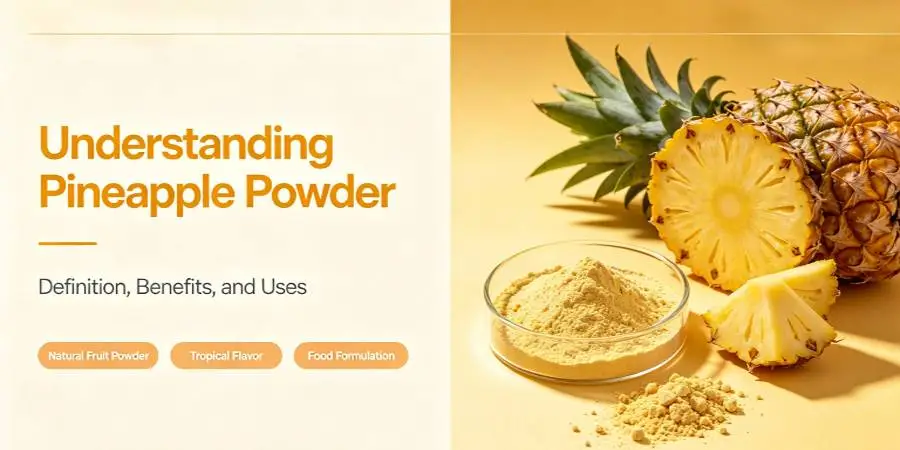
People who buy things for their businesses in the food, drink, cosmetics, and nutraceutical industries are still becoming more interested in pineapple powder in 2026. Fresh Ananas comosus fruit is spray-dried or freeze-dried to make this natural fruit powder. It keeps the tropical flavor, health benefits, and bioactive compounds (especially bromelain) that food companies want. The "clean label" trend is growing quickly in North America, Europe, and Southeast Asia. Buyers all over the world are discovering that standard, shelf-stable pineapple fruit powder helps with new product ideas and standing out in the market.
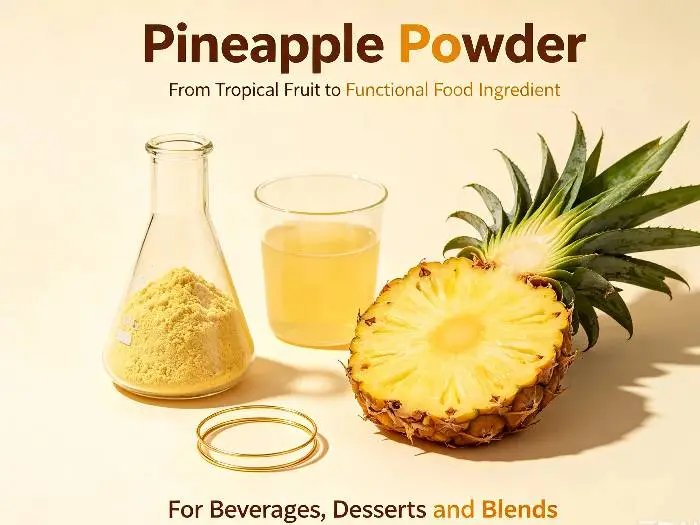
Understanding Pineapple Powder: Definition, Benefits, and Uses
Modern spray-drying or freeze-drying methods are used to dry out good pineapple juice or pulp to make pineapple powder. Fresh fruit that goes bad quickly is turned into an ingredient that is concentrated and low in moisture. It keeps all of its natural enzymes, nutrients, and strong tropical taste.
Production Methods and Product Variants
Most of the time, pineapple juice or mush is broken up into tiny pieces and put in hot air to make spray-dried pineapple powder. The powder that is left over can be mixed with water and run easily. It's great for making drinks quickly and useful drink mixes. You have to pay more to make freeze-dried forms, but they keep more chemicals that are sensitive to heat and keep color and taste better. People who care about their health like organic-approved powders, and normal food-grade powders are a good mix of price and quality. You can get juice powder concentrates from some suppliers with or without carriers like maltodextrin. This lets you make precise changes for different recipes.
Nutritional Advantages and Bioactive Compounds
Some of the health benefits of pineapple are stronger because pineapple powder is so concentrated. Due to its high vitamin C, dietary fiber, and natural fruit acids, the powder helps keep your immune system and digestive system in good shape. An enzyme called bromelain is the most important part. It has been shown to help break down proteins and lower inflammation. The powder has more nutrients per gram than fresh fruit, which is mostly water. This makes it useful for functional foods, vitamin pills, and gummies. Studies show that powder that has been handled properly still has a lot of antioxidant power. This makes the product useful in nutraceutical medicines.
Versatile Industry Applications
People who make food and drinks put pineapple powder in sports nutrition, protein blends, functional drinks, and juice mixes. The powder's solubility and strong taste make it more appealing to customers without using any fake ingredients. In the supplement business, bromelain-rich powder is an important part of stomach enzyme mixes and items that help with inflammation. In cleansers, masks, and serums that exfoliate, cosmetic companies use pineapple powder. The powder has natural alpha-hydroxy acids and bromelain that help skin renew itself in a gentle way. Pharmaceutical businesses are looking into pineapple extracts for OTC stomach aids and beauty uses because the enzyme has been shown to work in living things.
Pineapple Powder vs Alternatives: Making the Right Choice for Your Business
Procurement teams can get tropical fruit from a number of different places when they want to add it to their products. Learn about the pros and cons of pineapple powder vs. other choices so you can get the best price, performance, and supply chain security.
Fresh Pineapple and Juice: Logistics and Consistency Challenges
Fresh pineapple has the best taste, but it's very hard for producers to make it. When there is a lot of water in the product, it costs more to ship, it's harder to keep cool, and the supply changes with the seasons. As helpful as juice concentrate is, it still needs to be kept cold, and the tastes can vary from one batch to the next. Powder is the best choice for large-scale production that needs to meet the needs of many markets because it has shelf stability and doesn't change.
Dried Pineapple Pieces and Extract Powders
Dried pineapple bits are good as a snack or in a cake, but they don't mix well with drinks or vitamins and need to be changed in some other way. For pharmaceutical-grade formulas, pineapple extract powders must be standardized to a certain level of bromelain activity. This is because the enzymes need to work really well. Most of the time, extract powders are more expensive than whole-fruit powders, and they don't have as many flavors. Because of this, they work well in medicines but not so well in drinks and foods that need to add a lot of flavor.
Organic Certification and Market Positioning
Brands that want to reach health-conscious, high-end customers like to use organic pineapple powder. The USDA Organic and EU Organic guidelines make sure that foods are grown without using synthetic herbicides or fertilizers. This is in line with the clean label trend. The price of organic versions is usually higher, but that's because they let you sell them in more high-end stores. Powders that are made for food are still a good choice for mass-market uses where certification isn't as important. This lets buying teams balance budget concerns with goals for brand image.
Choosing the right format hinges on your product's functional requirements, target market, and supply chain priorities. Evaluating these factors ensures alignment between ingredient choice and business objectives.
How to Source and Procure Quality Pineapple Powder Globally
You need to know how the global market works and carefully evaluate suppliers if you want to get high-quality pineapple powder. At the top of the list for procurement workers should be certifications, quality assurance protocols, and regional sourcing strategies. This will lower the risk and make sure that goods are always the same.
Certifications and Quality Assurance Standards
GMP-certified factories follow strict rules when making their products. This keeps them from getting contaminated and makes sure that every batch is the same. ISO 9001 for quality management and ISO 22000 for food safety show that an organization has a strong way of running its business. Approvals for organic farming show that the methods used are clean. Buyers should ask for Certificates of Analysis for each batch along with the certificates. This paperwork should have a list of the heavy metal levels, chemical leftovers, bacteria that were harmed, and bromelain activity. Traceability documentation that links finished powder to farms helps people stay loyal to the brand and follow the rules.
Evaluating Supplier Capabilities and Reputation
The research and development (R&D) teams of the top providers can change the flavor strength, stability, and sweetness to fit the needs of different formulas. With OEM and ODM support, you can make your own brands. This speeds up the process of putting new goods on the market. The brands that make drinks and supplements need a steady batch supply because they have to stick to tight production plans. Suppliers who have flexible minimum order quantities can work with smaller brands and pilot runs. On the other hand, suppliers who have a lot of stock can handle big orders. A good reputation is important.
Regional Sourcing and Pricing Benchmarks
Asia-Pacific, particularly Thailand, the Philippines, and China, make most of the world's pineapple powder because they have access to cheap raw materials and low production costs. If people in North America and Europe buy from local or near-shore suppliers, they may get faster lead times but pay more. Most of the time, the price per kilogram goes down with bulk purchasing. The savings get bigger when you buy more than 500 kg, then again when you buy more than 2,000 kg. Market data from 2026 shows that demand for functional and nutritional drinks has been steadily rising.
Effective procurement involves balancing cost efficiency with quality assurance. Engaging multiple suppliers, conducting on-site audits when feasible, and establishing long-term contracts with performance clauses protect your supply chain and brand reputation.
Storage, Shelf Life, and Quality Management of Pineapple Powder
How the item is handled after it has been bought affects both how well it works and how much money it makes. If you store, ship, and check the quality of pineapple powder the right way, it will keep its health and taste benefits over time.
Optimal Storage Conditions
It's best for pineapple powder to be cool and dry. Things should be kept between 15°C and 25°C and below 60% relative humidity so they don't soak up water and stick together. Being around air speeds up oxidation, which takes away taste and color. Food that is stored in vacuum-sealed cases or moisture-barrier packaging that keeps wetness out has a much longer shelf life. UV light can break down chemicals that are sensitive to it, so not too much light should be used. The first-in, first-out method of moving inventory is something that warehouse managers should use to get rid of old stock before it goes bad.
Detecting Quality Degradation
Key quality indicators can be seen by looking at something. Fresh pineapple powder is a light yellow to brown color. If it gets darker, it means it has either been oxidized or taken in water. It should smell sweet and nice. If it smells bad, it means the food is going bad or that microbes are growing. Lack of airflow can cause changes in texture, such as clumping or caking. The solubility test confirms functionality; powder that resists dissolution may have absorbed moisture. Periodic laboratory testing for microbial counts, bromelain activity, and vitamin C content validates ongoing quality compliance.
Transportation and Handling Best Practices
Keeping the temperature and humidity steady during transport keeps the quality from going down. If possible, shipping boxes should be able to keep their temperatures stable. To keep the bags from getting squashed and popping, don't put heavy things right on top of powder goods. It is easier to track shipments when there is documentation such as COAs, batch numbers, and production dates. After getting the powder, conduct immediate checks before long-term storage. These steps cut down on waste and safeguard product integrity.
Addressing Concerns and Maximizing Value: Safety, Side Effects, and Best Use Cases
For business-to-business buyers to get the most out of a product and build trust with customers, they need to know exactly what the safety factors are, how it can be used, and how sensitive it might be.
Safety Profile and Potential Sensitivities
A lot of people agree that it's safe to use pineapple powder in food and supplements. Some sensitive people may have mild stomach issues when they take a lot of bromelain, though. There are a few known cases of pineapple allergies, which is why labels on consumer goods need to be clear. If the product is to be used in pharmaceuticals, the dosage guidelines must match the bromelain enzyme units to make sure it works without harm. People in both the US and the EU think that food-grade pineapple powder is safe for everyday use.
Dispelling Common Misconceptions
Some people who buy fruit are afraid that dried fruit isn't as healthy as fresh fruit. Studies have shown that pineapple powder that has been processed properly keeps a lot of the vitamin C, fiber, and enzyme activity of fresh pineapple. If someone is concerned about additives, they should read the ingredient lists very carefully and look for things like maltodextrin or anti-caking agents that are used as carriers. They should also choose sources that offer clean-label options. Organic certification ensures cleaner cultivation practices and appeals to specific consumer segments.
Successful Application Examples
Energy drinks with a tropical flavor are made by the best functional drink companies with pineapple powder. For this reason, they can use the fruit's real taste and flavor without adding any fake stuff. Bromelain-rich Pineapple Fruit Powder is mixed with papain and lipase by companies that make stomach enzyme products. This helps the body receive nutrition and break down proteins. Cosmetic innovators use pineapple powder in facial masks and exfoliating scrubs, promoting gentle skin renewal and brightening effects. These real-world applications illustrate the ingredient's versatility.
Understanding safety considerations, debunking myths, and learning from successful implementations empower procurement teams to integrate pineapple powder confidently, enhancing product performance and market appeal.
Conclusion
Pineapple powder is a must-have for B2B buyers in 2026 who want to take advantage of the movement toward clean labels, useful benefits, and more efficient supply lines. It is an important ingredient for making new products because it has a lot of natural bromelain and a lot of different uses in the food, supplement, and beauty industries. Focusing on approved sources, strict quality management, and personalizing procurement strategies for each formulation are some of the ways that procurement professionals can get high-quality, reliable ingredients that set brands apart and make customers happy.
FAQ
Does powdered pineapple retain the same nutritional value as fresh fruit?
When pineapple powder is processed properly, many of its nutrients, such as vitamin C, dietary fiber, and bromelain, are preserved. Some vitamins that are sensitive to heat may lose some effectiveness when they are spray-dried, but most of the nutrients are still there when they are freeze-dried. Because it is more concentrated, powder often has more nutrients per gram than fresh fruit, making it useful in supplement and functional food applications.
What is the typical shelf life for bulk pineapple powder?
Spray-dried pineapple powder can be used for 18 to 24 months as long as it is kept cool, dry, and out of the light. Freeze-dried powder can last up to 36 months. You can tell how long the shelf life will be by how well it was packed, where it was kept, and how much water was in it at first. The suppliers should put expiration dates and storage instructions on the batch paperwork.
Which certifications are essential for bulk procurement?
GMP certification makes sure that the products being made are of good quality and are always the same. ISO 9001 and ISO 22000 check methods for quality management and food safety. Certified organic by the USDA or the EU is a must for high-end goods. To follow the rules and keep your customers safe, you also need to get COAs that show the limits for microbes, heavy metals, and pesticide residues.
Partner with Wellgreen for Premium Pineapple Powder Supply
People can trust Wellgreen Technology, which makes pineapple powder. A GMP-certified building, a lot of stock, and a lot of different licenses make them strong. Our freeze-dried and spray-dried pineapple powders are safe for food and meet strict EU and US standards for taste, solubility, and bromelain activity. We can help you with OEM, ODM, and private-label projects, and you can change the carrier, sweetness, and flavor strength to suit your needs. This makes sure that it can be tracked and meets all the rules: each batch has a full COA and bacteria report. Reach out to our procurement team at wgt@allwellcn.com to explore bulk pricing, request samples, and discuss your next product innovation with a reliable pineapple powder supplier.
References
1. Smith, J.L., & Martinez, R.A. (2025). Bioactive Compounds in Tropical Fruit Powders: Stability and Applications. Journal of Food Science and Technology, 62(4), 789-802.
2. Chen, H., & Kumar, P. (2024). Enzyme Activity Retention in Spray-Dried and Freeze-Dried Pineapple Powder. International Journal of Food Engineering, 20(3), 215-230.
3. European Food Safety Authority. (2023). Safety Assessment of Bromelain-Containing Food Ingredients. EFSA Journal, 21(8), e7845.
4. Global Market Insights. (2026). Tropical Fruit Powder Market Analysis: Trends, Demand, and Regional Outlook. Industry Report FP-2026-03.
5. Thompson, K.E., & Lee, S.Y. (2025). Clean Label Ingredients in Functional Beverages: Consumer Preferences and Formulation Strategies. Food Research International, 158, 111456.
6. Wang, X., & Patel, N. (2024). Quality Control and Traceability in Botanical Ingredient Procurement for Nutraceuticals. Journal of Pharmaceutical and Biomedical Analysis, 231, 115420.