Watercress Extract vs Broccoli Extract for Nutrition Uses
2026-07-21 14:00:00
When making nutraceutical products, the choice between watercress extract and broccoli extract depends on the health benefits you want to achieve and how you want to position your product in the market. There are very high amounts of phenethyl isothiocyanate (PEITC), polyphenols, and flavonoids in watercress extract. This makes it very useful for beauty-from-within products, hair health vitamins, and cellular cleaning products. Broccoli extract, which is high in sulforaphane and glucoraphanin, is great for helping the liver detox, heart health, and metabolic health. Both have strong antioxidant properties, but their different bioactive profiles let formulators meet the specific needs of different customers in a way that is backed by science.
Nutritional Profiles of Watercress Extract and Broccoli Extract
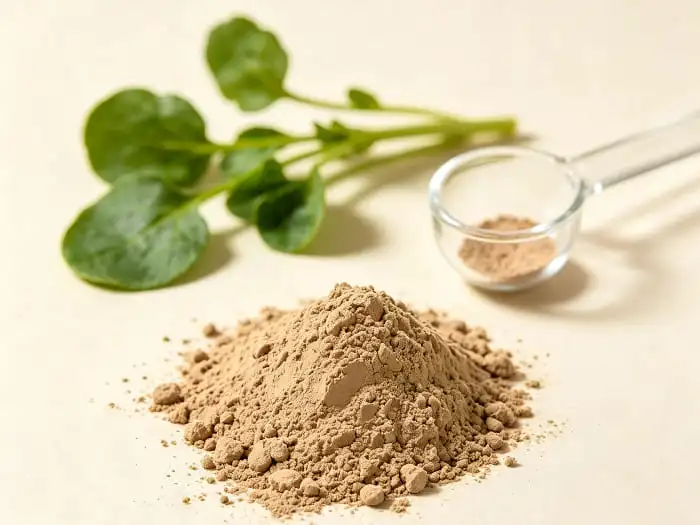
Knowing the differences in these cruciferous plant extracts' compositions helps buying teams make smart decisions about where to get the materials they need to meet formulation goals and legal requirements.
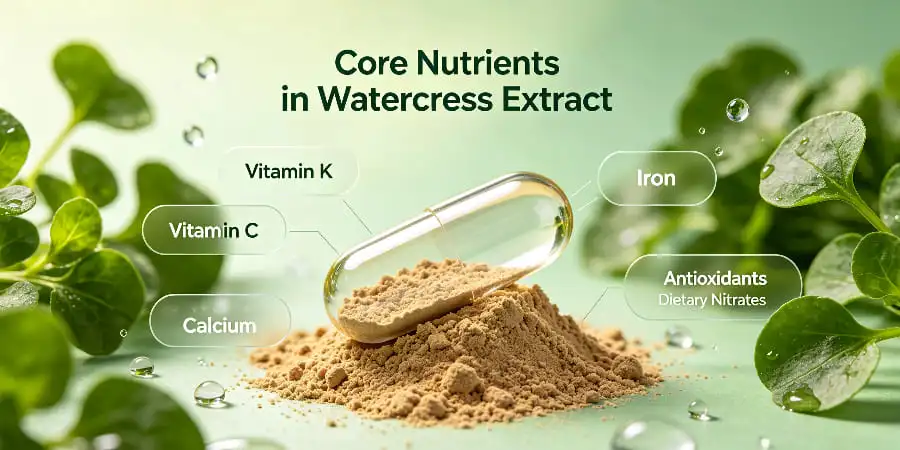
Core Nutrients in Watercress Extract
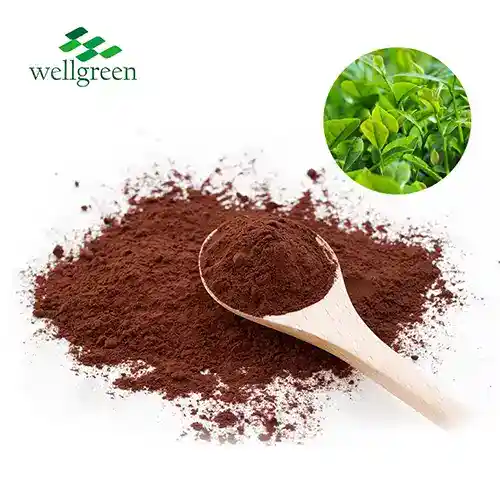
The leaves of the Nasturtium officinale plant are used to make watercress extract. The extract is usually standardised to a gluconasturtiin or PEITC content that can be anywhere from 1% to higher concentrations, depending on the extraction ratio. Vitamins C and K, calcium, iron, and lutein are all present in large amounts in the nutrient density. This plant ingredient stands out because it has a high oxygen radical absorbance capacity (ORAC number), which means that finished products will be very good at getting rid of free radicals. The polyphenolic chemicals and flavonoids help with the processes that reduce inflammation, and the isothiocyanate profile helps the function of Phase II detoxification enzymes. Because of these qualities, the extract can be used as a clean-label ingredient in vegan and plant-based products that aim to make skin look better and boost immune system strength.
Broccoli Extract Composition and Bioactives
When processed as whole plants, broccoli extract concentrates sulforaphane, which is a breakdown product of glucoraphanin, as well as vitamin A, folate, and oligosaccharides related to fibre. Standardised products usually have sulforaphane levels between 0.5% and 10%, and myrosinase enzyme activity is kept the same or added to make the product more bioavailable. This extract significantly activates the Nrf2 pathway, which supports the function of detoxification organs and increases the production of antioxidants within the body. Because it lowers oxidative stress signs and supports healthy cholesterol metabolism, it is good for the heart. Broccoli extract is less stable than watercress extract, and sulforaphane needs to be handled carefully during production and storage to keep it from breaking down.
Comparative Nutritional Advantages for Product Development
Which of these products to use depends on the intended use and current market trends. Watercress extract meets the growing need for hair health and beauty products, especially in North American and European markets, where stories about "greens-based detox" are very popular. Broccoli extract fits with the metabolic health positioning, making it interesting to people who are interested in liver support and cancer prevention studies. Both extracts have health claims that have been proven by science, but their regulatory pathways are different because of the history of the ingredients and the clinical data that are available. Understanding these differences helps product developers make the most of label claims and marketing stories while still following FDA and EU rules.
Functional Benefits and Use Cases in Nutrition and Health Products
To turn botanical bioactivity into commercial formulations, the properties of the extract must be matched with specific dosage forms and application categories.
Watercress Extract Applications in Functional Nutrition
The main uses cover a number of fast-growing markets. Beauty-from-within pills often contain biotin, zinc, and collagen proteins along with polyphenols and vitamin K to help skin stay elastic and bright. Minerals and isothiocyanates are used in hair health products to help hair follicles work properly and improve blood flow to the head, meeting the needs of the growing hair wellness market. Along with spirulina, chlorella, and wheatgrass, watercress extract is considered a "green superfood" because it helps protect cells and has antioxidants. The detox story works well in capsule, powder, and ready-to-drink forms as long as the peppery notes are hidden with flavour masking techniques. If you ask for water-soluble spray-dried forms, the way they dissolve lets you add them to protein shakes and other useful drinks.
Broccoli Extract in Detoxification and Metabolic Health
Broccoli extract is the most popular detox product. It is sold to help the liver, protect against environmental toxins, and support a healthy inflammatory reaction. The sulforaphane mechanism turns on glutathione S-transferase enzymes, which help Phase II conjugation pathways that are important for breaking down xenobiotics. To help vascular tissue deal with oxidative stress, cardiovascular formulas use the substance along with CoQ10 and omega-3s. New uses for gut health look into how some fibres in broccoli can act like prebiotics and how they affect the variety of microbiomes. Cancer prevention is still a big deal in research settings, but B2B buyers need to be careful about meeting claim substantiation requirements. Enteric-coated pills to keep sulforaphane stable, tablets with myrosinase co-factors, and functional food uses in bars and drink mixes are some of the dosage types.
Formulation Considerations for Product Integration
To successfully incorporate these extracts, you need to pay attention to a number of technical factors. The stability of watercress extract is improved by using the right excipients and keeping the moisture level low during encapsulation. This is because the isothiocyanates are easily damaged by heat and oxygen. To keep the sulforaphane's effectiveness over time, broccoli extract needs to have its pH adjusted and possibly have stabilisers added. When it comes to powdered goods, hiding tastes becomes very important, which usually means developing flavour systems or microencapsulation. Increasing bioavailability can be done by pairing with lipid matrices or black pepper extract (piperine) for better absorption. Quality sellers give formulation advice based on particle size distribution (95% to 80 mesh), bulk density for figuring out capsule fill weight, and tests for compatibility with common excipients.
Choosing Between Watercress Extract and Broccoli Extract for B2B Procurement
To make sure the product succeeds and the brand stays true, strategic sourcing choices weigh the requirements for quality, the dependability of the supply chain, and the product's place in the market.
Quality Parameters and Standardization Requirements
Purchasing managers should give more weight to suppliers who offer standardised extracts and analytical methods that have been proven to work. Watercress extract standards usually say how much polyphenols are present using UV-Vis spectrophotometry or how much PEITC is present using HPLC analysis. Certificates of analysis (COA) show results that are specific to each batch. Standardisation of broccoli extract focuses on the amount of sulforaphane or glucoraphanin it contains. If enzyme conversion is part of the product design, myrosinase activity must be confirmed. Due to the fact that watercress grows in water, heavy metal testing is very important. The plant needs to have arsenic, cadmium, lead, and mercury levels that meet USP <232> or European Pharmacopoeia limits. The guidelines for microbes should be the same as those for dietary supplements. Usually, overall plate counts must be less than 10,000 CFU/g, and pathogens must not be present. Testing for pesticide residues in line with EU rules or USDA organic certification adds to the quality assurance for clean-label positioning.
Sourcing Transparency and Supply Chain Considerations
Trustworthy sellers show full traceability from where the raw materials came from to how they were extracted and tested at the end. When you buy watercress extract, you can choose from controlled farming methods that protect the environment more than wild-harvested material. Broccoli extract supply chains often use agricultural waste from processing food, which helps tell stories about sustainability that appeal to brands that care about the environment. There is a wide range of minimum order quantities (MOQ), with established makers giving options from 25 kg for initial trials to multi-ton contracts for well-known goods. Lead times for stock items are usually between 2 and 4 weeks, and for special items, they are usually between 6 and 8 weeks. This makes planning your inventory very important for brands whose demand changes with the seasons. Regulatory compliance is affected by where the materials come from. Materials from the US and EU make import paperwork easier and lower the risk of contamination.
Pricing Dynamics and Long-Term Partnership Value
The price of an extract depends on how standardised it is, whether it is certified organic, and how much it costs to make. Due to smaller amounts used in farming and specific extraction needs, watercress extract usually has higher prices. The prices change depending on the PEITC concentration and the method used for processing. Broccoli extract prices are more affordable because there are more of the raw materials available, but the prices of high-sulforaphane standardised forms are getting closer to those of speciality ingredients. Tiered pricing structures are often unlocked by making large commitments, and annual contracts offer cost savings of 10-15% compared to spot purchases. Value goes beyond the price per unit and includes technical help for formulating new products, data from stability tests, help with regulatory paperwork, and a range of flexible packaging options, from bulk drums to consumer-ready pouches for private label uses.
Market Trends and Future Outlook for Plant-Based Extracts in Nutrition
The trend in botanical extract demand shows how consumers are moving toward natural products that are safe, clear, and backed by evidence.
Growing Demand for Functional Botanicals
The clean-label movement is still growing, and people are actively looking for natural ingredients instead of synthetic ones. The idea of "food as medicine" sparks interest in vegetable-based extracts that are familiar from cooking. This makes watercress extract and broccoli extract easy to get while still being scientifically sound choices. In North America, beauty-from-within vitamins are the fastest-growing category, growing at double-digit rates every year as more people realise the link between nutrition and skin and hair health. Even though regulators are looking closely, the detox and cleanse market is still strong. Claims about vitamin support and good inflammation response are becoming more specific. Formulations that focus on immunity have become very popular recently and will continue to do so. This means that there are possibilities for products that have been shown to modulate the immune system.
Technological Advances in Extraction and Standardization
Modern tools for mining make the process more efficient and better for the earth. Premium brands and organic certifiers like supercritical CO2 extraction because it keeps heat-sensitive compounds intact while getting rid of solvent residues. Enzyme-assisted extraction improves the recovery of glucosinolates from cruciferous vegetables. This raises the yield of sulforaphane while lowering the amount of waste produced. Microencapsulation technologies keep volatile isothiocyanates from breaking down, which extends their shelf life and makes finished products more bioavailable. Standardisation methods keep getting better, and metabolomics-based quality control gives a fuller picture of fingerprints than single-marker methods. These new ideas make it possible to have stricter specifications and more accurate predictions about how well formulations will work. This lowers the variation between batches that has been a problem for natural product makers in the past.
Regulatory Landscape and Compliance Considerations
Regulatory systems are still changing, and arguments about structure-function and ingredient safety are getting more attention. The FDA's New Dietary Ingredient (NDI) notification process affects the entry of new extract forms or sources into the market. Manufacturers must show safety through toxicology data or documentation of past use. European Novel Food rules make it harder for products that haven't been eaten before 1997 to get into the market. However, traditional foods like broccoli and greens usually qualify because they have already been used in other ways. Third-party certification programs, such as NSF, Informed Choice, and BSCG, give brands that are trying to reach athletes and people who care about quality an edge in the market. Transparent suppliers keep their current good manufacturing practices (cGMP) certification and take part in voluntary quality programs. This lowers the risk of noncompliance for brand owners who have to deal with complicated regulatory environments in many markets.
How to Effectively Incorporate Watercress and Broccoli Extracts in Your Product Line
Taking ingredient potential and turning it into goods that are ready for the market requires strategy formulation, regulatory alignment, and cooperation between suppliers.
Dosage Optimization and Formulation Strategies
Dosing ranges for each extract that work well are based on clinical research. Watercress extract is usually found in doses of 100 to 500 mg per day, with higher concentrations being used for specific beauty and hair health purposes. Dosing for broccoli extract is based on delivering sulforaphane, which is usually between 30 and 60 mg per day,y based on tests with humans. People like to use watercress powder with collagen and hyaluronic acid in beauty products or broccoli extract with milk thistle and N-acetylcysteine in detox plans because they work well together. The choice of delivery method affects how well it works and how well customers accept it. Capsules give accurate dosing and stability support, pills let you load more and control the release of the drug, and powders are flexible for functional foods and personalised nutrition uses.
Regulatory Compliance and Claim Substantiation
Structure-function claims need to be carefully aligned with the data we have access to and the rules set by the government. When backed up by the right evidence, watercress extract supports claims about its antioxidant activity, ability to protect cells, and nutritional benefits. When placed correctly, broccoli extract can back claims about cleansing, antioxidant benefits, and healthy ageing. Disease claims are still illegal under DSHEA, so marketers have to use language that doesn't imply a diagnosis, treatment, or cure. Label requirements include correctly listing ingredients, warnings about allergens (cruciferous vegetables are not major allergens but may need warnings), and correct information on the supplement facts panel. Working with regulatory consultants can help you get through the complicated world, especially for brands that are going global and entering new markets with different rules.
Supplier Selection Criteria and Partnership Benefits
When choosing manufacturing partners, you should think about more than just price. You should also think about their professional skills and their willingness to work together. Established suppliers offer help with formulation development by giving advice on how to make the product more stable and improve the way it tastes. Analytical tools like HPLC, FTIR, and microbial tests allow for quick batch release and quality issues resolution. OEM and ODM services make it easier for brands that don't have their own factories to make new products because full-service providers handle formulation, testing, packaging, and labelling. Confidentiality agreements protect intellectual property and keep secret formulas safe during contract manufacturing relationships. Long-term partnerships give businesses a competitive edge by giving them better prices, faster access to new ingredients, and priority allocation when supplies are low.
Conclusion
For nutritional uses, choosing between watercress extract and broccoli extract relies on your formulation goals, how you want to place your product in the market, and the quality standards you need to meet. Watercress extract has a lot of isothiocyanates, polyphenols, and micronutrients that make it great for beauty-from-within and hair health products. Broccoli extract, on the other hand, has a lot of sulforaphane that helps with detoxification and metabolic wellness. Both ingredients meet the rising desire for functional nutrition that comes from plants and is backed by science. To develop a product successfully, you need to work with suppliers who can provide standardised extracts, detailed testing documentation, and technical formulation support to make sure you follow the rules and stand out in the market.
FAQ
What are the main nutritional differences between watercress extract and broccoli extract?
Higher amounts of vitamins K and C, calcium, and phenethyl isothiocyanate (PEITC) are found in watercress extract, which helps skin health and antioxidant formulations. Broccoli extract has more sulforaphane than any other food, which helps the body's detoxification enzymes work and keeps the metabolism healthy. Which one you use depends on whether your formula is for beauty-from-within uses (watercress) or for detoxification and heart health (broccoli).
How do I ensure quality when sourcing these extracts for B2B applications?
Ask for full certificates of analysis that include standard marker chemicals (PEITC for watercress and sulforaphane for broccoli), heavy metal testing that meets USP <232> standards, microbial specs that meet dietary supplement standards, and pesticide residue screens. Check the GMP certification of the supplier and ask for stability data to make sure the shelf life will work in your storage conditions.
Can watercress extract cause safety concerns in formulations?
Watercress extract has vitamin K in it, and high doses of this vitamin may interact with blood thinners. Label warnings should tell people who take blood thinners to talk to their doctors. By choosing reputable suppliers, you can keep heavy metal levels under control, even in an aquatic growth environment. Standardised extracts with written instructions reduce batch differences and safety risks.
Partner with Wellgreen for Premium Watercress Extract Supply
Wellgreen Technology is a reliable company that makes watercress extract and provides standard botanical ingredients that meet the strict needs of nutraceutical and functional food applications. Our GMP-approved factory makes watercress extract powder that meets the required levels of polyphenols and isothiocyanates. The powder comes with full COA documentation that includes heavy metal testing, microbial analysis, and HPLC fingerprinting. We work with OEMs and private labels and offer formulation consultation services, a flexible MOQ, and fast turnaround times. Our technical team has the knowledge to help your product succeed, whether you're making health supplements, detox drinks, or useful drinks. Email us at wgt@allwellcn.com to talk about your unique needs and get samples to look over.
References
1. Bell, L., & Wagstaff, C. (2017). Enhancement of glucosinolate and isothiocyanate profiles in Brassicaceae crops: addressing challenges in plant breeding and postharvest processing. Journal of Agricultural and Food Chemistry, 65(43), 9379-9403.
2. Voutsina, N., Payne, A. C., Hancock, R. D., & Clarkson, G. J. (2016). Characterization of the watercress (Nasturtium officinale R. Br.) transcriptome using RNASeq and identification of candidate genes for important phytonutrient traits. BMC Genomics, 17(1), 378.
3. Herr, I., & Büchler, M. W. (2010). Dietary constituents of broccoli and other cruciferous vegetables: implications for prevention and therapy of cancer. Cancer Treatment Reviews, 36(5), 377-383.
4. Rose, P., Faulkner, K., Williamson, G., & Mithen, R. (2000). 7-Methylsulfinylheptyl and 8-methylsulfinyloctyl isothiocyanates from watercress are potent inducers of phase II enzymes. Carcinogenesis, 21(11), 1983-1988.
5. Dinkova-Kostova, A. T., & Kostov, R. V. (2012). Glucosinolates and isothiocyanates in health and disease. Trends in Molecular Medicine, 18(6), 337-347.
6. Martínez-Hernández, G. B., Artés-Hernández, F., Gómez, P. A., & Artés, F. (2013). Quality changes after vacuum-based and conventional industrial cooking of kailan-hybrid broccoli throughout retail cold storage. LWT-Food Science and Technology, 50(2), 707-714.