A Deep Dive into Green Tea Extract and its Profound Health Benefits
2026-05-25 16:05:52
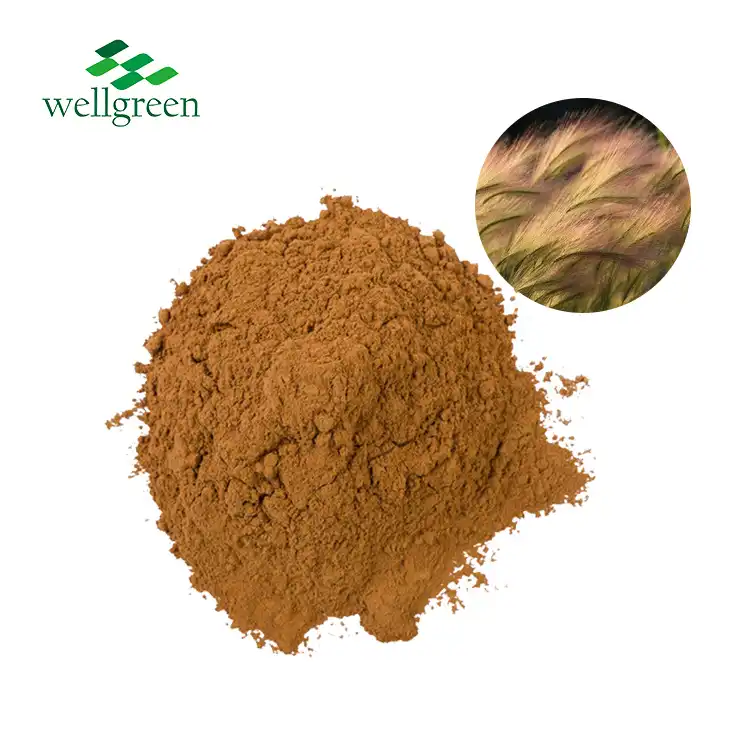
Green tea extract has changed the way nutraceuticals and functional ingredients are made. It does this by providing concentrated polyphenols, especially epigallocatechin gallate (EGCG), that improve health in a measured way. Advanced extraction methods were used to get this botanical powerhouse from Camellia sinensis leaves. It meets important industry needs for standardized bioactive content, thermal stability, and formulation compatibility across supplements, drinks, and cosmetics. As people learn more about natural antioxidants and metabolic support, it can be both easy and hard for B2B procurement teams to find suppliers who can meet legal requirements while also being able to produce large amounts of products.
Understanding Green Tea Extract: Composition and Health Benefits
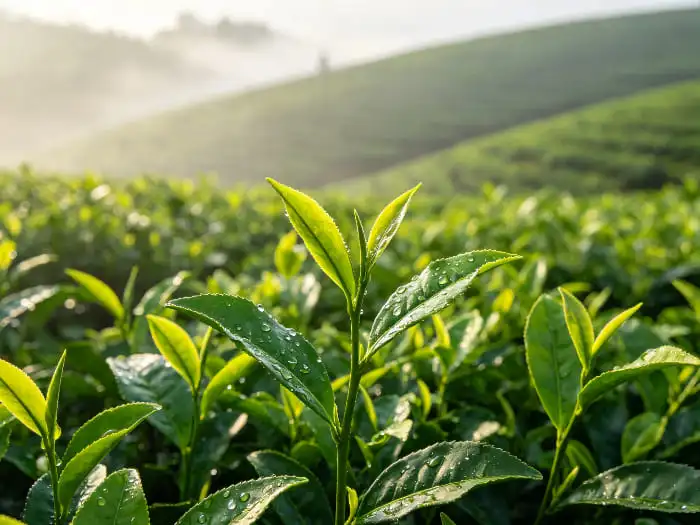
The Biochemical Profile Behind Market Demand
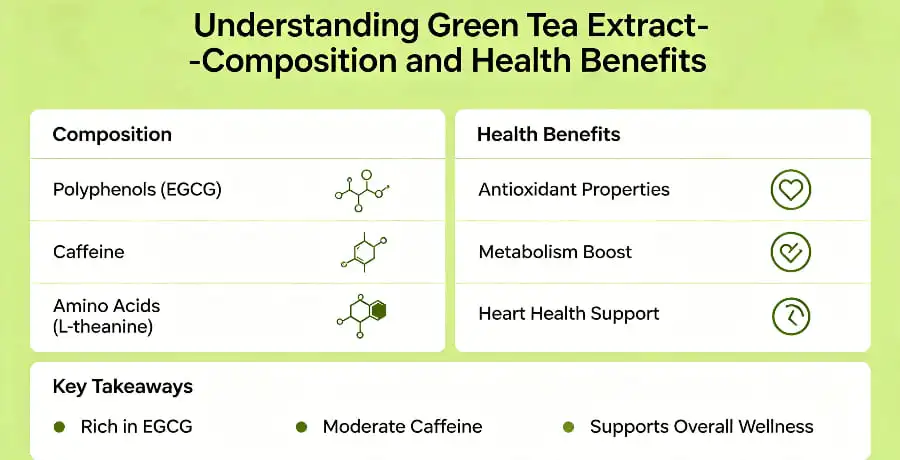
Green tea polyphenols make up between 30% and 98% of standardized extract compositions, based on how it was processed. EGCG, the catechin that has the most medical benefits, makes up 15% to 50% of these products on average. Pharmaceutical-grade extracts are very carefully cleaned to separate flavan-3-ols from tannins and alkaloids, which is different from regular tea powders. This improvement makes it possible to give exact doses in clinical formulations and get the same results from batch to batch. It has been measured that catechins are better at fighting free radicals than vitamins C and E. This means that they can help with lipid peroxidation in nutritional formulations and free radical damage in skin care products. More and more, procurement teams are looking for sellers with Certificate of Analysis (CoA) documents that list catechin profiles. This is because claims of a "polyphenol percentage" that aren't specific enough for formulation R&D aren't helpful.
Validated Health Applications Across Sectors
Green tea catechins have been shown to be helpful in a number of medicinal areas. When living changes are made along with metabolic health studies, fat burning goes up and weight loss is only slightly helped. Endothelial function improvement and LDL oxidation decrease are what help the heart. In cosmetics, EGCG applied to the skin stops matrix metalloproteinases (MMPs) from working when UV light hits it, which slows down the aging process. Because it reduces inflammation, it can help with diseases caused by oxidative stress. But B2B buyers need to make sure that partners further down the supply chain know that these extracts are not pharmaceutical treatments but rather ingredients that work with other medicines. Overpromising effectiveness hurts the trustworthiness of a brand and makes regulators look more closely at it. Scientific evidence and realistic expectations about what will happen should be balanced in responsible product positioning. This protects both manufacturers and end customers.
Addressing Common Misconceptions in Product Development
People still have the wrong ideas about green tea polyphenols when they make business products. The idea that products with higher percentages of polyphenols are immediately better doesn't take into account problems with bioavailability and matrix interactions. A 98% extract might not mix well with water in drinks, so spray-dried or microencapsulated versions are needed. It's important to understand the context of claims about "fat-burning" properties. Catechins boost thermogenesis slightly but can't get rid of a person's excess calories. The best way for procurement experts to help their clients is to work with suppliers who offer application-specific advice instead of general technical datasheets. By understanding these subtleties, you can avoid expensive rounds of reformulation and regulatory pushback.
Safe Usage of Green Tea Extract: Dosage, Side Effects, and Precautions
Establishing Efficacious Yet Safe Dosing Parameters
Nutraceutical products usually contain 250 mg to 500 mg of standardized green tea extract powder per dose, which is calculated to provide 100 mg to 200 mg of EGCG every day. Weight loss products may contain up to 400 mg of EGCG, but in some markets, dosages higher than this are closely watched because of worries about hepatotoxicity linked to misuse in a few cases. Even stricter requirements are needed for pharmaceutical applications, which need validated dosing methods that are in line with pharmacokinetic studies. Bioavailability is affected by when it is taken. Eating extracts with food can help with stomach problems, but it may slightly lower the intake of catechins. Solicitation teams should ask suppliers for dosing information that is based on written research instead of marketing literature. They should also make sure that the formulations match the safety profiles accepted by the FDA, EFSA, and other similar agencies.
Navigating Caffeine Content and Formulation Trade-Offs
The amount of caffeine in green tea leaves changes a lot depending on how they are processed. Standard extracts have between 2% and 5% caffeine, which can be a problem for goods used at night or for people who are sensitive to caffeine. Decaffeinated versions (with less than 1% caffeine) solve this issue, but they may lose some of their polyphenol stability when stored. Energy drink makers often use a moderate amount of caffeine as a functional benefit, while sleep-supporting goods need to be decaffeinated very thoroughly. Manufacturers can balance the effects of stimulants with the positioning of their products by using custom specs. Suppliers that offer adjustable caffeine parameters show the formulation freedom that is needed for a wide range of products.
Quality Assurance and Regulatory Compliance Imperatives
Heavy metal pollution, microbial load, and pesticide residues are all quality control standards that must be met. Authenticated third-party labs test raw materials, keep an eye on the production process, and check the finished product at multiple stages. Systemic quality assurance systems are provided by ISO 22000, GMP, and HACCP certifications. Different regulatory environments exist. For example, the US's DSHEA rules on dietary supplements are different from the EU's tougher Novel Food rules. Professionals in procurement must make sure that sellers keep detailed records of all shipments so that problems can be quickly fixed. This care protects the value of the brand and lowers the risk of liability in foreign markets.
Navigating the Procurement Landscape: How to Source Quality Green Tea Extract
Establishing Supplier Evaluation Criteria
Assessing the industrial infrastructure is the first step in screening suppliers. GMP-certified facilities with tested extraction equipment make sure that the standard can be repeated. Asking for site audit reports or inspection certifications from a third party shows that operations are mature. Supply chain integrity is shown by being open about where the raw materials come from, ideally with the ability to track them back to specific tea-growing regions. It should be easy for suppliers to give batch-specific COAs that include catechin profiles, heavy metals screening, microbial tests, and solvent residue analysis. Not wanting to share paperwork could mean that quality is being compromised.
The connection between the buyer and the supplier goes beyond simple transactions. A lot of value is added by technical support services like formulating help, stability testing help, and regulation advice. This method is shown by Wellgreen Technology, which offers custom polyphenol specs ranging from 30% to 98% along with controlled caffeine parameters made to fit the needs of each client. Their GMP-certified production makes sure that each batch is the same, and they keep a lot of stock on hand to make sure that they can always meet customer needs. These kinds of partnerships give product developers the confidence to come up with new ideas because they know that any technology problems will be solved by experts.
Understanding Bulk Procurement Dynamics
Price structures are greatly affected by promises to volume. Minimum order quantities (MOQs) can be different from one supplier to the next. For example, established manufacturers may only let you buy by the pallet, but contract manufacturers are more open to buying smaller amounts for new names. Framework agreements with tiered pricing are good for businesses that are growing as their production increases. For foreign purchasing, payment terms, lead times, and coordinating logistics become more and more important. Good inventory management by suppliers keeps production from being held up, which can be expensive, especially when demand goes up during certain times of the year or when there are problems in the supply chain.
Evaluating Direct Supplier Relationships Versus Trading Platforms
Direct partnerships with manufacturers offer more openness, customization choices, and the chance to work together on technical issues. Trading platforms are useful, but they can hide information about the supply chain and make it harder to get help with formulation. Serious business-to-business buyers put a high value on building relationships with green tea extract powder centers that can support long-term product development plans. The time and money spent on qualifying suppliers pays off in the form of consistent quality, quick contact, and working together to solve formulation problems.
Strategic Application: How Businesses Can Leverage Green Tea Extract in Products?
Functional Beverage Innovation Opportunities
More and more energy drinks and health drinks contain green tea polyphenols as a clean-label antioxidant. Formulators deal with problems with solubility by making spray-dried or microencapsulated versions that stay clear without settling. Citrus-flavored goods need special processing to keep the polyphenols from breaking down because they have an acidic pH. Another worry is that the extracts can change color from light yellow to reddish brown based on how they are concentrated and processed. When you work with suppliers who have experience with beverage applications, you can avoid expensive reformulation processes and get your product to market faster.
Weight Management and Metabolic Support Products
Because catechins raise body temperature, they are often found in fat-loss supplements. Synergistic formulations are made by mixing high-EGCG extracts with herbs that work well together, such as capsaicin or conjugated linoleic acid. Increasing bioavailability by adding piperine or phospholipids makes smaller doses work better. This group is mostly made up of tablet and capsule formats, which need exact bulk density specs for automated encapsulation equipment. OEM partners like providers who can work with them to make custom blend ratios and give them stability data to back up their shelf life claims.
Cosmeceutical Integration and Dermal Applications
Green tea polyphenols are used by skin care companies in anti-aging serums, sunscreens, and healing creams. Formulation scientists have to deal with pH sensitivity. Catechins break down quickly above pH 6, so buffering systems need to be used between pH 4.5 and 5.5. Polyphenols are kept from oxidizing by encapsulation technologies, which also allow controlled release in emulsion systems. Anti-inflammatory and UV-protective qualities help fight photoaging, which makes them appealing to cosmetic brands that are based on science. In the personal care market, regulatory approvals go more smoothly when suppliers offer cosmetic-grade licenses and low microbial counts.
Conclusion
Green tea extract is an important ingredient for making health-focused products because it has benefits that have been proven by science in nutraceutical, beverage, and skincare uses. Standardized potency needs to be balanced with application-specific factors like solubility, stability, and caffeine content in order for procurement methods to work. Working with honest and highly skilled suppliers is the best way to make sure that your formulations work and that you stay in line with regulations. Businesses that have reliable green tea polyphenol sources gain a competitive edge in the rapidly changing wellness markets as customer demand for natural, effective ingredients grows.
FAQ
What constitutes an effective daily dosage for metabolic support formulations?
Clinical studies typically employ 250mg to 500mg of standardized extract delivering 100mg to 200mg EGCG daily. Dosages should remain below regulatory thresholds while providing measurable outcomes, with formulation adjustments based on target demographics and concurrent ingredient interactions.
How do suppliers control oxidation stability during storage?
Reputable manufacturers employ nitrogen flushing, light-protective packaging, and moisture control to extend shelf life. Requesting stability studies under accelerated conditions (40°C/75% RH) verifies claimed expiration dates and guides storage recommendations for finished products.
Can green tea polyphenols integrate into beverage systems without discoloration?
Specialized water-soluble spray-dried extracts maintain clarity in acidic formulations. Color stability depends on polyphenol concentration, pH environment, and packaging—UV-protective bottles mitigate photodegradation. Consulting with suppliers experienced in beverage applications prevents formulation pitfalls.
Partner with Wellgreen for Premium Green Tea Extract Solutions
Wellgreen Technology operates GMP-certified manufacturing facilities producing green tea extract powder in customizable polyphenol specifications from 30% to 98%, addressing diverse formulation requirements across supplement, beverage, and cosmetic industries. Our technical team collaborates closely with product developers to optimize caffeine levels, ensure solubility parameters, and maintain oxidative stability throughout shelf life.
As an established green tea extract supplier, we maintain substantial inventory enabling rapid fulfillment without compromising quality standards. Comprehensive testing protocols—including third-party verification of heavy metals, microbial contaminants, and catechin profiles—support your regulatory compliance objectives. OEM customization capabilities accommodate unique blend ratios and packaging specifications.
Contact our procurement specialists at wgt@allwellcn.com to discuss your project requirements, request technical datasheets, or arrange sample evaluation. Experience how strategic supplier partnerships accelerate product development while maintaining uncompromising quality standards.
References
Higdon, J. V., & Frei, B. (2003). Tea catechins and polyphenols: health effects, metabolism, and antioxidant functions. Critical Reviews in Food Science and Nutrition, 43(1), 89-143.
Cabrera, C., Artacho, R., & Giménez, R. (2006). Beneficial effects of green tea—a review. Journal of the American College of Nutrition, 25(2), 79-99.
Lambert, J. D., & Elias, R. J. (2010). The antioxidant and pro-oxidant activities of green tea polyphenols: a role in cancer prevention. Archives of Biochemistry and Biophysics, 501(1), 65-72.
Hursel, R., Viechtbauer, W., & Westerterp-Plantenga, M. S. (2009). The effects of green tea on weight loss and weight maintenance: a meta-analysis. International Journal of Obesity, 33(9), 956-961.
Rains, T. M., Agarwal, S., & Maki, K. C. (2011). Antiobesity effects of green tea catechins: a mechanistic review. The Journal of Nutritional Biochemistry, 22(1), 1-7.
Katiyar, S. K., & Elmets, C. A. (2001). Green tea polyphenolic antioxidants and skin photoprotection. International Journal of Oncology, 18(6), 1307-1313.