Does Cinnamon Extract Help Diabetes? Benefits and Interactions
2026-05-26 14:00:00
Yes, cinnamon extract may help with managing diabetes by making insulin work better and keeping blood sugar in check. Cinnamon extract, which is made from concentrated bark compounds high in polyphenols and cinnamaldehyde, has shown promise in clinical tests as an extra treatment that can be used in conjunction with other medications. This plant ingredient is not meant to replace prescription drugs, but it does help the metabolism, which makes it appealing to people who are health-conscious and want natural ways to control their blood sugar.
Understanding Cinnamon Extract and Diabetes
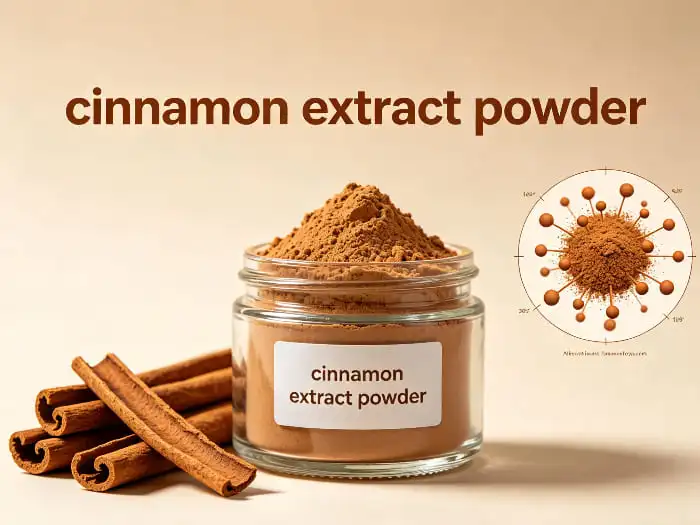
Cinnamon extract comes from the bark of cinnamon trees and is made using special ways that concentrate bioactive compounds that are much stronger than those found in cinnamon spice. Standardized extracts offer consistent levels of therapeutic molecules, which makes them better for clinical applications and formulation stability compared to ground cinnamon powder or volatile essential oils.
How Cinnamon Extract Influences Glucose Metabolism?
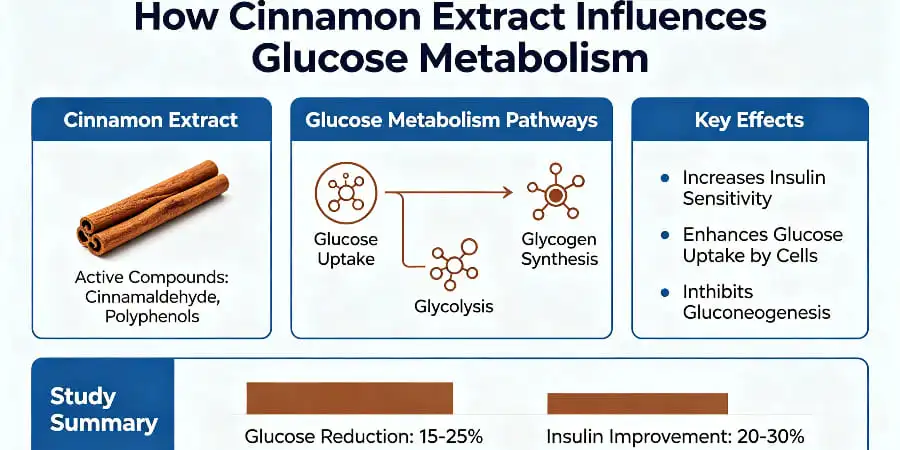
Cinnamon bark chemicals and blood sugar are linked because they make cells take in more glucose. Polyphenolic compounds are found to activate insulin receptors, which makes cells react better to insulin that is in the blood. This system works to fix insulin resistance, a problem that happens in people with type 2 diabetes where cells stop responding as well to hormones. Knowing this pathway helps people who make goods to support metabolism put ingredients in the right place in complex mixes that might have chromium or alpha-lipoic acid in them.
Active Components Driving Therapeutic Potential
The smell comes from cinnamonaldehyde, which also helps kill germs, but polyphenols are what help your body's metabolism. These water-soluble compounds work as antioxidants to protect beta cells in the pancreas from the damage that constant high blood sugar causes. For companies that make drinks, this fluidity is very important because properly processed extracts mix into drinks without settling to the bottom, which can happen with raw spice powders. The anti-inflammatory benefits lower systemic inflammation markers linked to diabetic complications even more, protecting the heart in addition to controlling blood sugar.
Distinguishing Ceylon Versus Cassia Sources
The main difference between Cinnamomum verum (Ceylon) and Cassia types must be known by people who work in procurement. There are very small amounts of coumarin in Ceylon, but extracts from Cassia naturally have higher amounts of this harmful substance for the liver. Suppliers with a good reputation use selective solvent filtration during extraction to lower the amount of coumarin in the product. This makes sure that the final product meets the government's standards for daily supplementation. This difference in processing has a direct effect on safety profiles and market entry across areas with strict food safety rules.
Benefits of Cinnamon Extract for Diabetes Management
Accreditation from science makes the case for using cinnamon-based ingredients in health products for diabetics stronger. Dosing protocols, biomarker changes, and long-term metabolic outcomes have all been looked at in a number of human studies.
Blood Sugar Regulation and Insulin Sensitivity
A review of multiple randomized controlled studies found that people who took standardized cassia extract had slightly lower fasting blood sugar levels than people who took a sugar pill. The size of the effect depends on the glucose levels at the start, how the extracts are standardized, and how long the action lasts. For formulators, reproducibility is important. Standardized extracts with verified polyphenol percentages give uniform results across production batches, while spice powders vary. This uniformity makes it possible for label claims to be backed up by clinical data, which is important for following the rules and building trust with customers.
Weight Management and Metabolic Improvements
Cinnamon chemicals have effects on lipid metabolism and body composition in addition to their direct effects on blood sugar. Studies show that people who took cinnamon supplements along with making changes to their lifestyle had lower triglyceride levels and a smaller waist measurement. These extra benefits help because metabolic syndrome is made up of three things that are linked: insulin intolerance, dyslipidemia, and central obesity. People who are making complete formulas for metabolic health can use these multiple effects to their advantage by making cassia extract a main element that works on many pathways at once.
Cardiovascular Support and Anti-Inflammatory Action
People with diabetes have a higher chance of heart disease, so ingredients that protect the heart are especially useful. Cinnamon antioxidants lower C-reactive protein and inflammatory cytokines, which are signs of systemic inflammation. Managing blood sugar and this anti-inflammatory effect may work together to slow the development of diabetic neuropathy and vascular complications. When looking for ingredients for heart health products or functional drinks for active adults, these benefits backed by evidence from peer-reviewed studies make for strong marketing stories.
Usage, Dosage, and Safety Considerations
When turning clinical findings into commercial goods, it's important to think about how they will be used in real life. How well end users get benefits while reducing risks depends on dosage forms, concentration levels, and safety rules.
Recommended Dosage Guidelines Based on Research
Doses used in clinical studies usually range from 120 mg to 6 grams per day, but this depends on how concentrated and standardized the extract is. A typical therapeutic dose is 500 mg of a standardized extract twice a day. This gives the body a steady supply of polyphenols without exposing it to too much coumarin. It is easy to measure out the right amount of cinnamon in capsules, and powdered extracts work well in drinks where the taste goes well with the natural warmth of the cinnamon. Liquid extracts can be used in medicines and ready-to-drink mixes, but they need to be tested to make sure they stay stable during pasteurization so that polyphenols don't break down.
Potential Side Effects and Drug Interactions
While most people can handle a small amount of cinnamon, taking a large amount of it can make sensitive people sick. More importantly, the extract may make diabetes medicines work worse, which could lead to hypoglycemia if they are not handled properly. People who are taking metformin or sulfonylureas should talk to their doctors before taking cinnamon tablets. This information should be clearly printed on the products. Pay attention to the coumarin content as well. Products with levels above the safe limits can cause liver damage if used for a long time, which is why quality control methods are so important when choosing a supplier.
Quality Control Priorities for Procurement Teams
To find trustworthy cinnamon bark extract providers, you need to carefully look over their certificates of analysis. Important factors include using HPLC to check the amount of polyphenols and make sure that the extraction ratios given are accurate. Heavy metal testing with ICP-MS keeps things clean from getting contaminated by bioaccumulation in source bark, especially for cadmium, lead, and arsenic. Pathogens like Salmonella and E. coli are not present, as confirmed by microbiological testing. These are common risks in botanical ingredients from tropical areas. Coumarin quantification tells the difference between goods that are safe or follow the rules. These technical requirements aren't just paperwork; they directly affect whether final goods meet GMP standards and keep consumers safe.
Comparing Cinnamon Extract Products: What to Buy and Why?
To find the right supplier, you need to know what makes premium goods different from commodity-grade materials. Buying choices depend on how well the specifications of the ingredients match the needs of the manufacturing process and the expectations of the target market.
Organic Versus Conventional Sourcing
Organic approval is appealing to clean-label brands and people who care about their health and are willing to pay more. More checks are done on certified organic cinnamon products to make sure they don't contain any pesticides and were harvested in a way that doesn't harm the environment or people's health. Conventional extracts are still fully useful as long as quality control measures are in place to make sure they are pure and effective, and they often come at lower prices for formulations that are on a budget. Which one to use relies on how you want to position your brand, which retail channels you want to target, and whether organic claims give you a real competitive edge in your product category.
Form Factors and Manufacturing Compatibility
Powdered extracts are used most often in supplements because they are easy to package and last longer if they are kept properly (in sealed containers in cool, dry places below 25°C with relative humidity below 60%). Water-soluble grades that are handled by spray-drying with few carriers allow for clear beverage applications that don't get cloudy, which is important for functional drinks where how they look affects how people think about them. Liquid extracts are useful for making small amounts, but they need to be handled carefully to keep the polyphenols intact, since light and heat speed up the oxidation process. By matching the form factor to the production tools and needs of the final product, delays in costly reformulation can be avoided.
Supplier Credentials and Traceability Systems
Reputable companies keep clear supply chains that include recorded sourcing from verified farms, processing in ISO and GMP-certified facilities, and batch-level traceability that lets them recall products if problems arise. Instead of just one certificate, ask for testing reports that show consistency across various production lots. It's important that suppliers respond quickly. Partners who offer technical support, change specifications as needed, and accept reasonable minimum order amounts make the product development process go more smoothly. Long-term value goes beyond transactional buying when you build relationships with suppliers who understand your regulatory environment and how you place yourself in the market.
Cinnamon Extract Procurement and Wholesale Buying Guide
When you're looking for bulk ingredients, you need to do more than just find the lowest prices. Sustainable relationships strike a balance between low costs and dependability, which helps keep manufacturing running smoothly and ensures that the quality of the products stays the same.
Identifying Reputable Wholesale Partners
To start, look at how long the supplier has been in business and how well-known they are in the industry by looking at trade groups, customer reviews, and a past of following the rules. Botanical extract companies that have been around for a while usually have dedicated quality assurance teams, tested analytical methods, and thorough recording systems that make audits and certifications easier. Ask for facility audit records, testing confirmations from a third party, and references from past customers who have bought similar products. Geographic diversity among supplier rosters lowers the risk of supply disruptions in different regions and makes it easier to negotiate cheap prices.
Understanding Cost Drivers and Market Dynamics
The price of cinnamon extract changes depending on when the raw materials are harvested, how well the extract is extracted, and the demand cycles in the functional food and supplement industries. Ceylon sources are more expensive because they have smaller levels of natural coumarin and are thought to be of higher quality. On the other hand, Cassia-derived extracts are cheaper as long as the safety standards are met during processing. Standardization levels have a direct effect on prices, since higher polyphenol ratios need more raw materials, which shows up in the cost per kilogram. Knowing about the seasonal changes and political issues that affect areas that grow cinnamon helps purchasing teams predict price changes and make good long-term deals.
Building Long-Term Supply Relationships
When you switch from spot purchases to strategic relationships, your prices stay stable, your supply stays steady, and you can work together to develop new products. Suppliers who care about their clients' success can help with formulation problems, navigating regulations, and new research that helps with product marketing. Misunderstandings that throw off start schedules can be avoided by being clear about production timelines, inventory levels, and quality standards. Often, making a volume promise opens the door to better pricing and faster allocation during times of limited supply. This makes building relationships worth the time and effort for brands that already have established product lines and growth plans.
Conclusion
There is strong evidence that cinnamon extract can help control diabetes by making insulin work better, keeping blood sugar levels in check, and improving metabolism. For companies that make nutraceuticals, medicines, and functional foods, this plant ingredient has benefits that have been proven by science and appeal to health-conscious customers who want natural solutions. Finding reliable suppliers of high-quality, properly standardized extracts is key to success. These suppliers should put safety tests, following the rules, and consistent potency at the top of their list of priorities. Metabolic health products are becoming more popular, and cinnamon extract can be used in a lot of different ways. This makes it a useful part of overall wellness plans that aim to solve the world diabetes problem.
FAQ
Can cinnamon extract replace diabetes medications?
No, cinnamon extract should not replace prescribed diabetes treatments. It functions as a complementary approach that may enhance metabolic control when used alongside conventional therapies. Healthcare provider supervision remains essential, particularly for individuals on glucose-lowering medications where additive effects could cause hypoglycemia.
What daily dosage is considered safe and effective?
Clinical research typically uses 120 mg to 1,500 mg of standardized extract daily, divided into multiple doses. Specific recommendations depend on extraction concentration and polyphenol standardization. Starting with lower doses and monitoring blood glucose responses helps identify optimal individual dosing while minimizing gastrointestinal discomfort.
Are there safety concerns with long-term use?
High-quality extracts with controlled coumarin levels demonstrate good safety profiles in long-term studies. Potential concerns include liver function impacts from excessive coumarin exposure in poorly processed Cassia extracts, and drug interactions with diabetes medications. Regular medical monitoring and sourcing certified products mitigates these risks effectively.
Partner with Wellgreen for Premium Cinnamon Extract Supply
Wellgreen Technology stands as your trusted cinnamon extract manufacturer, delivering GMP-certified botanical ingredients that meet the rigorous demands of nutraceutical, pharmaceutical, and functional food applications. Our standardized extracts undergo comprehensive quality validation including HPLC polyphenol analysis, heavy metal screening, and coumarin quantification, ensuring regulatory compliance across global markets. We maintain substantial inventory for rapid fulfillment, offer flexible OEM support with customizable specifications, and provide complete documentation including Certificates of Analysis and testing reports. Whether developing metabolic support supplements, functional beverages, or innovative health formulations, our technical team collaborates closely to match ingredient profiles with your manufacturing requirements and market positioning. Contact us at wgt@allwellcn.com to discuss how our certified cinnamon extract for sale can enhance your product portfolio with scientifically validated, consumer-trusted botanical solutions.
References
Anderson RA, Broadhurst CL, Polansky MM, et al. Isolation and characterization of polyphenol type-A polymers from cinnamon with insulin-like biological activity. Journal of Agricultural and Food Chemistry. 2004;52(1):65-70.
Allen RW, Schwartzman E, Baker WL, et al. Cinnamon use in type 2 diabetes: an updated systematic review and meta-analysis. Annals of Family Medicine. 2013;11(5):452-459.
Ranasinghe P, Pigera S, Premakumara GAS, et al. Medicinal properties of 'true' cinnamon (Cinnamomum zeylanicum): a systematic review. BMC Complementary Medicine and Therapies. 2013;13:275.
Hajimonfarednejad M, Ostovar M, Raee MJ, et al. Cinnamon: a systematic review of adverse events. Clinical Nutrition. 2019;38(2):594-602.
Akilen R, Tsiami A, Devendra D, Robinson N. Glycated haemoglobin and blood pressure-lowering effect of cinnamon in multi-ethnic Type 2 diabetic patients in the UK: a randomized controlled trial. Diabetic Medicine. 2010;27(10):1159-1167.
Magistrelli A, Chezem JC. Effect of ground cinnamon on postprandial blood glucose concentration in normal-weight and obese adults. Journal of the Academy of Nutrition and Dietetics. 2012;112(11):1806-1809.