A Guide to Using Milk Thistle Extract: Dosage, Usage, and Expected Results
2026-05-12 14:10:17
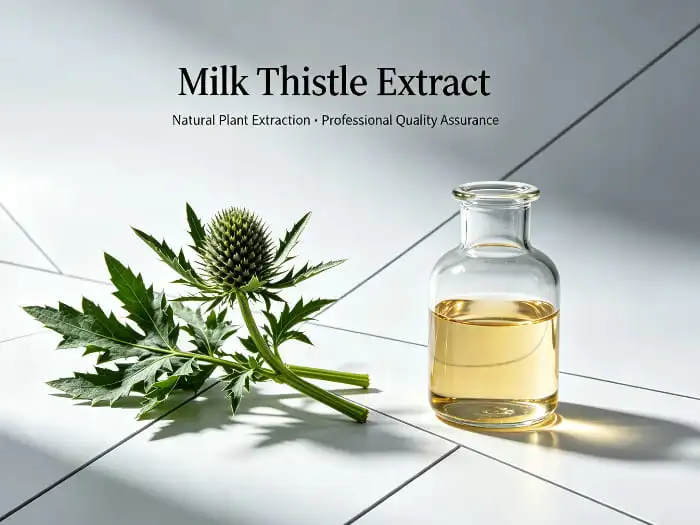
The seeds of the Silybum marianum plant are used to make milk thistle extract, which is one of the most well-known plant ingredients in liver health products around the world. Its main active ingredient, silymarin, which is made up of flavonolignans, has been shown in clinical tests to protect the liver. This makes it an important part of developing both nutraceutical and medicinal products. If manufacturers and purchasing teams are looking for reliable, standardised botanical extracts, they need to know the right dosage guidelines, how to use them, and what results they can realistically expect. This is important for both formulating plans and positioning the product in the market.
Understanding Milk Thistle Extract: Composition and Health Benefits
Botanical Origin and Active Constituents
The milk thistle plant is native to the Mediterranean but is now grown all over the world. Its seeds contain high amounts of silymarin. The most powerful part of this bioactive complex is silybin, which is made up of flavonolignans like silydianin, silychristin, and silybin. Standardisation usually aims for silymarin levels between 40% and 80%. High-quality extracts can get concentrations of 70% to 80% by using more advanced extraction methods. Because of how their molecules are structured, these chemicals can get into liver cells and work as antioxidants and pain relievers there.
Hepatoprotective Mechanisms
Clinical study shows that silymarin helps the liver stay healthy in more than one way. The chemical increases protein production in hepatocytes, which helps liver cells grow back after being damaged by toxins like booze or pollution. Silymarin is also a strong antioxidant that fights free radicals that damage cell walls. Studies in hepatology journals suggest that regular eating may help people who are under a lot of metabolic stress keep their liver enzyme levels healthy. Because of these effects, the extract is very useful for formulators who are making goods to help with detoxification, liver maintenance, and alcohol metabolism.
Beyond Liver Health: Additional Applications
Hepatoprotection is still the main use, but new study is looking into silymarin's potential in other therapeutic areas. The antioxidant qualities also help skin health. Both topical and oral forms may help fight oxidative stress caused by UV light. Some beauty products use standardised extracts in anti-aging serums and creams, taking advantage of the compound's ability to keep cell structures stable. Manufacturers who are getting into the healthy beverage market have started looking into forms that can dissolve in water. However, silymarin is naturally hydrophobic, which makes it hard to formulate and requires special processing methods.
Dosage and Usage Guidelines for Milk Thistle Extract
Standard Dosage Recommendations
The right amount to take depends on the strength of the extract and what it will be used for. Most clinical studies use daily doses of silymarin that range from 140 mg to 800 mg. These amounts are usually spread out over two or three administrations to keep blood levels steady. For liver support supplements, a typical mix gives you 420 mg of silymarin every day, which is standardised to a 70–80% concentration. Bioavailability limits affect absorption. For example, native silymarin doesn't dissolve well in water, which has led to new delivery systems like phytosome technology. In this technology, the extract combines with phosphatidylcholine to increase absorption rates by up to 10 times compared to standard preparations.
Form Selection for Different Applications
Because the milk thistle powder is flexible, it can be used in a number of different product forms, each of which has its own set of technical issues that need to be addressed. Hard-shell capsules are still the most common way to give nutrients because they are stable and allow for accurate dosing. Manufacturers like that powder that has been properly handled keeps its flavonolignan stability for a normal amount of time when it is kept away from light and moisture. To keep the ingredients in tablets from breaking down when they are compressed, they need to be carefully chosen. There are narrow markets for liquid extracts and tinctures, but they need special ways to stay fresh. For useful food uses, microencapsulation or complexing with carrier molecules is needed to get the right level of dispersibility in drinks without causing sedimentation.
Safety Considerations and Contraindications
Clinical studies show that the extract is very safe, with side effects being mild and not happening very often. Less than 5% of users have stomach problems, and that usually happens when they take bigger doses. The people who make products should put the right information on the labels about how silymarin might combine with medicines that are broken down through cytochrome P450 pathways, since silymarin can change these enzymes. Women who are pregnant or breastfeeding are a group for which there is still not a lot of clinical data, so suggestions should be taken with care. Quality control teams have to make sure that raw materials are pure enough, especially when it comes to aflatoxin contamination, which is a real concern with botanical seed extracts and is actively monitored by responsible suppliers through tested methods.
Comparing Milk Thistle Extract with Alternative Supplements
Silymarin vs. Turmeric for Liver Support
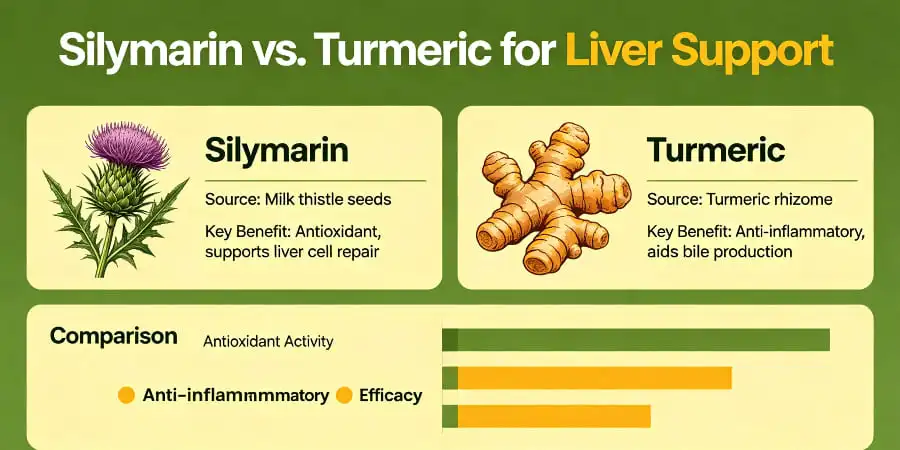
When purchasing teams look at liver-protecting ingredients, they often compare curcuminoids in turmeric to silymarin in milk thistle. Although both have antioxidant qualities, they work in very different ways. Curcumin has anti-inflammatory effects on a wider range of organ systems, while silymarin targets liver cells directly by attaching to hepatocyte membranes. Market study in North America shows that people are more familiar with milk thistle when it is used for liver problems, which means that less educational marketing is needed. For full metabolic support products, some advanced formulations mix both extracts in a way that makes them work better together. For example, silymarin protects the liver while turmeric lowers inflammation throughout the body.
Evaluating Extract Quality and Potency
To tell the difference between good extracts, you need to know more than just the silymarin amount. Batch-to-batch uniformity is a key part of making sure that trusted brands can keep their products reliable. Manufacturers with a good reputation use HPLC tests to check flavonolignan profiles and make sure the amount of silybin to other parts stays the same. Controlling heavy metals, pesticide residues, and microbes is very important. Materials meant for sale to Western markets must meet USP and EP pharmacopeial standards. When there are verifiable COAs from accredited third-party labs, procurement teams know that the materials can be tracked and that they are in line with international rules.
Procurement Guide: Buying Milk Thistle Extract for Business Needs
Bulk Sourcing Strategies
When looking for plant extracts, B2B buyers have to think about a lot of different things. Pricing is based on volume agreements, but responsible procurement balances quality assurance against cost-effectiveness. Leading providers offer flexible specs that allow for custom silymarin concentrations that are made to fit the needs of each formulation. Different manufacturers have different minimum order quantities. Some need commitments in metric tonnes, while others allow for smaller production runs that are good for new brands trying how well they do in the market. Long-term supply deals keep prices stable and make sure that supplies get to the right people first when harvest times change. This is especially important when agricultural factors affect the availability of raw materials.
Supplier Verification and Certification
Choosing a supplier with care guards the integrity of the product and makes sure that regulations are followed. GMP certification means that the production process follows strict rules that keep the process consistent and reduce the risk of contamination. Getting an ISO license shows that you are dedicated to quality management systems. Buyers should ask for proof that the goods can be tracked from seed production to extraction processes. Technically advanced suppliers can give thorough processing specs, such as extraction solvent systems, purification methods, and standardisation techniques. This sets them apart from commodity brokers. Even though they take a lot of time and money, site checks are very helpful because they show how things are really made, what the quality control lab can do, and how materials are stored in ways that affect their stability.
Packaging and Logistics Considerations
When a milk thistle powder is shipped or stored internationally, its potency is kept safe by using the right packing. Pharmaceutical-grade botanical powders need to be kept dry, which is usually done with multi-layer foil bags or fibre drums lined with polythene. Flavonolignans break down over time when exposed to oxygen, so the requirements for packaging should include this. Extreme climates require temperature-controlled shipping, which makes operations more difficult but protects material investments. Exporters with a lot of experience know what paperwork is needed to get through customs in different regulatory areas, which speeds up delivery times. When makers keep inventory, the conditions of storage—cool, dry places away from light—directly affect how long the items can be used. Because of this, warehouse infrastructure is often not thought about when buying until quality problems show up.
Practical Applications and Expected Results in B2B Usage
Nutraceutical Product Integration
The extract is one of the most important parts of liver health products; it is often the main active ingredient or lead ingredient in complete formulas. Product makers often mix standardised silymarin with other plants that work well together, like artichoke extract to help the flow of bile or dandelion root to help the body detoxify even more. Hangover recovery goods are a growing market. They use a hepatoprotective extract, N-acetyl cysteine, and B vitamins to help the body process alcohol. These combination formulas show how sophisticated the market is because they meet customer expectations for ingredient profiles that work well together and give formulators a chance to make their products stand out in stores that are very competitive.
Bioavailability problems can be solved in successful recipes by using different types of technology. In pharmacokinetic tests, phytosome preparations with silymarin that combines with phospholipids show better absorption. Some companies spend money on micronization to make particles smaller, which speeds up the dissolving process. Although these advanced delivery methods are more expensive, they can make claims of greater effectiveness that are backed up by better bioavailability data. Contract manufacturers who can do technical research and development (R&D) can help with formulation optimisation, balancing cost structures against performance improvements that explain a higher retail positioning.
OEM and ODM Partnership Opportunities
Private label makers and brand owners who don't have their own factories depend more and more on OEM partnerships to get their goods to market quickly. Quality suppliers who offer ODM services work together to create new formulas. They do this by sharing their knowledge of how to make sure that excipients are compatible, how to test for stability, and how to prepare regulatory documents. These agreements shorten the time it takes to get a product to market, but brands can still focus on marketing and distribution. Flexible minimum order numbers let you test a whole line of products without taking on too much inventory risk. Being able to increase production as demand rises helps businesses stay open and supports strategies for building brands.
Clinical Efficacy Timelines
Setting reasonable goals for observable results helps brands keep customers' trust and lower the number of returns. Studies in humans show that changes in liver enzyme levels become noticeable after 8 to 12 weeks of taking supplements regularly at recommended doses. Some people may feel better about their energy levels and stomach issues more quickly, but everyone reacts differently. On the label of a product, it should say that plant extracts support long-term, gradual benefits rather than big changes right away. This message fits with how the extract works—protecting cells and repairing them happen gradually, and they need long-term nutritional support for the best results.
Conclusion
Milk thistle extract remains an indispensable ingredient for manufacturers developing liver health products, backed by extensive clinical validation and strong consumer recognition. Successful product development requires careful attention to extract standardization, appropriate dosage formulation, and bioavailability enhancement strategies. Procurement teams benefit from establishing relationships with suppliers demonstrating rigorous quality control, regulatory compliance, and technical support capabilities. The extract's versatility across supplement formats, functional foods, and cosmeceutical applications provides formulation flexibility, while growing market demand in Western countries presents expansion opportunities for brands positioned with quality-differentiated products.
FAQ
What dosage of silymarin is considered safe and effective?
Clinical research typically employs dosages between 140mg and 420mg of silymarin daily, divided into multiple administrations. Most commercial supplements provide 300-420mg daily to align with evidence-based protocols. Manufacturers should ensure clear labeling that specifies silymarin content rather than total extract weight, as standardization percentages vary.
Can milk thistle extract interact with prescription medications?
Silymarin may influence cytochrome P450 enzymes involved in drug metabolism, potentially affecting medications processed through these pathways. Product labeling should advise consultation with healthcare providers for individuals taking prescription medications, particularly those metabolized by CYP3A4 and CYP2C9 enzymes.
How can buyers verify extract authenticity and potency?
Reputable suppliers provide Certificates of Analysis from accredited third-party laboratories, including HPLC chromatograms confirming flavonolignan profiles. Verification of GMP certification, comprehensive specification sheets detailing testing parameters, and willingness to provide samples for independent testing indicate supplier reliability and product authenticity.
Partner with a Trusted Milk Thistle Extract Supplier
Wellgreen Technology specializes in manufacturing premium botanical extract powders, including standardized milk thistle extract with customizable silymarin concentrations from 40% to 80%. Our GMP-certified facilities maintain strict quality control protocols, ensuring batch-to-batch consistency that meets USP and EP standards. We support OEM and ODM partnerships with comprehensive formulation development services, helping brands create differentiated liver health products. Complete documentation including third-party COAs and HPLC testing reports accompanies every shipment. With substantial inventory and efficient logistics, we accommodate both established brands requiring metric-ton volumes and emerging companies starting with smaller quantities. Contact our technical team at wgt@allwellcn.com to discuss your specific requirements, request samples, or explore custom formulation possibilities that position your products for success in competitive markets.
References
Abenavoli L, Capasso R, Milic N, Capasso F. Milk thistle in liver diseases: past, present, future. Phytotherapy Research, 2010; 24(10): 1423-1432.
Bijak M. Silybin, a major bioactive component of milk thistle (Silybum marianum L. Gaernt.)—chemistry, bioavailability, and metabolism. Molecules, 2017; 22(11): 1942.
Federico A, Dallio M, Loguercio C. Silymarin/Silybin and Chronic Liver Disease: A Marriage of Many Years. Molecules, 2017; 22(2): 191.
Hackett ES, Twedt DC, Gustafson DL. Milk thistle and its derivative compounds: a review of opportunities for treatment of liver disease. Journal of Veterinary Internal Medicine, 2013; 27(1): 10-16.
Polyak SJ, Ferenci P, Pawlotsky JM. Hepatoprotective and antiviral functions of silymarin components in hepatitis C virus infection. Hepatology, 2013; 57(3): 1262-1271.
Wellington K, Jarvis B. Silymarin: a review of its clinical properties in the management of hepatic disorders. BioDrugs, 2001; 15(7): 465-489.