Unlocking the Secrets of Reishi Mushroom Extracts
2026-05-12 14:10:15
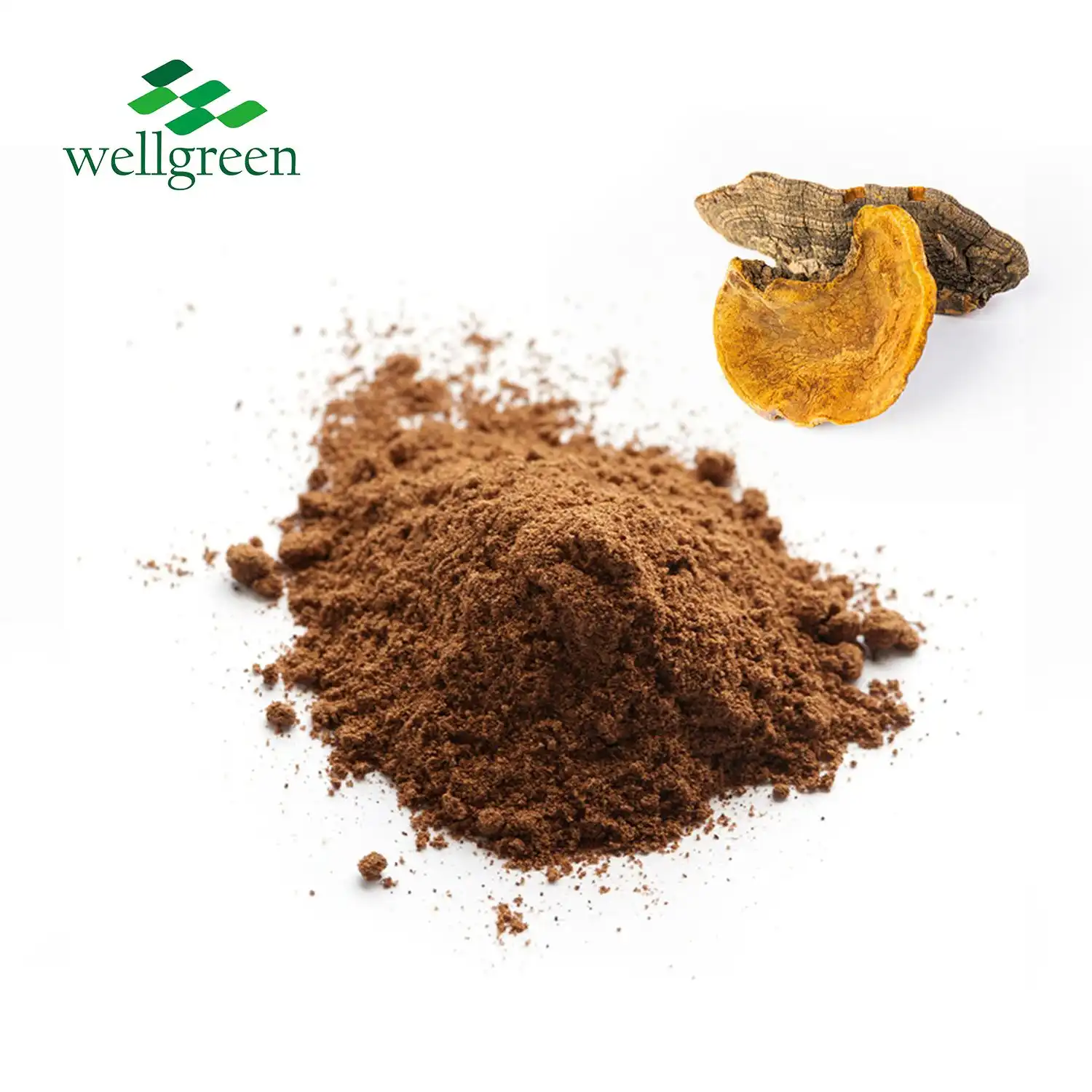
In the nutraceutical market today, reishi extract is one of the plant ingredients that has been studied the most and can be sold. This polysaccharide-rich extract comes from the fruiting bodies of Ganoderma lucidum. It contains concentrated bioactive chemicals that help with a number of health issues, such as boosting the immune system and dealing with stress. Professionally processed mushroom extracts are better than raw mushroom powders because they have constant solubility, higher bioavailability, and standardised potency. This makes them the best choice for formulators making dietary supplements, functional beverages, and cosmetics. This detailed guide gives purchasing managers, product creators, and regulatory experts useful information on where to find reishi mushroom extract, how to evaluate its quality, and how to strategically add it to competitive product lines.
Understanding Reishi Mushroom Extract: Composition, Benefits, and Uses
Core Bioactive Components and Their Scientific Foundation
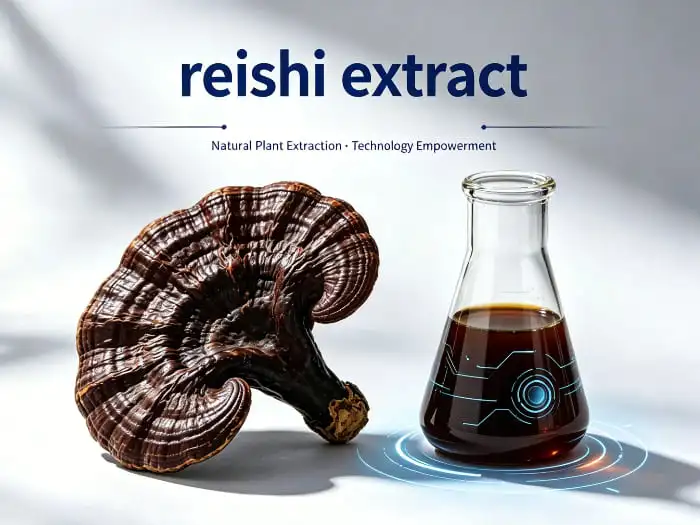
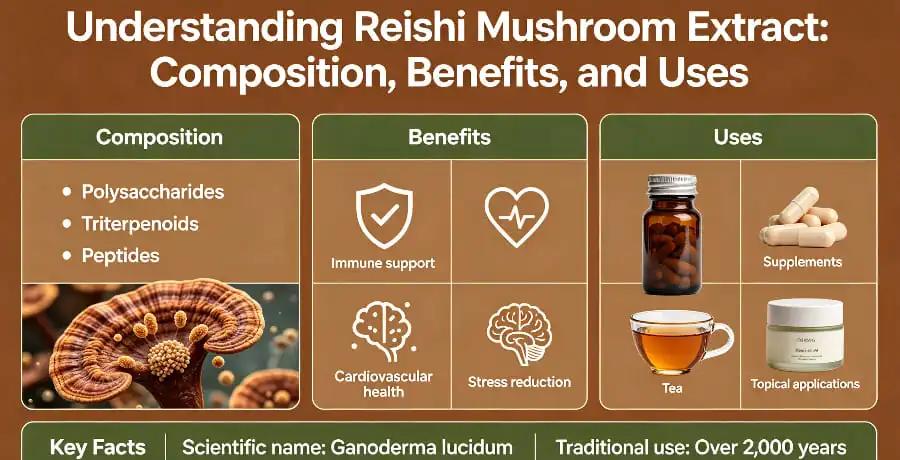
There are two main types of bioactive molecules found in reishi mushroom extract: polysaccharides (beta-glucans) and triterpenoids (ganoderic acids). Polysaccharides make up 10–40% of standardised extracts and work to change the immune system by turning on macrophages and natural killer cells. Peer-reviewed research has shown that triterpenoids, which make up 2-6% of quality products, can reduce inflammation and protect the liver. When these families of compounds work together, they develop therapeutic potential that goes beyond what single compounds can do.
Standardised ways of extracting these bioactives make them 10-15 times stronger than they are in whole mushroom powders. This concentration makes exact dosing possible in capsules and lets beverage makers get functional benefits without making serving sizes too big. It also gets rid of chitin fibres that can't be digested, which makes the digestive system more tolerant and increases the rate at which nutrients are absorbed.
Validated Health Applications Across Product Categories
Several uses for Ganoderma extract have been supported by clinical studies. Studies in immunopharmacology journals show that immune monitoring markers are better after 8 to 12 weeks of supplementation. Cardiovascular study shows that lipid profiles and blood pressure control have gotten a little better. According to tests of sleep quality, triterpenes cause GABAergic activity to rise, which leads to shorter sleep latency and better perceived rest quality.
Teams in charge of buying things should know that these perks work in different ways for different types of products. Capsule supplements usually give daily amounts of 500 mg to 1500 mg to help the immune system as a whole. 100 to 300 mg per serving is used in functional beverage formulations to provide adaptogenic benefits without overpowering flavour profiles. At a concentration of 0.5 to 2% in finished goods, antioxidants are used in cosmetics to target oxidative stress markers in ageing skin.
Product Format Considerations and Regulatory Compliance
The extract works perfectly with three popular B2B forms. With bulk densities between 0.4 and 0.60 g/ml, spray-dried powders are the best for high-speed sealing lines because they can flow easily. Variants that dissolve in water allow for clear drinking uses and stay stable across pH ranges of 3.5 to 7.0. Hydroalcoholic extracts are used in cosmetics and certain types of tinctures that need lipid-soluble delivery systems.
The safety profile is still good according to all the studies that have been done, and no major side effects have been reported at normal dose levels. The ingredient has different regulatory statuses depending on the market. In the U.S., it has GRAS status for food applications, in Europe, it has Traditional Use Registration, and in several Asian countries, it is on good lists for health foods. Heavy metal limits (usually less than 10ppm total and less than 1ppm lead) and microbiology standards (total plate count less than 1000 cfu/g) should always be checked against the procurement specs to make sure they are in line with the needs of the final market.
Procurement Insights: Where and How to Buy Reishi Extract in Bulk?
Supplier Qualification Framework for Risk Mitigation
To find good reishi extract providers, you need to carefully look at a lot of different factors. GMP approval from a recognised organisation confirms the controls used in manufacturing, the way records are kept, and the systems in place to stop contamination. Getting ISO 9001 approval shows that your quality management system is mature. Third-party testing from separate labs verifies what the label says and looks for adulterants, which is a constant worry in markets for botanical extracts where cheaper polysaccharide sources are used to make the products more profitable. Ask for Certificates of Analysis from several production batches to see if the amounts of polysaccharides, triterpenoids, and moisture are all the same.
Professional suppliers and commodity traders can be told apart by how transparent the supply chain is. Qualified partners give proof of where the plants came from, details on how they were extracted, and test results for solvent remains. They keep track of methods that connect lots of finished extract to specific batches of mushrooms that were harvested. When answering questions from customers or regulators about where ingredients come from, this paperwork becomes very important. Suppliers who allow site audits show that they are confident in their business and make it easier for customers to follow their corporate responsibility programmes.
Cost-Quality Optimization Strategies
Market research shows that there are big differences between providers, which are caused by the way the oil is extracted, the level of standardisation, and the status of its certification. Hot water extraction is the standard method for making polysaccharide-rich extracts at a reasonable cost. When you use both water and alcohol to remove something, you get a wider range of compounds, including lipophilic triterpenoids, but it costs more. Advanced methods, such as supercritical CO2 extraction, get rid of all solvent leftovers, but they are the most expensive because they require a lot of equipment.
By understanding these processing differences, you can avoid comparing specs that don't work together. A 30% polysaccharide extract made with hot water is much cheaper than a 30% polysaccharide, 5% triterpenoid dual extract. However, the latter has higher bioactivity, which may explain its higher price. When figuring out what something is really worth, people who make purchasing choices should use cost per active compound instead of cost per kilogram. Building ties with suppliers who can explain these technical details shows that you might be able to work together on more than just a transactional level.
Digital Procurement Best Practices
B2B platforms like Alibaba, Made-in-China, and specialised ingredient markets make it easier to find suppliers, but they need strict rules for verifying their information. Red flags include suppliers who can't provide up-to-date test reports, those whose prices are much lower than the market average, and those who don't have real manufacturing addresses. Real sellers allow video tours of their facilities, give customer references, and keep their technical support teams active. The first few sales should be small until the quality is consistent across several shipments. Terms of payment that require full payment before production are more risky than terms that allow payment after shipping papers or inspection results.
The Manufacturing Process and Quality Control of Reishi Extract
Cultivation to Extraction: Critical Process Stages
To make high-quality reishi mushroom extract, fruiting bodies are grown under controlled conditions instead of mycelium on grains. Growing fruiting bodies takes 3 to 6 months longer, but the bioactive triterpenoids that are produced are much higher. These bioactive triterpenoids mostly form during the mushroom maturity phase. The substrates used for cultivation have a big effect on the quality of the end extract. For example, growing triterpenes in hardwood sawdust is better than growing them in grain-based systems. The timing of harvesting changes the concentrations of compounds. Mushrooms that are picked when the spores start to release have the highest levels of ganoderic acid.
To dissolve the polysaccharides, the first step in the extraction process is usually hot water extraction at 80–100°C for 2–4 hours. Progressive sellers use a second alcohol extraction to get the triterpenoids out of the plant. This is followed by standardisation, concentration, and spray drying. Some important control points are the temperature and length of time used for extraction, which must balance bioactive recovery against thermal degradation, and the drying factors that keep the stability of the compound. Supercritical CO2 extraction works at lower temperatures (40–50°C) and high pressure, producing extracts that keep compounds very well but need special equipment that makes it hard to find suppliers.
Quality Assurance Protocols and Testing Regimens
Both safety and effectiveness parameters are confirmed by thorough quality control tests. To measure the amount of polysaccharides, you can use phenol-sulfuric acid colorimetry or UV spectroscopy. To measure the amount of triterpenes, you need HPLC with UV or ELSD detection. Screening for heavy metals with an ICP-MS or AAS makes sure that USP guidelines are met. GC-MS or LC-MS tests for pesticide residues takes care of chemical issues in agriculture. The microbiological test includes counting the total number of plates, looking for yeast and mould, coliforms, and pathogens like Salmonella and E. coli.
Third-party lab verification from places like Eurofins, SGS, or Intertek gives independent quality proof that goes beyond data made by the supplier. To check the consistency from one batch to the next, you have to keep an eye on the factors listed on the certificate of analysis over time and see if the polysaccharide content, moisture levels, or bulk density change, as this could mean that the process has changed. When suppliers show that they can handle statistical processes and analyse trends, it means that their manufacturing is advanced, which means that they will be a good partner for a long time.
Innovation in Extraction Technology
New technologies have made bioavailability and product function better. Using enzymes along with thermal methods breaks down fungal cell walls more thoroughly, which boosts bioactive recovery rates by 15–30%. Ultrasonic extraction speeds up the process and increases the yield. With nano-emulsification technology, particles smaller than 100nm can be made. This greatly improves absorption rates in both oral supplements and topical uses. Even though these new ideas raise the cost of production, they help products stand out by making claims about better bioavailability that are backed up by clinical studies. When evaluating suppliers that are focused on innovation, procurement teams should ask for proof of better performance rather than believing marketing promises without proof.
Strategic Recommendations for Incorporating Reishi Extract into Your Product Line
Market Segment Alignment and Product Positioning
To successfully integrate a product, you must first understand how reishi mushroom extract meets the wants of different types of customers. The biggest market potential is in the immune support category, where the ingredient is used as a main ingredient in daily wellness products. More and more people are realising that mushroom extracts are safe alternatives to immune-boosting ingredients that are backed by science. This opens up marketing opportunities for products that offer gentle, long-lasting support. The areas of sleep and stress are growing quickly, and reishi's adaptogenic properties and GABAergic activity back claims based on evidence, without the worries of dependence that come with pharmaceutical options.
When functional beverages are used, they need different strategic factors. In the past few years, the mushroom coffee and adaptogenic drink groups have grown a lot, making them easier for people to learn about. Reishi works well with other mushroom products like Lion's Mane (helps with focus) and Cordyceps (enhances energy), which lets beverage formulations offer multiple benefits. The mild sharpness of the ingredient goes well with coffee and dark chocolate flavours, but it needs to be carefully formulated for lighter drinks. When it comes to ready-to-drink products, where sedimentation or cloudiness can affect how good the product seems, solubility standards become very important.
Different compound qualities are used in cosmetics and personal care products. The antioxidant activity of the extract, which was tested using DPPH radical scavenging assays, helps skin products that are meant to treat oxidative stress. Anti-inflammatory properties help goods for sensitive skin and reducing redness. As interest in "adaptogenic skincare" grows, marketing stories about protecting skin from stress and making it stronger are created. Formulators should make sure that the ways extracts are processed meet the standards for beauty purity. This includes making sure that there are no protein allergens and that the preservative system works with the extracts.
Supplier Partnership Criteria for Long-Term Success
In addition to the original quality check, maintaining long-term relationships with suppliers means looking at a number of operational aspects. Batch consistency over time is a sign of mature process control. To see how much key specs vary over the last 6 to 12 months, request COA data. Minimum order quantities should match the rate at which inventory is turned over. Suppliers who demand quantities greater than three to six months' worth of use cause problems with working capital and shelf life. Reliability in lead times affects production schedules; partners with raw material store buffers avoid formulation delays when demand for the product goes up without warning.
The ability to provide technical help sets true partners apart from commodity suppliers. Giving advice on preparation, fixing problems with stability, and suggesting ingredients that go well with the main ingredient adds value beyond the transaction. When it comes to downstream applications, suppliers who focus on beverages optimise solubility parameters, while suppliers who work with supplement makers make sure that the right flow characteristics are met for encapsulation. Customisation options, like being able to change the amounts of polysaccharides or create unique mixes, help products stand out in markets where competition is high.
Emerging Opportunities and Future Market Dynamics
Several trends are changing the world of reishi extract. Functional mushrooms are being used more and more in personalised supplement protocols by personalised nutrition platforms. This is causing a need for a variety of extract formats and concentration ranges. Big stores are putting pressure on businesses to be more responsible, so more sustainability certifications are being made available, such as Rainforest Alliance, Fair Trade, and carbon footprint proof. Combination recipes that mix reishi with plants that work well together, like ashwagandha or rhodiola, make health products that work better by affecting more than one body system at the same time.
Regulatory change is still going on, and groups like the American Herbal Pharmacopoeia are working to set uniform testing methods and identity standards for mushroom products. When suppliers put money into these attempts to standardise, they set themselves up as quality leaders. More clinical study, especially tests on people's immune systems and sleep quality, strengthens the evidence base for marketing claims. When procurement teams keep an eye on newly released research, they can guess which scientific findings will get people interested and make formulators want to use them. This lets them choose ingredients before they become popular in the market.
Conclusion
Reishi mushroom extract stands as a scientifically validated, commercially mature ingredient offering diverse applications across supplement, functional food, and cosmetic categories. Successful procurement requires understanding the interplay between extraction methodology, standardization parameters, and end-use requirements. Quality assurance extends beyond initial supplier verification to encompass ongoing batch consistency monitoring and supply chain transparency. Strategic integration demands alignment between extract specifications and target market needs, whether delivering immune support capsules, adaptogenic beverages, or anti-aging skincare formulations. The ingredient's established safety profile, growing consumer recognition, and expanding research base position it as a cornerstone component for brands building science-backed wellness product portfolios. Procurement professionals who master these technical and strategic dimensions create competitive advantages through superior ingredient quality, reliable supply continuity, and formulation optimization.
FAQ
What polysaccharide content should procurement teams target?
Polysaccharide specifications typically range from 10-40% depending on application. Supplement formulations commonly use 30% standardization, balancing bioactivity with cost efficiency. Beverage applications may specify 20-25% to manage dosing in limited serving sizes. Higher concentrations enable smaller capsules and reduced per-dose costs but command premium pricing. Verify testing methodology in COAs—different analytical methods yield varying results, so consistency in measurement approach matters more than absolute percentages when comparing suppliers.
How can buyers distinguish fruiting body extracts from mycelium products?
Fruiting body extracts contain significantly higher triterpenoid levels (2-6%) compared to mycelium products (<1%). Request beta-glucan and alpha-glucan testing—fruiting body extracts show higher beta-glucan ratios, while mycelium products contain elevated alpha-glucans from grain substrate residues. Starch content testing via iodine reaction identifies grain-based fillers. Reputable suppliers provide cultivation methodology documentation and welcome questions about substrate composition and harvest timing.
What shelf life should buyers expect under proper storage?
Quality reishi extracts maintain potency for 24-36 months when stored below 25°C in moisture-barrier packaging away from direct light. Polysaccharide content remains stable, while triterpenoids show gradual degradation of 5-10% annually under ambient conditions. Refrigerated storage extends stability. Procurement specifications should verify packaging meets moisture protection standards and request accelerated stability data demonstrating maintained specifications under stress conditions.
Partner with Wellgreen for Premium Reishi Extract Supply
Wellgreen Technology specializes in providing pharmaceutical-grade reishi extract powder to nutraceutical brands, functional food manufacturers, and cosmetic formulators worldwide. Our GMP-certified production facility delivers standardized extracts with polysaccharide content ranging from 10-40% and triterpenoid specifications up to 6%, sourced exclusively from fruiting body cultivation. We maintain comprehensive certification portfolios including ISO, USDA Organic, and Halal documentation, supported by complete third-party testing for every production batch. Our technical team offers formulation consultation for mushroom blend development and application-specific customization, whether you require water-soluble variants for beverages or high-density powders for encapsulation. With substantial inventory depth, flexible minimum order quantities, and OEM/ODM development support, we serve as a strategic reishi extract supplier for brands requiring consistent quality and reliable delivery. Contact our procurement specialists at wgt@allwellcn.com to discuss your specific requirements, request samples, or explore custom standardization options tailored to your product positioning.
References
Batra, P., Sharma, A.K., & Khajuria, R. (2013). Probing Lingzhi or Reishi medicinal mushroom Ganoderma lucidum: A bitter mushroom with amazing health benefits. International Journal of Medicinal Mushrooms, 15(2), 127-143.
Wachtel-Galor, S., Yuen, J., Buswell, J.A., & Benzie, I.F.F. (2011). Ganoderma lucidum (Lingzhi or Reishi): A medicinal mushroom. In Herbal Medicine: Biomolecular and Clinical Aspects, 2nd edition. CRC Press/Taylor & Francis.
Sissi Wachtel-Galor, John Buswell, Mary Tomlinson, & Iris F.F. Benzie. (2004). Ganoderma lucidum ('Lingzhi'), a Chinese medicinal mushroom: biomarker responses in a controlled human supplementation study. British Journal of Nutrition, 91(2), 263-269.
Sanodiya, B.S., Thakur, G.S., Baghel, R.K., Prasad, G.B., & Bisen, P.S. (2009). Ganoderma lucidum: A potent pharmacological macrofungus. Current Pharmaceutical Biotechnology, 10(8), 717-742.
Ahmad, M.F. (2018). Ganoderma lucidum: Persuasive biologically active constituents and their health endorsement. Biomedicine & Pharmacotherapy, 107, 507-519.
Bishop, K.S., Kao, C.H., Xu, Y., Glucina, M.P., Paterson, R.R., & Ferguson, L.R. (2015). From 2000 years of Ganoderma lucidum to recent developments in nutraceuticals. Phytochemistry, 114, 56-65.