Chaga Mushroom Benefits, Usage, and Side Effects
2026-05-12 14:00:00
The chaga mushroom, whose formal name is Inonotus obliquus, has become an important ingredient in functional foods and nutraceuticals around the world. The polysaccharides, beta-glucans, triterpenes, and melanin chemicals found in chaga extract, which is derived from a parasitic fungus that lives on birch trees in cold climates, are exceptionally high. Standardised chaga extract powder is a smart choice for B2B procurement teams making next-generation dietary supplements, functional beverages, and botanical formulations that meet strict quality standards and consumer health expectations because it contains bioactive ingredients that help the immune system, lower oxidative stress, and promote metabolic health.
Understanding Chaga Mushroom and Its Health Benefits
What Makes Chaga Mushroom Unique Among Medicinal Fungi?
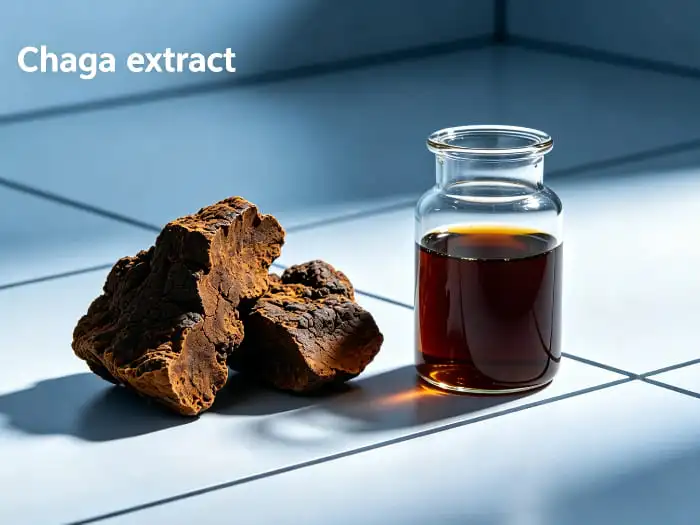
Chaga grows only on birch trees in woods around the Arctic Circle, which includes Siberia, Northern Canada, Alaska, and Scandinavia. Chaga, unlike other medicinal mushrooms, doesn't make a fruiting body. Instead, it forms a hard, blackened sclerotium that stores bioactive chemicals over many years of symbiotic growth. Along with native polysaccharides and triterpenes, this slow maturation process produces very high amounts of betulinic acid from the host birch bark. Compared to Reishi or Cordyceps, the fungus has a higher antioxidant capacity. In expensive extracts, ORAC values often go over 50,000 µmol TE/g. Chaga's unique phytochemical profile helps multiple physiological pathways at the same time, which is helpful for B2B clients making immune-supporting or anti-aging products. It also gives formulation flexibility and strong scientific positioning for health claims in competitive wellness markets.
Scientifically Supported Health Benefits for Product Development
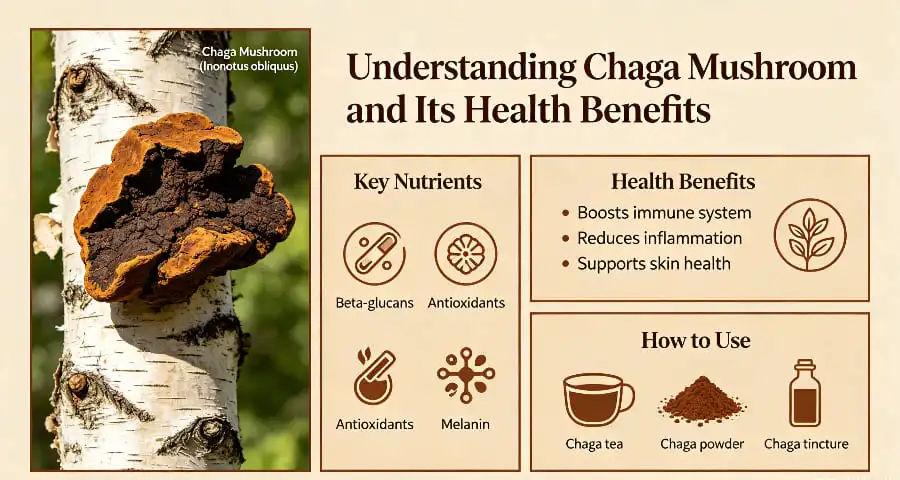
Clinical study shows that polysaccharide-rich chaga extracts change the way the immune system works by increasing the activity of natural killer cells and the production of cytokines without overstimulating the immune system. This meets the need of consumers for balanced immune support. The beta-D-glucan fraction, which is usually between 20 and 30 percent in pharmaceutical-grade extracts, turns on macrophages and dendritic cells, which are important for both innate and adaptive defence. In order to reduce inflammation, chaga blocks pro-inflammatory cytokines like TNF-α and IL-6. This makes it a useful ingredient in vitamins for joint health and metabolic wellness. The triterpene and betulinic acid content helps cells stay healthy by improving mitochondrial activity and lowering oxidative stress. These benefits, backed by evidence, help product developers and regulatory managers back up label claims while still following FDA structure-function guidelines. This boosts the credibility of the market and builds customer trust in finished formulations.
Wild-Harvested vs. Cultivated: Quality Implications for Procurement
Wild-harvested chaga from old birch stands is usually the best because it has a lot of betulinic acid and other chemicals that have built up over 15 to 20 years of growth. Concerns about sustainability and changes in supply have led to new developments in controlled farming methods that produce more stable polysaccharide levels and more stable harvest times. When looking at the security of the supply chain, procurement directors have to weigh the benefits of being able to trace cultivated sources and having access to them all year against the fact that wild material has a higher triterpene density. Protocols for quality assurance, such as DNA barcoding and chromatographic fingerprinting, help prove legitimacy and find signs of fraud. That's why companies like Wellgreen Technology can offer both certified organic wild-harvested and sustainably cultivated chaga extract powders with standardised polysaccharide assays and comprehensive heavy metal testing. This makes sure that procurement teams get reliable raw materials that fit with the brand's positioning and meet regulatory requirements.
How to Use Chaga Mushroom: Forms, Recipes, and Methods?
Comparing Product Formats for Manufacturing Applications
Understanding the benefits of each format helps you choose the best ingredients for a variety of output needs. The following types of products are used for different industrial goals:
- Chaga Extract Powder: The chitinous cell walls are broken down by hot water and two different solvents during the extraction process. This concentrates the polysaccharides to 30–50% and makes sure they are bioavailable, which raw powder can't do. This water-soluble format works well in beverage systems, capsule fills, and tablet grids. Standardised beta-glucan content makes sure that all production batches are the same. This helps supplement companies and drug companies with quality control issues that need tested methods that have been proven to work.
- Spray-Dried Instant Powder: This type of powder was made to work with functional drinks. It dissolves quickly in cold liquids, stays mixed without settling, and has a neutral flavour that works well in ready-to-drink health drinks, protein shakes, and adaptogenic coffee blends. The even spread of particle sizes and the right amount of moisture make sure that the food stays fresh longer and doesn't clump together while it's being stored in bulk.
- Capsule-Ready Granules: Formulizing chaga extracts that are already mixed with flow agents and standardised potency makes the encapsulation process easier for both contract makers and private-label producers. These all-in-one solutions cut down on the time it takes to develop new formulations and lower the risk of cross-contamination in facilities that make more than one product, all while still following GMP guidelines.
Choosing the right format relies on the needs of the final product, the capabilities of the production equipment, and the tastes of the target audience. Getting samples in different forms is a good way for procurement managers to test for dissolution, compatibility, and taste before committing to bulk orders.
Extraction Techniques That Maximize Bioactive Compounds
Advanced extraction methods have a direct effect on how well ingredients work and how much it costs to make them. Controlled hot water extraction between 80°C and 95°C is a good way to get polysaccharides and beta-glucans out of plants while keeping heat-sensitive chemicals safe. Using ethanol to remove plants targets lipophilic triterpenes and betulinic acid, making a phytochemical profile that works well together. Dual-extraction techniques that use both methods together produce full-spectrum extracts that show all bioactive components. Ultrasonic-assisted and enzyme-assisted extraction technologies increase yield and decrease solvent use, which is in line with clean manufacturing concepts that brands that care about the environment value. When R&D scientists and QA managers look at possible suppliers, they should ask for detailed extraction methods, data on solvent residue testing, and comparative bioactivity assays that show the functional compound was kept intact during processing.
Emerging Applications in Functional Food and Beverage Innovation
Consumers' interests in adaptogenic health and immune resistance lead to new product ideas that use chaga mushroom extracts. Standardised chaga powder is added to cold-pressed juices, kombucha drinks, and nitro-infused wellness lattes by people who make functional drinks. They focus on using clean-label botanicals and showing measurable health effects. Chaga's natural antioxidant qualities are used by companies that make protein bars and snacks to improve their nutritional profiles and to extend the shelf life of their products. When you mix chaga with lion's mane, reishi, and cordyceps, you get synergistic mushroom combinations that help your brain and immune system in a way that health-conscious people will like. These mixed formulas help you stand out in the supplement market while also making the most of the cost-per-serving. When formulation teams work with experienced chaga extract suppliers, they can get help with specific applications, help with making the extract more soluble, and custom extract specs that are made to fit the product matrix and processing conditions.
Potential Side Effects and Safety Considerations
Known Side Effects and Contraindications
In clinical studies, chaga mushroom extracts have usually been shown to be very safe. However, some groups of people need to be extra careful. Some chaga products have a lot of oxalate, which can be dangerous for people with kidney disease or who are prone to getting kidney stones. These people should be closely monitored by a doctor. Chaga's immune-modulating effects might combine with immunosuppressant drugs given after organ transplants or for autoimmune diseases, but there aren't many known cases of this happening. Studies on animals that showed blood sugar-lowering effects suggest that this drug might combine with diabetes medicines, so it needs to be carefully watched and the dose needs to be changed. People who take anticoagulants should be careful because there is some early evidence that they may cause mild blood-thinning effects. Manufacturers of supplements aimed at general wellness groups usually don't have many safety issues. However, full product labelling and advice from qualified health professionals can protect both consumers and the brand's image while showing regulatory compliance.
Critical Quality Standards and Testing Protocols
To make sure that ingredients are safe and effective, they need to be carefully checked for quality at many points in the supply chain. The following testing protocols should be required from possible suppliers by procurement professionals:
Lead levels must be less than 1 part per million (ppm), arsenic levels must be less than 1 ppm, cadmium levels must be less than 0.3 ppm, and mercury levels must be less than 0.1 ppm for heavy metal screening by ICP-MS to meet California Proposition 65 and foreign pharmaceutical standards. Microbiological tests should show that the total plate counts are less than 10,000 CFU/g and that specific pathogen tests for E. Salmonella, E. coli, and Staphylococcus aureus. Pesticide residue analysis that looks at more than 500 substances makes sure that organic certifications and EU/USDA maximum residue limits are met. Verifying the beta-glucan content using chemical or triple-helix conformation methods backs up what the label says and makes sure that the bioactivity stays the same. Each batch of production should come with an analysis license from a third-party lab, along with full traceability paperwork that connects the finished extract to its place of origin and date of harvest. These thorough quality controls protect the reputation of the brand, meet the needs of regulators, and ensure the safety of end consumers in all foreign markets.
Regulatory Frameworks Governing Global Market Access
Understanding the rules that apply to a certain area makes it easier to enter a market and avoids costly mistakes in compliance. In the US, chaga products are regulated by the Dietary Supplement Health and Education Act. This means that they have to follow current good manufacturing practices and have methods in place to report any bad effects. Novel Food authorisation is needed for certain extraction methods and amounts that weren't normally eaten before 1997 in European markets. However, whole chaga powder is usually considered a traditional food. Health Canada's Natural Health Product rules say that a product can only be licensed if it has a lot of proof that it works and proof that it is safe. When buying ingredients for more than one regional market, procurement teams benefit when sellers keep full regulatory dossiers with allergen declarations, GMO-free certifications, and halal/kosher paperwork. Wellgreen Technology's quality assurance infrastructure helps clients get through complicated regulatory landscapes by providing full documentation packages, regulatory consultation, and formulation direction that is in line with the needs of the target market.
Comparing Chaga Mushroom Products: Making the Right Choice for Your Business
Wild-Harvested vs. Cultivated: Supply Chain Implications
When making strategic sourcing choices, you have to weigh the quality criteria against factors like supply reliability and sustainability. Wild-harvested chaga from well-known operations in Russia, Canada, and Scandinavia has real bioactive profiles and a premium market place, but it is hard to harvest, only available during certain times of the year, and its price changes a lot when the weather or rules change. Growing chaga with the right substrates and environmental controls gives consistent polysaccharide yields, reliable production schedules, and supply lines that can be tracked and meet organic certification standards. Some studies show that cultivated material may have lower levels of triterpenes than wild specimens that are decades old, but standardisation methods are good at making sure that key active markers are all the same. Companies that are making high-end lines of products for health-conscious customers often highlight wild-harvested sourcing as a way to set their brands apart. On the other hand, major supplement brands that sell a lot of products value stable supply chains and predictable costs, which can be achieved through cultivated sources. Using hybrid purchasing tactics that keep working with both wild-harvested and farmed suppliers lets you get the best deal on price, quality, and availability even when market conditions change.
Extract Potency vs. Traditional Tea: Performance and Market Positioning
The choice of product format has a big effect on bioavailability, customer convenience, and how much value is seen. To make traditional chaga tea from chunks, you have to boil them for a long time to get the water-soluble polysaccharides out. This makes the tea weak, and the active ingredients don't always get to the right places. People also use different methods to make it. Concentrated chaga extracts that are standardised to specific polysaccharide percentages allow for accurate dosing, quick systemic absorption, and measured bioactive delivery that backs up health claims. Standardised chaga mushroom extracts are used more often than traditional preparations in clinical studies, which supports marketing based on evidence. North American market data on consumer preferences shows that younger people and workers in cities are especially interested in capsule and powder forms that are easier to use and take less time to prepare than tea. European markets still have a better cultural appreciation for drinking traditional tea, which suggests strategies for optimising regional formats. When it comes to shipping costs, concentrated extracts are better for e-commerce than chunky material because they are lighter and stay stable longer on the shelf.
Powder, Capsules, and Chunks: Manufacturing Adaptability Analysis
Each style has its own benefits that are tailored to different production needs and market groups. Bulk chaga extract powder gives you the most options for how to make your formulas. It can be precisely mixed with other botanicals that work well together, the strength can be changed, and it can be used in a variety of delivery methods, such as stick packs, sachets, and beverage premixes. The format needs the right tools for handling powder and controlled humidity storage circumstances. Pre-encapsulated chaga goods save money on in-house encapsulation costs and speed up time-to-market for new brands that use fulfilment partnerships, but they make it harder to customise the formulation and set the brand apart. Chaga chunks are only sold in a few speciality stores and experiential brands, but they are very popular with people who like traditional preparation routines and wellness experiences. When purchasing directors look at manufacturing partnerships, they should think about their own production skills, the availability of capital equipment, and the types of customers they want to reach in order to choose the best format. When a supplier has a wide range of formats, it lets a business grow without disrupting the supply chain, from entering a new market to distributing more products.
Procurement Guide: Finding Reliable Chaga Mushroom Suppliers
Essential Supplier Verification Criteria
Through systematic evaluation processes, finding reliable ingredient partners protects both the quality of the product and the image of the business. As proof of certification, the company should show that it is currently registered with GMP with the FDA, NSF, or a similar governmental body. This shows that they are committed to meeting the strict standards for pharmaceutical-grade manufacturing. Organic certificates from the USDA, the EU, or Canada show that the products were made without using chemicals or harming the environment. Natural product brands value these practices. Certification as an ISO 9001 quality management system means that the process is controlled in a structured way and there is a culture of continuous growth. A supplier's name is judged by how long they've been in the business, what testimonials they have from customers, and whether they belong to professional trade groups like the American Herbal Products Association or the United Natural Products Alliance. Laboratory testing transparency is what sets good suppliers apart from shady ones. Trustworthy partners share thorough certificates of analysis, keep testing relationships with approved third-party labs, and welcome customer audits of production facilities. Geographic diversity within supplier networks reduces problems with area supplies and gives you more negotiating power when the market changes.
Strategic Purchasing Practices and Quality Audits
Comparing prices is only one part of effective buying; it also includes figuring out the total value and managing risks. Comparative dissolution testing, organoleptic evaluation, and third-party verification of polysaccharide content meeting supplier standards should all be part of the initial sample evaluation. Negotiations about the minimum order number (MOQ) weigh the costs of keeping inventory against the benefits of buying in bulk. New brands can benefit from suppliers who are flexible with MOQs during the product validation stages. When a business is established, it usually offers net-30 or net-60 terms instead of demanding full payment up front. These terms show that the business trusts the seller and is financially stable. Before buying a facility, inspections should be done, either in person or through detailed video recordings. These checks should confirm the cleanliness standards, equipment capabilities, and process controls that are said to be present in marketing materials. Before signing a long-term supply deal, testing the consistency of batches from different production lots can help find problems with variability. By doing their research, companies can avoid recalling expensive products, breaking rules, and damaging their brand's image, which costs a lot more than the savings they get from buying from unreliable suppliers.
Building Long-Term Supplier Relationships for Competitive Advantage
For businesses to grow in a way that is sustainable, they need smart partnerships that go beyond just buying things and include working together to make the business better. Preferred suppliers keep you up to date on the market by telling you about new scientific study, changes in regulations, and the availability of raw materials. Quick responses to questions and help with technology issues shorten the time it takes to fix formulation problems and make new products, giving companies an edge in the race to market. Logistics efficiency includes dependable delivery times, the right packaging to protect the integrity of the product, and flexible shipping plans that allow for planning production and optimising inventory. Regulatory compliance support through detailed paperwork, regulatory dossiers, and jurisdictional advice makes internal compliance easier and makes it easier to grow internationally. Long-term volume agreements often get you better prices, reserved production capacity during busy times, and the ability to make product specifications that regular buyers can't get. Purchasing professionals who build these strategic relationships set their companies up for long-term economic advantage in wellness markets that are always changing.
Conclusion
Chaga extract represents a scientifically validated, commercially versatile ingredient addressing expanding consumer demand for immune support, antioxidant protection, and natural wellness solutions. Strategic procurement decisions balancing quality verification, supply chain reliability, and regulatory compliance enable brands to capitalize on market opportunities while protecting product integrity and consumer safety. Understanding format-specific advantages, bioactive standardization, and supplier evaluation criteria empowers product developers, procurement managers, and regulatory professionals to make informed sourcing choices aligned with business objectives. The growing body of clinical evidence supporting chaga's health benefits, combined with improved cultivation technologies and extraction methodologies, positions this traditional botanical ingredient for continued market expansion across nutraceutical, functional food, cosmetic, and pharmaceutical applications throughout North America and global wellness markets.
FAQ
What product form works best for dietary supplement manufacturing?
Standardized chaga extract powder with verified polysaccharide content between 30-50% provides the optimal balance of bioavailability, dosing precision, and manufacturing versatility for capsule, tablet, and powder supplement formats. This concentration level delivers therapeutic relevance while maintaining cost-effectiveness across production scales.
Can wild chaga purchased through online marketplaces meet pharmaceutical quality standards?
Online retail channels frequently lack the traceability documentation, batch testing verification, and GMP compliance necessary for pharmaceutical and supplement manufacturing. B2B procurement requires direct supplier relationships with comprehensive quality assurance systems, third-party laboratory validation, and regulatory documentation unavailable through consumer retail platforms.
How quickly do health benefits typically manifest when using chaga extract?
Immune modulation and antioxidant effects begin within 2-4 weeks of consistent supplementation at research-supported dosing levels, though individual responses vary based on baseline health status, dosing protocols, and extract standardization. Long-term benefits accumulate over 8-12 weeks of continuous use, supporting sustained wellness positioning in product marketing.
Partner With Wellgreen for Premium Chaga Extract Supply
Wellgreen Technology specializes in manufacturing pharmaceutical-grade chaga extract powders designed specifically for nutraceutical brands, functional food developers, and contract manufacturers requiring uncompromising quality standards. Our dual-extraction process delivers standardized polysaccharide profiles with verified beta-glucan content, supported by comprehensive COA documentation and GMP certification. We maintain both wild-harvested and sustainably cultivated sourcing relationships ensuring year-round supply stability while offering flexible MOQs supporting emerging brands through scaled production. OEM customization capabilities include potency adjustment, mushroom complex formulations, and beverage-optimized solubility profiles backed by responsive technical support. Connect with our procurement specialists at wgt@allwellcn.com to request samples, discuss custom specifications, or explore partnership opportunities with a trusted chaga extract supplier committed to advancing your wellness product portfolio.
References
Glamočlija J, Soković M, Tešanović K, Vukojević J. "Bioactive Compounds and Medicinal Properties of Inonotus obliquus: A Comprehensive Review." Journal of Ethnopharmacology, 2015.
Balandaykin ME, Zmitrovich IV. "Review on Chaga Medicinal Mushroom (Inonotus obliquus): Combination of Traditional Knowledge and Modern Research." International Journal of Medicinal Mushrooms, 2016.
Zheng W, Miao K, Liu Y, Zhao Y, Zhang M. "Chemical Diversity of Biologically Active Metabolites in the Sclerotia of Inonotus obliquus and Submerged Culture Strategies for Up-Regulating Their Production." Applied Microbiology and Biotechnology, 2010.
Mishra SK, Kang JH, Kim DK, Oh SH, Kim MK. "Orally Administered Aqueous Extract of Inonotus obliquus Ameliorates Acute Inflammation in Dextran Sulfate Sodium-Induced Colitis Model." Journal of Biomedicine and Biotechnology, 2012.
Nakajima Y, Sato Y, Konishi T. "Antioxidant Small Phenolic Ingredients in Inonotus obliquus (Persoon) Pilat (Chaga)." Chemical and Pharmaceutical Bulletin, 2007.
Shashkina MY, Shashkin PN, Sergeev AV. "Chemical and Medicobiological Properties of Chaga: A Review." Pharmaceutical Chemistry Journal, 2006.