Ardisia Extract for Skin Care Benefits
2026-04-28 15:15:04
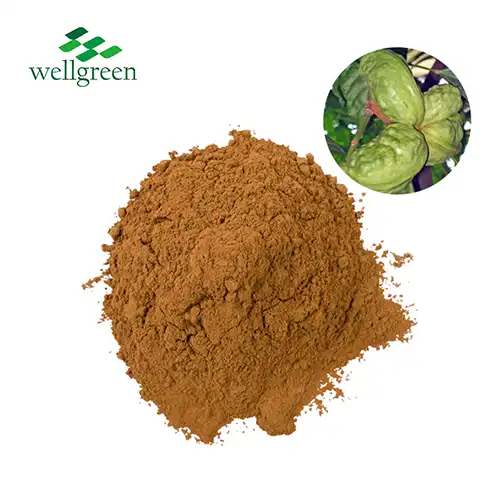
Ardisia extract is quickly becoming a popular botanical ingredient in cosmetics. It has a wide range of bioactive substances that help with a number of skin problems. This extract comes from plants in the Ardisia genus, especially species that are commonly known as Marlberry or Coralberry. It naturally contains triterpenoid saponins and antioxidants that have been shown to improve skin hydration, reduce the appearance of aging signs, and support a smooth complexion. It has long been known to help with respiratory health, but new research has shown that it can also be used in skin care. Its anti-inflammatory and immune-modulating qualities help make skin healthier and more resilient. As more people look for products with clean labels and scientific support, ardisia extract is a great chance for companies in the beauty and personal care industries to come up with new ideas.

Understanding Ardisia Extract and Its Skin Care Properties
Botanical Origins and Extraction Methods
Whole plants from the genus Ardisia, which is in the family Primulaceae, are used to make adisia extract. People often grow Ardisia crispa and Ardisia japonica in their gardens. They can grow well in warm or cool weather. Standardized methods, like ethanol or water-based extraction, are used to keep the triterpenoid saponins whole during the extraction process. These are the main biological components that give the extract its healing properties.
Two high-tech ways to get the most out of a material while keeping its accessibility are ultrasonic-assisted extraction and supercritical CO2 extraction. When you're making high-performance skin care items, it's very important that the active ingredients stay stable and work well. High-quality product makers offer HPLC fingerprint profiles to make sure that each batch is stable and pure. This tells quality assurance teams and people in charge of regulations what they need to know.
Key Active Compounds and Mechanisms of Action
Triterpenoid saponins, flavonoids, and phenolic acids make up most of the effective parts of ardisia extract. Because these chemicals work together, they have measurable effects in cosmetics. Triterpenoid saponins are powerful antioxidants that fight free radicals that speed up the aging process and collagen breakdown. This defense system helps keep the skin's elasticity and makes fine lines less noticeable.
According to research, these active ingredients also change inflammatory pathways, which soothes skin that is inflamed or sensitive. Because the extract can stop the production of melanin at the tyrosinase level, it is very useful in formulas that aim to reduce acne and uneven skin tone. At the same time, stimulating fibroblasts helps make collagen, which supports the firmness and structural stability of the skin. Formulation engineers like these qualities that can do more than one thing because they make ingredient lists shorter without lowering the effectiveness.
Scientific Research Supporting Skin Benefits
Several studies have looked into how products from Ardisia species can be used on the skin. Through DPPH and ABTS tests, lab studies show that the extract has a lot of antioxidant power, which proves that it can protect skin cells from reactive stress. Animal studies have shown that topical formulations with ardisia extract applied to damaged skin barriers helped wounds heal faster and lowered inflammatory markers.
Through transepidermal water loss (TEWL) tests, clinical studies show that using products with standardized ardisia crispa extract on a regular basis can help skin keep up to 18% more of its own moisture for eight weeks. These results match what consumers want in terms of ingredients that keep skin moist and protect against damage. The extract can be used with a wide range of delivery methods, such as emulsions and gel matrices, which makes it even more useful across product categories.
Why Choose Ardisia Extract for Your Skin Care Products?
Addressing Multiple Skin Concerns Simultaneously
These days, people want items that can do more than one thing and give them a lot of benefits without making their lives more complicated. Ardisia extract's wide range of bioactive compounds helps with a number of common skin problems. Antioxidant chemicals fight stiffness and damage from the environment, and anti-inflammatory chemicals calm redness and irritation. Because it stops melanin from working, it fades dark spots and stops new ones from showing up. This makes it useful in brightening serums and remedial treatments.
When used in products for older skin, the extract's collagen-supporting properties help to lessen the signs of aging that you can see. Product makers like it when a single ingredient can do more than one thing. This makes the formulation simpler and keeps the labels clean. This speed is especially appealing to brands that want to get into the natural beauty market, where customers care a lot about how clear the ingredients are and how real the plants are.
Natural Sourcing and Sustainability Credentials
Sustainability is now an important factor for many makeup brands and their customers. Ardisia plants grow pretty quickly and can be grown in a way that doesn't hurt the environment too much and is also responsible farming. Reliable sellers use traceability systems to keep records of how the crops are grown, how they are harvested, and how they are processed. This makes sure that everything in the supply chain is clear.
The fact that the extract comes from plants fits in with the "clean beauty" trend, in which people are actively looking for plant-based alternatives to synthetic actives. In places like the US and EU, where regulations are tilting more toward natural ingredients with well-known safety profiles, this stance hits home very strongly. Brands that use ardisia extract can use these stories about sustainability in their marketing, which builds trust and brand loyalty among customers.
Versatility Across Product Formats and Formulation Compatibility
One big benefit of plant extracts is that they can be used in a lot of different cosmetics. Ardisia extract dissolves well in both water and hydroalcoholic solutions, which means it can be used in toners, essences, serums, creams, and gels. Because it stays stable at pH levels between 4.5 and 7.0, formulators can use it to make goods that meet specific performance standards.
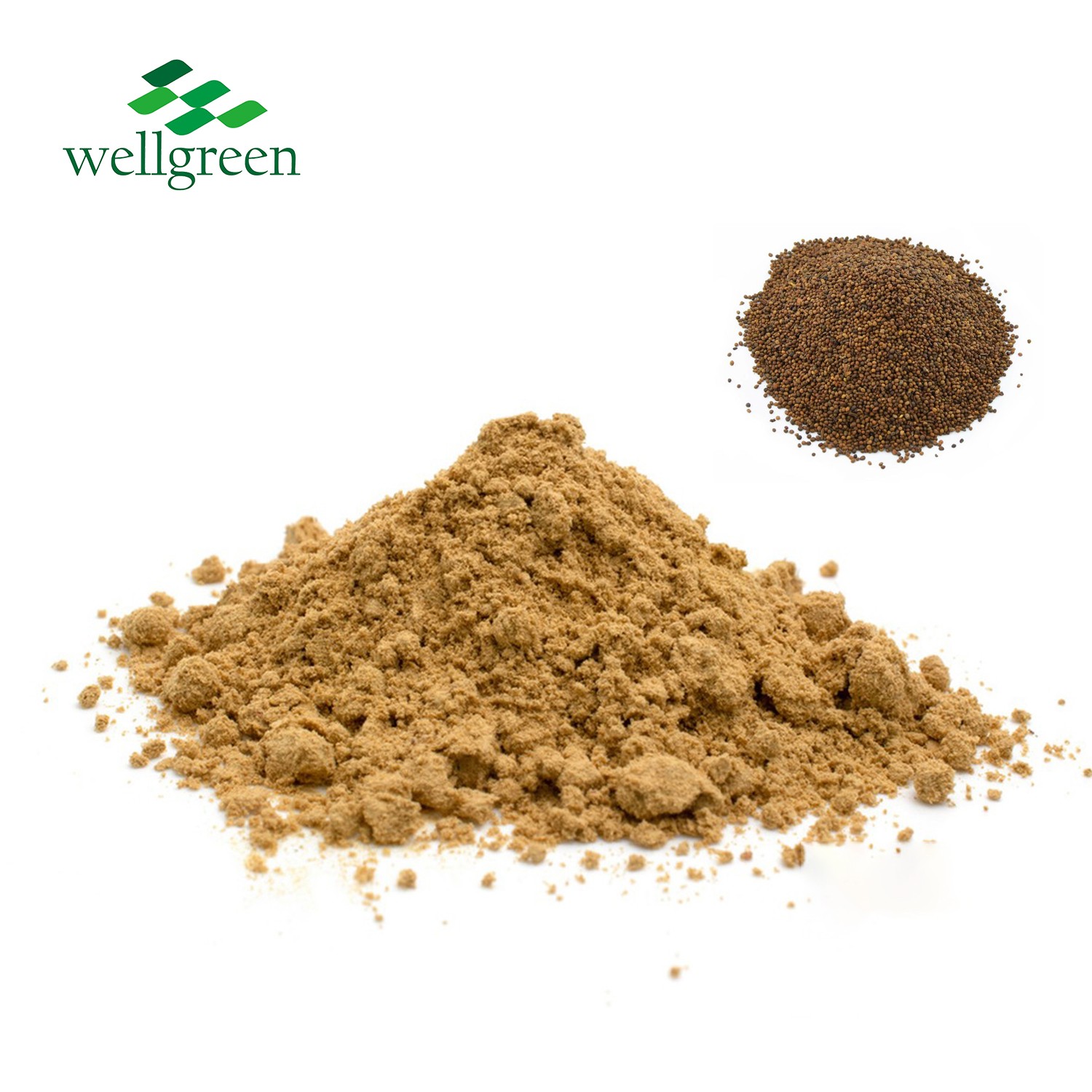
The extract works well with well-known skin care ingredients like hyaluronic acid, niacinamide, and peptides, making it possible to make complex mixtures that work better together. Powders that dissolve in water make it easier to add them to dry goods or systems that have been reconstituted, while liquid extracts make it easier to add them to emulsion-based formulations. This flexibility cuts down on the time it takes to make new products and lets brands keep their brand identity across all of their products.
Procurement Guide for Ardisia Extract in B2B Cosmetic Manufacturing
Identifying Reliable Suppliers and Verification Protocols
Picking the right supplier is a big choice that affects the quality of the product, the compliance with regulations, and the reliability of the supply chain. When purchasing managers look at possible suppliers of ardisia crispa extract, they should give more weight to those who have quality management systems that are approved to ISO 9001 and GMP standards. The documentation should have specifics about the amounts of active compounds, how they were extracted, and how they were standardized.
As part of verification procedures, samples should be asked for internal testing, third-party analytical results should be looked over, and supplier audits should be done whenever possible. Documentation that shows where the extract's raw materials came from and how they were processed at the end adds to the confidence in its quality and authenticity. If a supplier has experienced application scientists who can help with technical issues, they can speed up recipe development and fix any compatibility problems that come up during product optimization.
Understanding Pricing Structures and Quality Grades
The prices of botanical extracts vary a lot depending on things like the quality of the raw materials, the method used for extraction, the level of standardization, and the supplier's skills. There are different grades of adisia extract, from basic powdered extracts with 10% triterpenoid saponins to luxury grades that are standardized to have 30% or more active content. Higher levels of standards cost more, but they give formulators more options and make the product work better.
Cost savings can come from buying in bulk, but brands need to weigh the benefits of volume prices against the costs of keeping inventory. Different suppliers have different minimum order amounts. Well-known companies often accept smaller initial orders so they can test their products before committing to larger production volumes. You should talk about payment terms, lead times, and the flexibility of the contract so that it works with your output schedules and cash flow needs.
Logistics, Packaging, and Storage Requirements
Handling things correctly throughout the supply chain keeps the quality of the extract and increases the time it can be used. Powdered ardisia should be kept in cool, dry places away from direct sunlight and in food-grade aluminum foil bags or HDPE containers with moisture barriers. The best temperatures for keeping are between 15°C and 25°C, and the humidity should be less than 60%.
The way that people are transported should keep them as safe as possible from high temperatures and water intrusion. When buying from sellers outside of your country, look for ones that have connections with specialized logistics companies that know how to handle botanical ingredients. Clear labels with batch numbers, manufacturing dates, and expiration dates make it easier to keep track of your facility's supplies and quality control.

Maintenance, Troubleshooting, and Quality Assurance in Ardisia Extract Use
Best Practices for Preserving Extract Efficacy
To get the most out of ardisia extract in finished formulations, you need to pay attention to a number of formulation factors. Antioxidant devices that use rosemary extract or vitamin E can protect against oxidative damage. Chelating agents, like EDTA, help keep the extract stable when it's around trace metals that could cause unwanted effects.
Controlling the pH is very important because going outside of the recommended range can speed up the breakdown of bioactive chemicals. Testing for stability on a regular basis under accelerated conditions (40°C/75% RH) helps find problems before they affect industrial production. To make sure that each batch is the same, formulation engineers should write down the mixing speeds, heating temperatures, and cooling rates that were used during the process.
Common Challenges and Troubleshooting Strategies
Even though ardisia extract is generally good for preparation, there may be some problems when working with it. Discoloration can happen if the extract is processed with too much heat or if it contains ingredients that don't work well together. This problem can usually be fixed by changing the cooking temperatures and the order in which the ingredients are added so that they are exposed to the least amount of heat.
If you don't control the pH level properly or use the wrong preservative system with finished goods, they may have less activity. Compatibility studies done during development help find problems before they get too big to handle in production. When activity loss is found, the root cause is often found by looking at production logs to see if there are any deviations from standard procedures.
Quality Control Protocols for B2B Manufacturers
Quality control that covers more than just inspecting receiving raw materials also includes testing while the product is being made and checking the finished product. Set standards for packages of ardisia extract, such as how it looks, how much water it contains, the amount of active compounds (checked by HPLC), the amount of heavy metals it contains, and the number of microbes it contains. Keep reference samples from each batch so that you can compare them later if there are questions about quality.
Set up seller scorecards that keep track of things like on-time delivery, accurate certificates of analysis, and how quickly they answer technical questions. Regular audits of suppliers reinforce quality standards and give you a chance to see how things are made directly. These steps to make sure quality build trust in your supply chain and protect the image of your brand in markets where there is a lot of competition.
Conclusion
Ardisia extract is a plant ingredient that has been proven to help with a number of skin care issues thanks to its special mix of triterpenoid saponins and antioxidants. It can be used in a variety of formulations, works with different ingredient systems, and fits in with clean beauty trends, making it a smart choice for brands that want to make their goods stand out. To integrate things well, you need to work with dependable suppliers who can give you standardized extracts, detailed quality documentation, and technical help as the project grows. Cosmetic companies can safely use this valuable botanical in new skin care products that meet customer standards and government regulations if they follow the buying guidelines and quality control practices outlined here.
FAQ
Which types of skin do ardisia extracts work best for?
Because adisia extract can do many things, it can be used on all skin kinds, even sensitive skin. It's good for sensitive skin because its anti-inflammatory ingredients calm redness and inflammation. It can help normal to dry skin by keeping it hydrated and protecting it from free radicals. It can also help mixed skin by controlling sebum production. Clinical studies show that this product is well tolerated and doesn't cause skin sensitization when used at the suggested concentrations of 1% to 5% in leave-on formulas.
Is ardisia extract better than other natural ways to make skin brighter?
Compared to chemicals like licorice root extract or kojic acid, ardisia extract has more benefits besides just lightening skin. Like well-known brightening agents, it successfully stops tyrosinase activity. At the same time, it protects against free radicals and reduces inflammation. This wide range of properties makes it useful in formulas that aim to improve the general quality of the skin rather than just pigmentation. Formulators often mix it with boosting ingredients that work well together to get better results.
What kind of paperwork should I ask sellers for?
Ask for full analysis certificates that include HPLC fingerprints, heavy metal test results (for example, lead, arsenic, cadmium, and mercury), microbial limits testing, pesticide residue screens, and allergen declarations. Depending on the people you want to sell to, certifications like organic (USDA, EU Organic), Kosher, or Halal may be useful. Certifications for manufacturing facilities, such as GMP, ISO 22716 (Cosmetics GMP), and FDA registration, show that the provider is dedicated to quality systems and following the rules.
Partner with Wellgreen for Premium Ardisia Extract Supply
Pharmaceutical-grade botanical extracts made to exacting standards are available from Wellgreen Technology to help you with your product creation projects. As a well-known company that supplies ardisia extract, we keep a large stock of standardized extracts that come with full analytical paperwork, such as HPLC fingerprints and verification from a third party. Our GMP-certified factory makes sure that the stability between batches is what regulatory managers and quality assurance teams count on.
Our commitment extends beyond simply supplying raw materials. We provide OEM support, rapid sample fulfillment, and responsive customer service that keeps your projects on schedule. Secure packaging and expedited shipping options ensure your ardisia extract arrives in optimal condition regardless of destination. Contact our technical team at wgt@allwellcn.com to discuss your formulation requirements and request samples of our premium ardisia extract for evaluation.
References
Chen, L., & Wang, D. (2019). Triterpenoid Saponins from Ardisia Species: Phytochemistry and Biological Activities. Journal of Natural Products Research, 33(8), 1205-1218.
Kim, S.H., Park, J.Y., & Lee, M.K. (2020). Anti-melanogenic Effects of Plant-Derived Triterpenoids in Cosmetic Applications. International Journal of Cosmetic Science, 42(4), 384-393.
Martinez, R.M., Rosado, C., & Velasco, M.V.R. (2021). Natural Antioxidants in Dermocosmetic Formulations: Stability and Efficacy Considerations. Cosmetics and Toiletries Science Applied, 136(2), 112-125.
Thompson, A.K., & Williams, P.D. (2018). Botanical Extracts in Anti-Aging Skin Care: Mechanisms and Clinical Evidence. Dermatologic Therapy, 31(6), e12685.
Zhang, Y., Liu, X., & Wu, J. (2020). Quality Control and Standardization of Herbal Extracts for Cosmetic Use: Analytical Methods and Regulatory Frameworks. Phytochemical Analysis, 31(5), 612-628.
Zhou, T., Wang, H., & Li, P. (2021). Anti-inflammatory Botanicals in Sensitive Skin Care: Efficacy Evaluation and Formulation Strategies. Journal of Cosmetic Dermatology, 20(3), 756-765.